Tungareshwar Temple
About Tungareshwar Temple
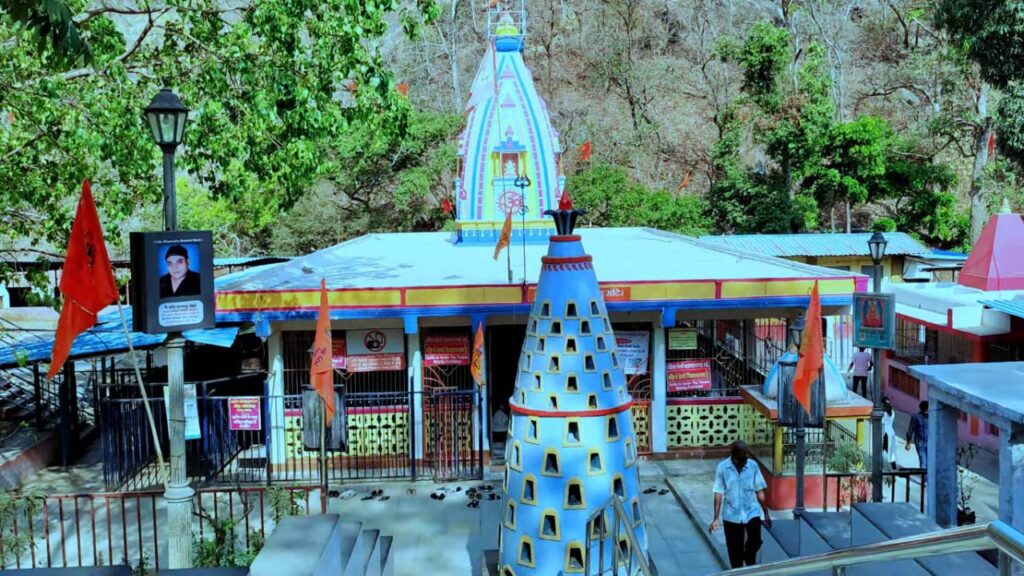
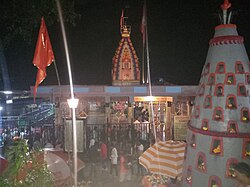
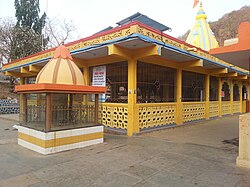
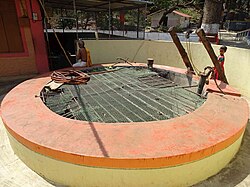
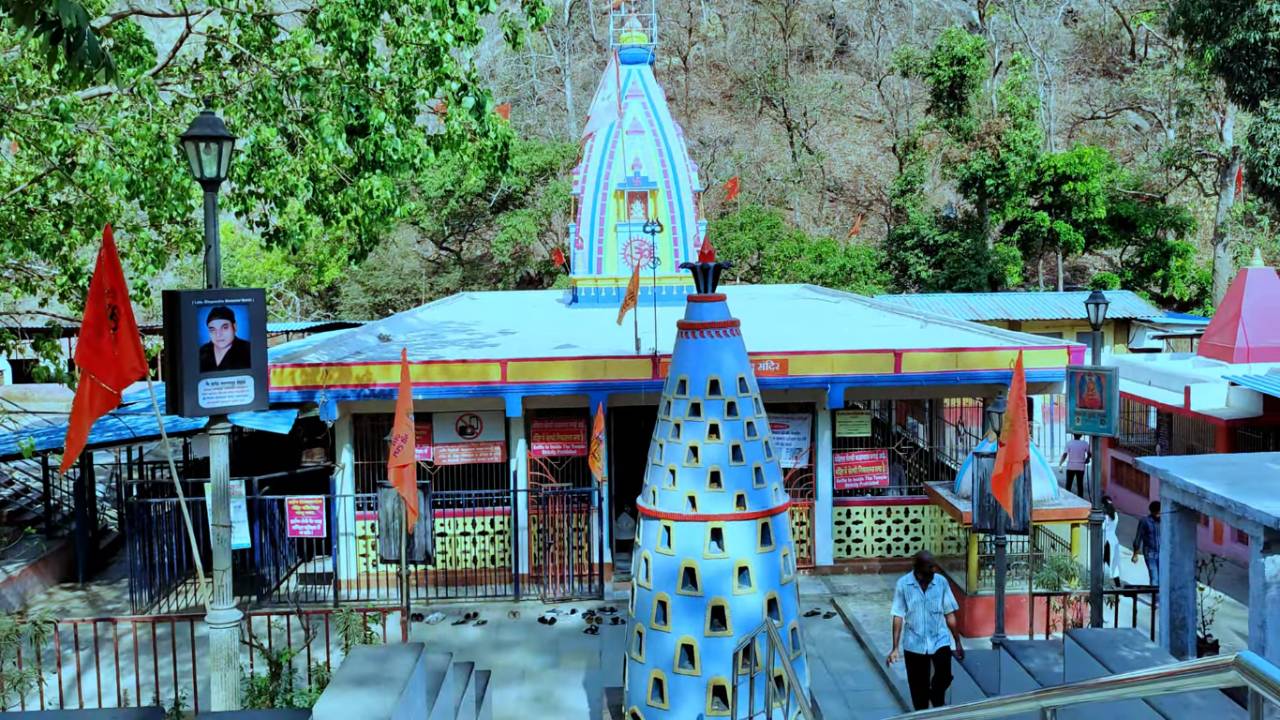
The temple is dedicated to Shiva, the Hindu god associated with meditation, asceticism, and cosmic transformation. Within the temple complex stands a Ram Kund (a water tank or ritual pool dedicated to Rama) in the rear area. A separate small shrine honors Goddess Khodiyaar Mataji, drawing devotees who visit both temples during significant occasions and festival seasons. The presence of multiple shrines reflects a common pattern in Hindu temple complexes, where related deities share sacred space.
Daily Worship and Darshan
The temple opens at 05:00 AM and closes at 18:00 (6:00 PM) daily. Four aartis—ritual worship ceremonies—structure the devotional day: at 05:00 AM and 09:00 AM, with a Naivedya (food offering) at 12:00 PM, and an evening aarti at 17:00. These regular rituals provide multiple opportunities for darshan (viewing of the deity).
Early morning visits between 5:00 and 8:00 AM offer distinct advantages. The sanctuary is quietest during these hours, allowing for more focused worship and better chances to observe wildlife activity. The cooler temperatures also make the trek to the hilltop shrine more comfortable, particularly during warmer months. Visitors planning to attend the morning aartis should arrive with time to spare, as the walk from the entrance gate takes 3 to 4 kilometers.
Festivals and Observances
Maha Shivratri is the primary festival at Tungareshwar, drawing substantial numbers of devotees to honor Shiva. During this observance, the temple hosts a Bhandara—a community feast—as part of the celebrations. According to the Hindu calendar, Maha Shivratri falls between July and August in the Shravan month. Bhandara also takes place every Monday during the Shravan month, when devotion to Shiva intensifies across many temples in the tradition.
Khodiyaar Jayanti, celebrated around February, brings devotees specifically to honor Goddess Khodiyaar Mataji at her shrine within the complex. Festival periods see increased activity and larger gatherings than ordinary days, which may affect the quietness of the experience but offer opportunities to participate in communal worship.
Best Times to Visit
Winter months from November through February offer ideal conditions for visiting. Cooler temperatures and lower humidity make the trek comfortable and the experience more pleasant. The monsoon season from June through September brings lush forest growth and flowing streams, creating a verdant landscape—though visitors should be prepared for wet conditions and muddy paths during and immediately after rainfall.
Early morning hours (5:00–8:00 AM) provide the quietest darshan experience regardless of season, and offer the best opportunity to observe wildlife in the sanctuary. These hours also coincide with the morning aartis, allowing visitors to participate in worship during the most serene part of the day.
Practical Information for Visitors
The temple is located at coordinates 19.4165, 72.9015 in Sativali, Vasai-Virar, Palghar District. The entrance gate lies approximately 3 to 4 kilometers from the main shrine, requiring a trek through forest terrain. Visitors should wear sturdy footwear suitable for rocky and uneven paths, and carry water, particularly during warmer months or if visiting outside the early morning hours.
Modest dress is customary at Hindu temples; loose, covering clothing is appropriate. The sanctuary's wildlife, while generally not aggressive, should be observed from a distance. Visitors should remain on marked paths and avoid disturbing animals or vegetation. Photography may be permitted but should be done respectfully, particularly during worship ceremonies. No specific information about facilities such as parking, refreshments, or accommodation is documented in available sources; visitors should plan accordingly and inquire locally upon arrival.
How to reach
Temples near Tungareshwar Temple
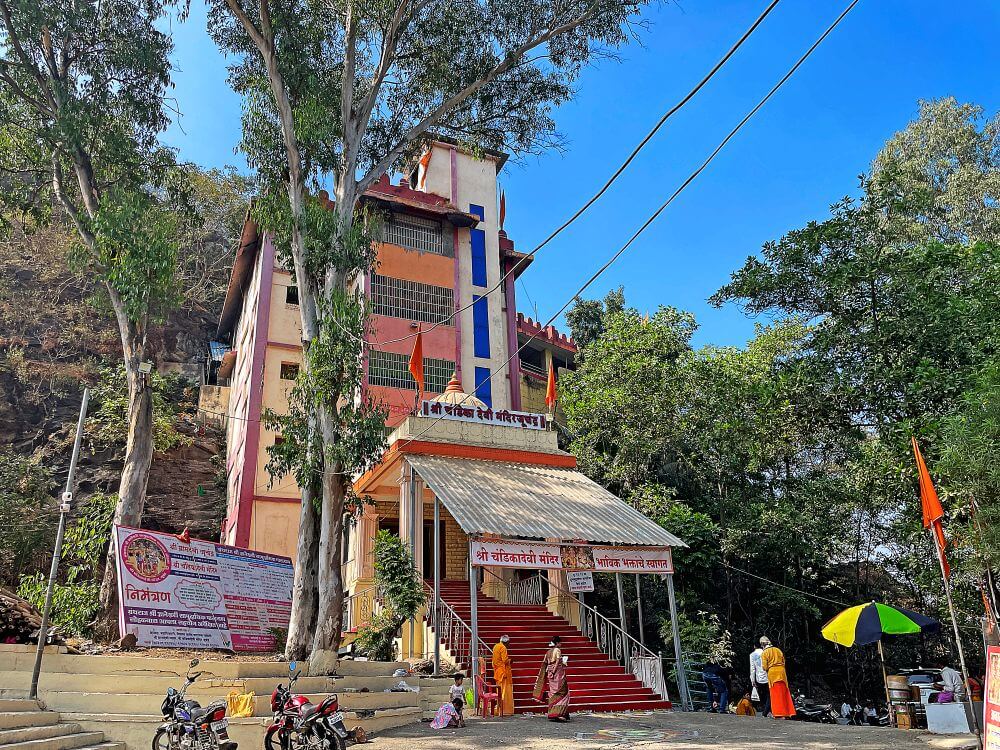
Chandika Devi Temple, Juchandra
Chandika Devi Temple in Juchandra, Thane District, is a hilltop shrine dedicated to Goddess Chandika, a form of Durga, revered for spiritual significance and traditional rituals…
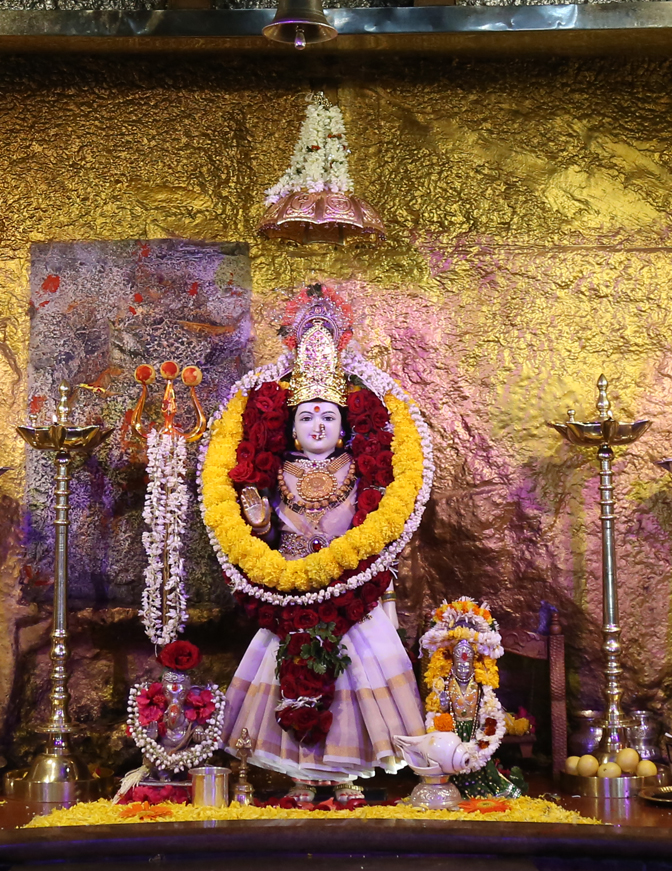
Jivdani Mata
Jivdani Mata temple is an ancient shrine dedicated to the goddess Jivdani Devi, situated atop Jivdani hill in Virar, a suburb of Mumbai. The site contains historical remnants in…
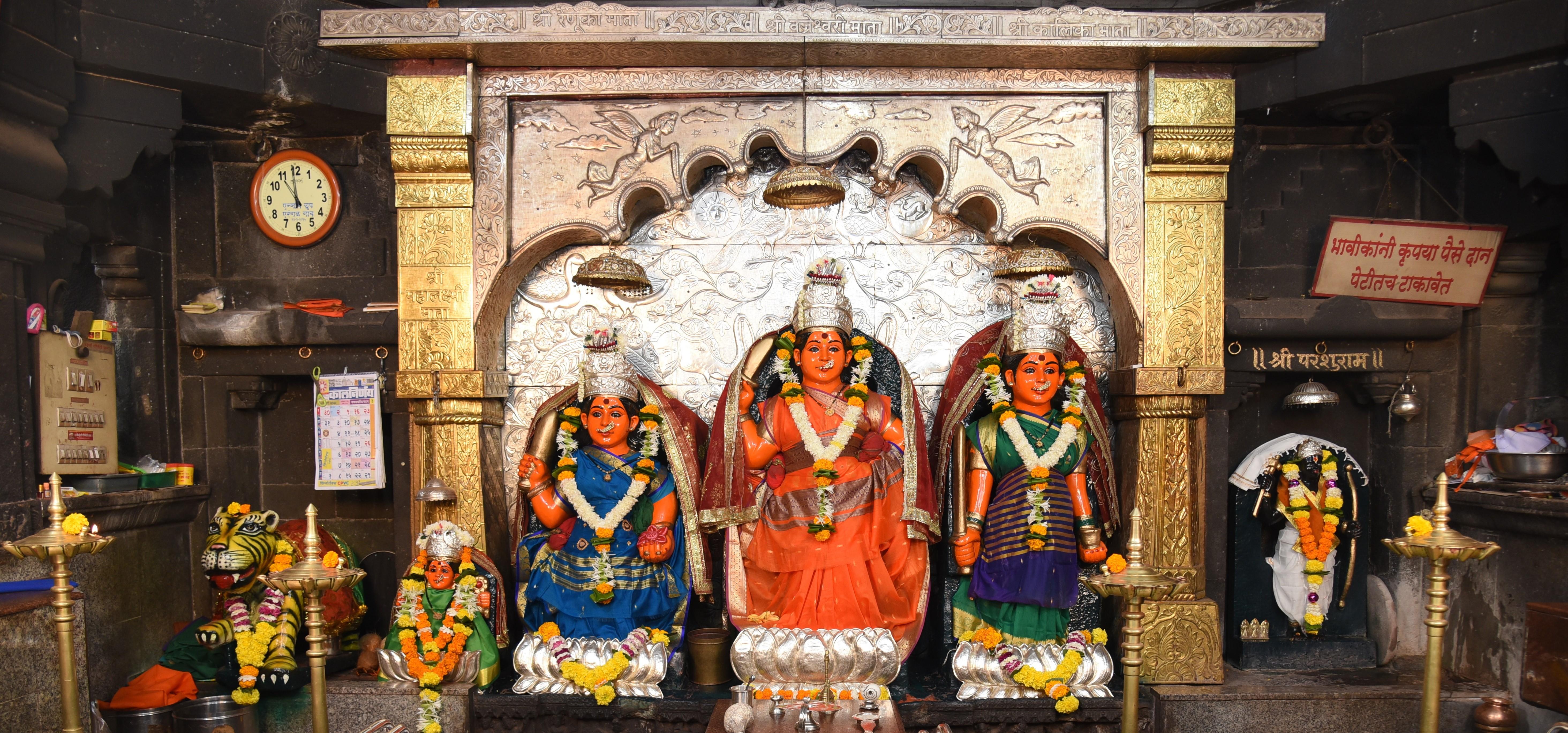
Vajreshwari Temple
Vajreshwari Yogini Devi Temple is a Hindu goddess temple located in Vajreshwari town, Thane district, Maharashtra, situated on a volcanic hillock surrounded by natural hot sprin…

Vithal Rakhumai Mandir
Sri Vittal Rakhumai Mandir in Mumbai is a Hindu temple dedicated to Lord Vittal and Goddess Rakhumai, established around 2004 and affiliated with the Kashi Math Samsthan.

Shree Balaji Mandir
Shree Balaji Mandir in Charkop, Kandivali (West), Mumbai is a Vaishnava temple dedicated to Lord Venkateshwara, claimed to be his second sacred abode after Tirupati.
Gaondevi Mandir Temple
Gaondevi Mandir Temple, also known as Shree Marubai Gavdevi Temple, is a historic goddess shrine in Mumbai established around the 1700s, dedicated to the divine feminine princip…