


Vithal Rakhumai Mandir
About Vithal Rakhumai Mandir
The temple maintains a structured daily worship schedule open to visitors from 6:00 AM to 9:00 PM. Four principal ritual times punctuate each day: the Morning Aarti at 8:00 AM, Madhyanha Pooja at noon, Deep Namaskar at 7:30 PM, and Ratri Pooja at 8:30 PM. Beyond these congregational observances, the mandir offers numerous individual sevas—ritualistic services that devotees can arrange. These include kumkumarchan (vermillion worship), oil offerings for the Nandadeep (eternal lamp), and full-day sevas for those seeking extended spiritual engagement. Wednesday holds particular significance, as this day features special abhisheks (ritual anointments): the Ksheerabhishek, performed with milk, and tender coconut abhishek, both conducted by trained Vaidiks (Vedic priests). These Wednesday observances are suspended on ekadashi (the eleventh lunar day), which carries its own spiritual importance in Hindu practice.
Festival Observances
The temple marks the Hindu calendar's major festivals with structured celebrations. The year begins with Gudi Padva, the Marathi New Year in spring, followed by Vaishakh Poornima, which features the Palanki utsav—a palanquin procession honouring the deities. The Pratistha Varadhanti Utsav in May commemorates the temple's consecration anniversary. The monsoon and autumn months bring Vara Mahalakshmi Vrata in July, Sri Krishna Janmasthami in August (marked by tulsi offerings extending into the evening), and autumn observances including Kartik Ekadashi, Uthan Dwadashi with Tulsi Pooja, and Kartik Poornima. The Bramha Rathotsav, a chariot festival spanning several days in December, represents one of the year's most significant celebrations. Additionally, the temple observes adhik masa (intercalary months occurring roughly every three years in the lunar calendar) with intensified worship practices including laksha pradikshina (circumambulation repeated a thousand times) and laksha tulsi archana (worship of the tulsi plant repeated a thousand times).
Community and Educational Activities
Beyond ritual worship, the mandir functions as a cultural and educational institution. During the Diwali vacation period each year, the temple organizes a spiritual camp for children aged 8 to 15 years. This programme provides instruction in Hindu customs and traditions, chanting of shlokas from the Bhagavadgita, storytelling, art and craft, and emphasis on ethical behaviour toward family and elders. Boys receive instruction in Sandhyavandana, the traditional Vedic evening prayer ritual. The camp also offers information about the Kashi Math Samsthan, its gurus and affiliated temples, grounding young participants in the broader monastic and temple network of which this mandir is part.
Personal Religious Services
The temple accommodates individual devotional needs alongside congregational worship. Families can arrange the Shree Satyanarayana Pooja, a widely performed Hindu ritual honouring Vishnu, within the temple premises. The mandir also offers vehicle blessings for both two-wheelers and four-wheelers, reflecting its role in blessing practical aspects of devotees' daily lives. Long-term commitment is supported through Shashwat Seva arrangements, which extend over ten-year periods. These varied services demonstrate the mandir's function as a comprehensive religious centre serving both collective and individual spiritual requirements.
Visiting Information
The temple is located at Khamdev Nagar, 90 Feet Road, Sion, Mumbai, Maharashtra 400017 (coordinates: 19.261155, 72.8597453). It is open daily from 6:00 AM to 9:00 PM. Visitors should plan their visit around the four daily aartis if they wish to participate in congregational worship. Wednesday visits offer the opportunity to witness the special abhisheks. Those interested in attending major festivals should consult the Hindu lunar calendar, as festival dates vary annually. The temple welcomes visitors of all Hindu denominations and facilitates both spontaneous darshan (viewing of the deity) and pre-arranged sevas. Modest dress is customary when visiting Hindu temples. Visitors should remove footwear before entering the sanctum and follow the directions of temple staff regarding movement within the premises.
How to reach
Temples near Vithal Rakhumai Mandir

Shree Balaji Mandir
Shree Balaji Mandir in Charkop, Kandivali (West), Mumbai is a Vaishnava temple dedicated to Lord Venkateshwara, claimed to be his second sacred abode after Tirupati.

Wagheshwari Temple
Wagheshwari Temple in Mumbai's Goregaon East is dedicated to Goddess Bhagwati, revered as an incarnation of Durga or Saraswati in her form as Vagdevi.
Amba Mata Mandir
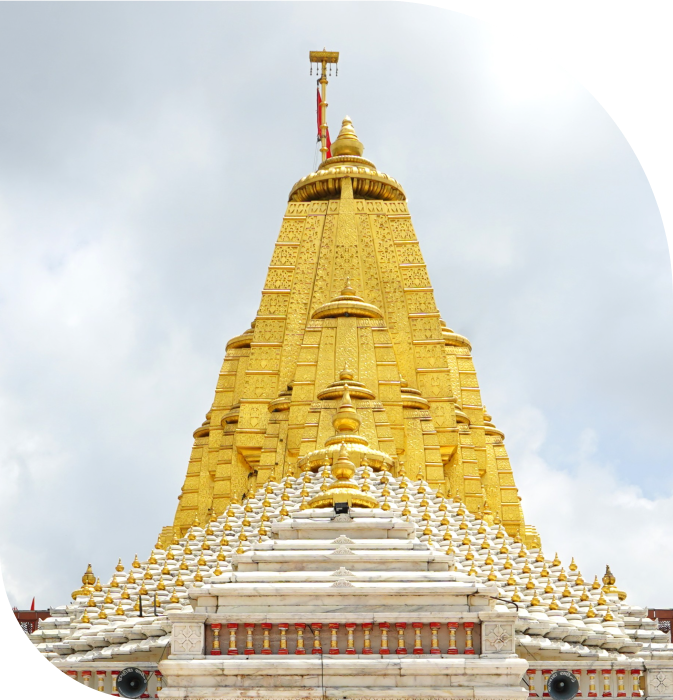
Amba Mata Mandir in Mumbai is a Hindu temple dedicated to Goddess Amba, with origins tracing back over 500 years. The temple welcomes devotees year-round for darshan and worship.
Chandika Devi Temple, Juchandra
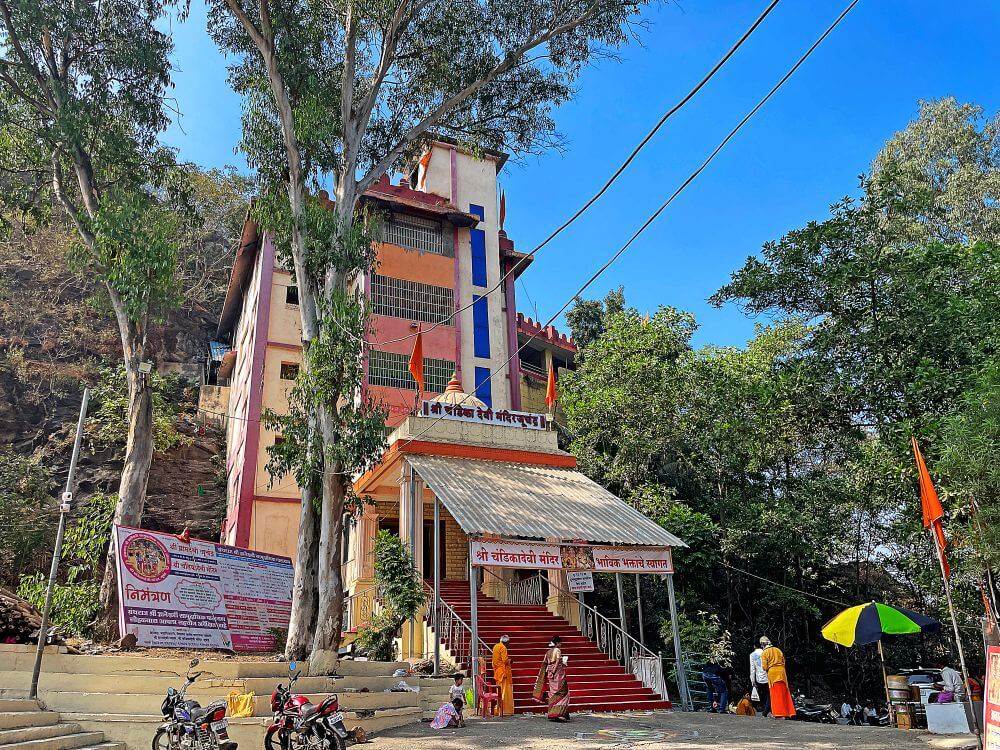
Chandika Devi Temple in Juchandra, Thane District, is a hilltop shrine dedicated to Goddess Chandika, a form of Durga, revered for spiritual significance and traditional rituals…

Gaodevi Temple
Gaodevi Temple, also known as Shree Mumbadevi Mandir, is an 18th-century shrine dedicated to Goddess Mumbadevi, the fierce deity from whom Mumbai derives its name. Located in th…
Shiv Temple
Babulnath Mandir is one of Mumbai's oldest Shiva temples, established during the 12th century Solanki dynasty. Its beautifully carved pillars and intricate inscriptions reflect…