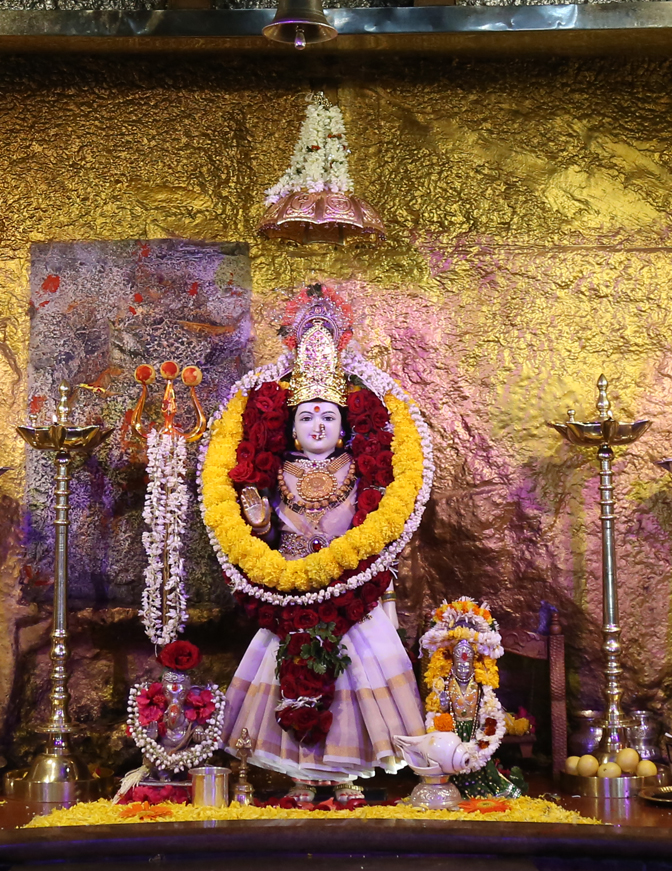
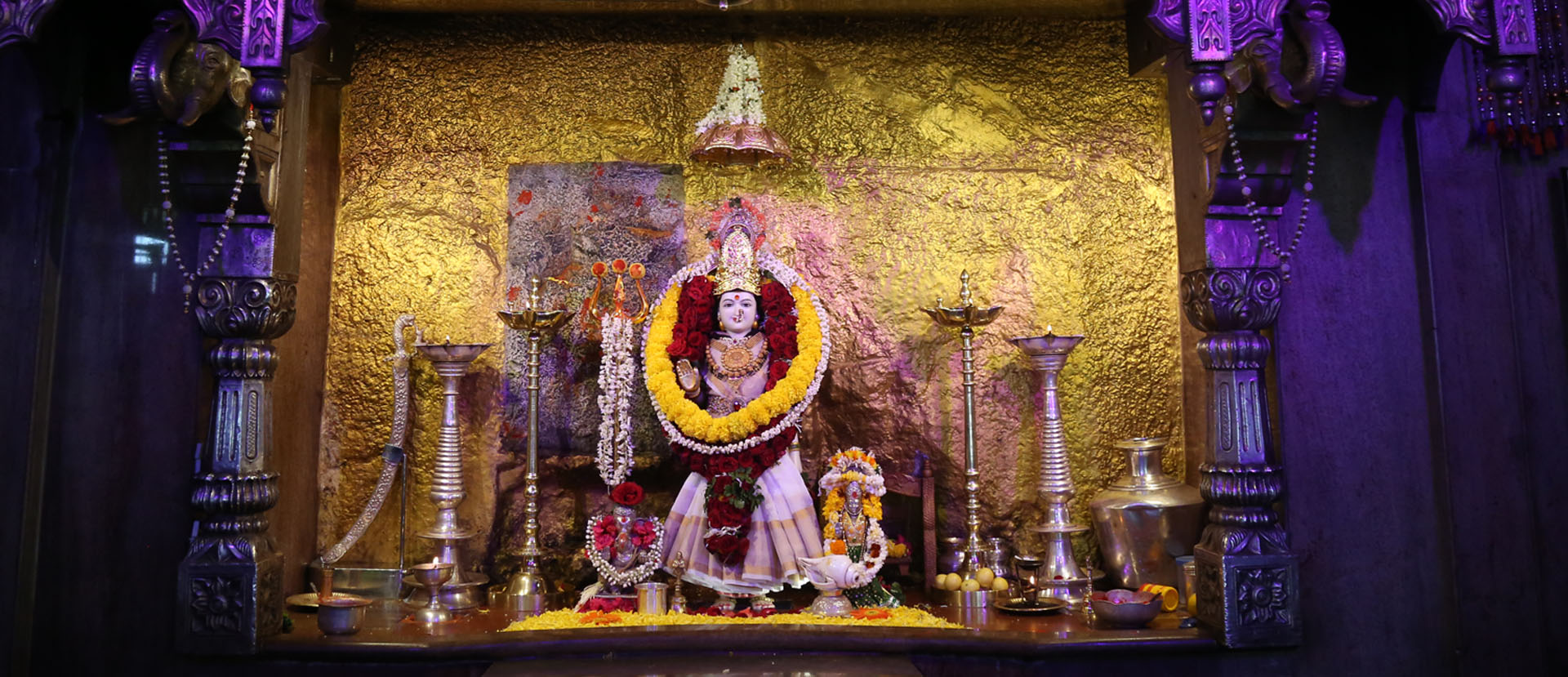
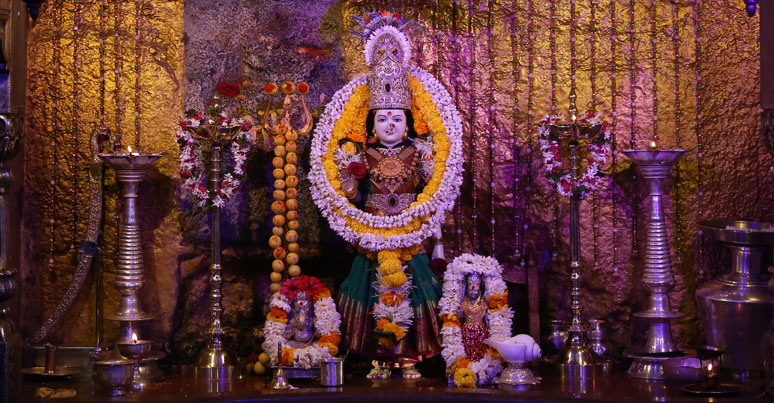
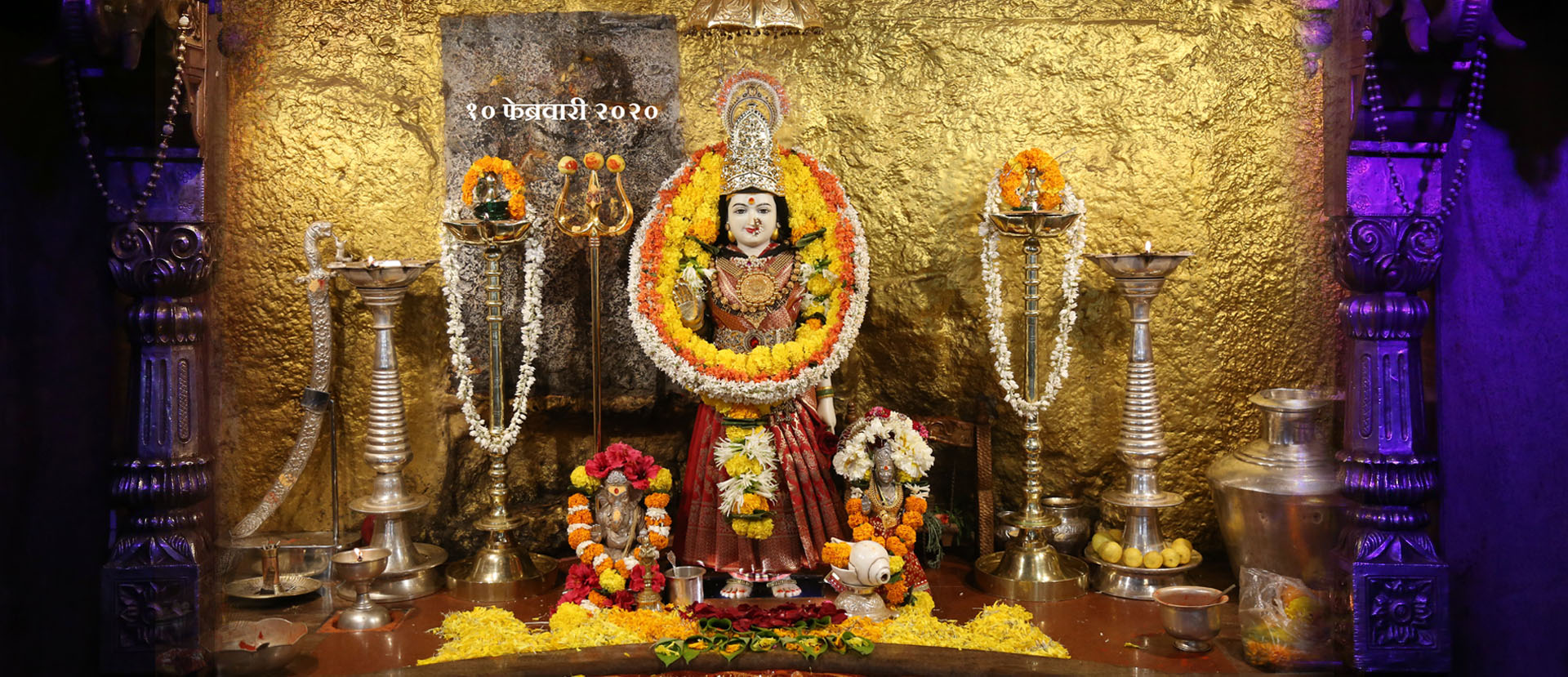
Jivdani Mata
About Jivdani Mata
The temple's origins are tied to the Jivdhan fort that once stood on the hill. The exact circumstances of the temple's establishment within or after the fort's period are not detailed in available sources, but the 17th-century dating places it in a period of significant religious and military construction across western India. The ancient caves found on the hill suggest the site held spiritual importance long before the modern temple structure. Visitors ascending the hill encounter these remnants of earlier occupation, which add texture to the pilgrimage experience and connect present-day worship to the site's layered past.
Daily Worship and Darshan
The temple opens for darshan from 05:30 in the morning until 19:30 in the evening, accommodating both early risers and those visiting after work. Three aartis (ritual worship ceremonies) structure the day: the morning aarti at 05:30, the afternoon aarti at 12:00, and the evening aarti at 19:30. These ceremonies invite devotees to participate in collective worship and receive the deity's blessings. The morning aarti coincides with temple opening, making it an accessible time for those seeking to begin their day with worship. The evening aarti, held at sunset, draws many visitors and creates a contemplative atmosphere as daylight fades.
Visiting the Temple
Visitors should plan to arrive during the stated darshan hours, with particular attention to the aarti timings if witnessing the ceremonies is important to them. The temple is located at coordinates 19.46651111, 72.82769444, making it accessible via GPS navigation. As with most Hindu temples, visitors should dress modestly and remove footwear before entering the sanctum. The climb to Jivdani Hill requires reasonable physical fitness; those with mobility concerns should assess the terrain beforehand. The site's historical caves and cisterns are worth exploring, though visitors should exercise caution around older structures. No specific information about facilities such as parking, refreshment areas, or accommodation is available from the sources, so it is advisable to contact the temple directly or check local resources before visiting.
Reaching Jivdani Temple
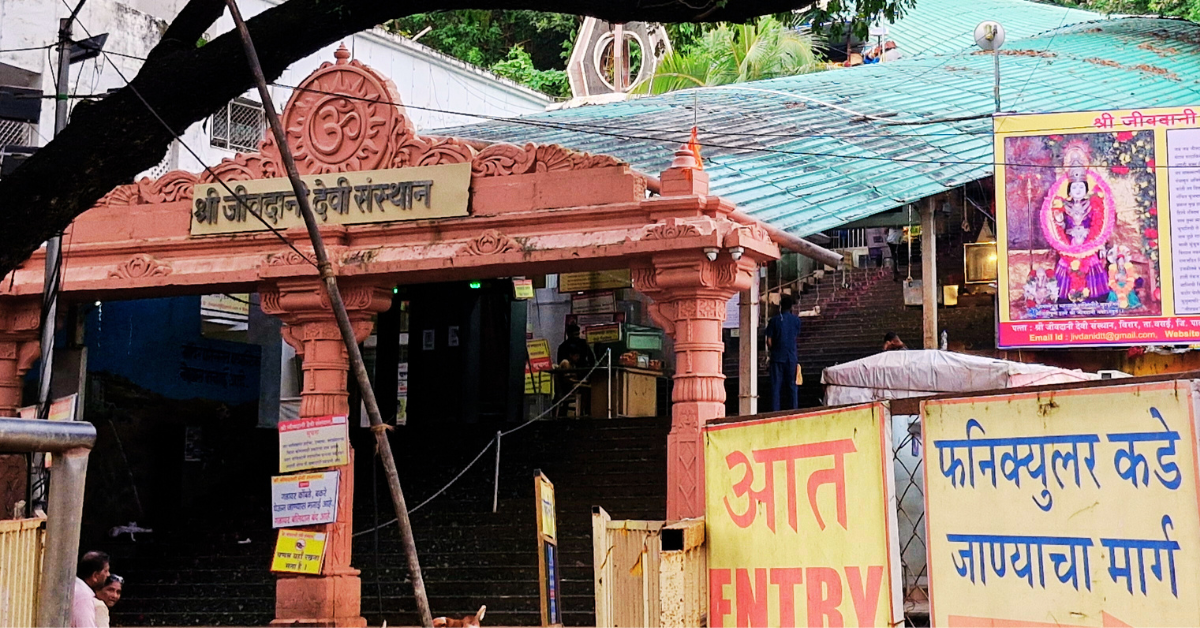
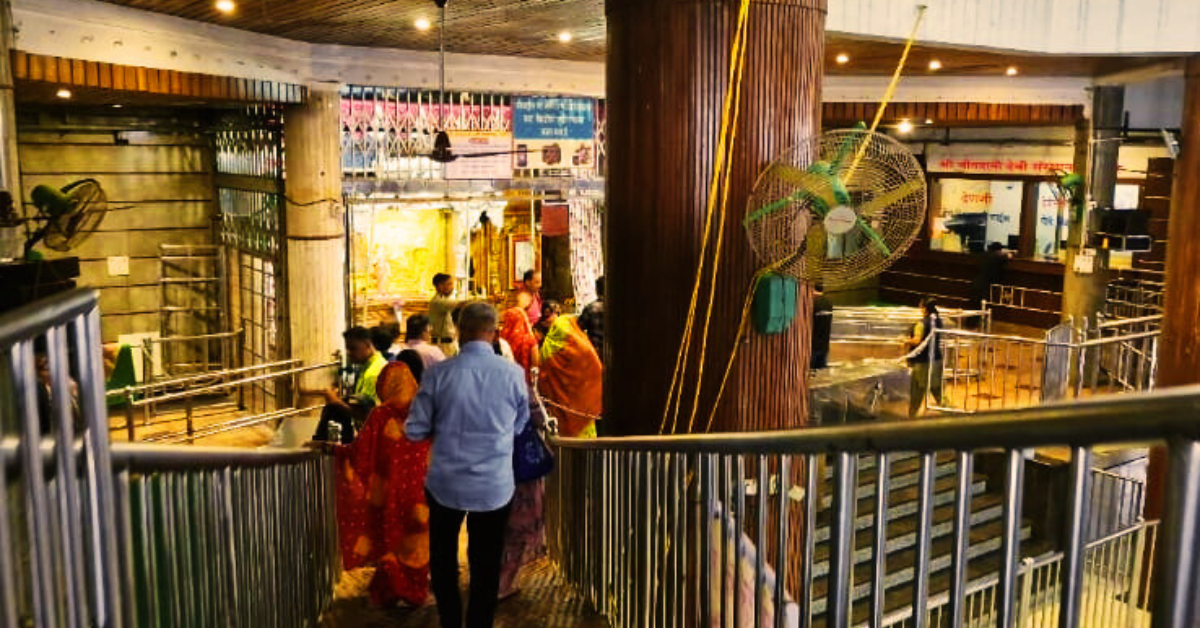
Virar East is located in the northern suburbs of Mumbai, accessible by road and rail. The temple's position on a hill means visitors will need to climb after arriving at the base. Those traveling from central Mumbai can use local transport to reach Virar, then make their way to Jivdani Hill. The exact route and transport options are best confirmed with local guides or the temple authorities, as detailed directions are not provided in available sources.
Spiritual Significance
Jivdani Devi is venerated as a goddess, and the temple functions as a pilgrimage site for devotees seeking her blessings. The combination of the ancient fort, the caves, and the temple creates a space where history and devotion intersect. For many visitors, the climb itself forms part of the spiritual practice, a physical act of effort that accompanies the inner journey of worship. The temple's location on a hill, overlooking the surrounding landscape, has long made such sites natural focal points for religious practice across Hindu tradition.
How to reach
Temples near Jivdani Mata
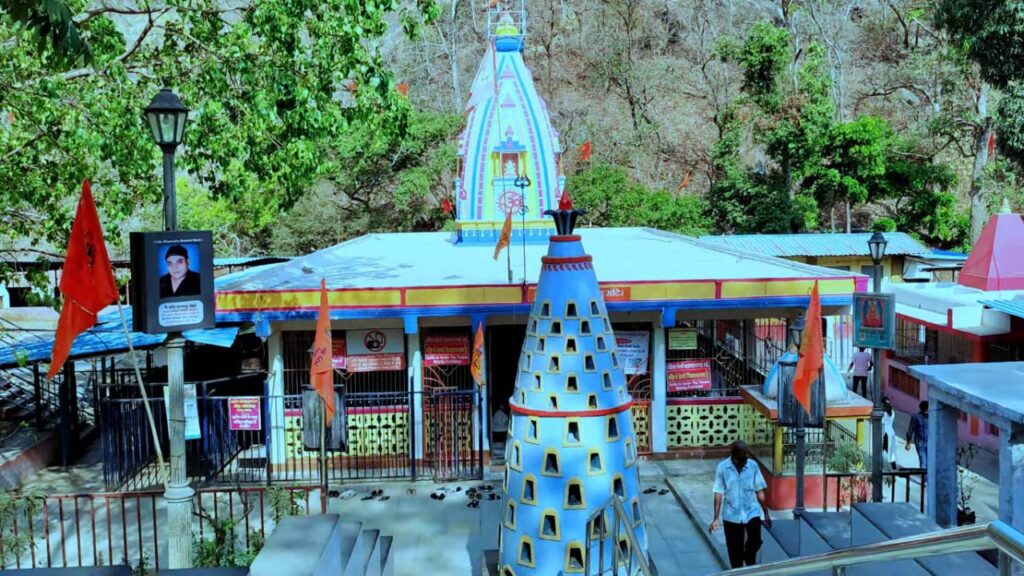
Tungareshwar Temple
Tungareshwar Temple is a revered hilltop shrine dedicated to Lord Shiva, nestled within the Tungareshwar Wildlife Sanctuary in Maharashtra's Western Ghats, offering both spiritu…
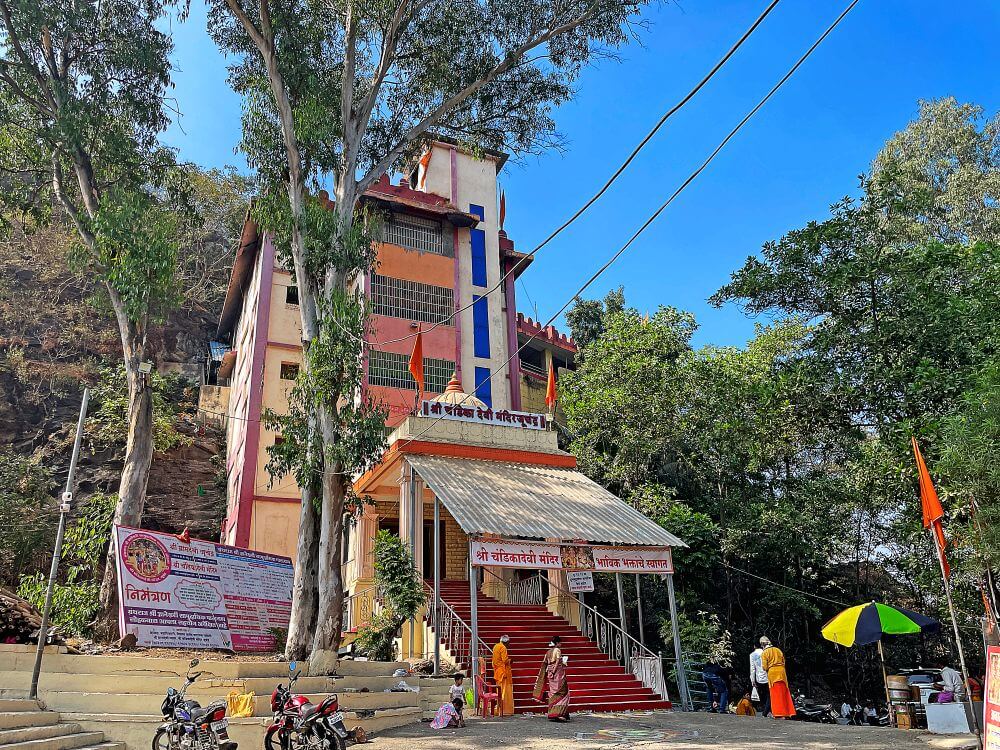
Chandika Devi Temple, Juchandra
Chandika Devi Temple in Juchandra, Thane District, is a hilltop shrine dedicated to Goddess Chandika, a form of Durga, revered for spiritual significance and traditional rituals…
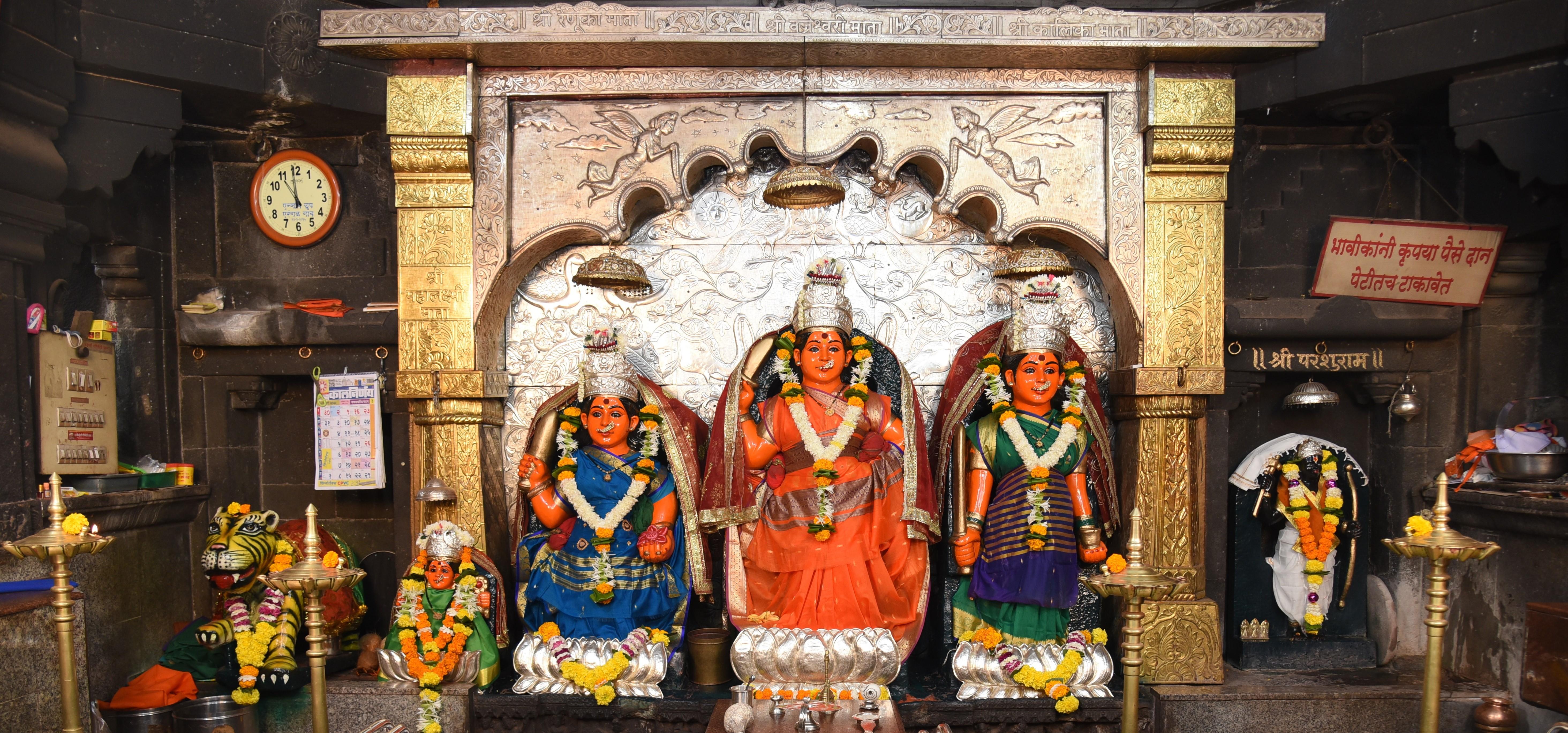
Vajreshwari Temple
Vajreshwari Yogini Devi Temple is a Hindu goddess temple located in Vajreshwari town, Thane district, Maharashtra, situated on a volcanic hillock surrounded by natural hot sprin…

Vithal Rakhumai Mandir
Sri Vittal Rakhumai Mandir in Mumbai is a Hindu temple dedicated to Lord Vittal and Goddess Rakhumai, established around 2004 and affiliated with the Kashi Math Samsthan.

Shree Balaji Mandir
Shree Balaji Mandir in Charkop, Kandivali (West), Mumbai is a Vaishnava temple dedicated to Lord Venkateshwara, claimed to be his second sacred abode after Tirupati.

Wagheshwari Temple
Wagheshwari Temple in Mumbai's Goregaon East is dedicated to Goddess Bhagwati, revered as an incarnation of Durga or Saraswati in her form as Vagdevi.