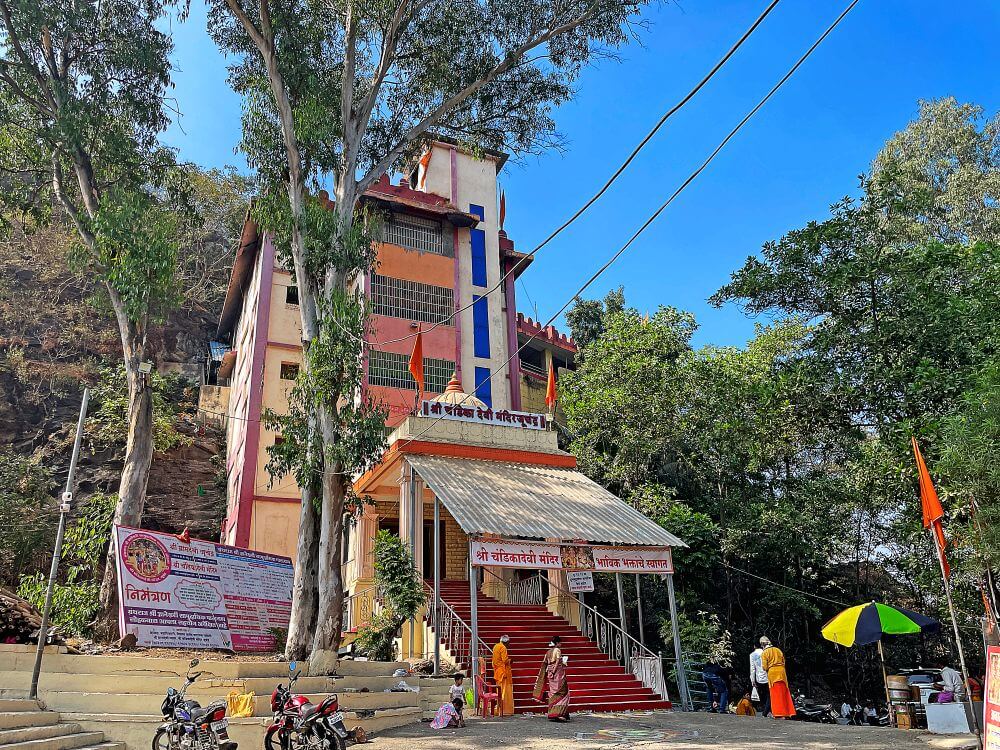
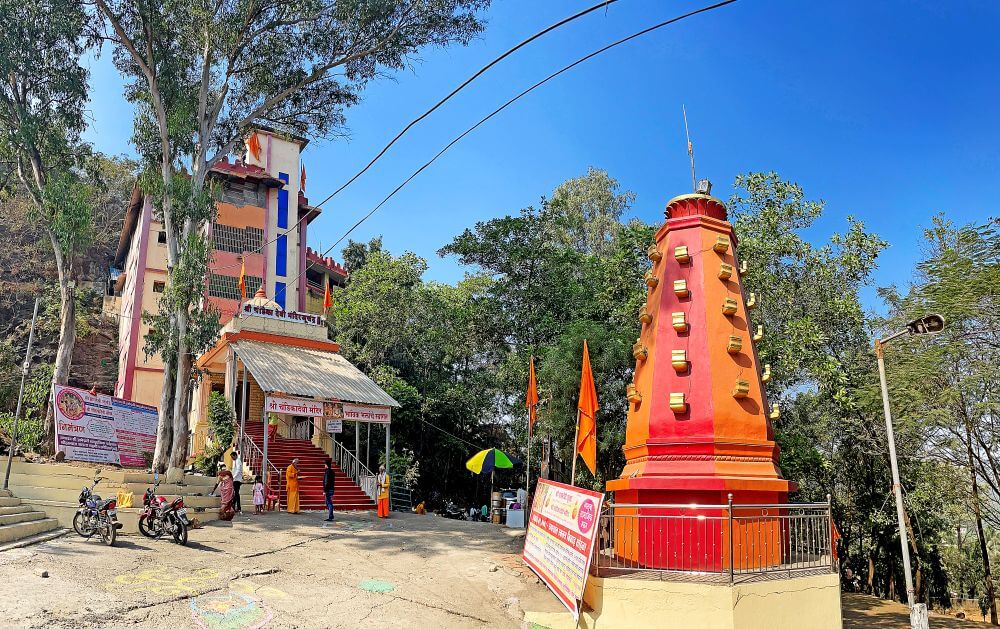
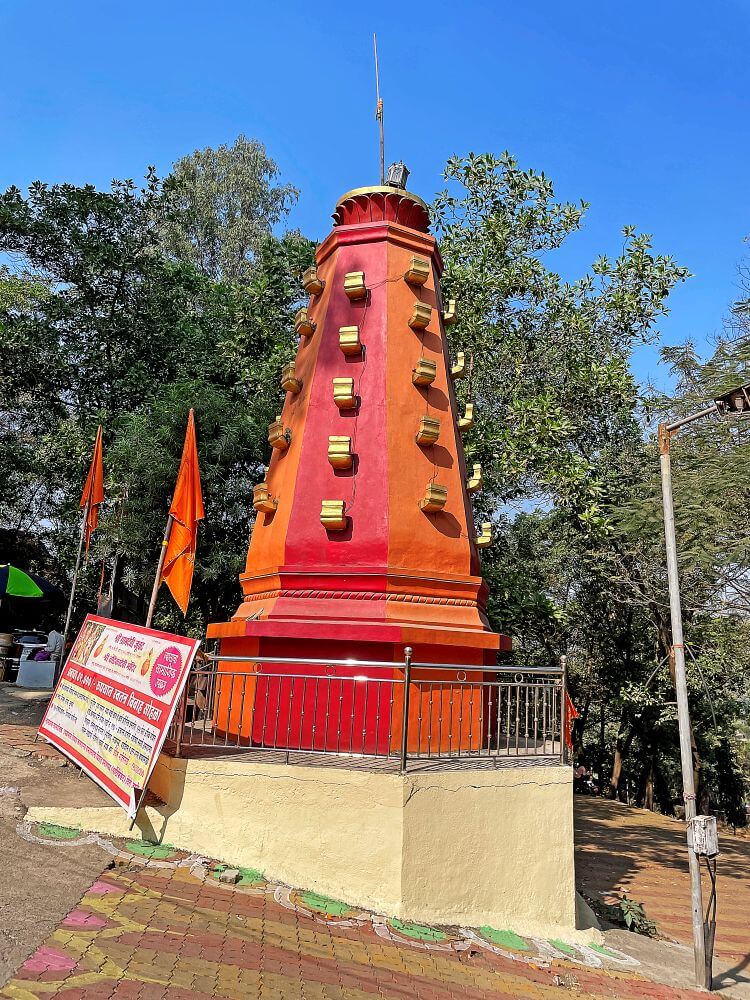
Chandika Devi Temple, Juchandra
About Chandika Devi Temple, Juchandra
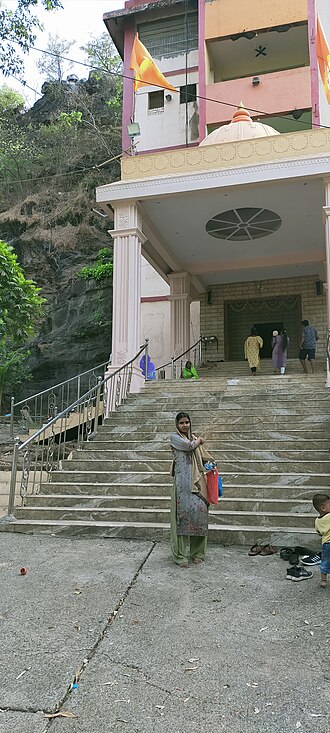
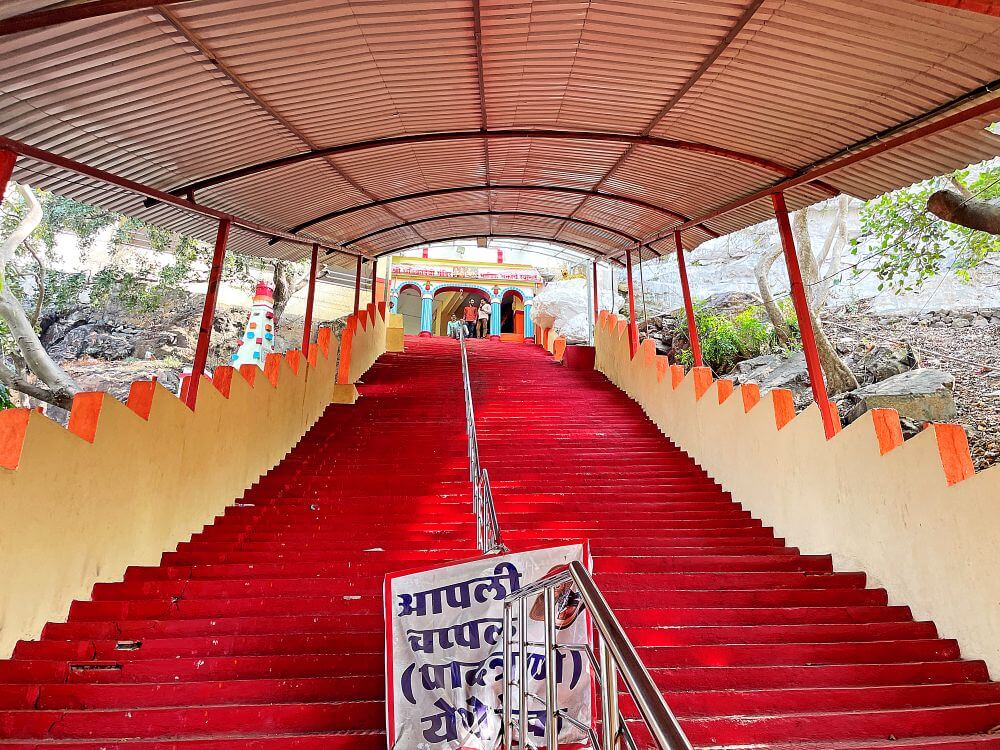
The temple remains open throughout the day and welcomes visitors at any hour. The hilltop location requires visitors to undertake a climb to reach the shrine, so comfortable footwear for the ascent is advisable, particularly during warm weather or if mobility is a consideration. Modest dress is customary at Hindu temples; women typically wear salwar kameez, sarees, or conservative clothing, while men wear simple shirts and trousers or traditional kurtas. Shoes are generally removed before entering the inner sanctum, though it is wise to observe the practice of other devotees upon arrival. Photography policies are not specified in available sources; courtesy suggests seeking permission before photographing the deity or ritual activities.
The temple's coordinates (19.36027777777778, 72.88166666666666) can be entered into mapping applications for navigation. Those with specific questions about rituals, puja timings, or arrangements may contact the temple office at +91-7030999045. Respectful behavior—maintaining silence in the sanctum, following the lead of other worshippers, and treating the space as sacred—is essential to the devotional atmosphere.
Navratri: The Festival Season
Navratri, the nine-night festival honoring the goddess in her various forms, transforms the temple into a center of heightened spiritual activity. During this period, special poojas and aartis are conducted with greater frequency and elaboration than at other times of year. Cultural events and gatherings of devotees mark the festival, making it the most vibrant season at the shrine. For those able to visit during Navratri, the temple offers an experience of collective devotion and traditional celebration that defines worship at goddess temples across India. This festival represents the optimal time to witness the temple's full ceremonial life, though the shrine welcomes devotees throughout the year.
Daily Worship and Rituals
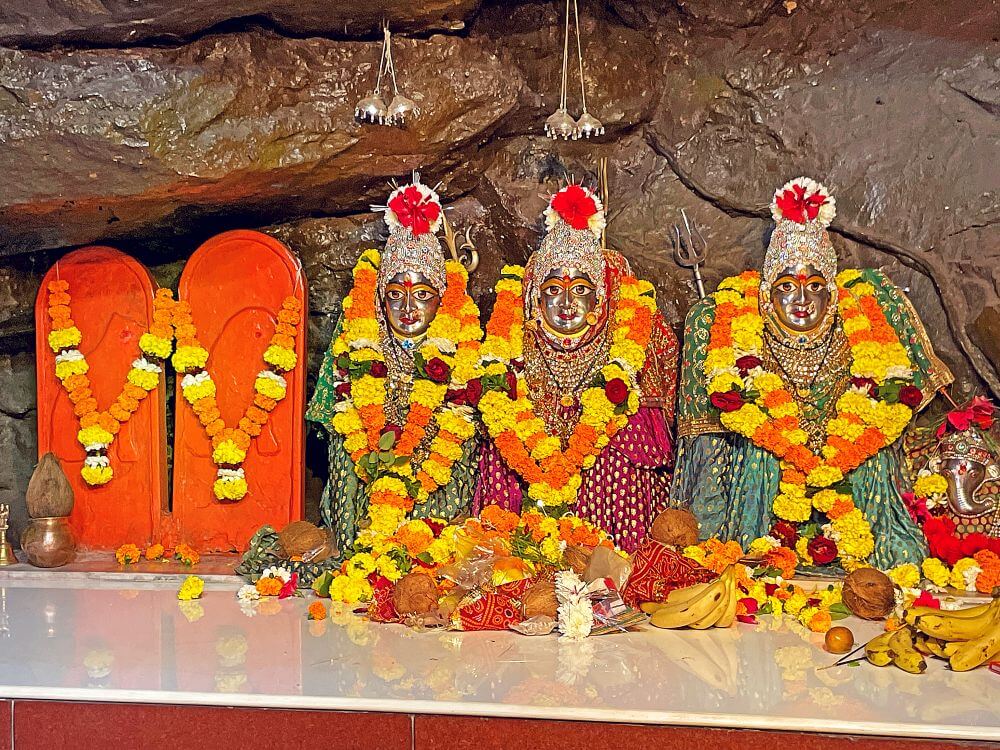
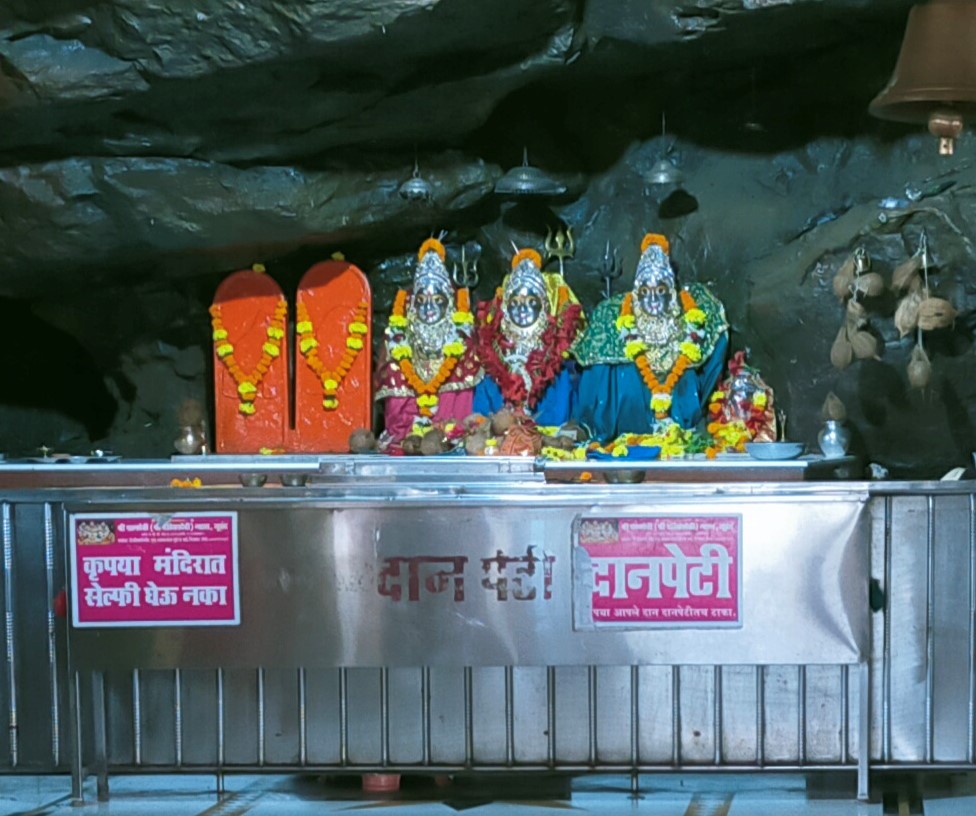
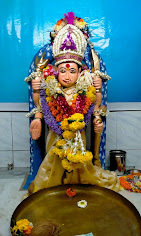
The temple maintains traditional ritual practices centered on the worship of Goddess Chandika. While specific details of daily aarti timings and puja schedules are not fully documented in available sources, the shrine conducts regular worship according to Hindu temple tradition. Devotees visit to participate in darshan—the viewing and receiving of blessings from the deity—and to engage in meditation and devotional activities. The serene surroundings of the hilltop location provide a peaceful setting for spiritual practice.
Getting There
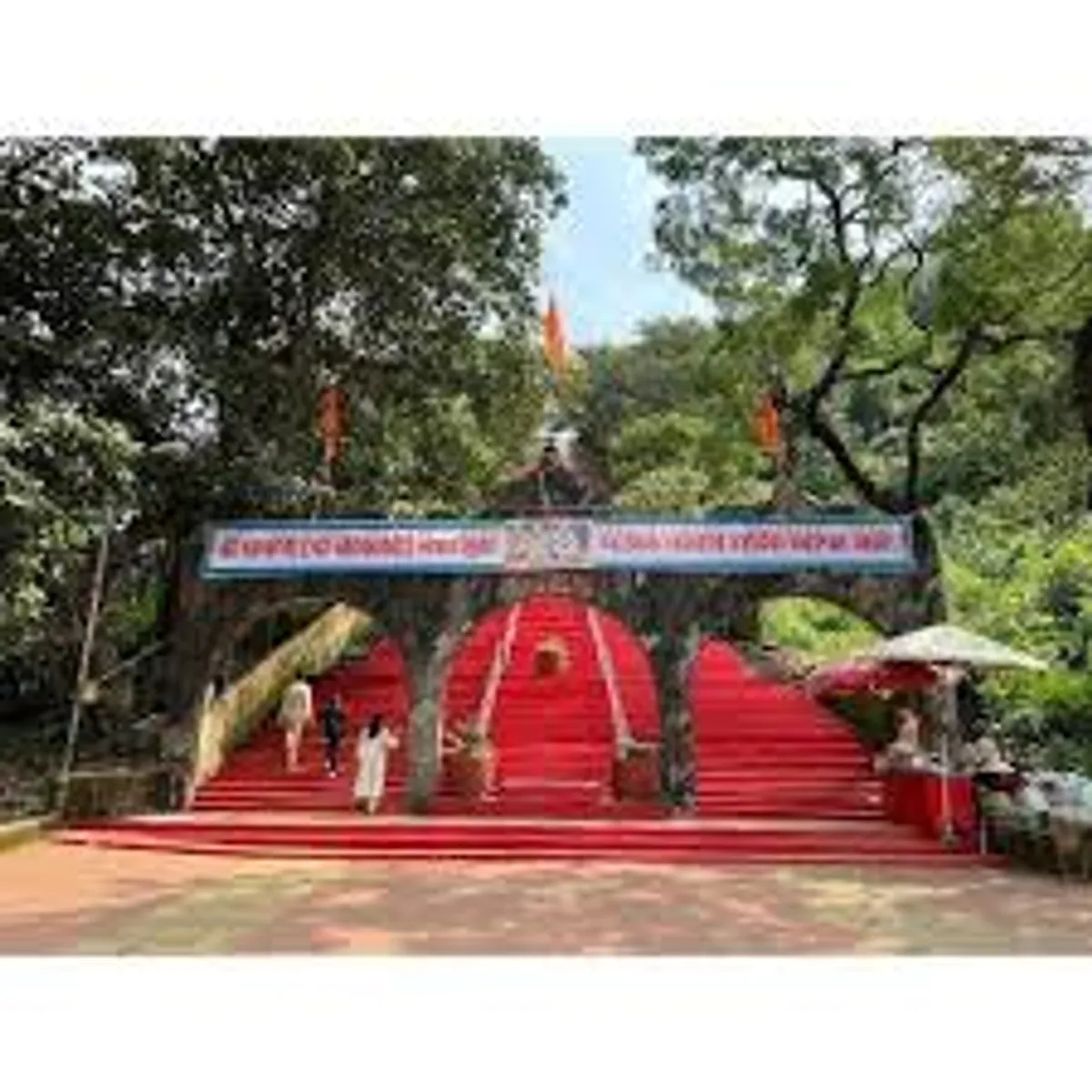
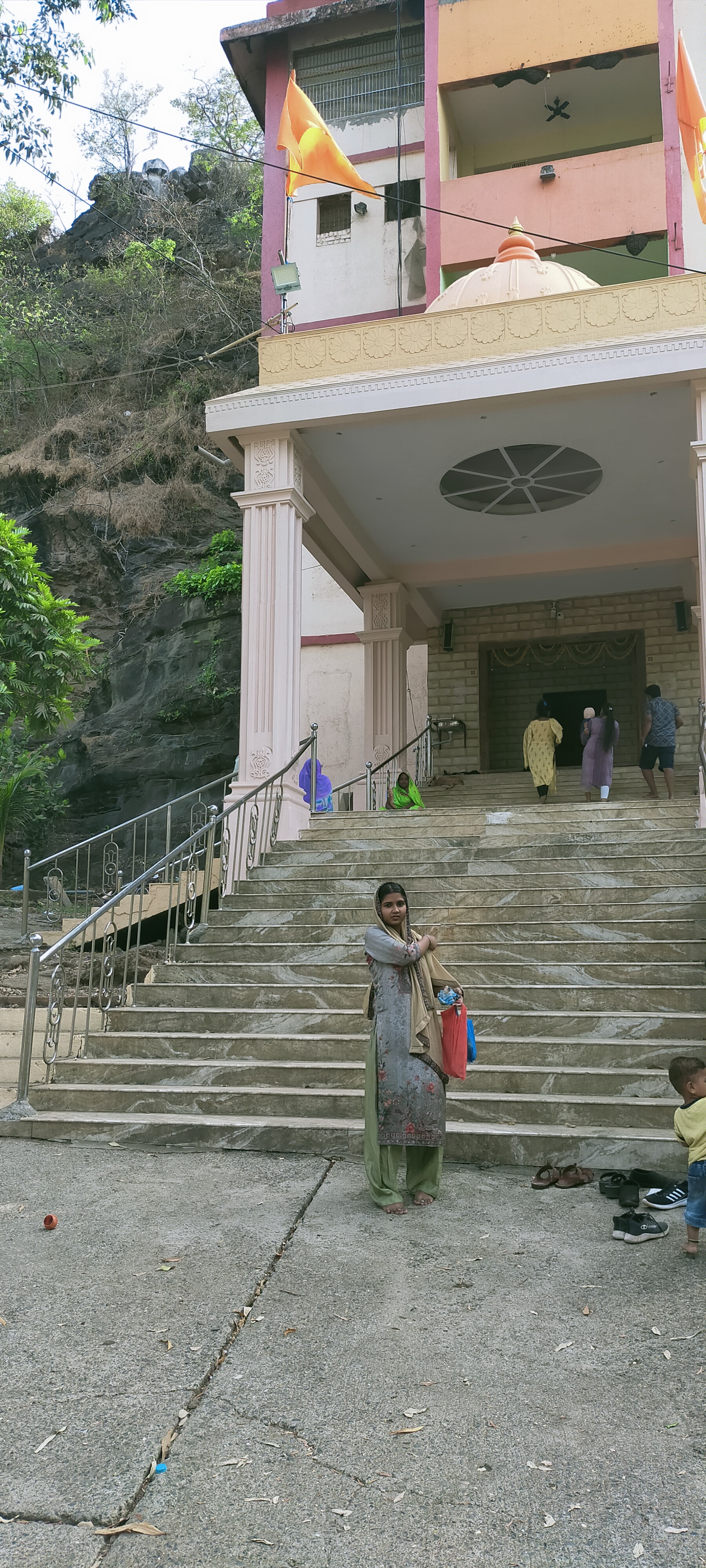
Juchandra village is situated in Thane District, Maharashtra, accessible from Mumbai and surrounding areas. The village's proximity to Vasai and Naigaon provides reference points for navigation. Those traveling by personal vehicle can use the temple's GPS coordinates with mapping applications. Public transport options connecting to the village should be verified locally, as detailed transit information is not available in current sources. Visitors should allow additional time for the climb to the hilltop shrine itself when planning their visit.
How to reach

You may also visit
Kalyanji Temple
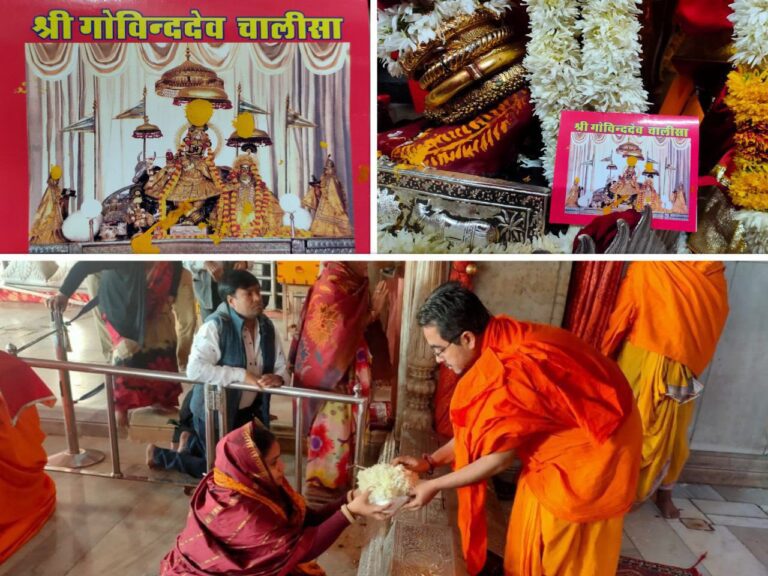
Kalyanji Temple in Jaipur's Chandpol Bazaar is approximately two centuries old and renowned for displaying the twenty-four avatars of Krishna, visible only twice yearly during Akha Teej and Patottsav festival.
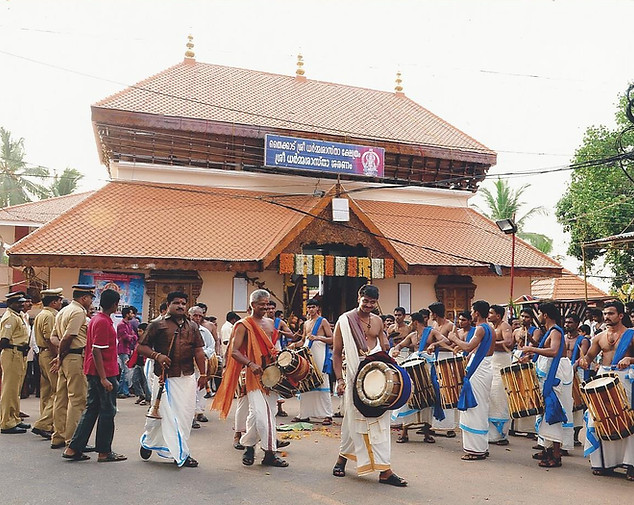
Sastha (Ayyappan) Temple
Sree Dharma Sastha Temple in Thycaud, Thiruvananthapuram, is a centuries-old shrine where the deity manifests as Dhanwanthari, the divine healer, holding the sacred blue lotus.
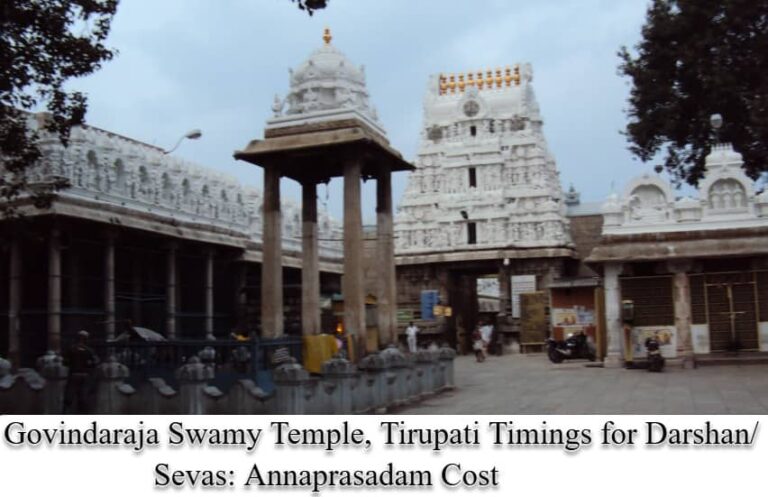
Govindarajaswamy Temple
Sri Govindarajaswamy Temple in Tirupati is an ancient Vaishnavaite shrine consecrated in 1130 AD by Saint Ramanuja, where the presiding deity rests in eternal Yoga Nidra on the serpent Adisesha.