
Shree Balaji Mandir
About Shree Balaji Mandir
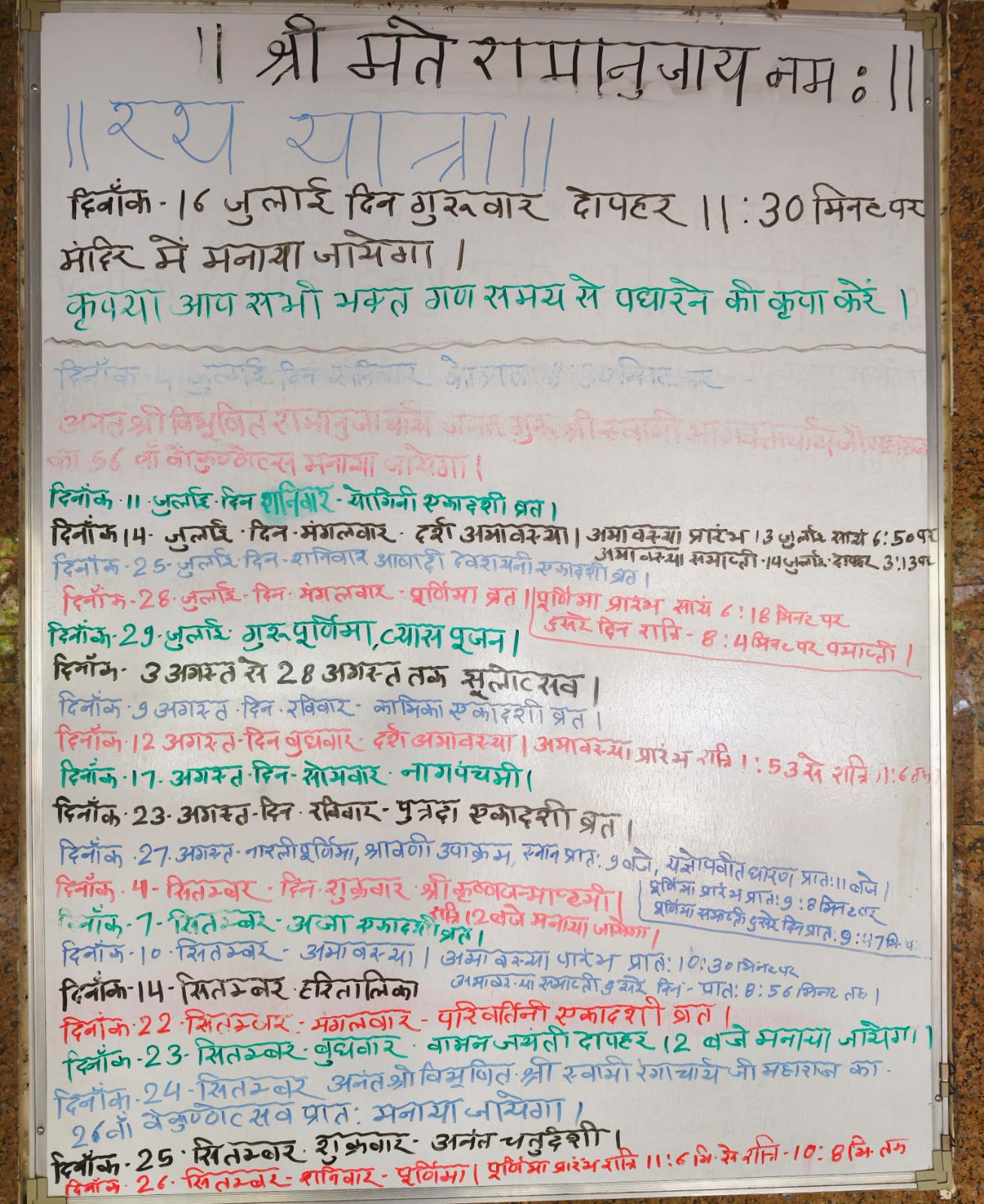
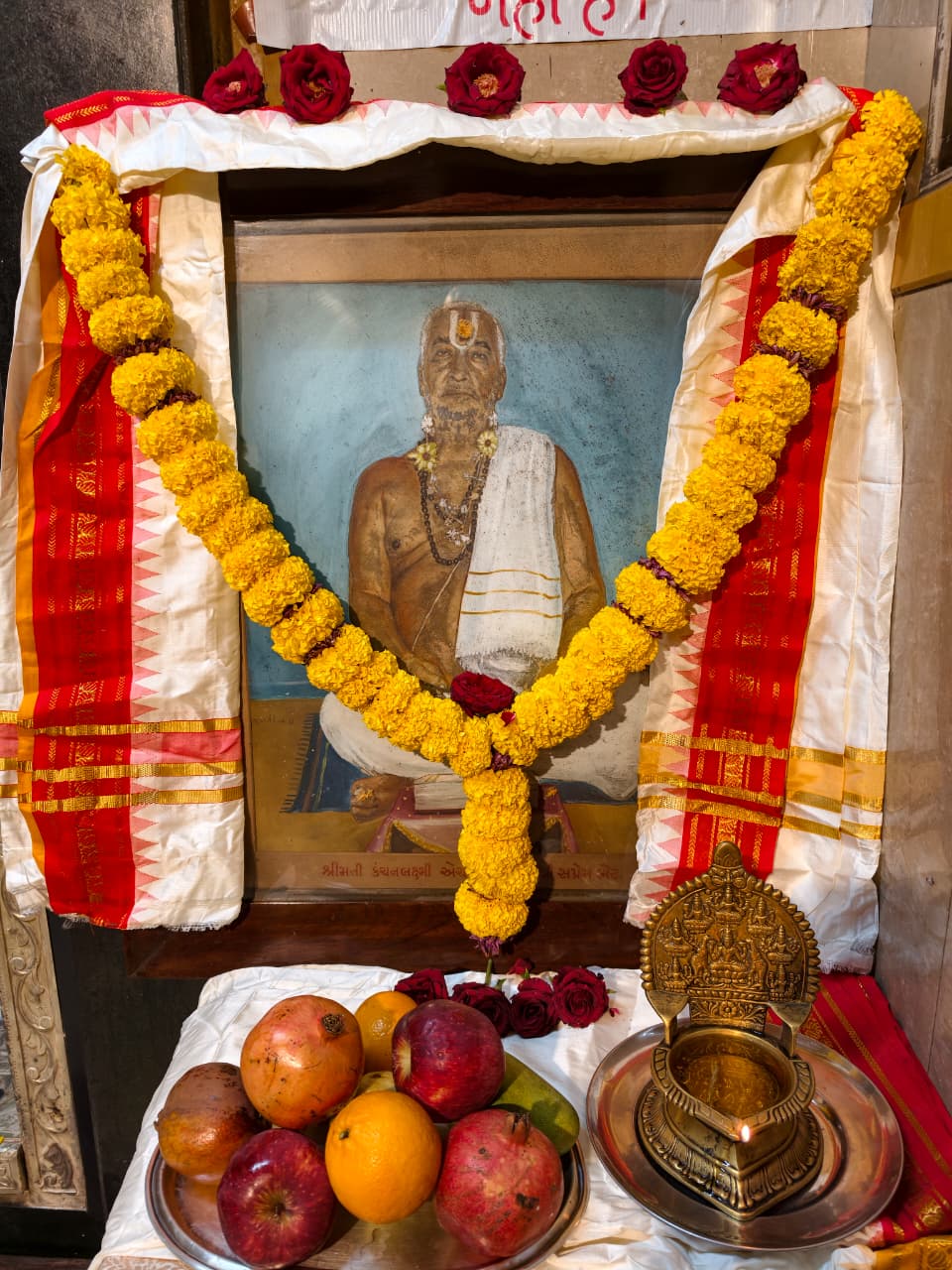
Shree Balaji Mandir operates within the Vaishnava tradition, which emphasizes devotion to Vishnu and his incarnations. Temples of this tradition typically focus on personal devotion, ritual worship, and the recitation of sacred texts. The Vaishnava approach centers on the relationship between the devotee and the divine, with regular darshan (viewing of the deity) and participation in prescribed rituals forming the core of worship.
Visitors of all backgrounds are generally welcomed to participate in darshan and observe the temple's daily activities, though specific ritual roles may be reserved for initiated practitioners.
Daily Darshan and Worship
The temple opens daily for darshan, allowing devotees to view and receive blessings from the deity. Specific timings for Shree Balaji Mandir in Kandivali are not detailed in available sources, so visitors are advised to contact the temple directly before planning their visit to confirm current hours of operation.
Temples dedicated to Lord Venkateshwara typically conduct multiple darshan sessions throughout the day, with morning and evening periods being most significant. Aarti (ritual worship with lamps) and other sevas (ritual services) are generally performed at regular intervals. Many temples in this tradition offer opportunities for devotees to sponsor specific rituals or receive personalized poojas.
Visiting the Temple: Practical Information
Shree Balaji Mandir is located at Charkop in Kandivali (West), Mumbai. The precise address and contact details should be verified before visiting, as these may change or be updated. Visitors are encouraged to call ahead to confirm current darshan timings and any special arrangements.
Dress modestly when visiting—traditional practice suggests removing footwear before entering the inner sanctum and wearing clean, respectful clothing. Many devotees wear traditional attire, though this is not mandatory. Photography policies vary by temple; it is courteous to ask permission before taking photographs inside the shrine.
Donations are typically accepted and support the temple's maintenance and services. Prasad (blessed food offerings) is usually distributed to devotees after worship. Visitors should be prepared for crowds, particularly during morning and evening hours and on weekends.
Getting There
Kandivali (West) is accessible by local transport throughout Mumbai. The temple's location in Charkop places it within the western suburbs, reachable by auto-rickshaw, taxi, or local buses. Those using GPS navigation should enter the coordinates 19.223055555556, 72.830833333333 to locate the temple precisely. Parking availability should be confirmed with the temple, as urban locations in Mumbai often have limited space.
Planning Your Visit
Before visiting, contact the temple to confirm current darshan hours, any festivals or special observances taking place, and whether specific rituals or sevas can be arranged. This is particularly important during major festivals or periods of heightened religious observance, when crowds may be larger and timings may shift.
Visitors should allow at least 30 minutes to an hour for darshan, depending on crowds. Early morning visits typically involve shorter waits. The temple's role as a community center means it remains active throughout the day, offering flexibility for those with varying schedules.
How to reach
You may also visit
Kalyanji Temple
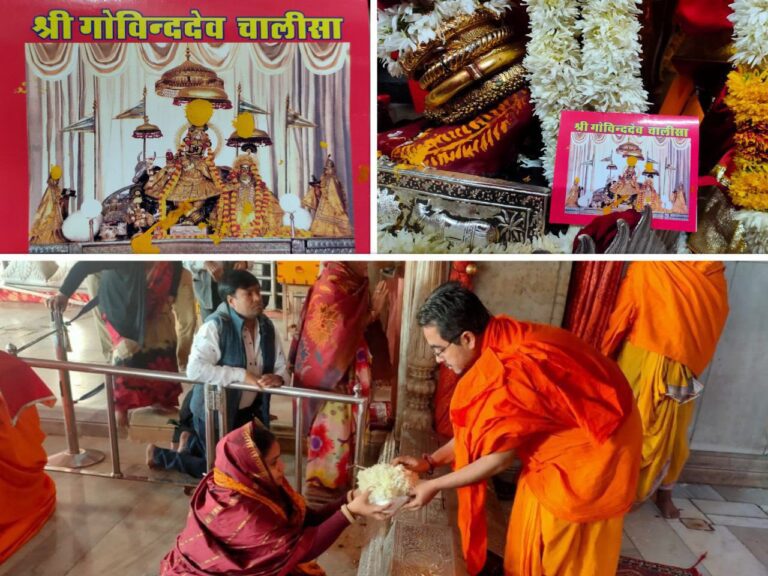
Kalyanji Temple in Jaipur's Chandpol Bazaar is approximately two centuries old and renowned for displaying the twenty-four avatars of Krishna, visible only twice yearly during Akha Teej and Patottsav festival.
Sastha (Ayyappan) Temple
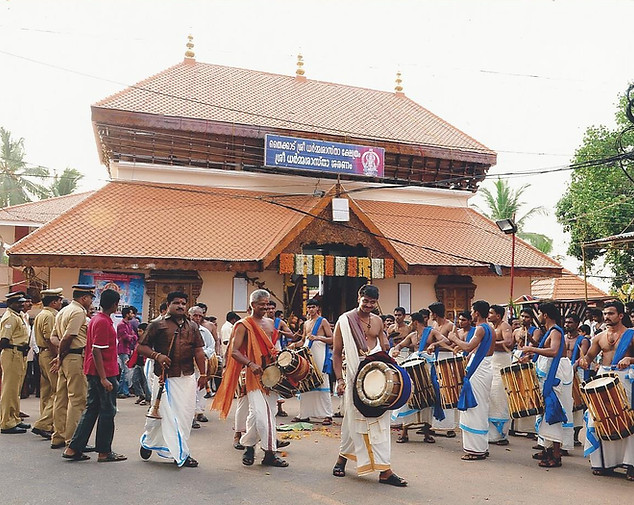
Sree Dharma Sastha Temple in Thycaud, Thiruvananthapuram, is a centuries-old shrine where the deity manifests as Dhanwanthari, the divine healer, holding the sacred blue lotus.
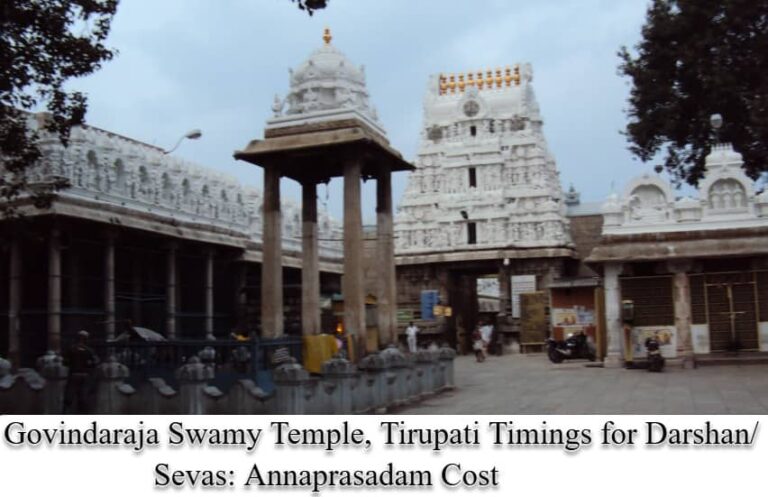
Govindarajaswamy Temple
Sri Govindarajaswamy Temple in Tirupati is an ancient Vaishnavaite shrine consecrated in 1130 AD by Saint Ramanuja, where the presiding deity rests in eternal Yoga Nidra on the serpent Adisesha.