Vajreshwari Temple
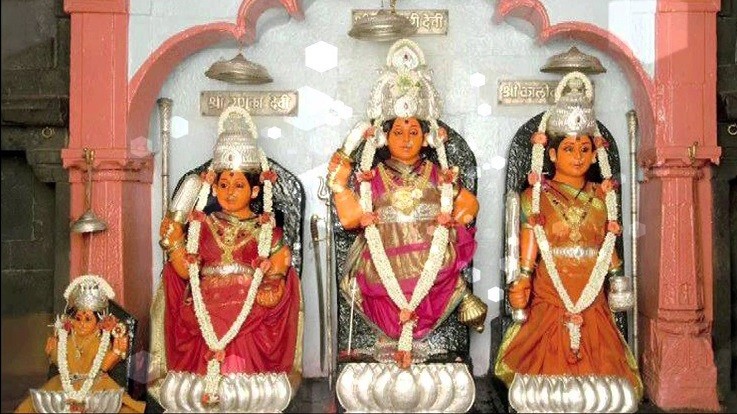
About Vajreshwari Temple
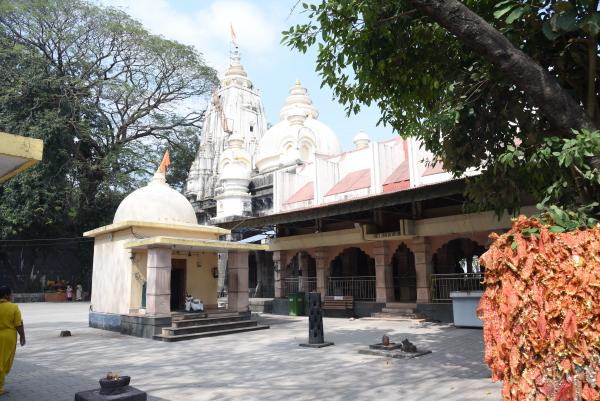
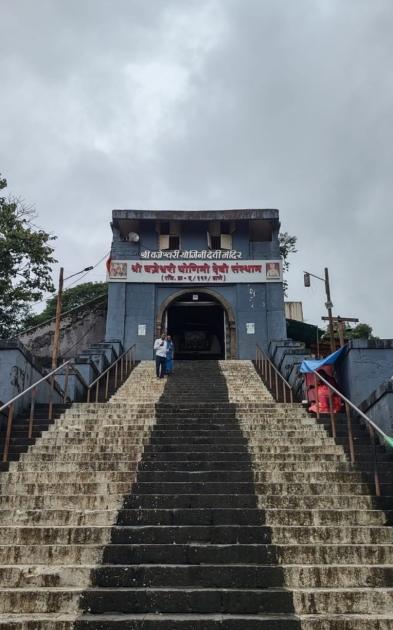
The town of Vajreshwari lies on the banks of the river Tansa. The nearest railway stations are Virar on the Western Railway line, approximately 27.6 kilometres away, and Khadavli on the Central Railway line, roughly 31 kilometres distant. The temple itself is located near the post office in Vajreshwari town, providing a clear landmark for visitors navigating to the site.
The temple opens at 5:30 in the morning and closes following the final evening ritual. Morning darshan is available from 5:30 to 12:00, while evening darshan runs from 16:00 to 21:00. These timings may shift during festival periods, so confirmation is advisable when planning a visit. The cooler months from October through March represent the best season for visiting, offering more comfortable conditions for pilgrimage.
Daily Rituals and Darshan
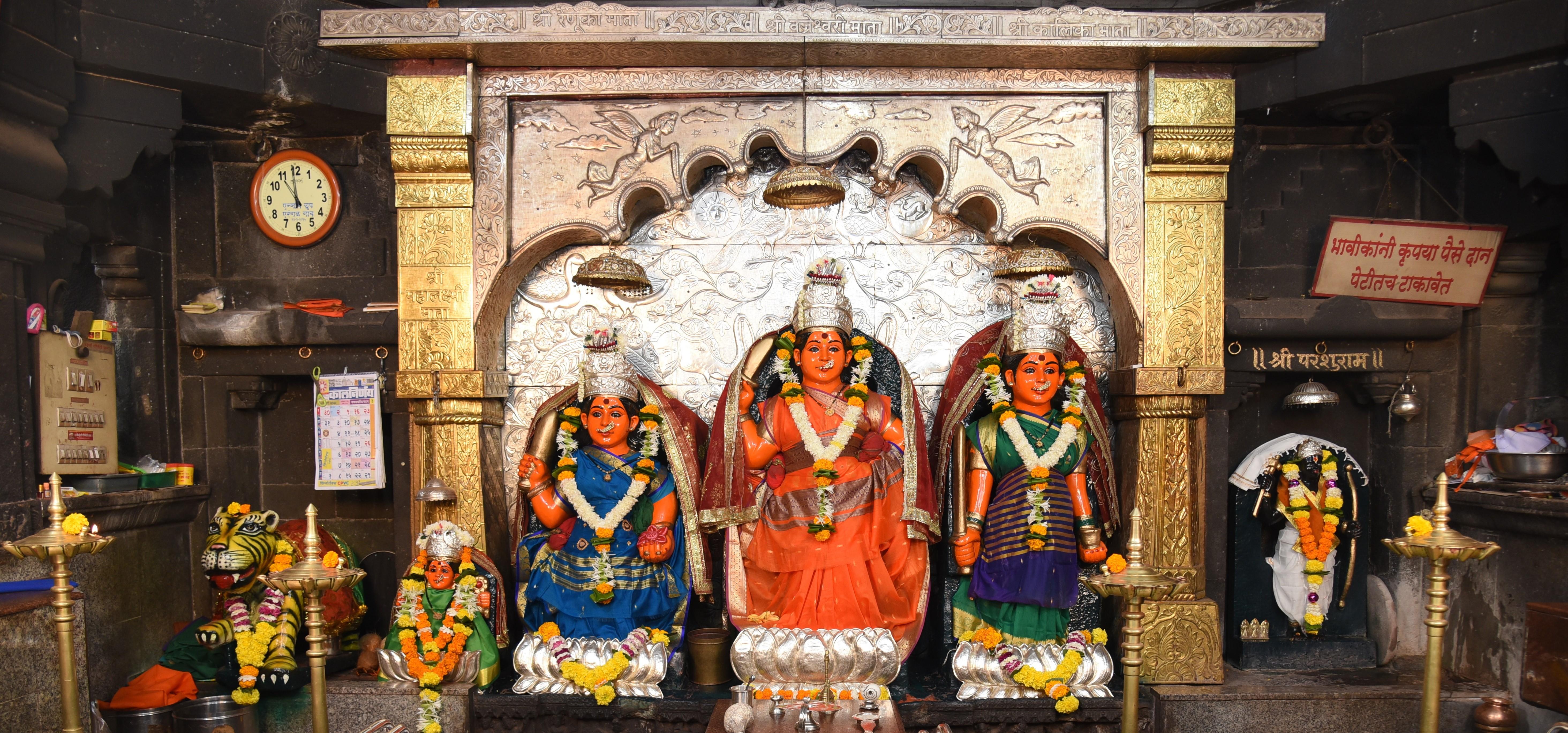
The temple maintains a structured daily schedule of worship. The first ritual of the day is Patra Pooja, performed at 5:30 in the morning as the temple opens. Madhyan Aarti takes place at 11:15, followed by Naivaidhya (offering of food) between 11:30 and noon. In the evening, Padhya Pooja occurs at 19:00, with Aarti at 20:15. The day concludes with Shejarti at 21:00, the final ritual before the temple closes for the night. Devotees should note that these timings are subject to variation during festival observances.
Visitors seeking darshan should plan their visit according to these schedules. The morning period offers the quieter hours immediately after opening, while late morning draws larger numbers of worshippers. Evening darshan provides an alternative for those unable to visit in the morning.
Navaratri Observances
The temple celebrates Navaratri twice annually, aligning with the Hindu lunar calendar. The spring observance runs from the first day of the bright fortnight of Chaitra (typically March) through the ninth day, concluding with Ram Navami. The autumn celebration begins on the first day of the bright half of Ashvin (typically October) and continues through Vijayadashami on the tenth day. These nine-day festivals draw increased numbers of devotees to the temple.
Additionally, on the first day of Vaisakha (typically April), a ceremonial procession takes place in which an image of the goddess is carried in a Palkhi, or palanquin. This ritual marks an important observance in the temple's annual cycle.
Temple Setting and Surroundings
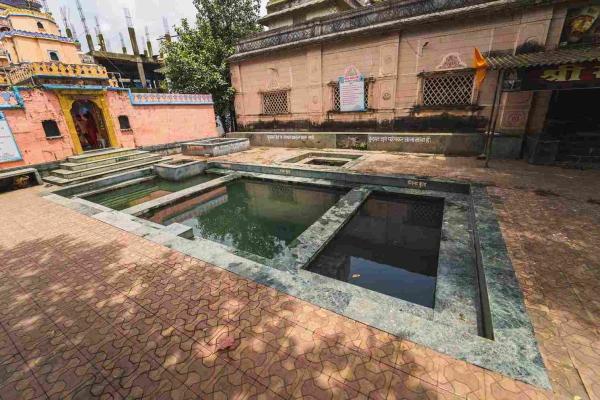
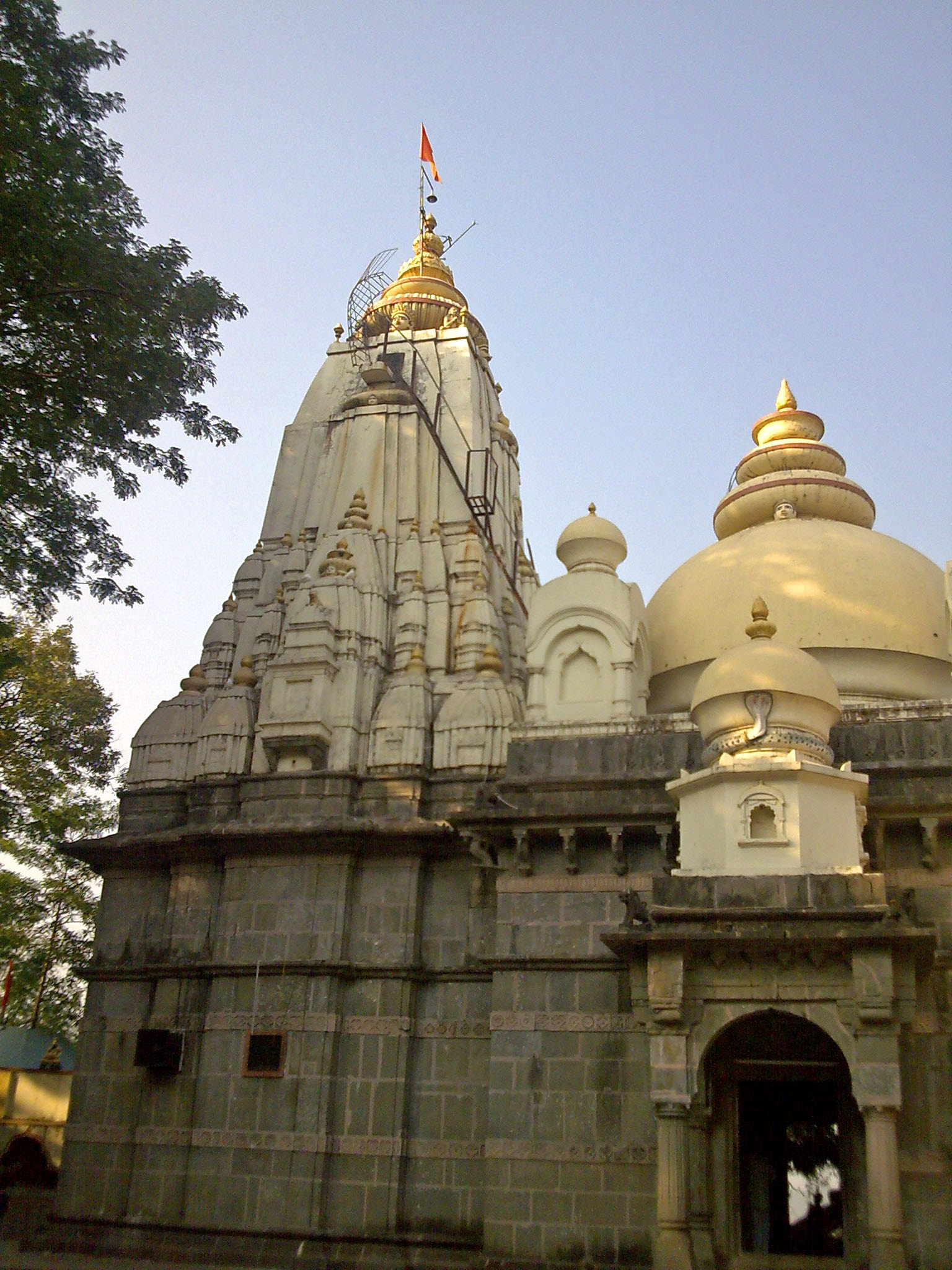
The temple's location on a volcanic hillock surrounded by hills creates a distinctive environment for worship. The geological formation and the presence of natural hot springs distinguish this site from many other temples in the region. The combination of the sacred shrine and the thermal springs has historically drawn pilgrims seeking both spiritual and physical renewal.
The town of Vajreshwari itself serves as the pilgrimage destination, with the temple as its focal point. The proximity of the post office and other town facilities makes the location relatively accessible for visitors requiring basic services.
Visiting Considerations
Devotees should dress modestly when visiting the temple, following standard practice for Hindu places of worship. The thermal springs in the surrounding area are part of the pilgrimage experience, and visitors may wish to plan time for bathing if they intend to use these facilities. Confirmation of exact darshan and aarti timings before arrival is recommended, particularly if visiting during festival periods when schedules may differ from standard timings.
The temple can be reached by road from Mumbai and nearby railway stations. Visitors should allow adequate travel time from their point of origin, particularly if arriving by public transport from Virar or Khadavli stations.
How to reach
Temples near Vajreshwari Temple
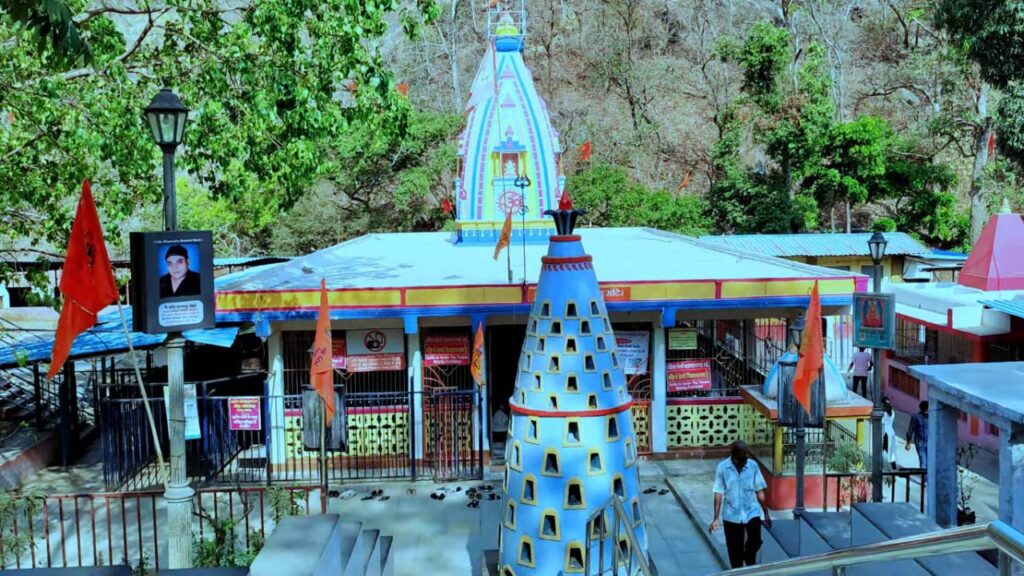
Tungareshwar Temple
Tungareshwar Temple is a revered hilltop shrine dedicated to Lord Shiva, nestled within the Tungareshwar Wildlife Sanctuary in Maharashtra's Western Ghats, offering both spiritu…
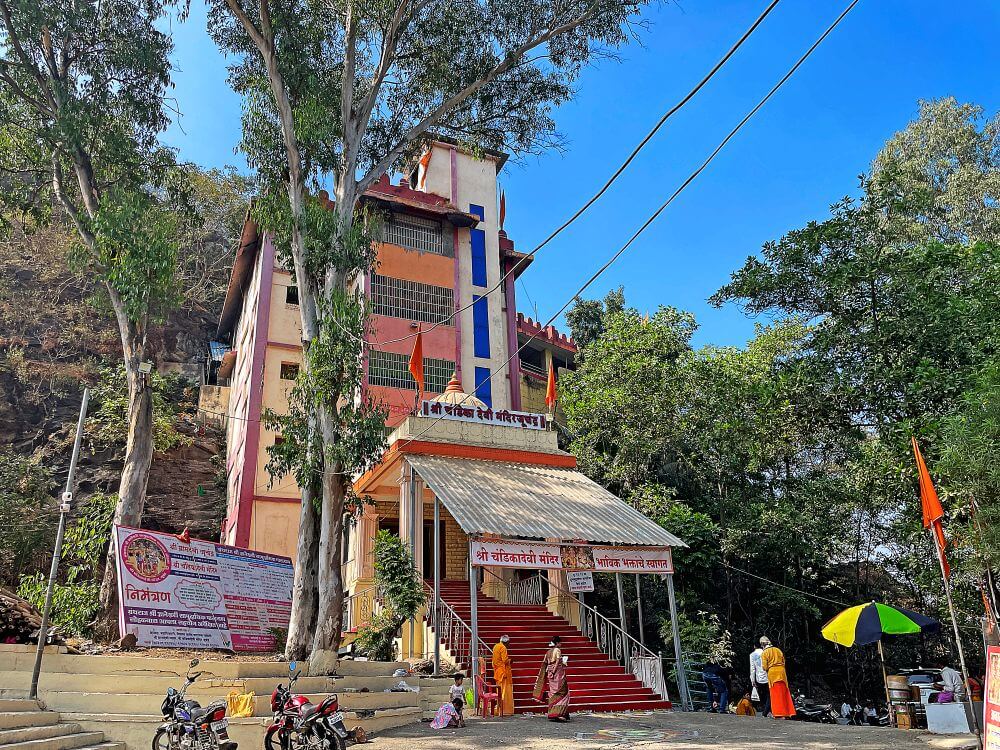
Chandika Devi Temple, Juchandra
Chandika Devi Temple in Juchandra, Thane District, is a hilltop shrine dedicated to Goddess Chandika, a form of Durga, revered for spiritual significance and traditional rituals…
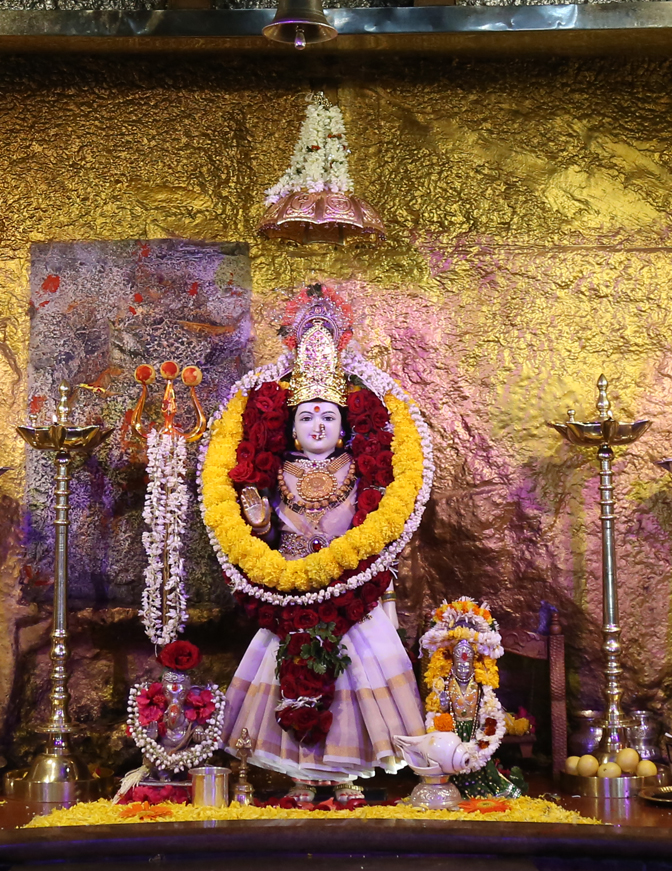
Jivdani Mata
Jivdani Mata temple is an ancient shrine dedicated to the goddess Jivdani Devi, situated atop Jivdani hill in Virar, a suburb of Mumbai. The site contains historical remnants in…

Siddhivinayak Mahaganapati Temple
The Siddhivinayak Mahaganapati Temple in Mumbai's Prabhadevi neighbourhood is dedicated to Lord Ganesha and draws devotees seeking blessings for marriage and reunion of separate…

Vithal Rakhumai Mandir
Sri Vittal Rakhumai Mandir in Mumbai is a Hindu temple dedicated to Lord Vittal and Goddess Rakhumai, established around 2004 and affiliated with the Kashi Math Samsthan.
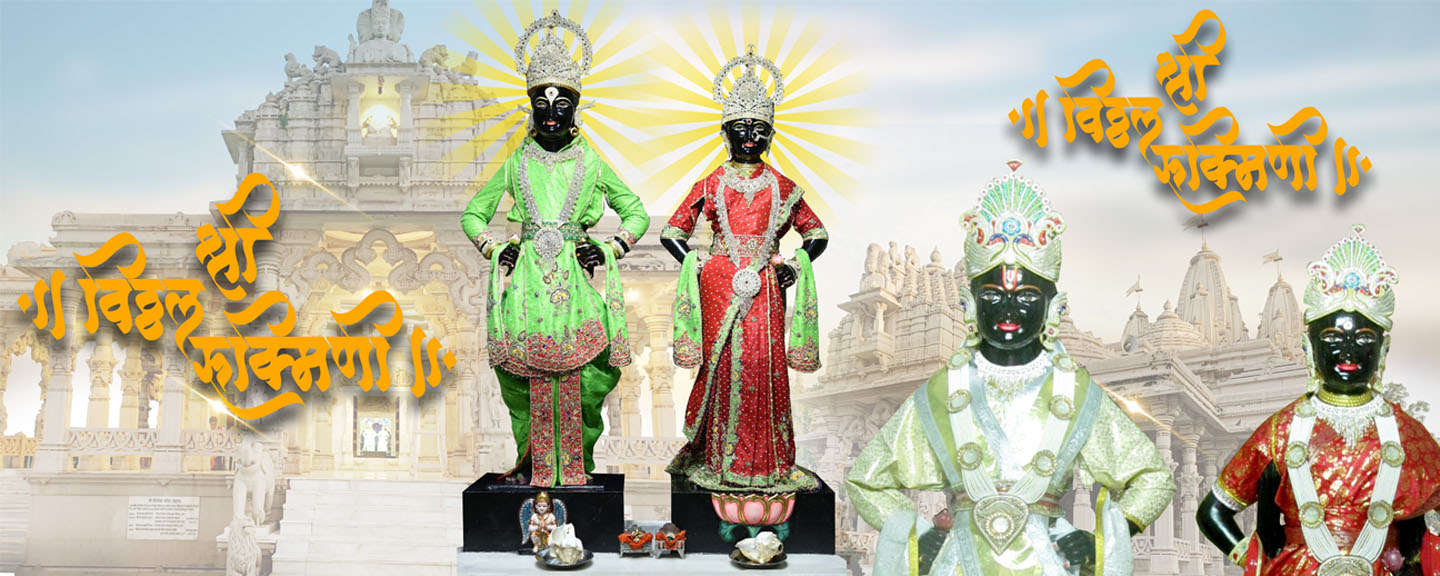
Birla Mandir, Shahad
Birla Mandir in Shahad is a Hindu temple dedicated to Lord Vithoba, celebrated for its striking architecture and scenic setting in Thane district, Maharashtra.