Mandagapattu Gudaivar Temple
About Mandagapattu Gudaivar Temple
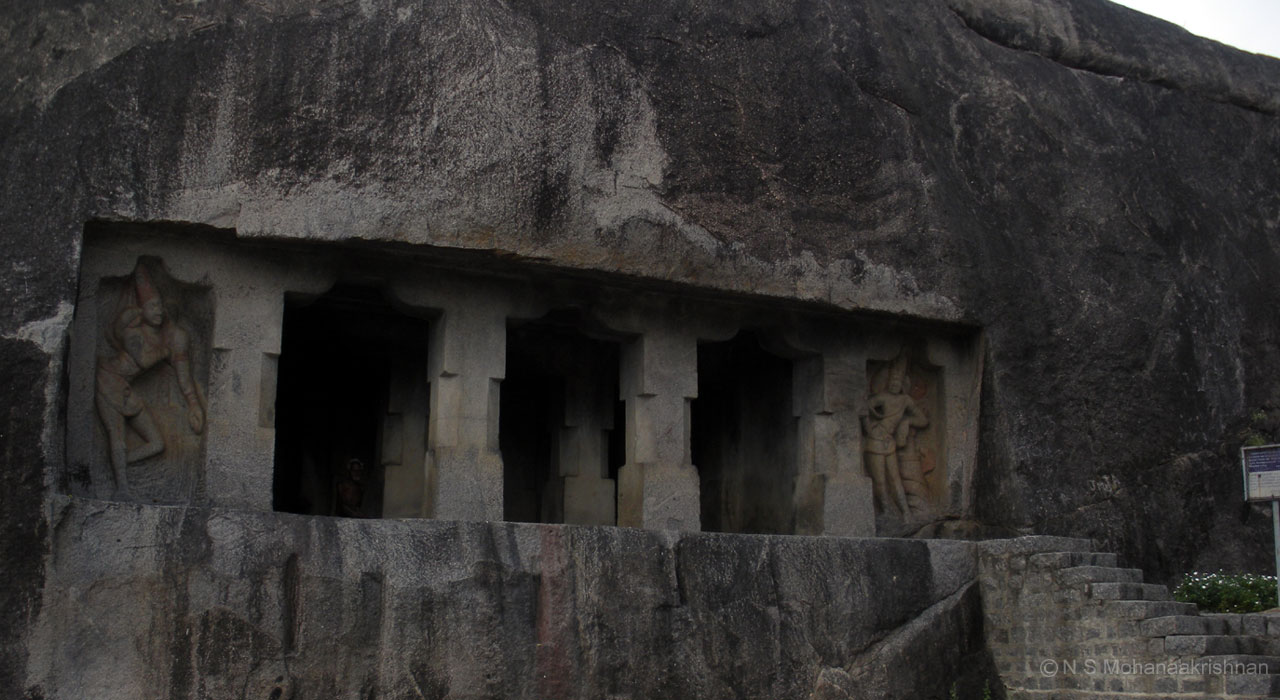
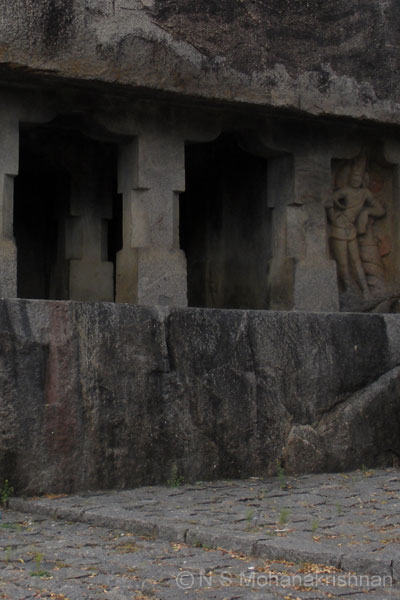
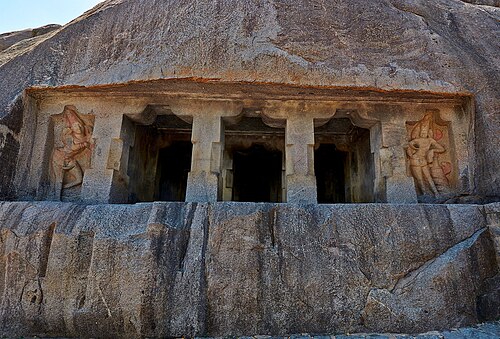
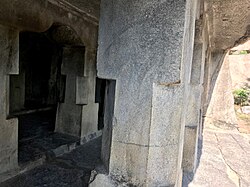
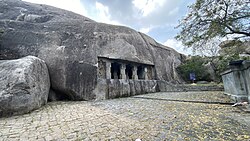
The temple is hewn from the northern face of a large rock formation that overlooks an irrigation tank to the west of Mandagapattu village. The facade recedes deeply into the stone, measuring approximately four feet at its base and two feet at the top. The entrance is framed by pillars and pilasters carved with geometric precision, creating a formal threshold between the outer world and the sacred interior. Two recesses flank the facade, originally designed to house guardian figures (dwara-palas), though these are not symmetrically positioned—a detail that may reflect the experimental nature of early Pallava rock-cut architecture.
The entire structure was created without the use of separate materials: no bricks, no timber framework, no metal fittings, and no mortar. Everything emerges from the single rock mass, making the temple a unified sculptural achievement. This method of construction, while labour-intensive, created a shrine of exceptional durability and spiritual coherence.
Visiting the Temple
The temple is located in Mandagapattu village within Villupuram District, approximately 605203 postal code area. Visitors should be aware that detailed information about current darshan timings, facilities, and accessibility is not comprehensively documented in available sources. It is advisable to contact local authorities or the village administration before planning a visit to confirm access arrangements and any seasonal considerations.
As with most Hindu temples, visitors are expected to remove footwear before entering the sanctum and to maintain respectful behaviour within the sacred space. Modest dress is customary. The rock-cut nature of the temple means the interior may be cool and the floor uneven; appropriate footwear for the approach is recommended.
Historical Significance
Mahendravarman I, who commissioned this temple, was known for his intellectual curiosity—he styled himself as "Vichitrachitta," meaning "curious-minded." This temple represents the first in a series of cave temples he caused to be excavated, establishing a pattern that would influence Pallava religious architecture. Similar inscriptions and dedications appear at other Pallava cave sites, including those at Pallavaram and Tiruchirappalli, suggesting a coordinated programme of temple construction across the kingdom.
The choice to dedicate this inaugural rock-cut temple to the Trinity rather than to a single deity may reflect Mahendravarman's theological interests or the particular spiritual vision he wished to express through stone. The temple thus serves as a window into seventh-century Tamil Nadu's religious thought and royal patronage.
Grantha Script and Inscription
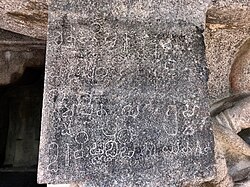
The Sanskrit inscription carved into the temple is written in Grantha script, an ancient writing system used in South India for Sanskrit texts. The inscription's survival across fourteen centuries makes it an invaluable historical document, preserving not only information about the temple's construction but also the language and orthography of the Pallava period. Scholars of Sanskrit epigraphy and South Indian history regard this inscription as a key reference point for understanding the development of written Sanskrit in the Tamil region.
Getting There
Mandagapattu village lies in Villupuram District, Tamil Nadu. The coordinates are 12.1076775°N, 79.4552186°E. Visitors travelling from Chennai or other major centres should plan their route via Villupuram town. Local transport options and the condition of access roads should be confirmed in advance, as detailed visitor infrastructure information is not available in standard sources. The nearest significant town is Villupuram, approximately 30 kilometres away.
How to reach
Temples near Mandagapattu Gudaivar Temple
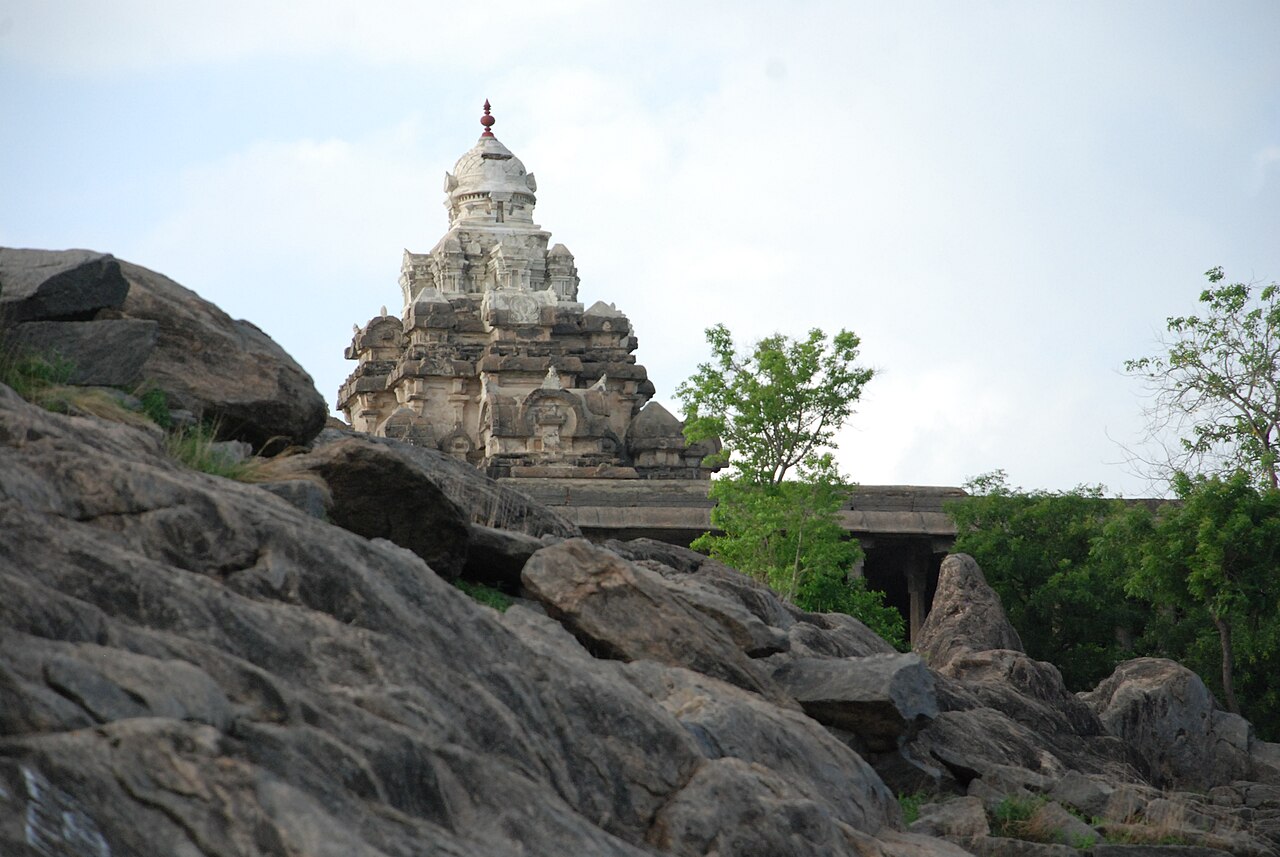
Thalagireeshwarar Temple
Thalagireeshwarar Temple is a Hindu shrine dedicated to Shiva, located in Panamalai village in Viluppuram district, Tamil Nadu. Recognized as a Monument of National Importance,…
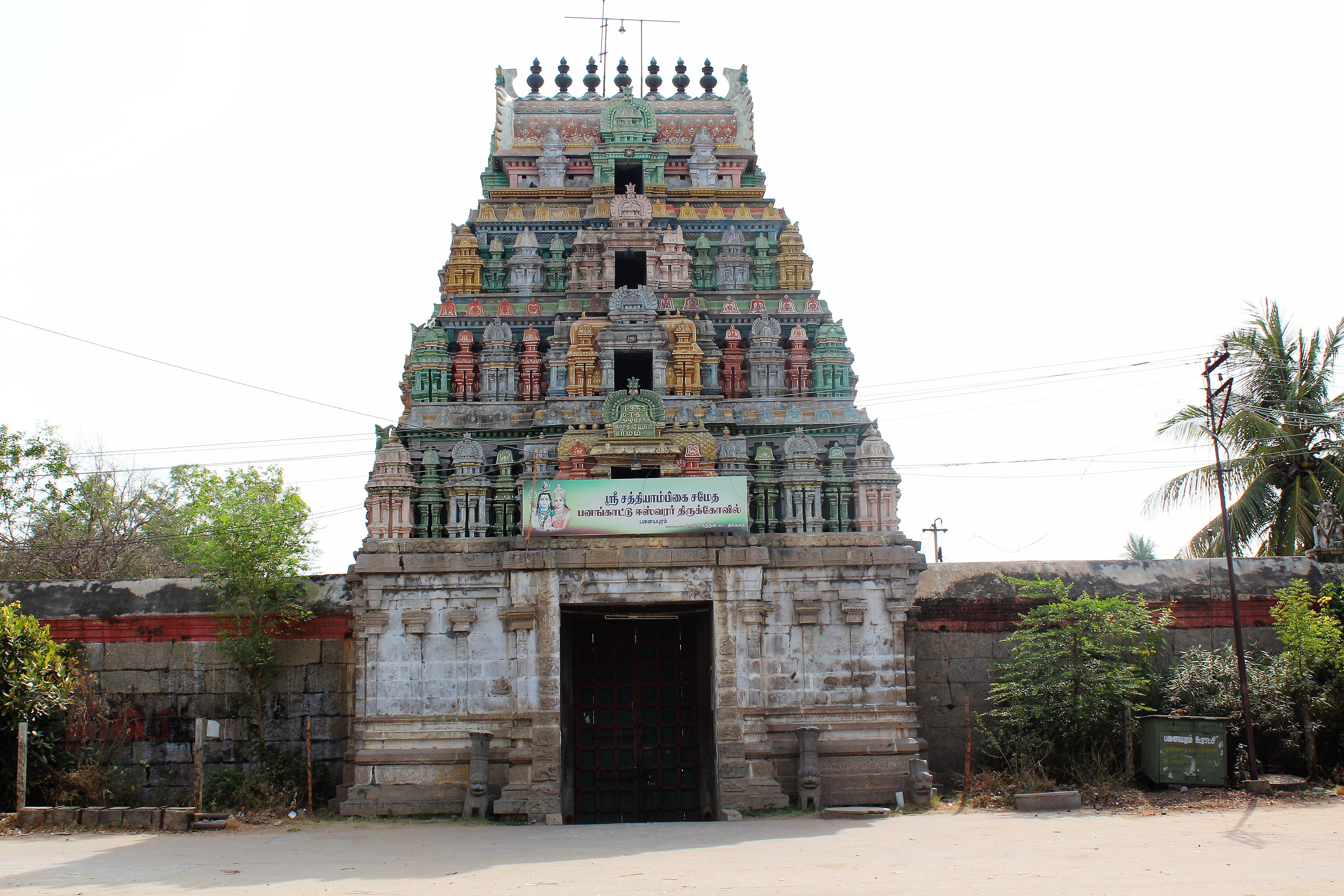
Netroddharakaswami Temple
Netroddharakaswami Temple in Panaiyapuram, Viluppuram district, is an 11th-century Shiva shrine recognized as a Paadal Petra Sthalam, housing a sacred Shiva Linga as its primary…
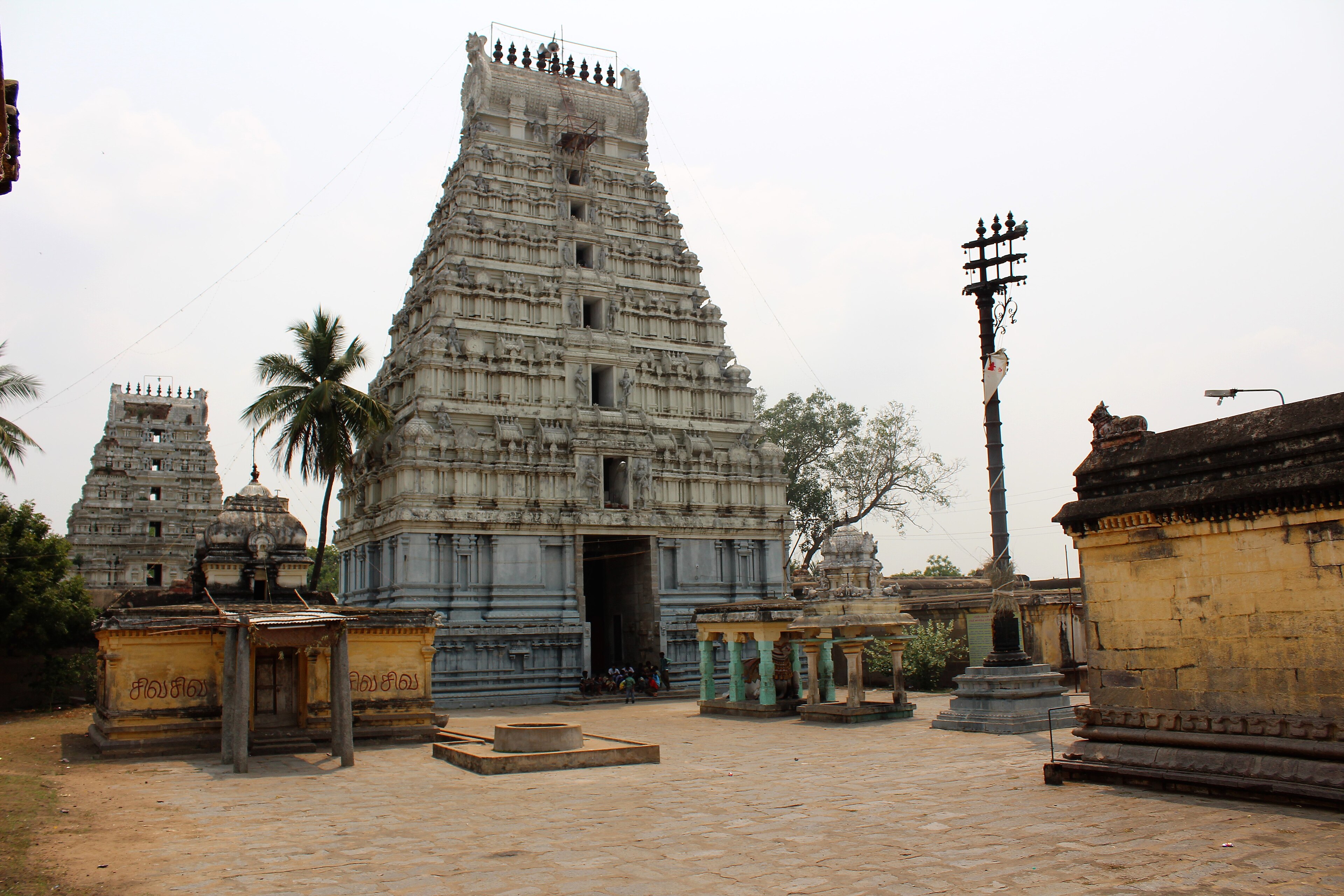
Abirameswarar temple
Abirameswarar Temple in Thiruvaathur, Viluppuram district, is a 7th-century Shaivite shrine dedicated to Shiva, revered in the ancient Tamil devotional text Tevaram and designat…
Chandramouleeswar temple, Thiruvakkarai
Chandramouleeswarar Temple in Thiruvakkarai is an ancient Shiva shrine dating to the 10th century Chola period, notable for its rare three-faced Linga and the prominent worship…
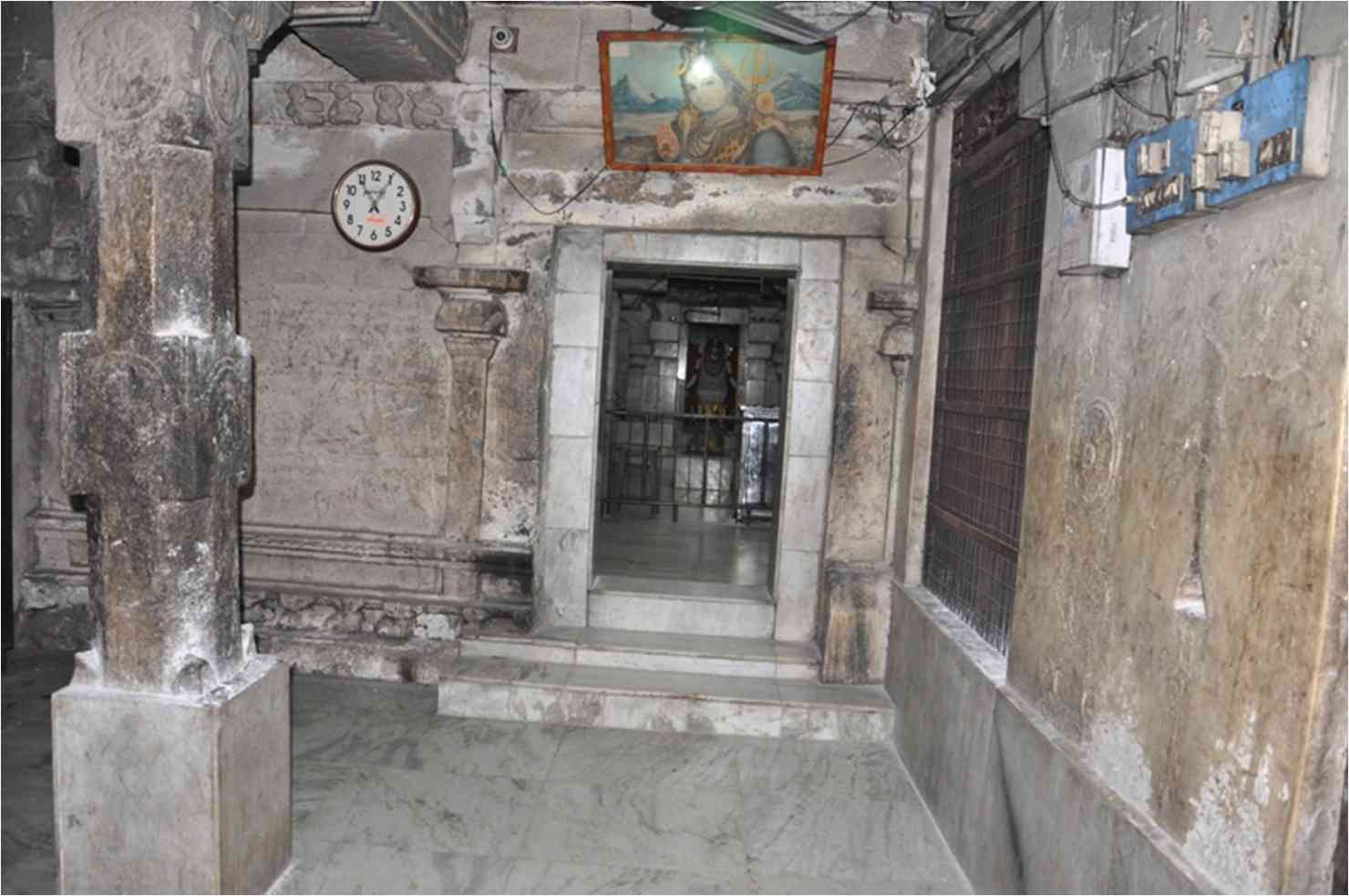
Thinthirineesvarar Temple, Tindivanam
Thinthirineesvarar Temple in Tindivanam is an ancient Shiva shrine whose name derives from the tamarind forests that once covered the region, with origins tracing to the Sangam…
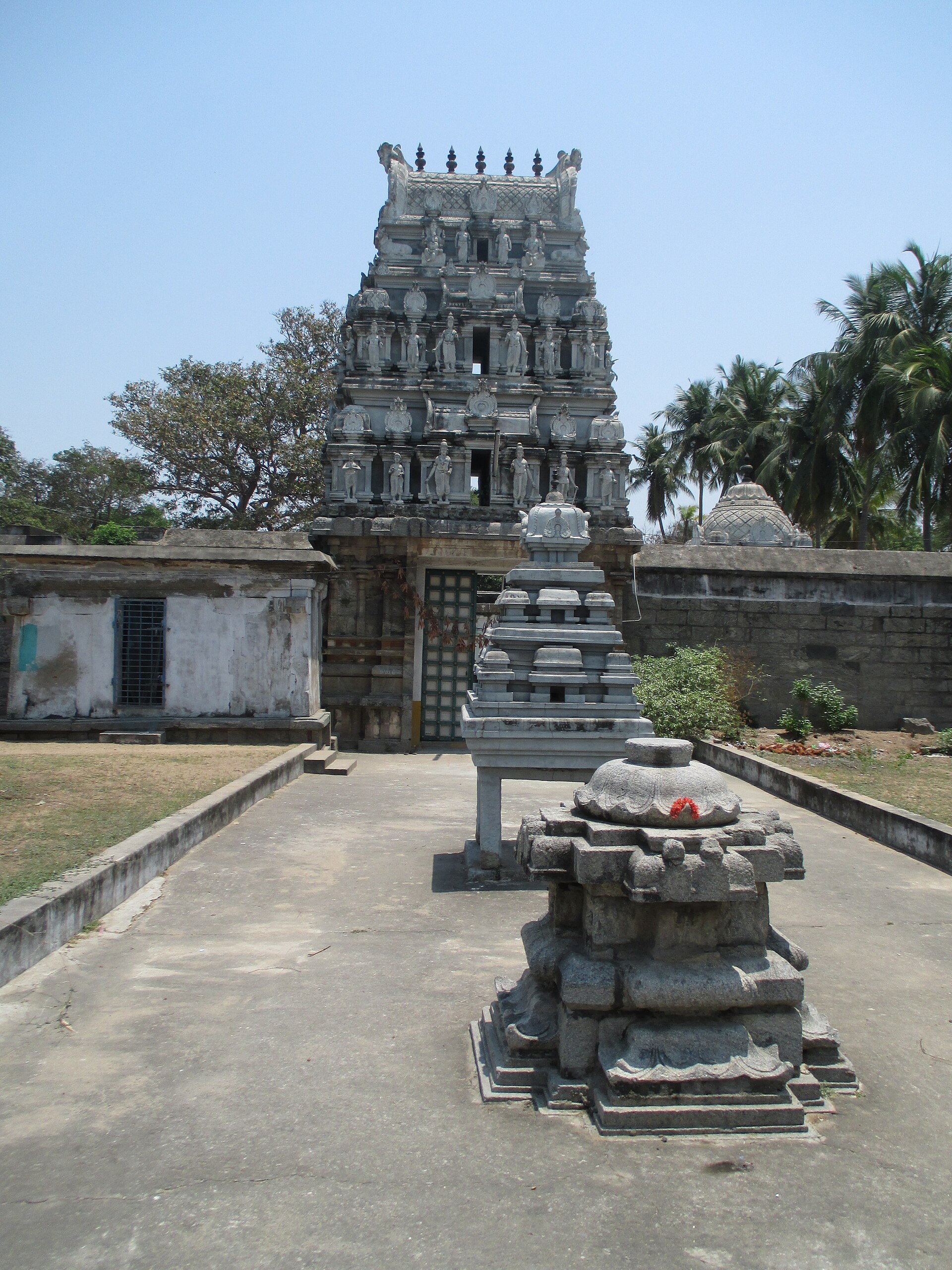
Marundeeswarar Temple, T. Edayar
Marundeeswarar Temple in Thiruvanmiyur, Chennai, is an ancient Shiva temple with roots in the Chola period, expanded in the 11th century and later renovated by Vijayanagar ruler…