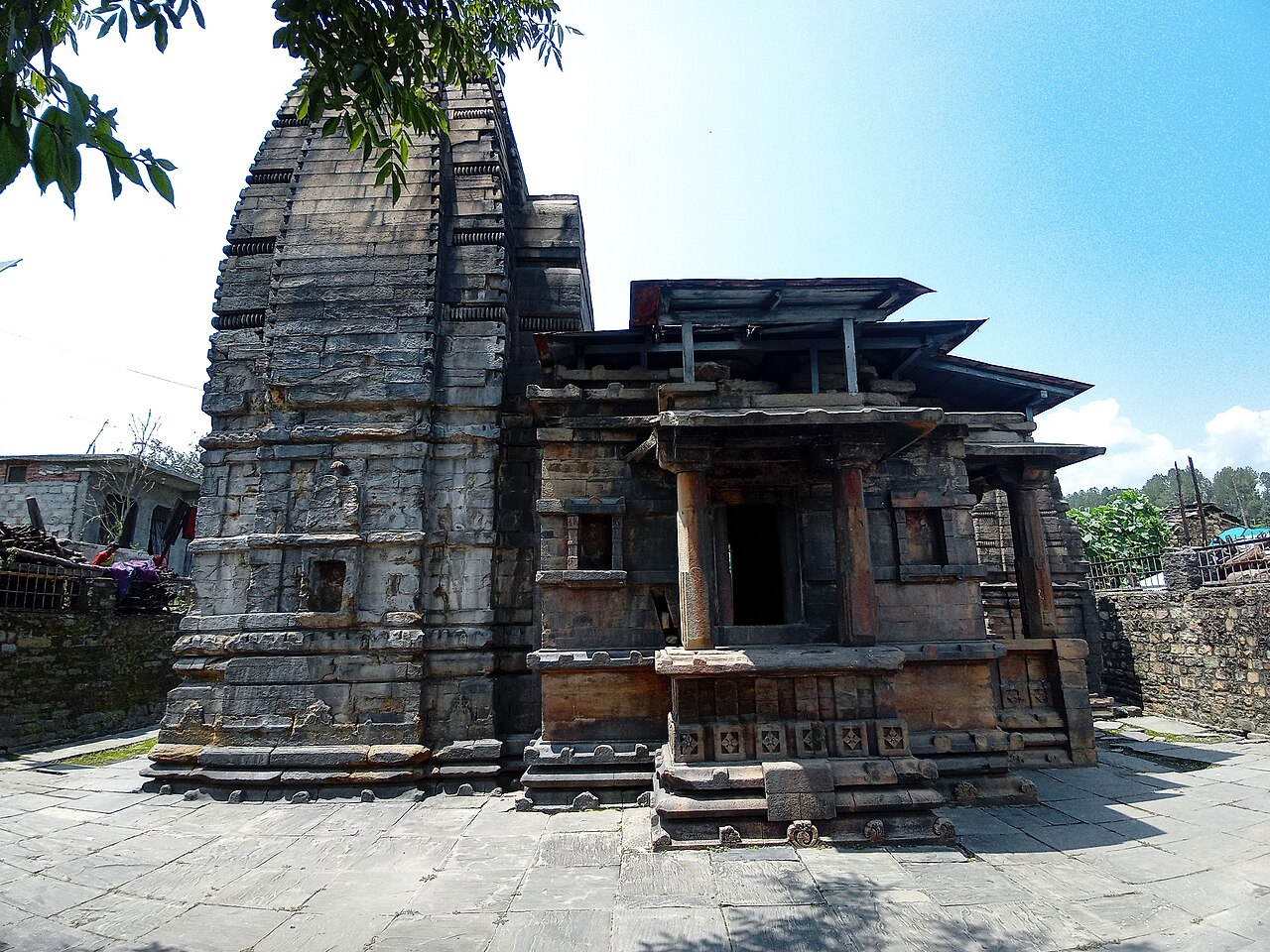
Tallihat group of temples and Katyuri mound, Uttarakhand
About Tallihat group of temples and Katyuri mound, Uttarakhand
All three temples at Tallihat follow the Indo-Aryan shikara architectural tradition, a style characterized by a distinctive tower-like superstructure that rises above the sanctum. This approach to temple design was widespread across northern India during the medieval period and represents a particular regional interpretation of Hindu sacred architecture.
The temples' construction methods and materials reflect the building practices available in the Himalayan region during the 11th to 13th centuries. The shikara form, with its ascending lines and geometric precision, creates a visual emphasis on verticality—a feature common to temples of this tradition and period across the broader Himalayan zone.
The Katyuri Period and Regional History
The temples' construction dates align with the Katyuri period, a significant phase in the region's political and cultural history. The presence of the Katyuri mound at the site indicates that Tallihat held importance beyond its religious function, likely serving as a center of settlement and administration during this era.
Understanding the site requires recognizing that medieval temples often occupied positions of prominence within broader communities. The ruins and mound visible at Tallihat provide archaeological evidence of this layered past, though detailed historical records of the site's specific patrons and development remain limited.
Visiting the Temple Complex
The Tallihat temples are located at coordinates 29.906666666667, 79.610861111111, near Baijnath in Bageshwar district. As a protected archaeological monument, the site is accessible to visitors, though facilities and formal darshan timings may be limited compared to more actively managed temples.
Visitors should dress modestly, covering shoulders and knees, as is customary at Hindu temples. The site's status as both a religious space and an archaeological monument means that respectful behavior toward the structures themselves is essential. Before planning a visit, particularly if seeking specific darshan hours or information about access, contacting local temple authorities or the Bageshwar district administration is advisable.
The Landscape and Surroundings
The temples occupy a setting within the Bageshwar district's broader landscape of medieval religious sites. Baijnath, the nearby town, provides the closest access point for visitors. The region's geography—characterized by the foothills and valleys typical of Uttarakhand—shaped both the construction methods and the religious significance attributed to these locations.
The presence of multiple temples in close proximity reflects a pattern common to medieval Hindu sacred geography, where clusters of shrines often developed around sites of particular spiritual or political importance. The Katyuri mound's presence suggests that this concentration of temples was not accidental but rather part of a deliberate organization of sacred and civic space.
Practical Information for Visitors
The site is recognized as a Monument of National Importance under ASI protection (Monument ID: N-UT-20). This designation ensures preservation but may also mean that access is regulated or that certain areas are restricted for conservation purposes. Visitors should be prepared for a site that prioritizes archaeological integrity over visitor amenities.
The nearest town of Baijnath offers basic facilities. Given the site's location in the Himalayan foothills and its status as a protected monument rather than an actively staffed temple, visitors are encouraged to plan accordingly—bringing water, sun protection, and appropriate footwear for uneven terrain. Checking locally about current access conditions before traveling is recommended, as weather and conservation work may affect visiting hours.
How to reach
Temples near Tallihat group of temples and Katyuri mound, Uttarakhand
Baijnath Temple Complex
Baijnath Temple Complex comprises 18 Hindu temples in Uttarakhand renowned for depicting Parvati alongside her husband Shiva, a rare iconographic tradition. Situated along the G…
Badhangarhi temple
Badhangarhi temple is an ancient Hindu shrine dedicated to Goddess Kali, situated at 2260 meters elevation in the Himalayan foothills of Chamoli Garhwal district, Uttarakhand. T…
Bagnath Temple
Bagnath Temple is an ancient shrine dedicated to Lord Shiva situated at the confluence of the Sarayu and Gomati rivers in Bageshwar, Uttarakhand. The temple is renowned for its…
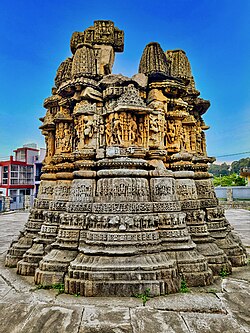
Gujjar Deva Group of Temples, Dwarahat
Gujjar Deva Group of Temples in Dwarahat is an ancient temple complex in the Kumaon hills of Uttarakhand, part of the region's rich architectural heritage built during the medie…

Badrinath Group of Temples, Dwarahat
Badrinath Temple is one of India's most sacred shrines dedicated to Lord Vishnu as Badrinarayan, located in the Himalayas of Uttarakhand. It forms part of the Char Dham pilgrima…

Golu Devata
Golu Devta Temple in Ghorakhal, Nainital is a sacred shrine dedicated to the deity of justice, revered across the Kumaon region for dispensing divine justice and fulfilling devo…