Gujjar Deva Group of Temples, Dwarahat
About Gujjar Deva Group of Temples, Dwarahat
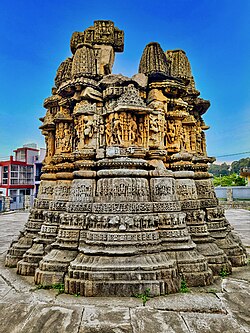
The Gujjar Deva temples exemplify the panchayatana layout—a configuration in which a central shrine is surrounded by four subsidiary temples at the cardinal points. This design reflects sophisticated planning and was common among temples of the Maru-Gurjara tradition. The architectural style visible here shares characteristics with other contemporary Kumaon temples, particularly those at Jageshwar, suggesting a regional building practice that persisted across several centuries.
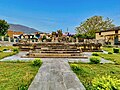
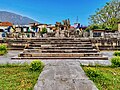
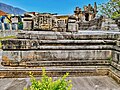
The temples show signs of both preservation and decay. Some structures remain largely intact, while fragments and broken pieces scattered through the premises speak to the passage of time and the challenges of maintaining medieval stonework in a mountainous climate. The presence of a well within the temple grounds indicates practical provision for ritual needs, as water drawn from such sources traditionally serves in offerings and purification practices.
Visiting the Temple Complex
The Gujjar Deva Group forms part of a larger constellation of temples spread throughout Dwarahat. Visitors typically approach the site on foot from the main road, and local residents can provide directions to specific temple groups. The terrain is hilly, so comfortable walking shoes are advisable. The elevated setting offers views across the surrounding landscape, characteristic of many Kumaon temples positioned to command the valleys below.
Specific darshan timings for the Gujjar Deva Group are not documented in available sources. Visitors should confirm opening hours and any mid-day closures with local temple authorities or residents upon arrival, as many temples in this region observe a break during afternoon hours. Dress modestly, covering shoulders and knees, as is customary at Hindu temples. Footwear should be removed before entering the inner sanctum or areas marked as sacred space.
The Broader Dwarahat Temple Landscape
Dwarahat contains multiple temple groups beyond the Gujjar Deva site, each with distinct histories and dedications. The Mrityunjay Temple, dedicated to Lord Shiva as the Vanquisher of Death, dates to the 11th century and stands as one of the most prominent shrines in the area, constructed in the Nagara architectural style. The Badrinath group includes a shrine to Lord Vishnu alongside smaller temples. The Kachari group comprises twelve temples arranged with notable symmetry, while the Ratan Dev group originally contained nine temples, though some now stand in ruined condition.
This density of medieval temples reflects Dwarahat's historical importance as a sacred center. The Katyuri Kings, who ruled the Kumaon region, were instrumental in commissioning these structures. Exploring multiple groups provides a fuller picture of the region's architectural and devotional heritage, though each visit requires time and physical effort given the hillside terrain.
How to Reach Dwarahat
Dwarahat is located in the Almora district of Kumaon, accessible by road from nearby towns. The journey from Ranikhet takes approximately 75 minutes by vehicle. Mobile network coverage can be unreliable in the area, so downloading offline maps or noting directions from local sources before departure is practical. Asking residents for directions to specific temple groups is advisable, as the temples are distributed throughout the town rather than concentrated in a single location.
The nearest significant town with accommodation and services is Ranikhet. Visitors should plan for a full day to explore multiple temple groups at a comfortable pace, accounting for walking time between sites and the hilly terrain.
Practical Considerations
No specific information about facilities—such as prasad distribution, ablution areas, or rest spaces—is available for the Gujjar Deva Group. Carry water and wear sun protection, as the hilltop setting offers little shade. Respect any barriers or notices indicating areas under restoration or restricted access. Photography policies should be confirmed with temple authorities or local caretakers. The site is best visited during daylight hours given the terrain and lack of artificial lighting.
How to reach
Temples near Gujjar Deva Group of Temples, Dwarahat

Badrinath Group of Temples, Dwarahat
Badrinath Temple is one of India's most sacred shrines dedicated to Lord Vishnu as Badrinarayan, located in the Himalayas of Uttarakhand. It forms part of the Char Dham pilgrima…
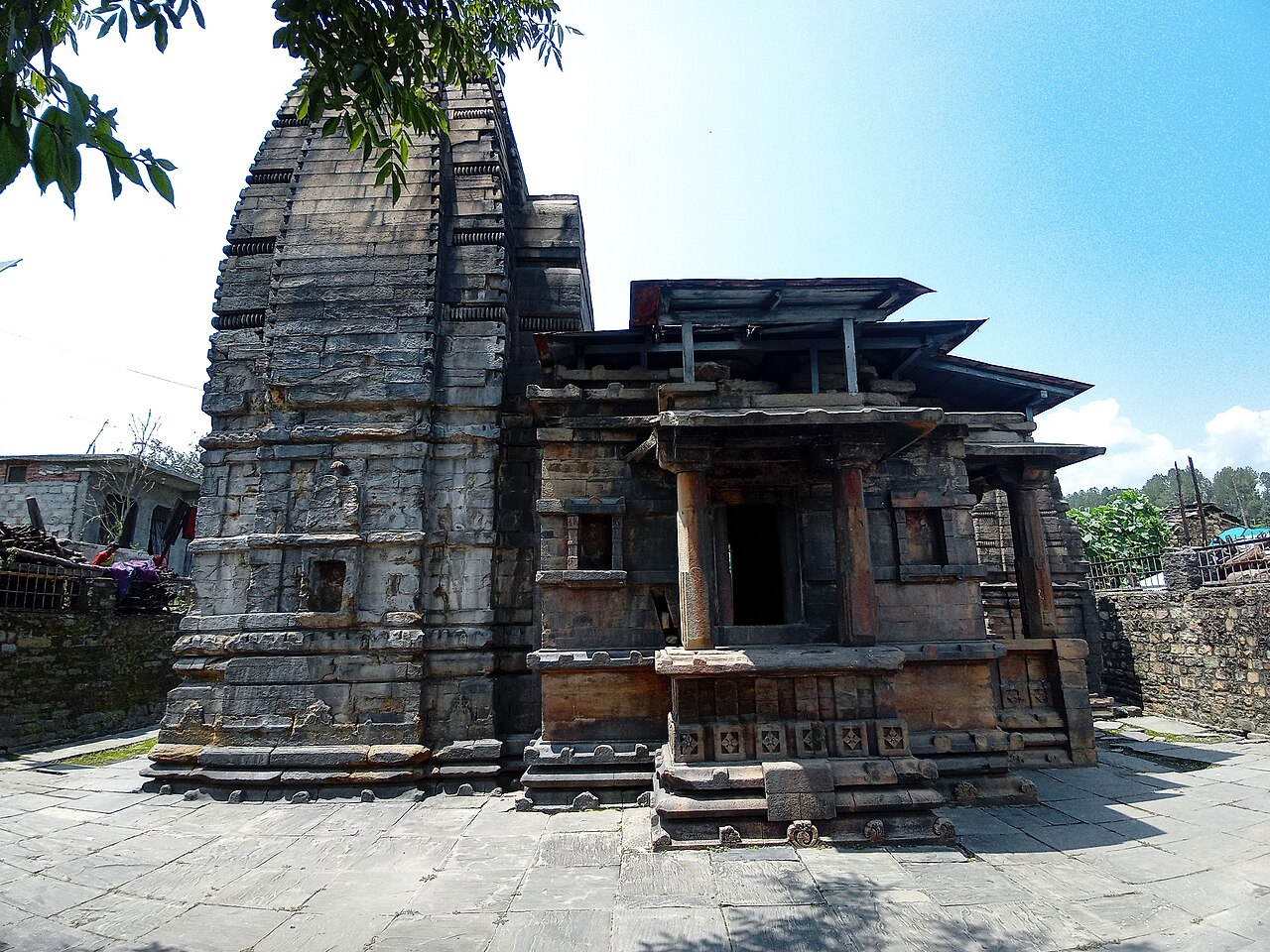
Tallihat group of temples and Katyuri mound, Uttarakhand
The Tallihat group comprises three Indo-Aryan shikara-style temples dating to the 11th–13th centuries, located near Baijnath in Bageshwar district. Designated a Monument of Nati…
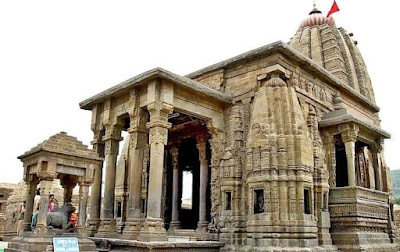
Baijnath Temple Complex
Baijnath Temple Complex comprises 18 Hindu temples in Uttarakhand renowned for depicting Parvati alongside her husband Shiva, a rare iconographic tradition. Situated along the G…
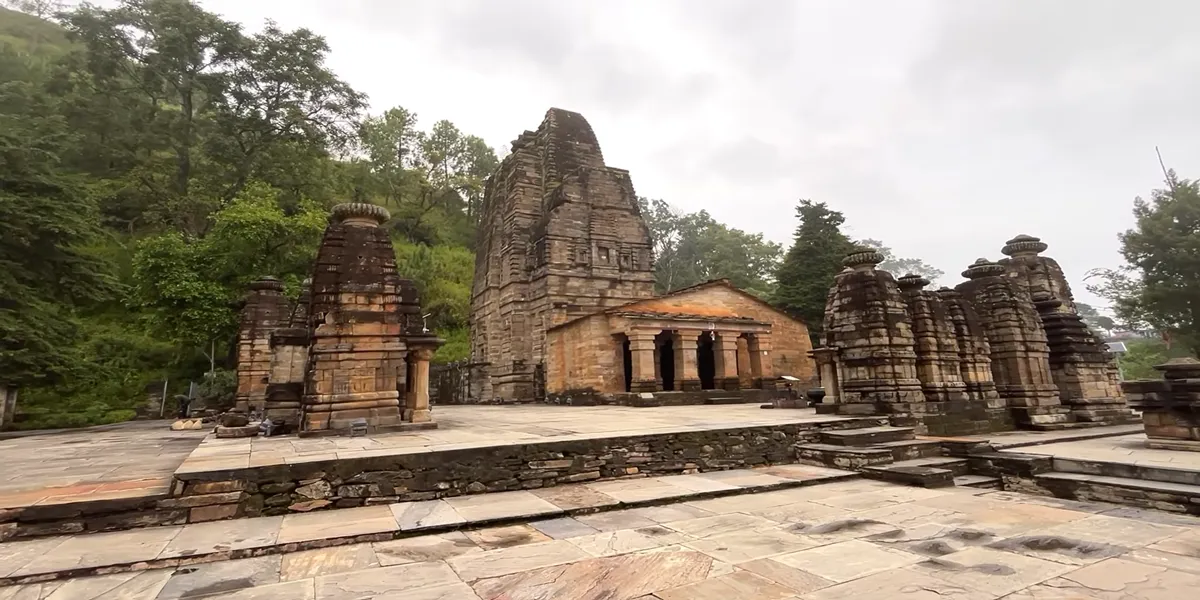
Surya Temple, Katarmal
The Katarmal Surya Temple is the second largest sun temple in India, located near Almora in Uttarakhand's Kumaon hills. Built by King Katarmalla of the Katyuri dynasty between t…
Badhangarhi temple
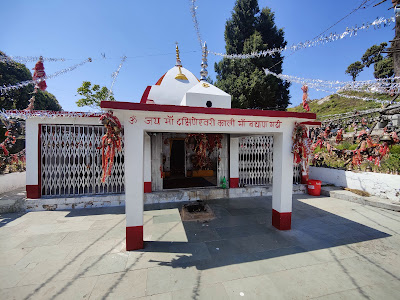
Badhangarhi temple is an ancient Hindu shrine dedicated to Goddess Kali, situated at 2260 meters elevation in the Himalayan foothills of Chamoli Garhwal district, Uttarakhand. T…
Kalinka Temple
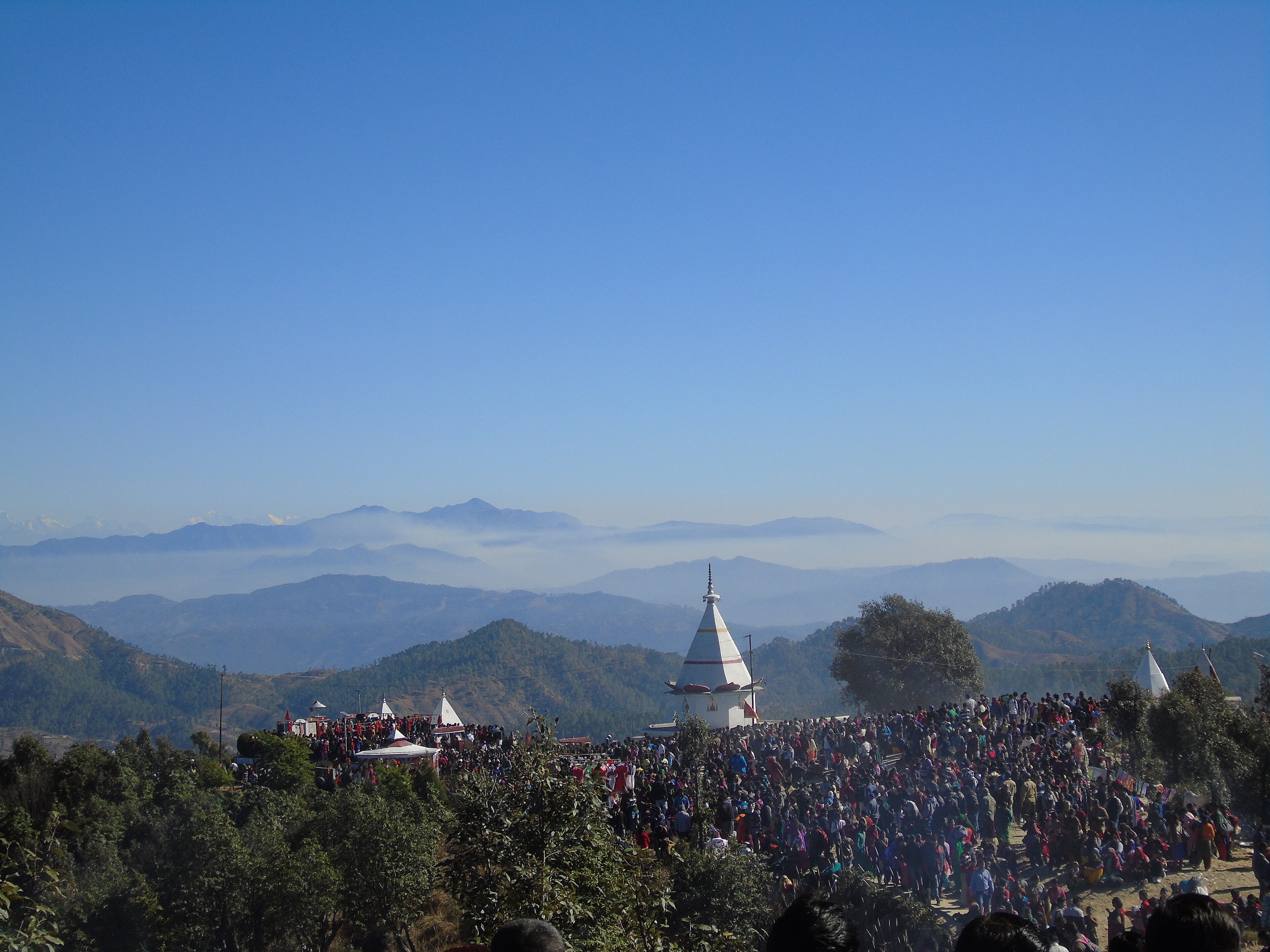
Kalinka Temple is a centuries-old hilltop shrine dedicated to Goddess Kali, located in Bironkhal block of Pauri Garhwal district, Uttarakhand, near the Almora district border.