Golu Devata
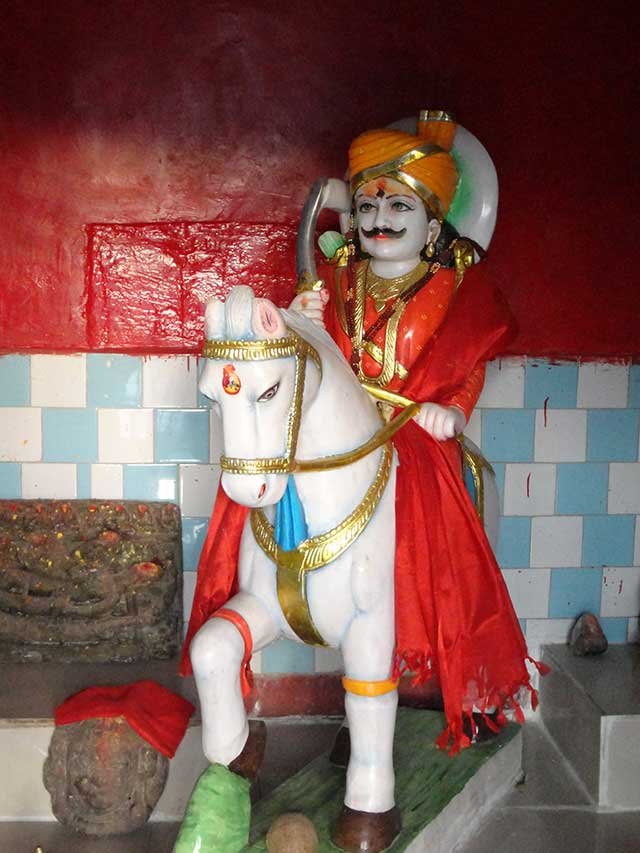
About Golu Devata
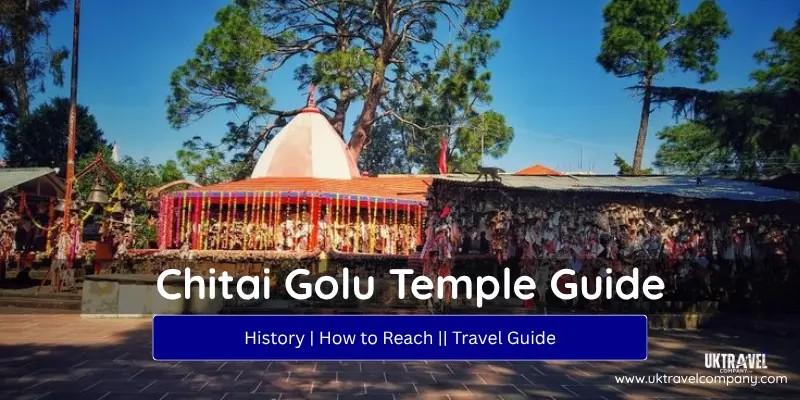
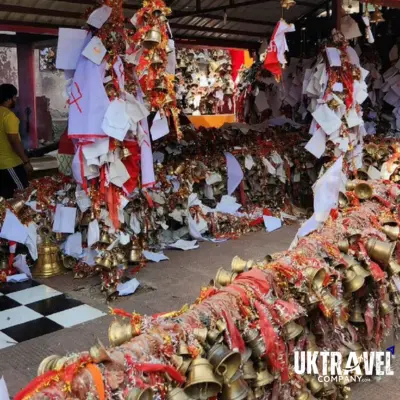
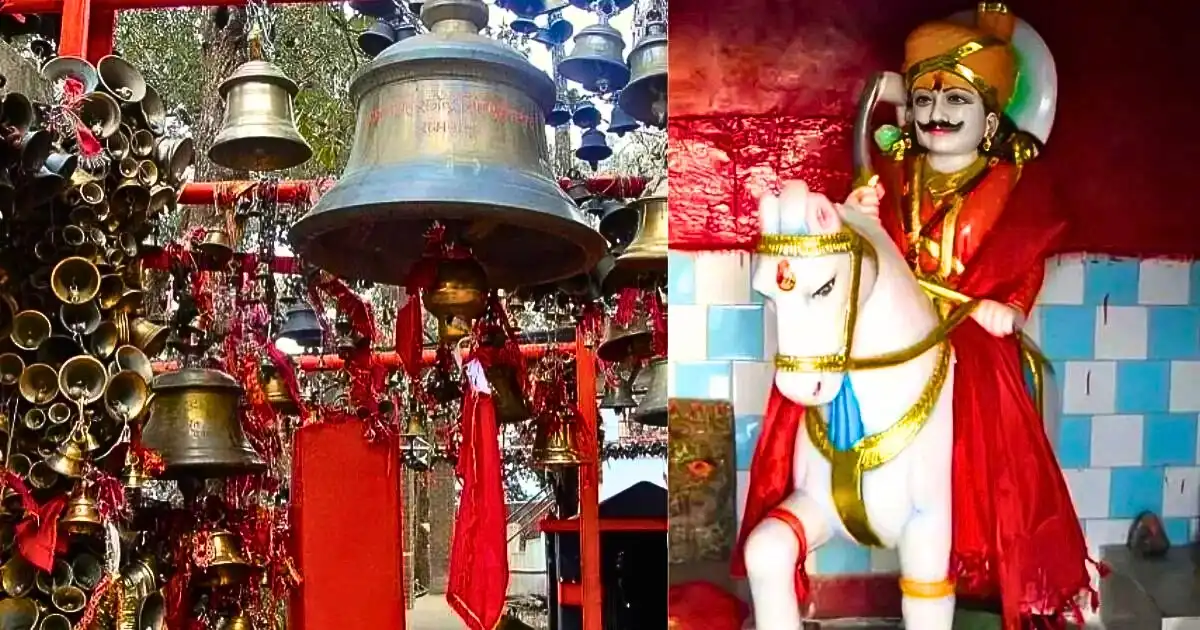
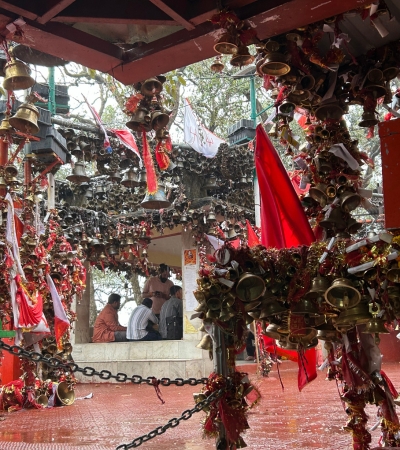
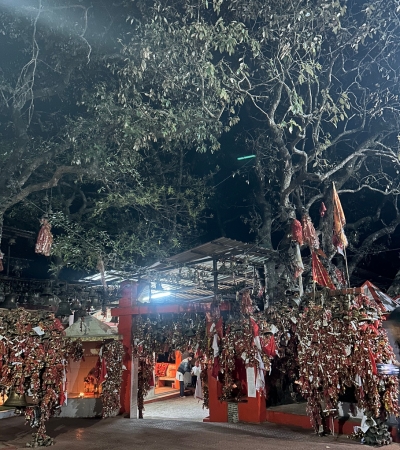
The most distinctive feature of Golu Devata Temple is the countless bells that cover its premises. Each bell represents a devotee's act of thanksgiving, offered when a prayer has been answered or a wish fulfilled. According to the temple's tradition, when a supplicant's desire is granted, they return to the shrine to hang a bell as an expression of gratitude to Golu Maharaj. Over time, these accumulated bells have become inseparable from the temple's spiritual identity, creating a visible landscape of answered prayers. Visitors will encounter these bells throughout the temple grounds—a tangible reminder of the faith that draws people to this sanctuary.
Written Petitions and Divine Justice
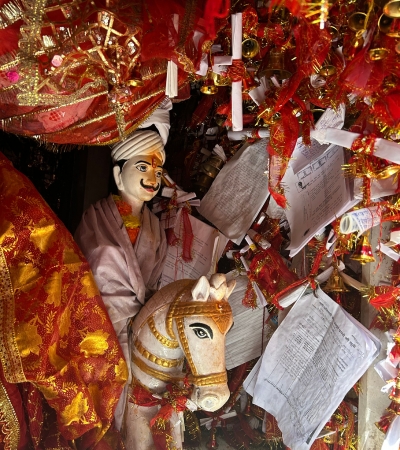
Alongside the bell tradition, devotees at Ghorakhal practice the custom of submitting written petitions to the deity. Rather than relying on spoken prayer alone, the faithful compose letters detailing their concerns—requests for justice, resolution of disputes, or answers to pressing questions. These written appeals are left at the temple, creating an archive of human need and hope. The temple receives substantial numbers of such letters monthly, many accompanied by expressions of gratitude from those whose matters have been resolved. This practice of written petition distinguishes Golu Devata Temple within the broader landscape of Kumaon pilgrimage sites.
Daily Worship and Visiting Hours
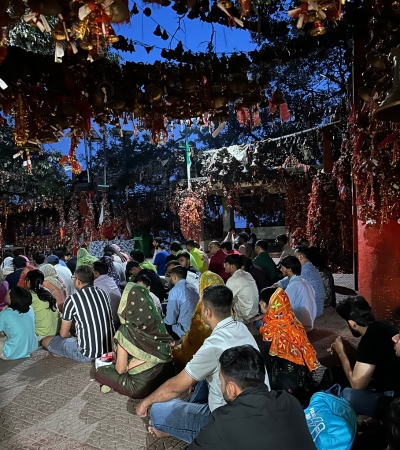
The temple conducts an evening aarti, the primary daily ritual of worship. While specific darshan timings should be confirmed before visiting, the temple remains accessible throughout the year to devotees wishing to offer prayers and present their petitions. The shrine welcomes visitors year-round, though the Shravan month (July–August) holds particular significance, when an Abhisheka ceremony—a ritual bathing of the deity—takes place. This monsoon season draws increased numbers of pilgrims to the temple. Visitors should plan their trip with flexibility regarding exact timings, as temple schedules may vary seasonally.
Location and Access
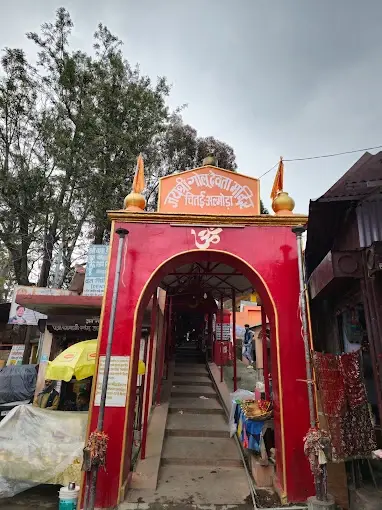
Golu Devata Temple stands in Ghorakhal, a village within Nainital district in Uttarakhand. The temple is situated approximately 8 kilometres from Almora town and is accessible by road from Nainital and surrounding areas. The journey to Ghorakhal combines spiritual purpose with the natural beauty of the Himalayan foothills, as the temple's location among the hills of Nainital offers visitors both a religious experience and connection to the region's landscape. Road access makes the shrine relatively easy to reach for those travelling through the Kumaon region.
Visitor Etiquette and Practical Considerations
As with temples throughout the Hindu tradition, visitors should approach the shrine with respect and reverence. The practice of offering written petitions is central to worship here; devotees may wish to prepare a letter expressing their concerns or gratitude before arrival. The bell-hanging tradition remains open to all who wish to participate, whether as an initial prayer or as thanksgiving for answered wishes. Modest dress is appropriate when visiting any Hindu temple. The temple offers facilities for puja and seva (ritual service), which can be arranged in advance through the temple's booking system. Visitors should carry contact details for the shrine to confirm current darshan times and any special observances during their intended visit.
How to reach
Temples near Golu Devata
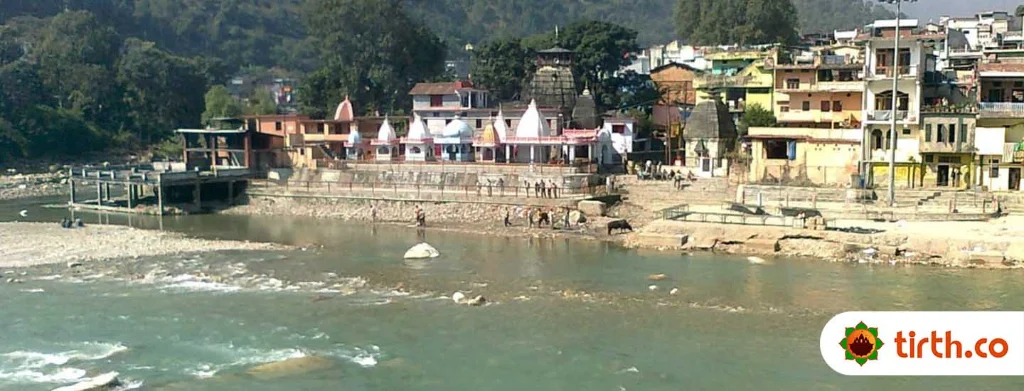
Bagnath Temple
Bagnath Temple is an ancient shrine dedicated to Lord Shiva situated at the confluence of the Sarayu and Gomati rivers in Bageshwar, Uttarakhand. The temple is renowned for its…
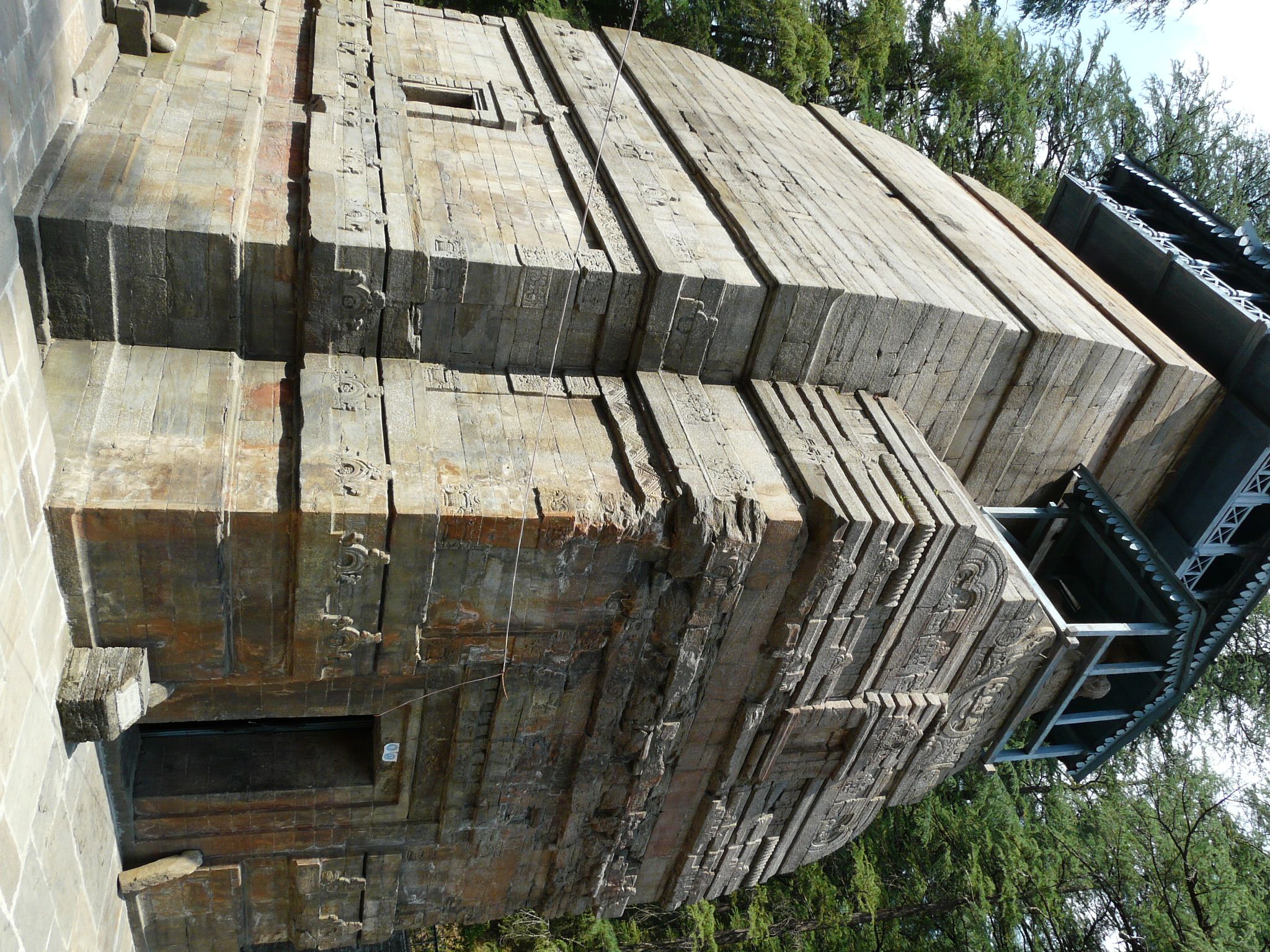
Dandeshwar Group of Temples
Dandeshwar Group of Temples in Almora, Uttarakhand, is a recognized Monument of National Importance featuring a significant shrine dedicated to Lord Shiva within the sacred Jage…
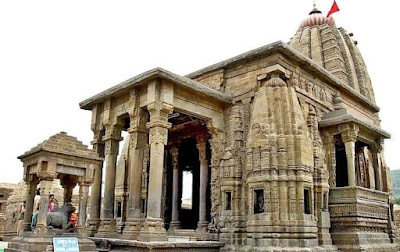
Baijnath Temple Complex
Baijnath Temple Complex comprises 18 Hindu temples in Uttarakhand renowned for depicting Parvati alongside her husband Shiva, a rare iconographic tradition. Situated along the G…
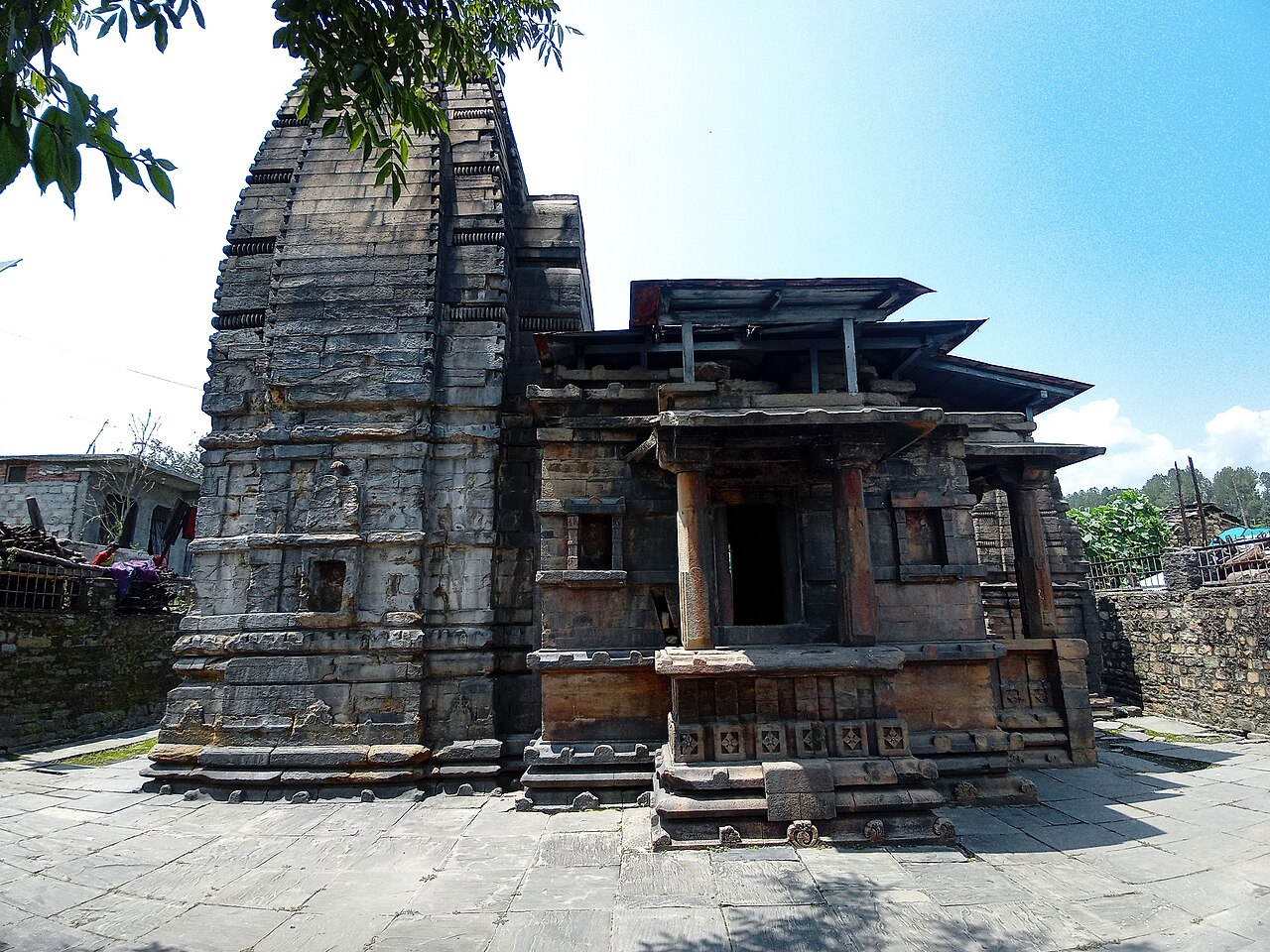
Tallihat group of temples and Katyuri mound, Uttarakhand
The Tallihat group comprises three Indo-Aryan shikara-style temples dating to the 11th–13th centuries, located near Baijnath in Bageshwar district. Designated a Monument of Nati…
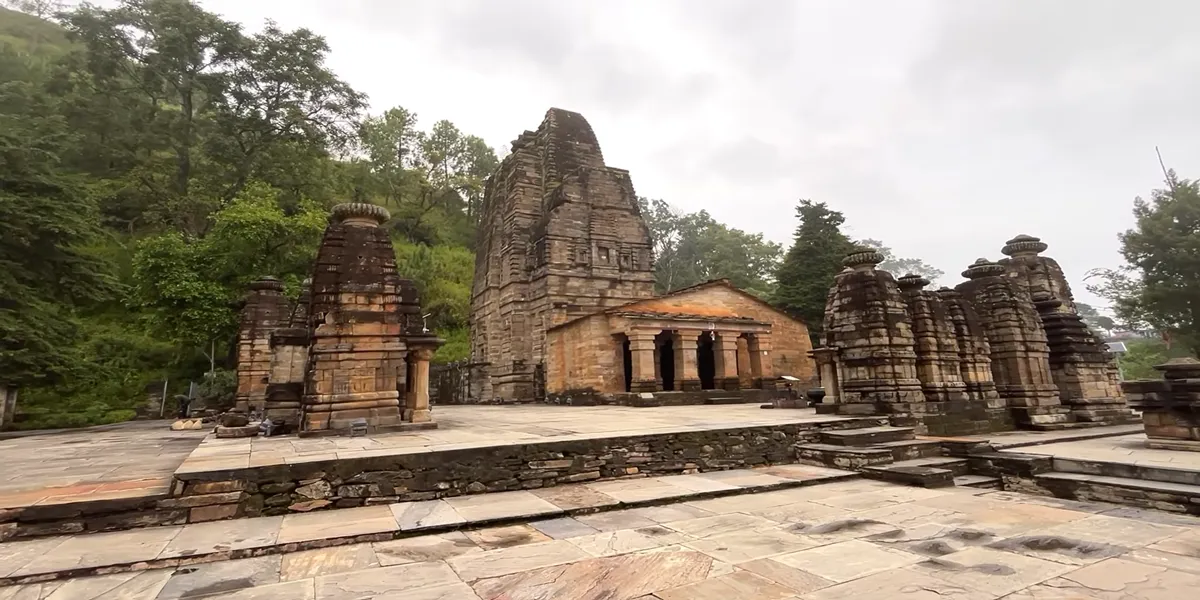
Surya Temple, Katarmal
The Katarmal Surya Temple is the second largest sun temple in India, located near Almora in Uttarakhand's Kumaon hills. Built by King Katarmalla of the Katyuri dynasty between t…
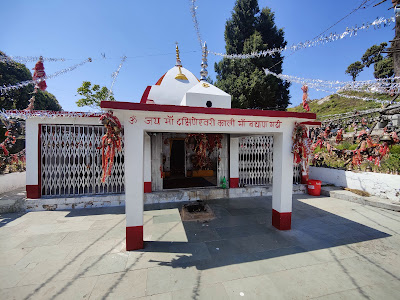
Badhangarhi temple
Badhangarhi temple is an ancient Hindu shrine dedicated to Goddess Kali, situated at 2260 meters elevation in the Himalayan foothills of Chamoli Garhwal district, Uttarakhand. T…