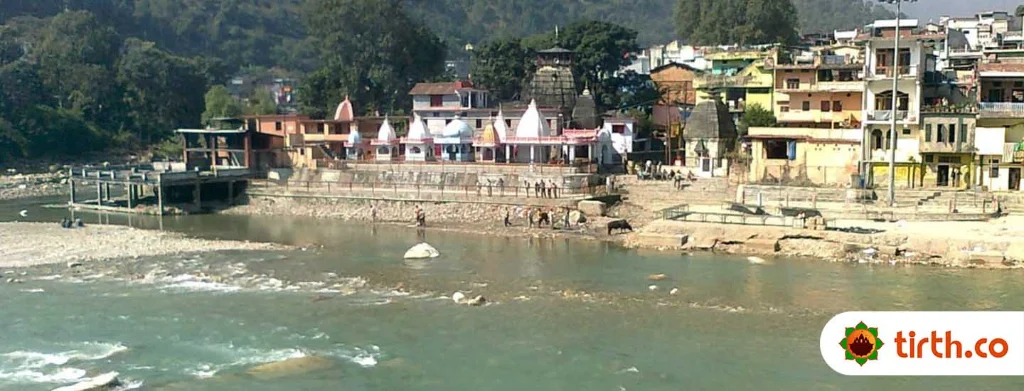
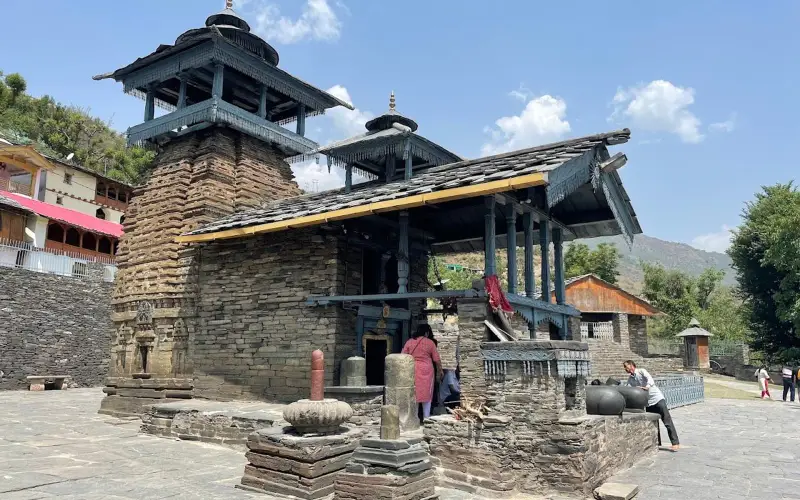
Bagnath Temple
About Bagnath Temple
The temple's history extends across two distinct periods of construction. An original shrine was established during the 7th century AD, marking this as an ancient site of worship. The major structural form visitors encounter today dates to 1450 AD, representing a significant rebuilding or expansion that has endured for over five centuries. This layering of history—original foundation overlaid with medieval reconstruction—is common among important pilgrimage temples in the Himalayan region.
Daily Worship and Darshan
The temple opens at 5:00 AM and closes at 11:00 PM, with a midday break from 11:00 AM to 2:00 PM. Darshan, the viewing of the deity, is free for all visitors. The temple conducts morning and evening aartis (ritual worship involving light and offerings), performed in Sanskrit and Hindi. Additional daily rituals include Rudrabhishek, the ritual bathing of the Shiva Lingam, and water or milk offerings made directly to the Lingam itself.
After the completion of aartis and special poojas, prasadam (blessed food) is distributed to devotees. This typically consists of charnamrit (a ritual drink), sweets, fruits, and vibhuti (sacred ash). During peak seasons, particularly around major festivals, visitors should expect darshan wait times of 30 minutes to one hour.
Festivals and Pilgrimage Times
Maha Shivratri, the festival honouring Shiva, draws substantial numbers of devotees to Bagnath Temple and is marked by vibrant celebration and intense prayer. Uttarayani, another significant festival observed at the temple, similarly brings crowds of pilgrims. Both occasions witness a marked surge in visitors and heightened spiritual activity.
For those seeking a quieter experience, the winter months from October to February offer comfortable weather and fewer crowds. Early morning visits between 5:00 and 8:00 AM provide a more tranquil atmosphere before the main flow of daily devotees arrives. The confluence itself is considered an auspicious place for ritual bathing, particularly during festival periods.
Visiting Information and Practical Details
Modest dress is advised to respect the sanctity of the temple and its traditions. The temple welcomes all visitors, though access involves steps that may present challenges for those with mobility difficulties. The surrounding area is generally accommodating, and parking is available.
Visitors should be aware that the temple experiences significant crowding during Maha Shivratri and Uttarayani festivals, when the atmosphere becomes particularly intense. Planning a visit outside these peak periods, or arriving very early in the morning, will provide a more peaceful darshan experience. The midday break should be factored into visit planning, as the temple closes during these hours.
Location and Access
Bagnath Temple is situated in central Bageshwar, near Kaphalkhet and Bari Khalsa, along State Highway 37 in Bageshwar District, Uttarakhand. The coordinates are 29.8367°N, 79.8225°E. The temple's position within the city makes it accessible to pilgrims arriving in Bageshwar, which itself serves as a base for further pilgrimage in the region. Nearby sacred destinations include Haridwar, Badrinath, Joshimath, Kedarnath, and Rishikesh, making Bagnath Temple part of a broader pilgrimage network in Uttarakhand.
How to reach
Temples near Bagnath Temple
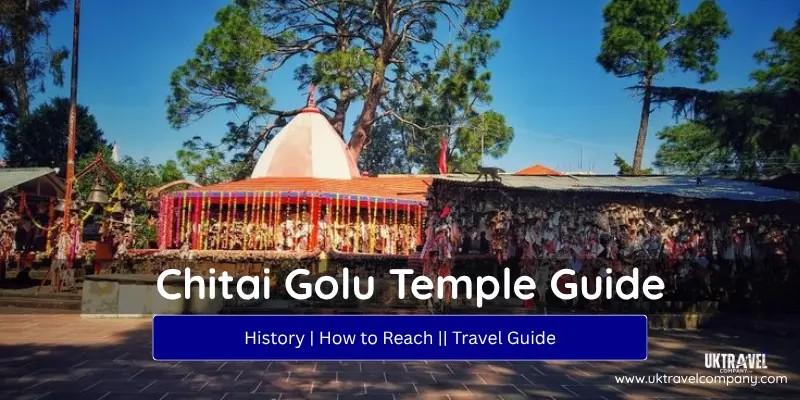
Golu Devata
Golu Devta Temple in Ghorakhal, Nainital is a sacred shrine dedicated to the deity of justice, revered across the Kumaon region for dispensing divine justice and fulfilling devo…
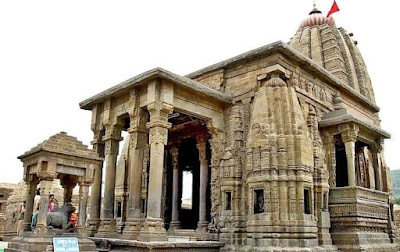
Baijnath Temple Complex
Baijnath Temple Complex comprises 18 Hindu temples in Uttarakhand renowned for depicting Parvati alongside her husband Shiva, a rare iconographic tradition. Situated along the G…
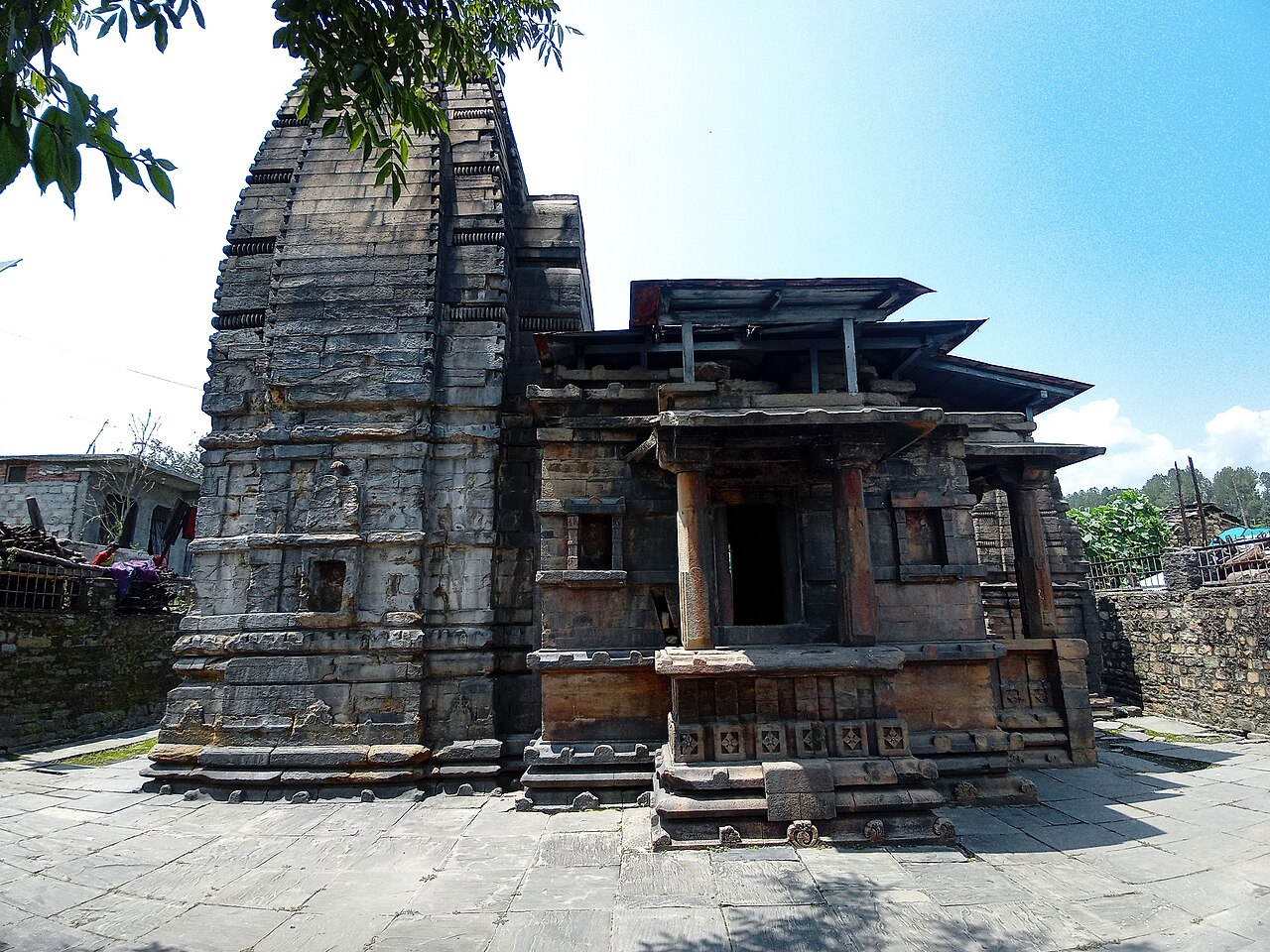
Tallihat group of temples and Katyuri mound, Uttarakhand
The Tallihat group comprises three Indo-Aryan shikara-style temples dating to the 11th–13th centuries, located near Baijnath in Bageshwar district. Designated a Monument of Nati…
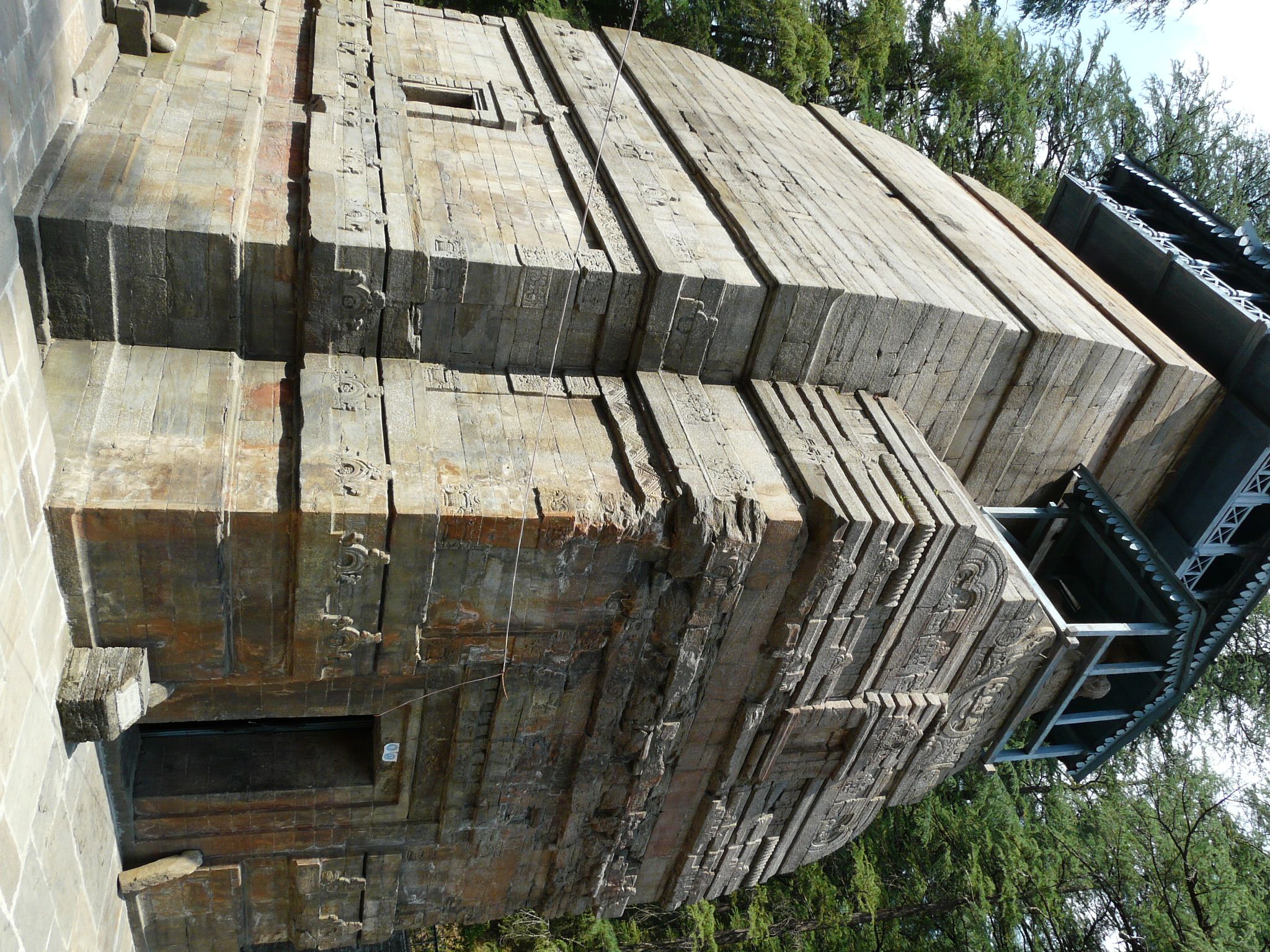
Dandeshwar Group of Temples
Dandeshwar Group of Temples in Almora, Uttarakhand, is a recognized Monument of National Importance featuring a significant shrine dedicated to Lord Shiva within the sacred Jage…
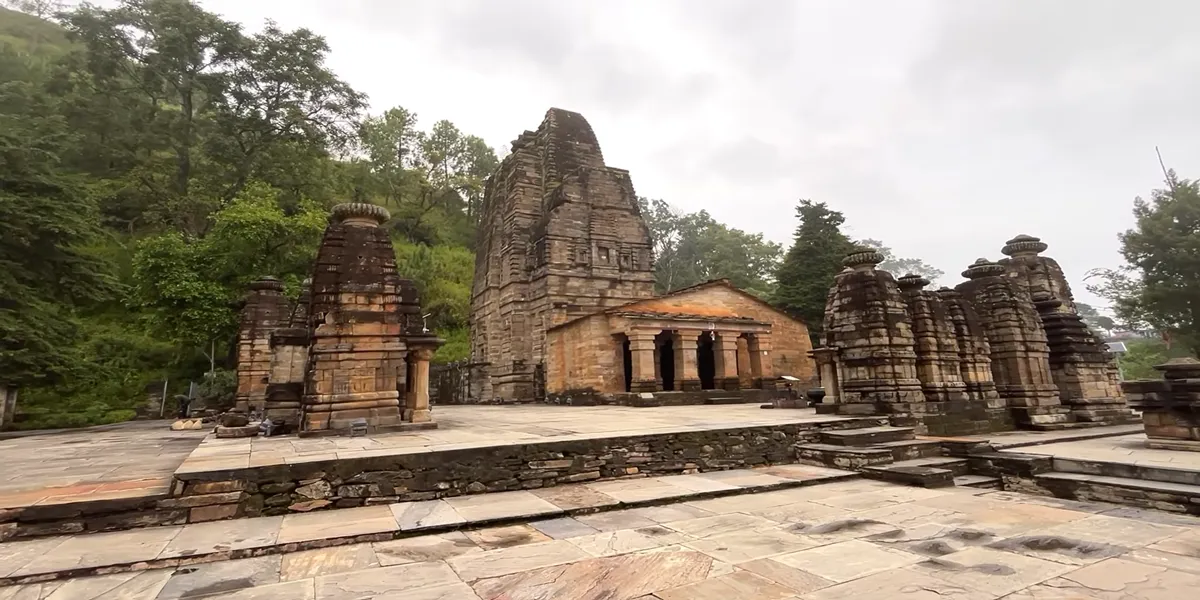
Surya Temple, Katarmal
The Katarmal Surya Temple is the second largest sun temple in India, located near Almora in Uttarakhand's Kumaon hills. Built by King Katarmalla of the Katyuri dynasty between t…
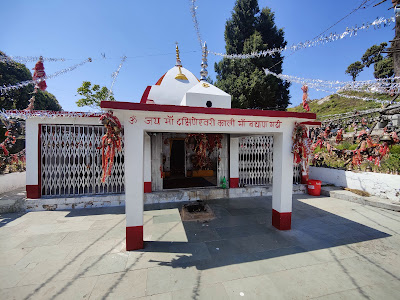
Badhangarhi temple
Badhangarhi temple is an ancient Hindu shrine dedicated to Goddess Kali, situated at 2260 meters elevation in the Himalayan foothills of Chamoli Garhwal district, Uttarakhand. T…