Baijnath Temple Complex
About Baijnath Temple Complex
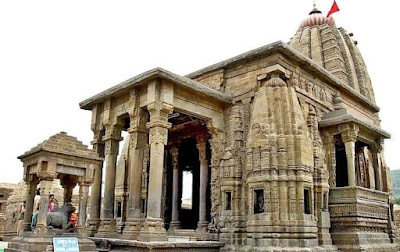
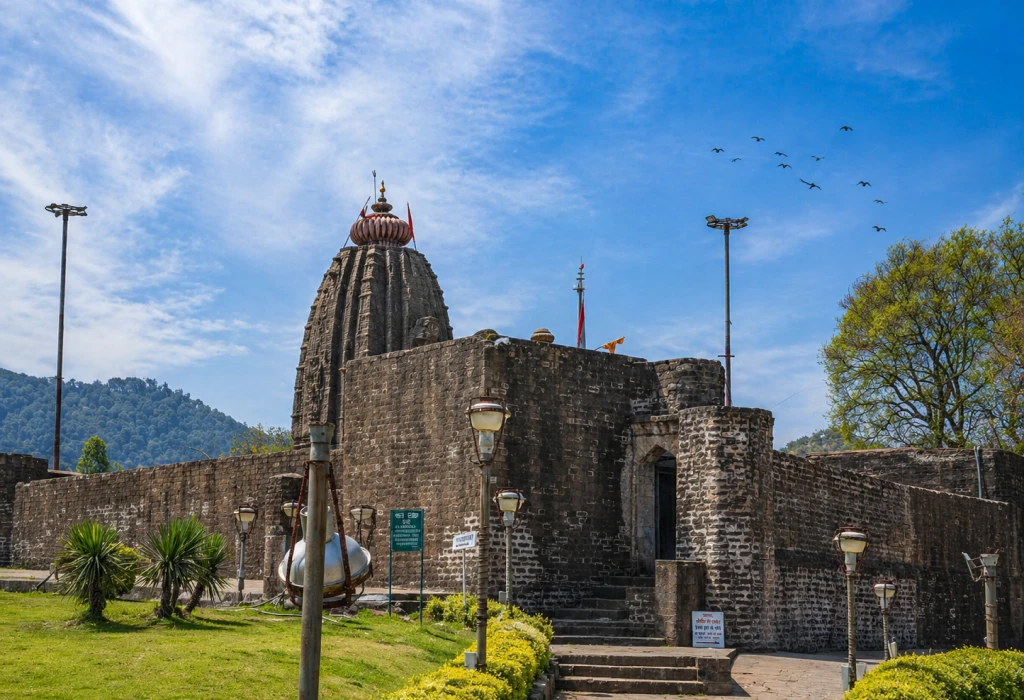
The temple complex was established in 1204 CE, constructed by local merchants Ahuka and Manyuka. Historical inscriptions suggest that a Shiva shrine occupied this location centuries before the current structures were built, indicating the site's long spiritual significance. The temples showcase the North Indian Nagara architectural style, characterised by tall curved shikhara towers rising above the sanctums. This distinctive architectural vocabulary reflects the regional building traditions of the Himalayan foothills.
The Nagara style visible at Baijnath represents a significant phase in medieval Hindu temple construction, with the curved spires and intricate stonework typical of this period and region.
Daily Worship and Darshan
Three aartis are performed daily at the temple complex. The morning aarti begins at 04:00, the noon aarti at 12:00, and the evening aarti at 16:00. These rituals mark the principal times when devotees gather for darshan—viewing the deity. Visitors should note that timings may vary on festival days, and it is advisable to confirm the schedule with the temple before travelling.
Temples of this tradition typically welcome visitors during darshan hours. Modest dress is customary when visiting Hindu temples; visitors should cover shoulders and knees as a mark of respect. Removing shoes before entering the sanctum is standard practice.
Festivals and Pilgrimage Seasons
Pilgrims arrive at Baijnath in significant numbers during two major occasions: Shivratri and Makar Sankranti. Both festivals hold particular importance in Shiva worship traditions. Shivratri, the night dedicated to Lord Shiva, draws devotees who observe vigils and perform special prayers. Makar Sankranti, marking the sun's transition into Capricorn, is celebrated across Hindu communities with ritual bathing and offerings.
Notably, the temple does not observe Dussehra, unlike most Hindu temples, due to specific mythological reasons particular to this shrine. This distinction reflects the unique traditions maintained at the complex.
Visiting Information
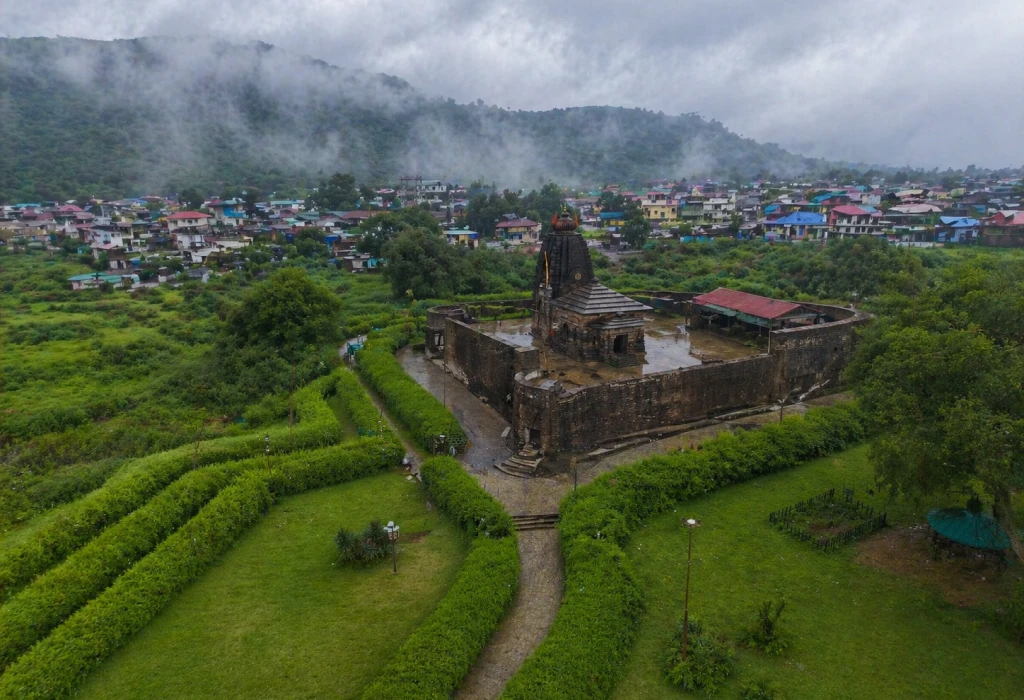
The temple complex is located at coordinates 29.907055555556°N, 79.615277777778°E in Baijnath, Bageshwar District, Uttarakhand. The site sits at 1,125 metres elevation along the Gomti river, making it accessible to pilgrims undertaking journeys through the Uttarakhand region.
Visitors should plan their visit around the three daily aartis if they wish to participate in active worship. The early morning aarti at 04:00 requires an early start but offers a quieter, more intimate darshan experience. The noon and evening aartis provide alternative times for those unable to arrive before dawn. Accommodation and facilities in Baijnath town should be arranged in advance, particularly during Shivratri and Makar Sankranti when the temple attracts large numbers of devotees.
Best Times to Visit
The optimal periods for visiting Baijnath Temple Complex are during Shivratri and Makar Sankranti, when the spiritual atmosphere intensifies and the temple hosts special observances. These festivals draw pilgrims from across the region, creating a vibrant devotional environment. However, visitors should be prepared for larger crowds during these peak periods and may wish to book accommodation well in advance.
Outside festival seasons, the temple remains open for regular darshan, offering a more tranquil experience for those seeking quieter worship. The Himalayan setting provides a serene backdrop for spiritual practice throughout the year.
How to reach
Temples near Baijnath Temple Complex
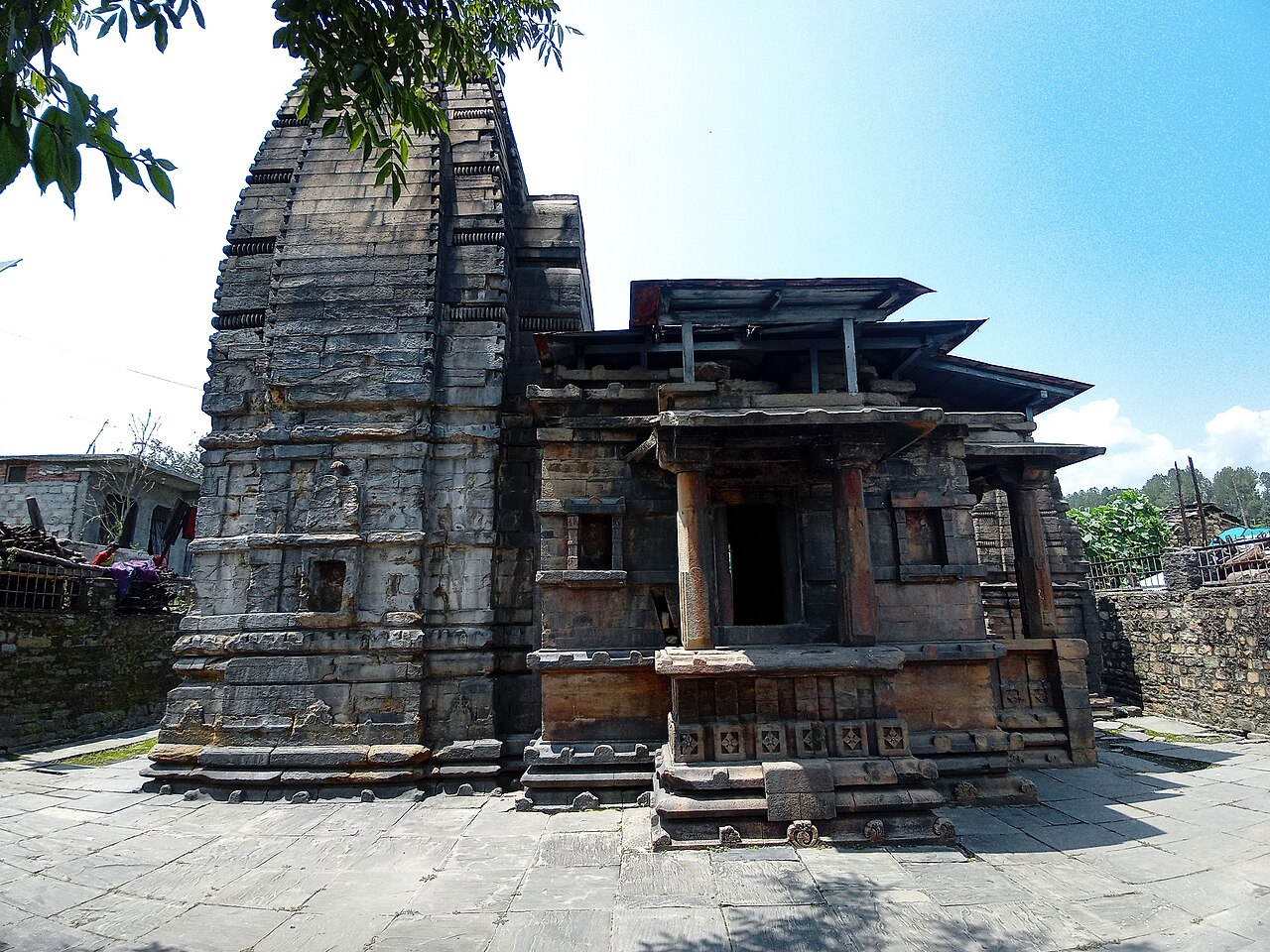
Tallihat group of temples and Katyuri mound, Uttarakhand
The Tallihat group comprises three Indo-Aryan shikara-style temples dating to the 11th–13th centuries, located near Baijnath in Bageshwar district. Designated a Monument of Nati…
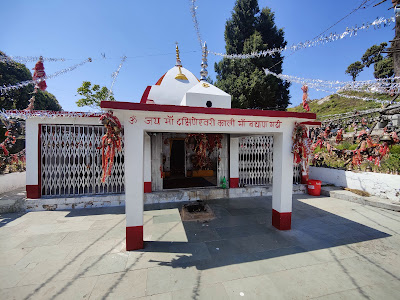
Badhangarhi temple
Badhangarhi temple is an ancient Hindu shrine dedicated to Goddess Kali, situated at 2260 meters elevation in the Himalayan foothills of Chamoli Garhwal district, Uttarakhand. T…
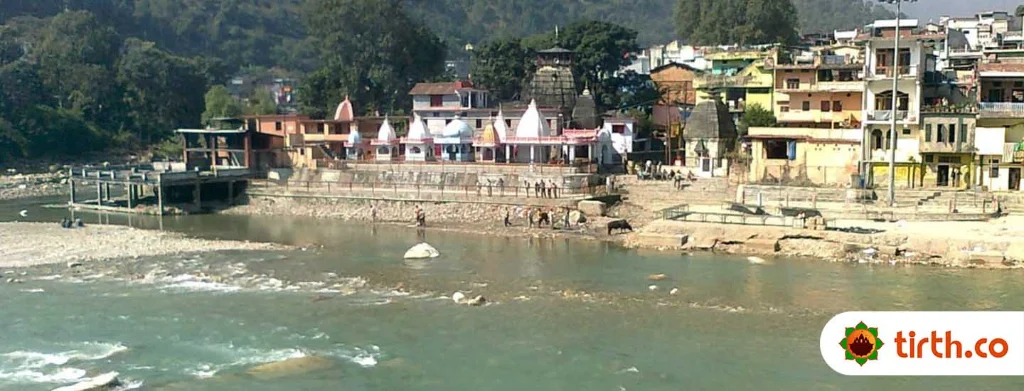
Bagnath Temple
Bagnath Temple is an ancient shrine dedicated to Lord Shiva situated at the confluence of the Sarayu and Gomati rivers in Bageshwar, Uttarakhand. The temple is renowned for its…
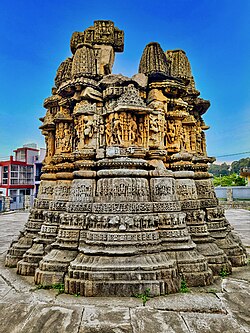
Gujjar Deva Group of Temples, Dwarahat
Gujjar Deva Group of Temples in Dwarahat is an ancient temple complex in the Kumaon hills of Uttarakhand, part of the region's rich architectural heritage built during the medie…

Badrinath Group of Temples, Dwarahat
Badrinath Temple is one of India's most sacred shrines dedicated to Lord Vishnu as Badrinarayan, located in the Himalayas of Uttarakhand. It forms part of the Char Dham pilgrima…

Golu Devata
Golu Devta Temple in Ghorakhal, Nainital is a sacred shrine dedicated to the deity of justice, revered across the Kumaon region for dispensing divine justice and fulfilling devo…