Sukrala Mata Mandir
About Sukrala Mata Mandir
The temple was established in the mid-18th century by Raja Madho Singh of Chamba, a ruler devoted to the goddess who, according to local account, founded the shrine following a divine vision. The structure was built with white marble and stone by the rulers of both the Jammu and Chamba princely states, reflecting its importance as a shared sacred site across regional boundaries. The Dharmarth Trust has maintained the temple with care over the centuries, preserving it as a living center of worship.
The Temple and Its Rituals
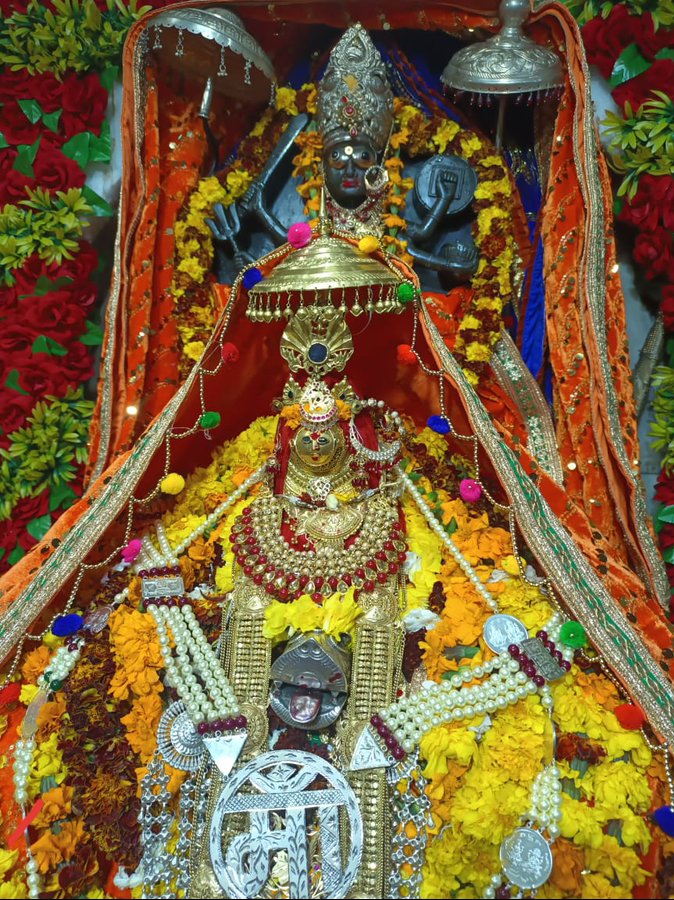
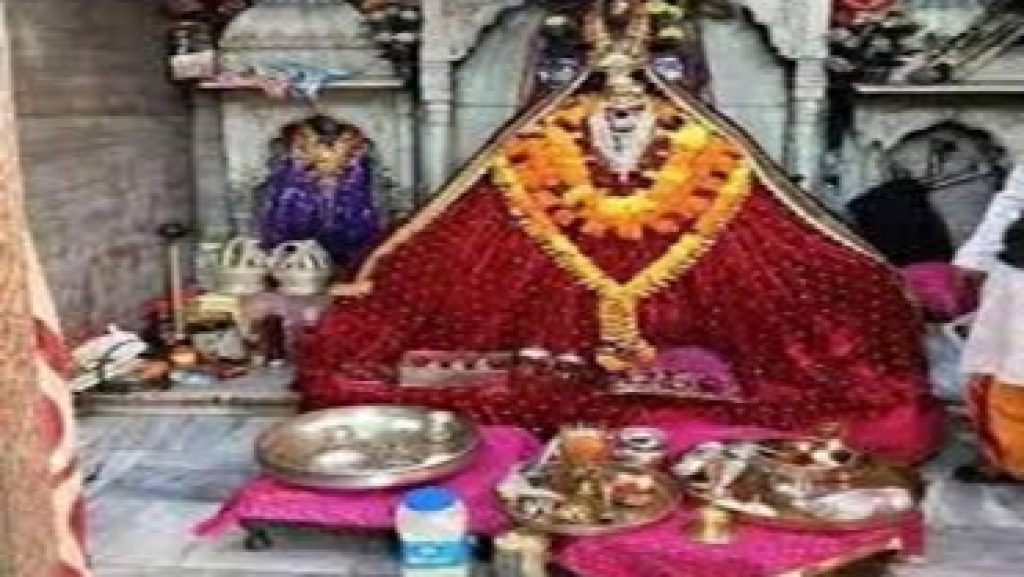
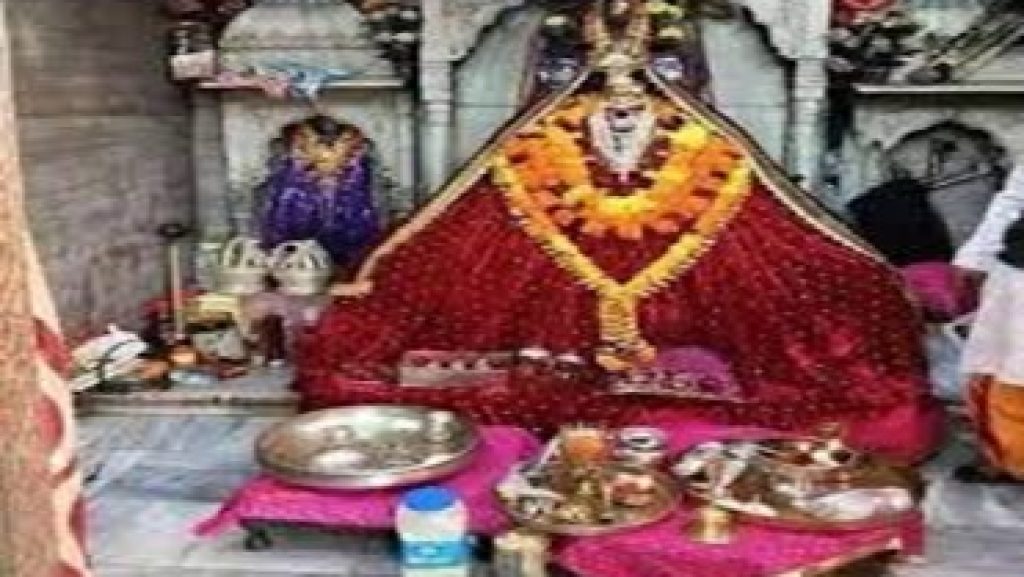
The shrine houses a striking idol of the Goddess with eight arms, seated upon a lion—an iconography common to Shakti worship traditions. Daily worship follows a structured rhythm marked by three principal rituals. The Pratah Aarti, performed at dawn, awakens the Goddess through lamps and Vedic chants. At midday, the Bhog Seva offers traditional sweets and fruits to the deity. The Sandhya Deepam, an evening lamp ceremony accompanied by drums and bell sounds, concludes the formal worship of the day.
Devotees make various offerings reflecting Shakti worship practice: chunari (cloth wrappings for the idol), shringar (adornments and flowers), and halwa prasad (a sweetened offering). A large brass bell at the temple entrance allows visitors to announce their arrival to the Mother. The temple remains open daily from 5:00 a.m. to 9:00 p.m., accommodating both early morning and evening worship.
Navratri and Annual Observances
The temple becomes a major pilgrimage destination during the two Navratri seasons—Chaitra Navratri in spring and Sharad Navratri in autumn. During these nine-day festivals, the Goddess is adorned with gold ornaments and fresh flowers, and large fairs draw thousands of devotees from Jammu, Punjab, and Himachal Pradesh for special prayers and community feasts. The Chaitra and Sharad Navratri celebrations are the most significant annual events at the shrine.
Beyond Navratri, the temple observes Deepawali with illumination of the hilltop by oil lamps and special worship of Lakshmi. Baisakhi is celebrated with traditional folk music and mass offerings. Sundays throughout the year draw regular devotees to the shrine.
Visiting the Temple: Practical Information
The temple is best visited during Chaitra Navratri, Sharad Navratri, or on Sundays. Modest traditional clothing is expected; many devotees wear red or saffron scarves. Footwear must be removed at the base or entrance of the temple. The shrine sits atop a hill requiring the climbing of several flights of stairs; while the path is well paved, the ascent may be strenuous for elderly visitors. Resting points and local assistance are available along the way.
How to Reach
The temple lies approximately 10 kilometers from Billawar town and 80 kilometers from Kathua city. The nearest major railway station is at Pathankot. Taxis and local buses are readily available from both Kathua and Jammu for the journey to the shrine. Visitors should allow time for the climb to the hilltop sanctuary.
How to reach
Temples near Sukrala Mata Mandir
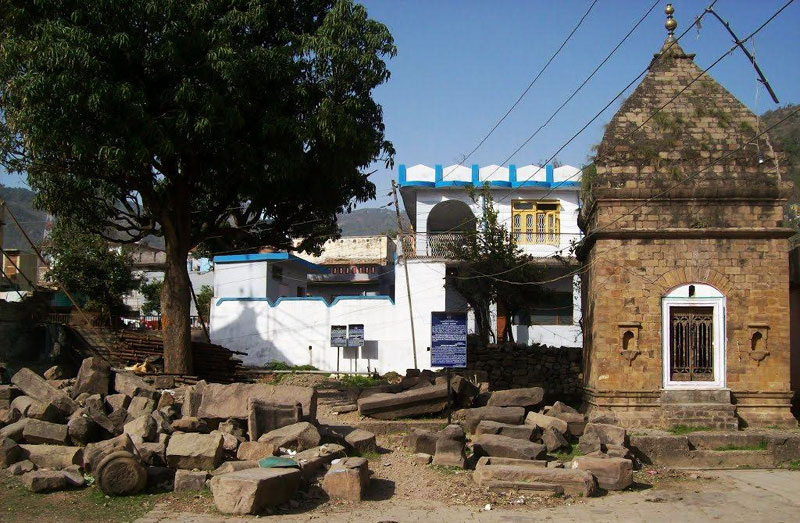
Shiv Temple, Billawar
Mahabilvakeshwar Temple in Billawar is a Lord Shiva shrine distinguished by its unique spherical dome, situated on the banks of the Bhinni river in Kathua district, Jammu and Ka…
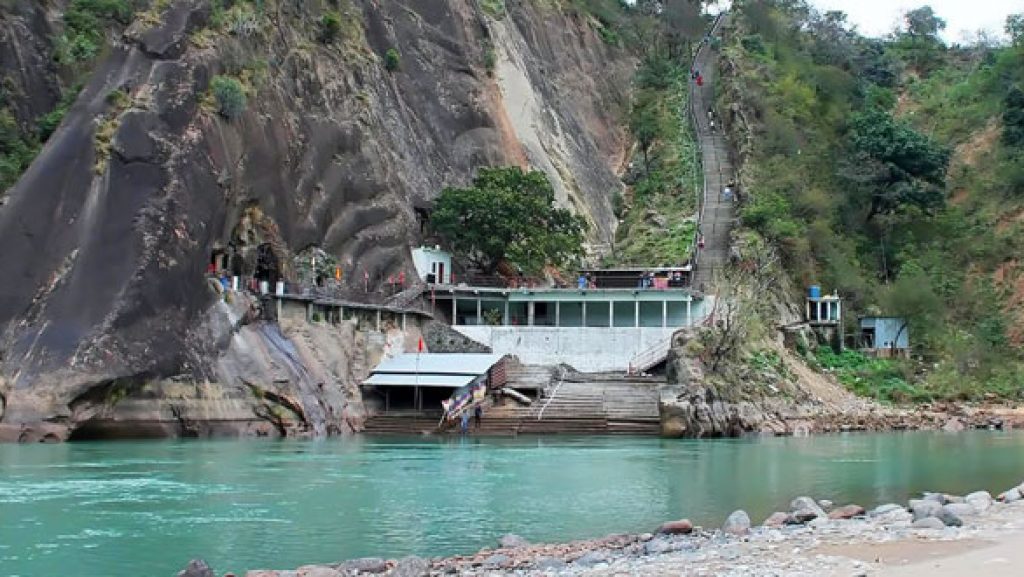
Mukteshwar Mahadev Temple
Mukteshwar Mahadev Temple is a sacred cave shrine dedicated to Shiva located near Pathankot, Punjab, housing representations of multiple deities and linked to Mahabharata-era le…
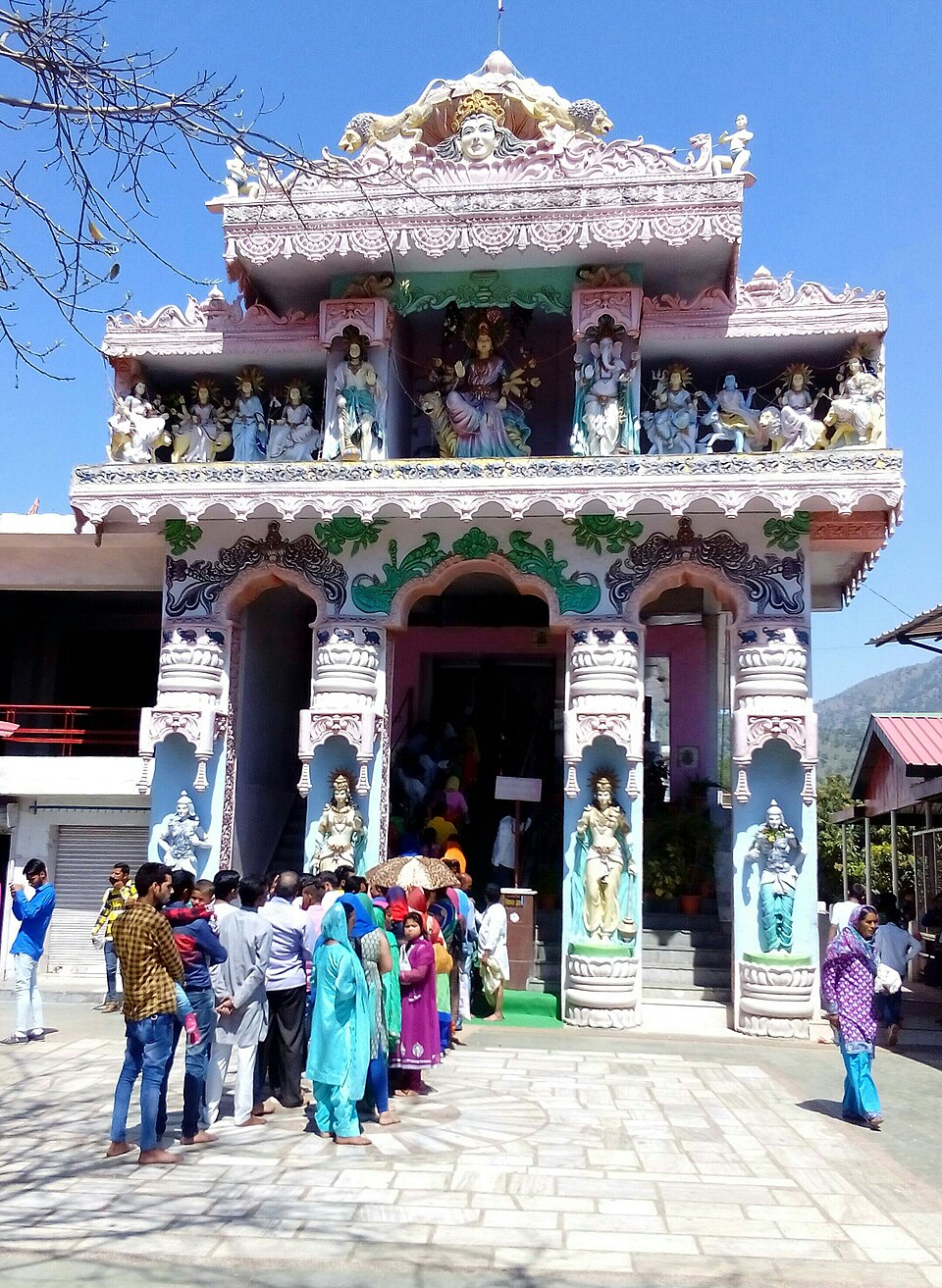
Bhalei Mata Temple
Bhalei Mata Temple, perched at 3,800 feet in Chamba district, enshrines the black stone idol of Goddess Bhadra Kali, a revered local manifestation of Shakti worshipped by Gaddi…
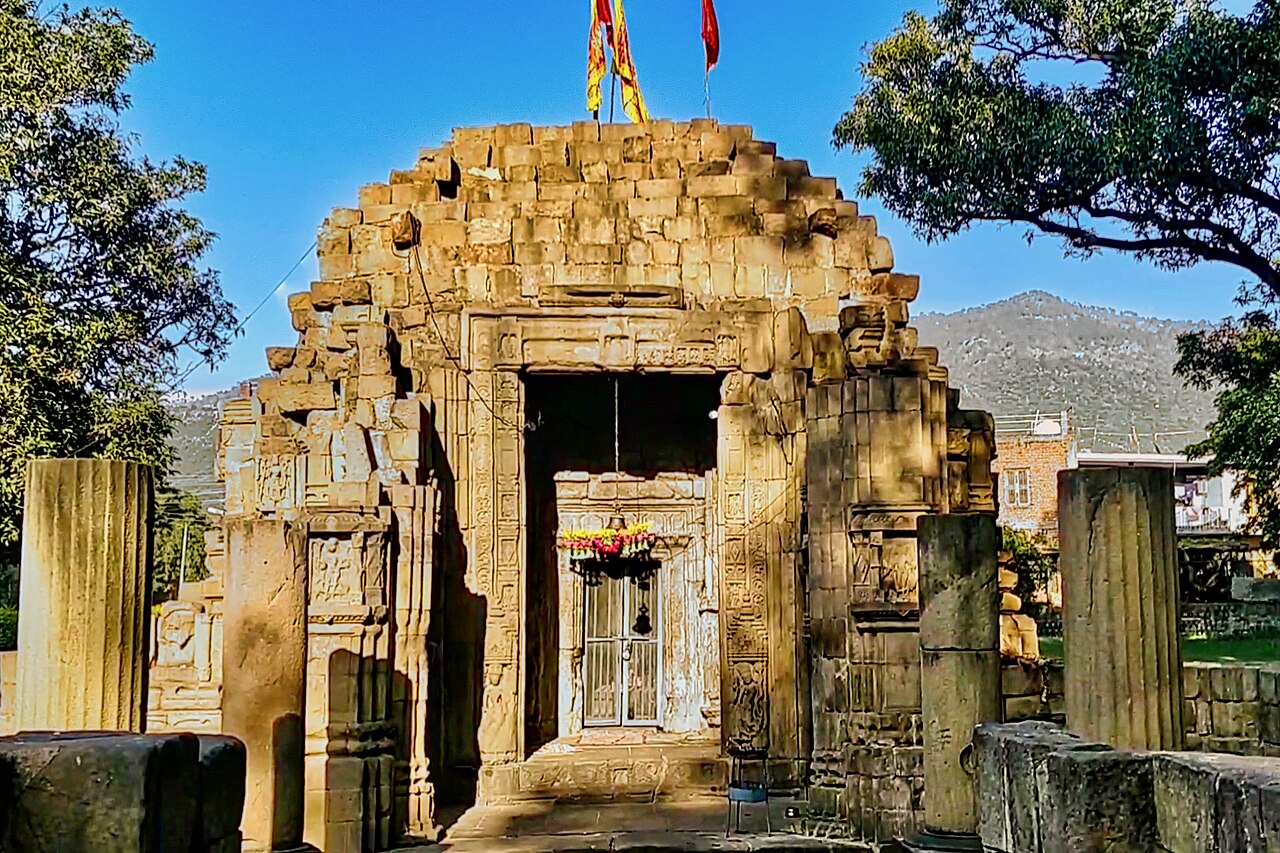
Devi Bhagwati Temple Babour Thalora
Devi Bhagwati Temple in Babour Thalora's deity and specific details remain unconfirmed in available sources.
Ancient Temples Kala Dera I and II, Thalora
The Kala Dera group comprises two ruined Hindu temples from the 10th to 11th century, situated in Manwal near Thalora in Udhampur district, Jammu and Kashmir. These structures a…
Ancient Temple Nand Babour
Shri NandBaba Temple in Nandgaon is dedicated to Nand Maharaj, the father of Lord Krishna, and is believed to be Krishna's childhood home. The temple houses deities of NandBaba,…