Shiv Temple, Billawar
About Shiv Temple, Billawar
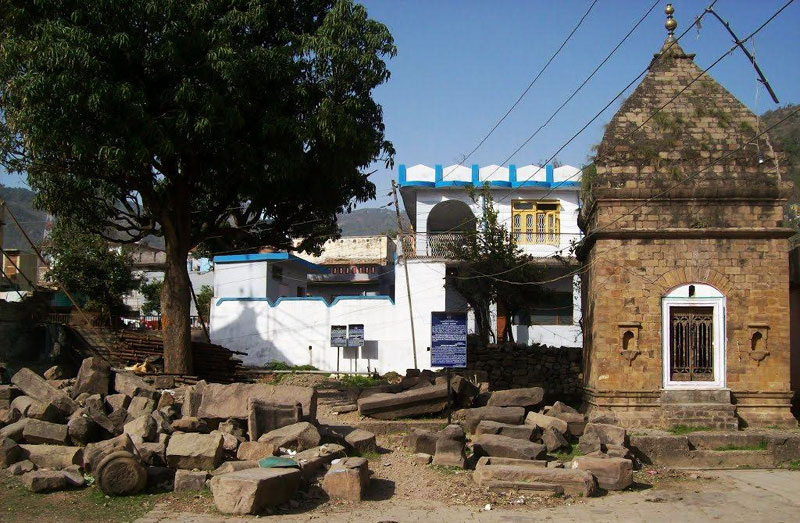
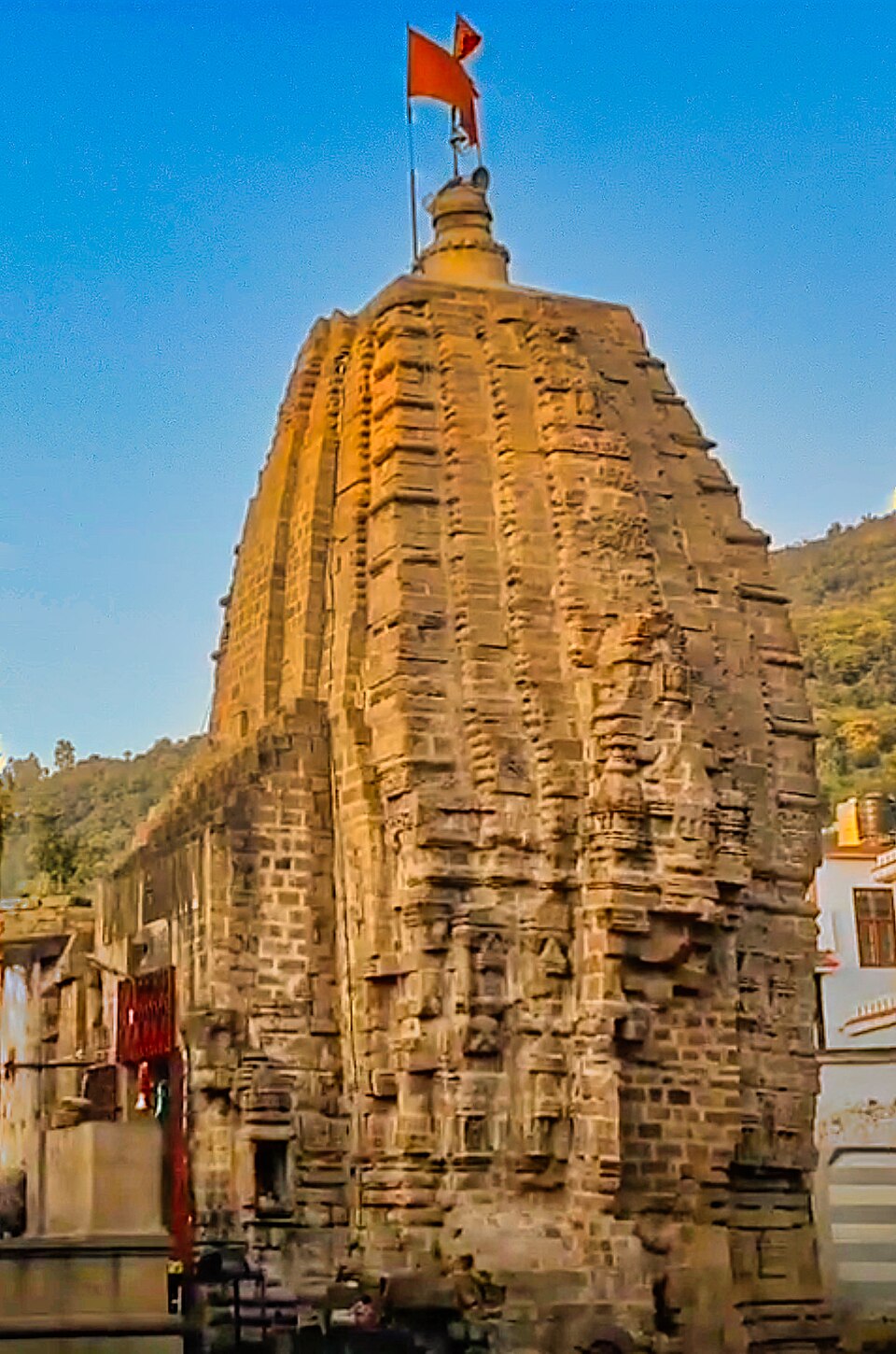
The temple exemplifies Nagara architectural style and faces west. It rests on a raised platform and comprises three main sections: the garbhagriha (inner sanctum), antral (vestibule), and mandapa (assembly hall). The walls feature plain moulding at their base and top, while the central rathas contain niches housing figures of subsidiary deities and dikpala (directional guardian) figures set within pedimented niches. The distinctive curvilinear shikhara (tower) rises in ten tiers and is decorated with chaitya dormer designs on the central ratha. The mandapa's ceiling employs a lantern design.
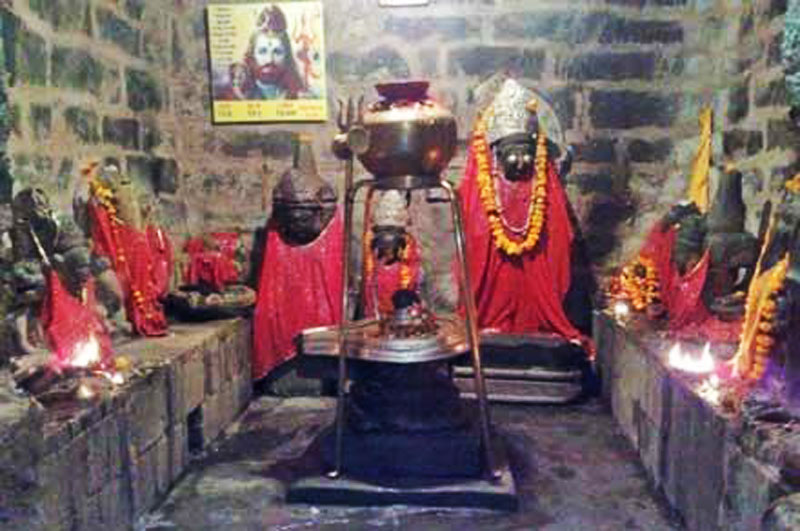
Of the mandapa's original structure, only the rectangular base of four central pillars and twelve pilasters remain standing today. A porch and stairway on the western front were recently uncovered after being buried beneath the road surface. The temple contains a Shivlinga in its sanctum, along with other sculptures of refined workmanship carved from black stone, demonstrating the skilled artisanship of its period.
Worship and the Deity
Lord Shiva, one of Hinduism's principal deities, is worshipped here with reverence. The temple functions as a center for prayer, the seeking of blessings, and the performance of religious ceremonies. Devotees visit to engage in worship practices traditional to Shaivite temples, though specific details of daily rituals at this particular site are not documented in available sources. The presence of the Shivlinga—the symbolic representation of Shiva—forms the focal point of worship within the sanctum.
Visiting the Temple
The temple is located at coordinates 32°36'N, 75°36'E, approximately 150 kilometers east of Jammu city and 80 kilometers north of Kathua town. Visitors should dress modestly when entering the temple, as is customary at Hindu places of worship. Specific information regarding visiting hours, entry fees, or facilities such as ablution areas is not available from current sources; it is advisable to inquire locally before planning a visit.
The temple attracts larger numbers of visitors during Hindu festivals, when devotees gather for special observances. The peaceful surroundings and natural beauty of the Billawar area make the temple accessible to those seeking both spiritual experience and engagement with the region's cultural landscape.
Getting There
Billawar lies in the Kathua district, positioned between 32°36 degrees north latitude and 75°36 degrees east longitude. The town is situated 150 kilometers east of Jammu and 80 kilometers north of Kathua. Visitors traveling from Jammu should plan for approximately three to four hours of travel by road. The nearest major city is Jammu, which has road and rail connections to other parts of Jammu & Kashmir and India. Local transportation within Billawar can be arranged through taxis or auto-rickshaws once you arrive in the town.
How to reach
You may also visit
Kalyanji Temple
Kalyanji Temple in Jaipur's Chandpol Bazaar is approximately two centuries old and renowned for displaying the twenty-four avatars of Krishna, visible only twice yearly during Akha Teej and Patottsav festival.
Sastha (Ayyappan) Temple
Sree Dharma Sastha Temple in Thycaud, Thiruvananthapuram, is a centuries-old shrine where the deity manifests as Dhanwanthari, the divine healer, holding the sacred blue lotus.
Govindarajaswamy Temple
Sri Govindarajaswamy Temple in Tirupati is an ancient Vaishnavaite shrine consecrated in 1130 AD by Saint Ramanuja, where the presiding deity rests in eternal Yoga Nidra on the serpent Adisesha.