Mukteshwar Mahadev Temple
About Mukteshwar Mahadev Temple
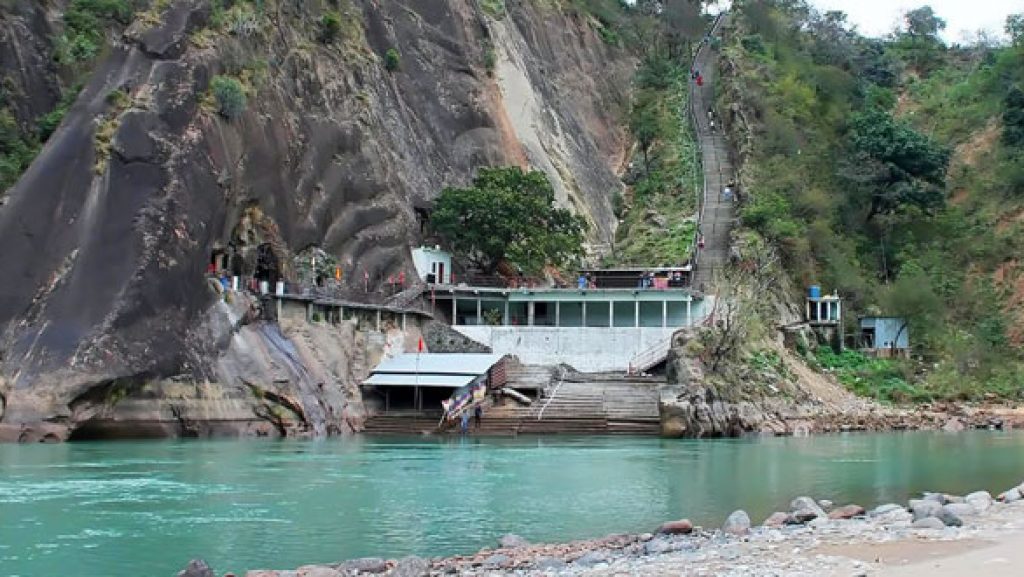
According to tradition, the temple's origins trace to the Mahabharata era, though this attribution remains legendary rather than historically documented. Local lore holds that the Pandavas sheltered in these caves during their period of exile, and some of the cave structures are believed to date to that ancient time. Whether the caves themselves are of such antiquity or were later expanded and adapted for worship, they have become woven into the temple's identity and the devotional narratives surrounding it.
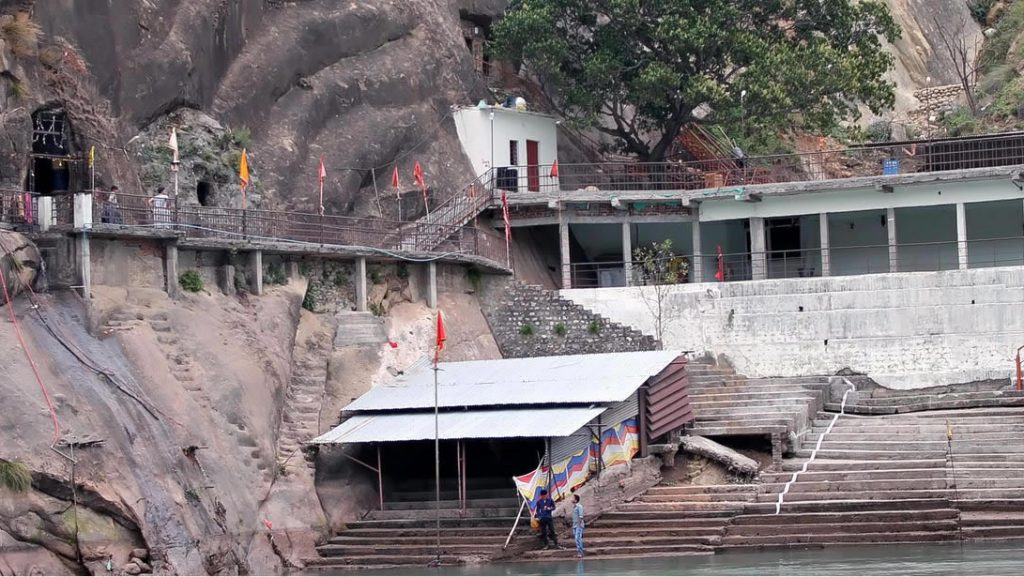
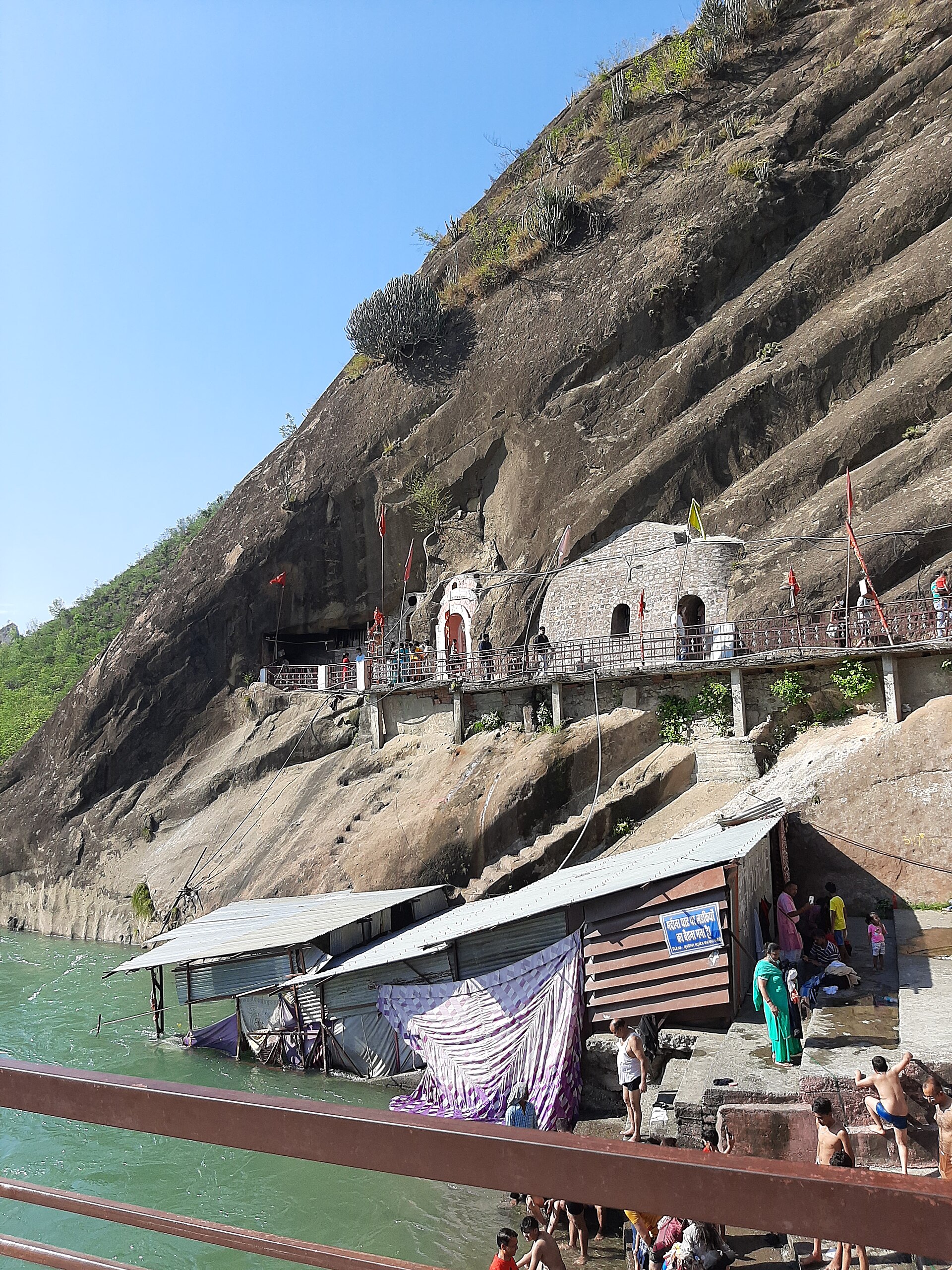
The caves themselves constitute the primary architectural feature of the site, serving as both shelter and sacred space for worship.
Daily Worship and Darshan
The temple opens daily from 5:00 AM to 8:00 PM year-round. Two principal aartis (ritual worship ceremonies) structure the day: the morning aarti at 5:30 AM and the evening aarti at 7:00 PM. There is no entry fee, and no formal darshan ticket system exists.
Early morning visits before 6:00 AM offer the quietest conditions for darshan and the clearest views of the surrounding landscape. The sunrise viewpoint at Chauli Ki Jali, a five-minute walk from the temple, is particularly striking between 5:30 and 6:30 AM depending on the season. Evening aarti attracts fewer pilgrims and offers softer light for those who prefer a less crowded experience. Devotees typically bring offerings such as flowers, incense, or prasad (blessed food) to present at the shrine, though visitors should inquire about any specific guidelines the temple maintains regarding offerings.
Festivals and Busy Periods
Mahashivratri, the festival dedicated to Shiva, draws significantly larger crowds to the temple. During this observance, typically in late February or March, the temple remains open through the night with continuous bhajan and special pujas. The Mondays of Sawan—the Hindu month falling in July and August—also see notably increased pilgrimage and earlier opening times; visitors planning to attend during this period should aim to arrive before 6:00 AM to avoid the heaviest crowds. Kartik Purnima similarly attracts regional pilgrims. Outside these festival periods, the temple remains relatively uncrowded throughout the year.
Visitor Information and Etiquette
Modest dress is recommended, with covered shoulders and knees appropriate for the sacred space. Footwear is removed at the entrance. Photography is permitted in the courtyard but restraint is expected inside the shrine itself. Visitors are expected to maintain quiet and respectful behaviour throughout, particularly in areas where active worship is taking place.
The final approach to the temple involves a 200-meter stone-step climb of moderate effort, generally manageable for elderly visitors with rest breaks. Walking sticks prove useful in winter when snow makes the steps slippery. The temple sits at the highest point of the surrounding area, offering expansive views across the landscape.
Reaching the Temple
The temple is located on the Shahpur Kandi Dam road in Doongh village near Pathankot City, at coordinates 32.4251, 75.733. Parking is available immediately below the temple steps. From nearby accommodations in the area, the temple is typically a 5–10 minute drive or a 30–40 minute walk along the ridge road. The final 200-meter climb to the shrine entrance requires moderate effort.
Nearby points of interest include Chauli Ki Jali, a dramatic cliff edge with panoramic views located 200 meters behind the temple, and the Bhalu Gaad waterfall trek, accessible from the temple road at a distance of approximately 6 kilometers.
How to reach
You may also visit
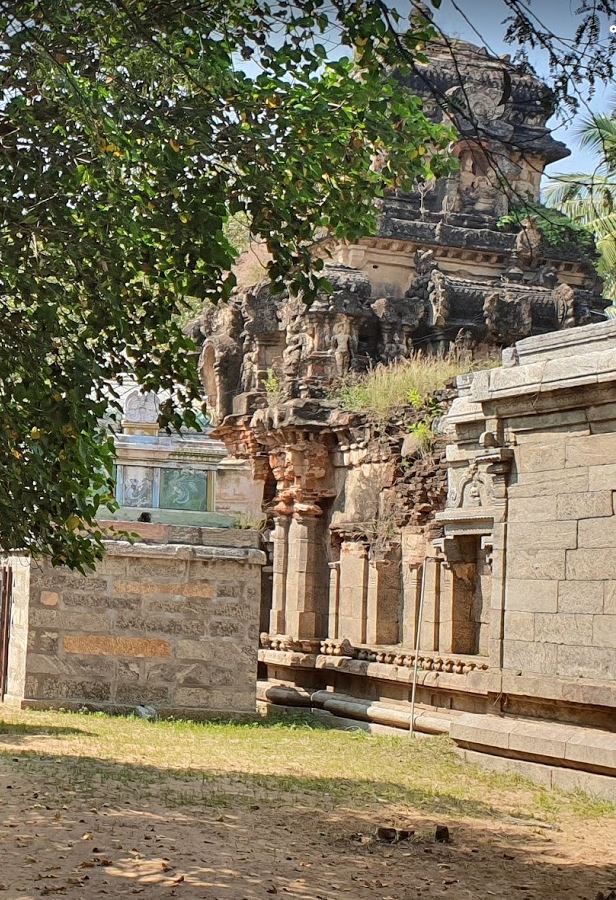
Agatheeswarar Temple, Karur
Agatheeswarar Temple in Thirumukkudalur, Karur district, is an ancient Hindu shrine dedicated to Shiva, situated at the sacred confluence of three rivers and believed to be over 1000 years old.
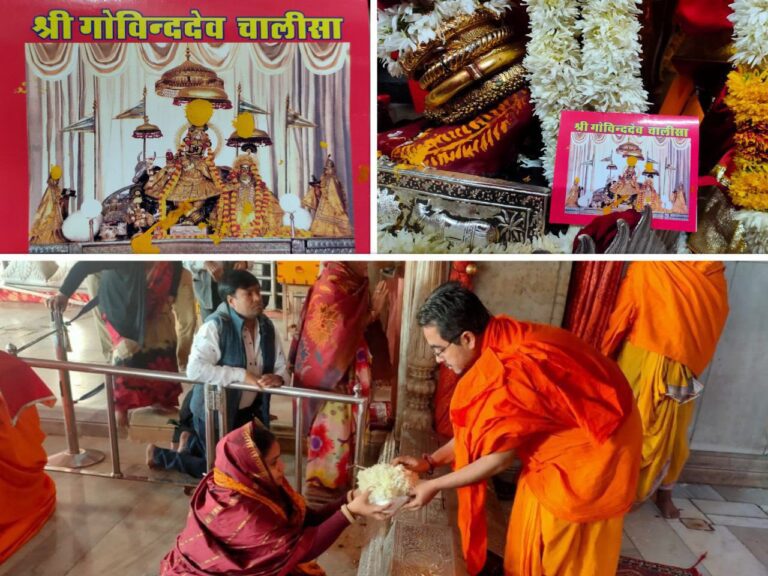
Kalyanji Temple
Kalyanji Temple in Jaipur's Chandpol Bazaar is an ancient Krishna shrine established in the 1820s, renowned for its seven daily aartis and special avatar darshan ceremonies during Akha Teej and Patottsav festivals.
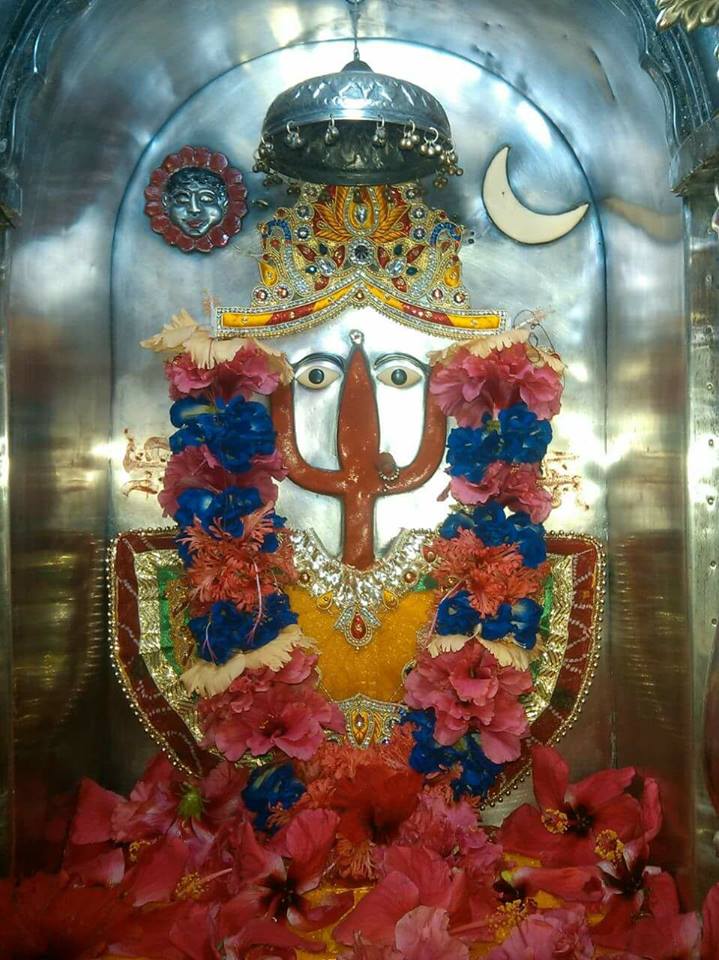
Rani Sati Mandir Mahuda
Rani Sati Mandir in Mahuda, Dhanbad District, is a Hindu temple established in 1992 that serves as a spiritual center for the local community and attracts devotees seeking blessings.