
Singhasari temple
About Singhasari temple
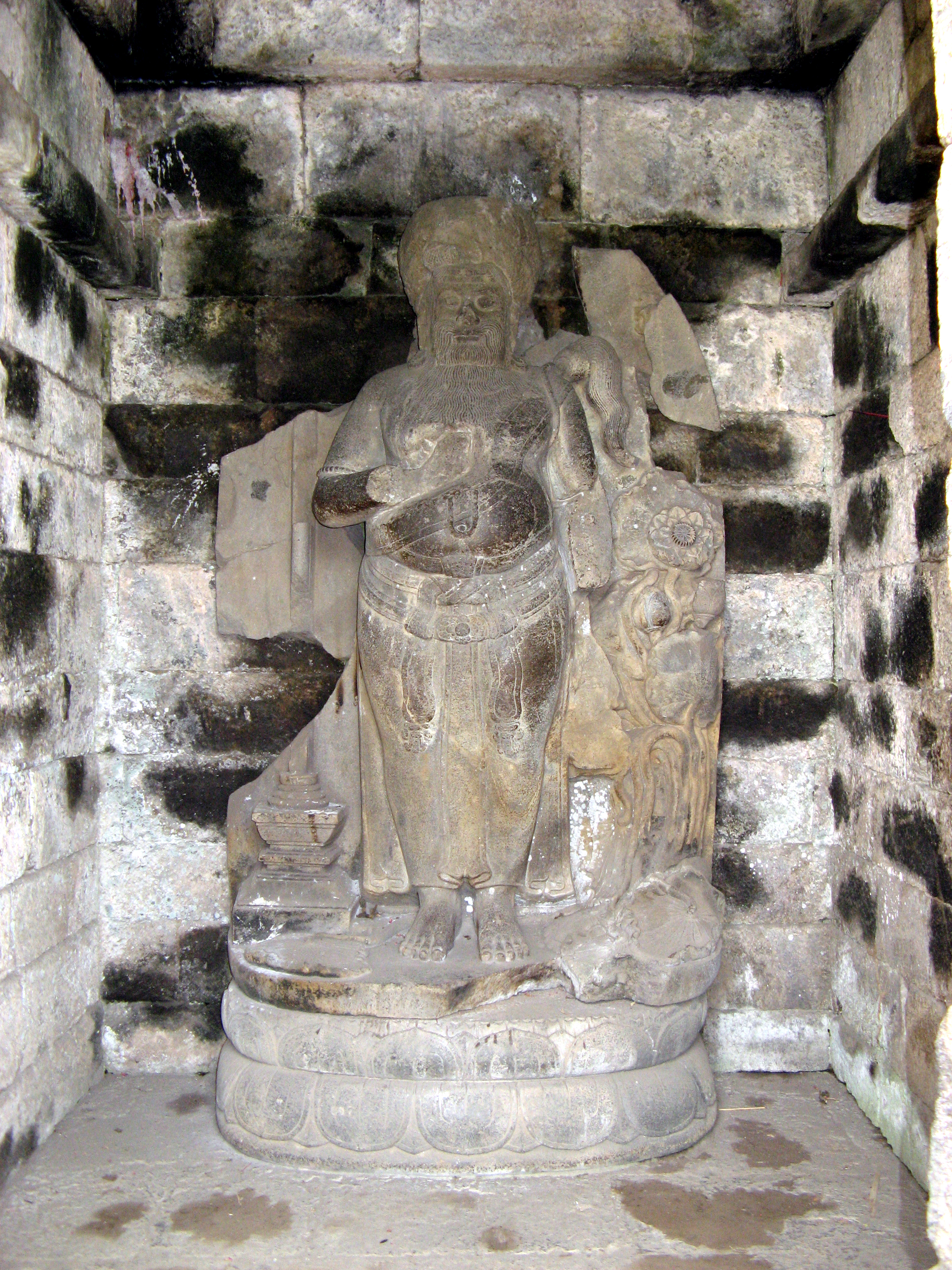
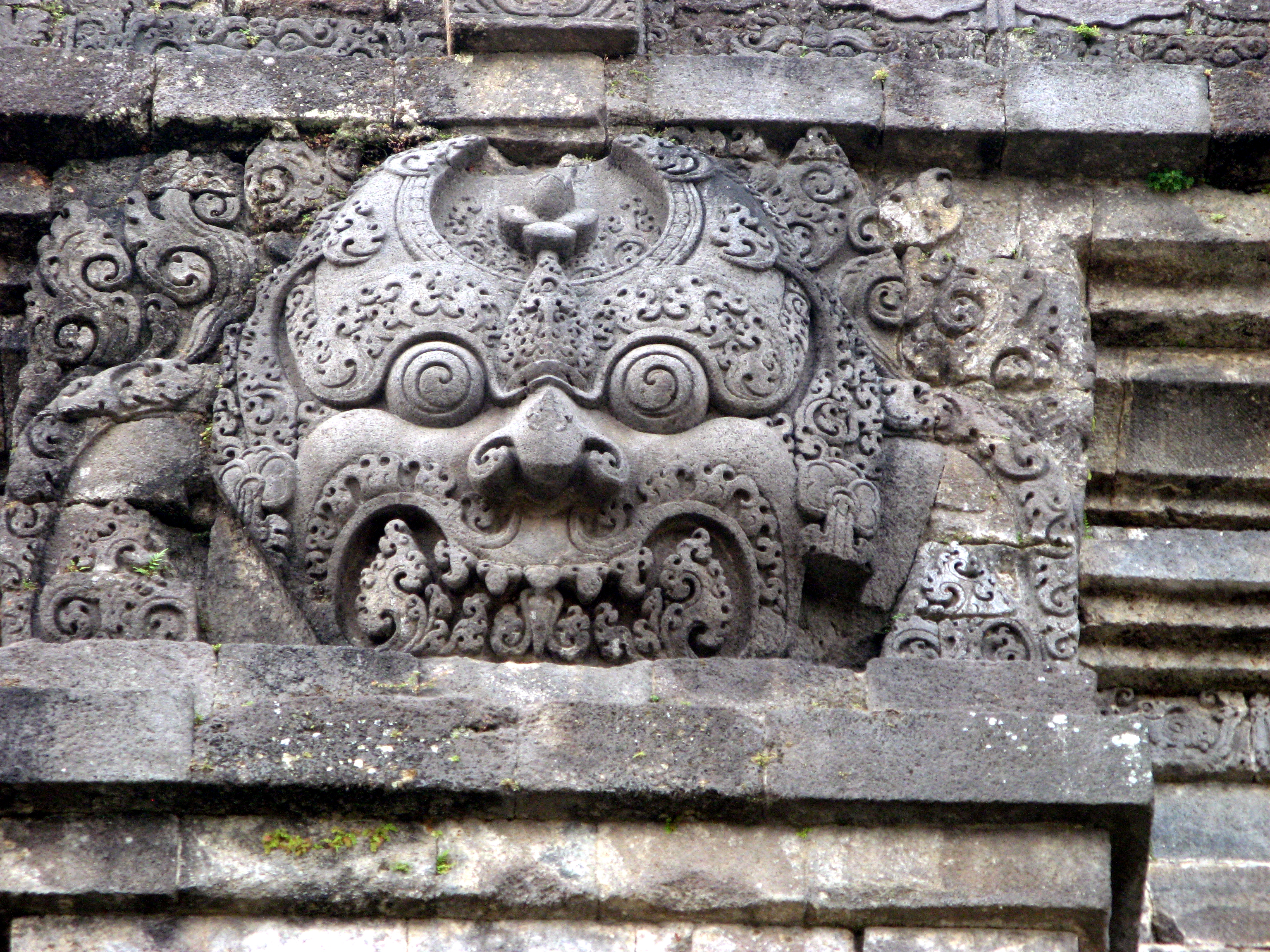
The temple dates to the 13th century, placing it among the significant religious structures of medieval East Java. Its architectural form reflects the syncretic vision of its builders, with the compartmentalization of spaces allowing for distinct ritual practices. However, visitors should understand that the temple survives in an incomplete state. Some sections may be unstable or restricted from access, and exploration of the structure requires caution. The passage of centuries and the tropical climate of East Java have taken their toll, making certain areas potentially unsafe for visitors.
Conservation work may affect access at any given time, and seasonal conditions can influence which parts of the site remain open to the public. Before planning a visit, it is advisable to confirm current conditions and any restrictions that may be in place.
Visiting the Temple
Singhasari Temple is located at Jalan Kertanegara in Candirenggo village, Singosari district, Malang Regency, East Java, approximately 10 kilometers north of Malang city. This proximity to Malang makes it feasible as a day visit from the city center, though visitors should allow time for travel and exploration of the site itself.
The temple functions as both a historical monument and an active religious site, though specific details about current daily rituals and worship schedules are not extensively documented. Visitors should dress respectfully when approaching the temple, following the conventions observed at Hindu and Buddhist sacred sites. This typically means covering shoulders and knees, and removing footwear before entering sanctified areas. Given the temple's incomplete condition and the potential for unstable sections, wear sturdy footwear suitable for uneven terrain and be prepared to navigate carefully through the site.
Historical Significance
The temple's importance lies not only in its architectural innovation but in what it reveals about religious life during the Singhasari period. The coexistence of Hindu and Buddhist spaces within a single royal monument suggests a court culture comfortable with religious plurality and capable of honoring multiple traditions simultaneously. This approach to faith differs markedly from later periods in the region, making Singhasari Temple a window into a particular moment in East Java's spiritual history.
The temple's documentation in medieval texts indicates that it was known and valued by the ruling elite of the time. Its survival, however fragmentary, allows modern visitors to encounter directly the physical expression of this syncretic vision.
Planning Your Visit
Before traveling to Singhasari Temple, confirm current opening times and any access restrictions, as these may change due to conservation efforts or seasonal factors. The site lies within reach of Malang's transportation network, making it accessible by local transport or private vehicle. Allow adequate time for the journey from Malang city and for exploring the temple grounds themselves.
Bring water and sun protection, as the site offers limited shelter. The incomplete nature of the structure means there are no modern facilities on-site. Visitors with mobility concerns should be aware that the terrain may be uneven and some areas may not be easily accessible. Photography may be permitted, but it is respectful to ask before photographing any active worship or ritual spaces, should these be occurring during your visit.
How to reach
Temples near Singhasari temple
Badut Temple
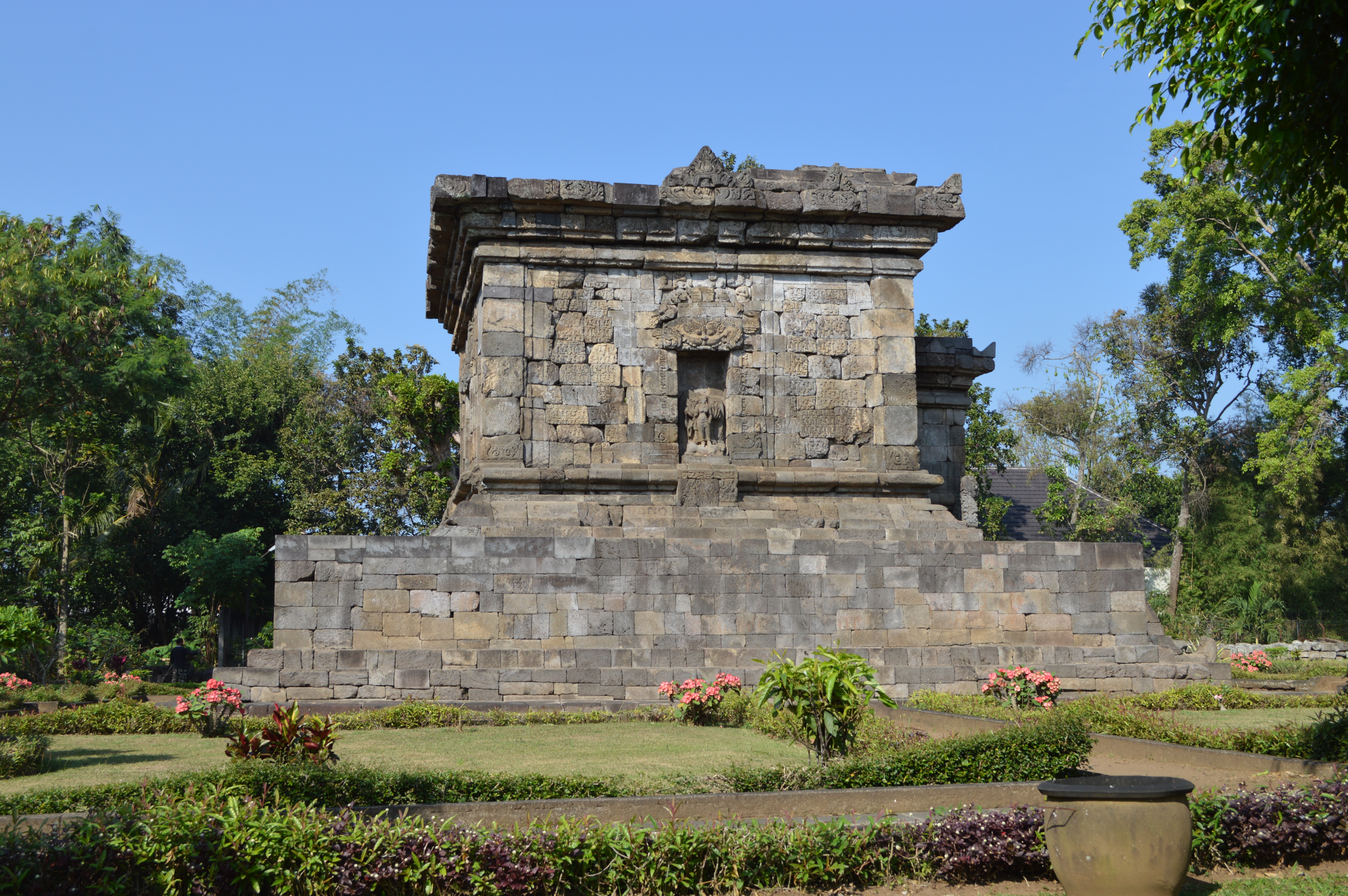
Badut Temple is an 8th-century Hindu shrine constructed from andesite stone, located in East Java's Malang Regency and representing an important archaeological monument from Jav…
Kidal Temple
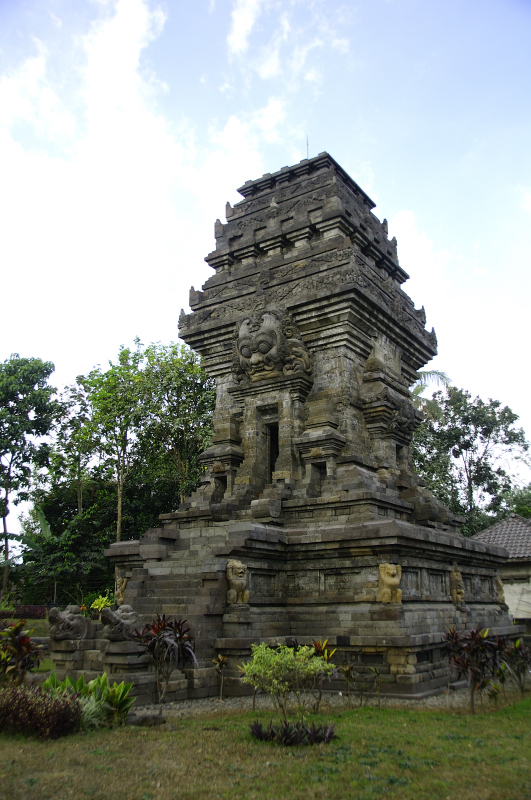
Kidal Temple is a 13th-century Hindu shrine built during the Singhasari dynasty in East Java, Indonesia. The three-tiered structure features distinctive Javanese medieval archit…
Jawi Temple
Jawi Temple is a 13th-century Hindu-Buddhist mortuary monument on Mount Welirang's eastern slope, built during the Singhasari kingdom to honor King Kertanegara's memory.
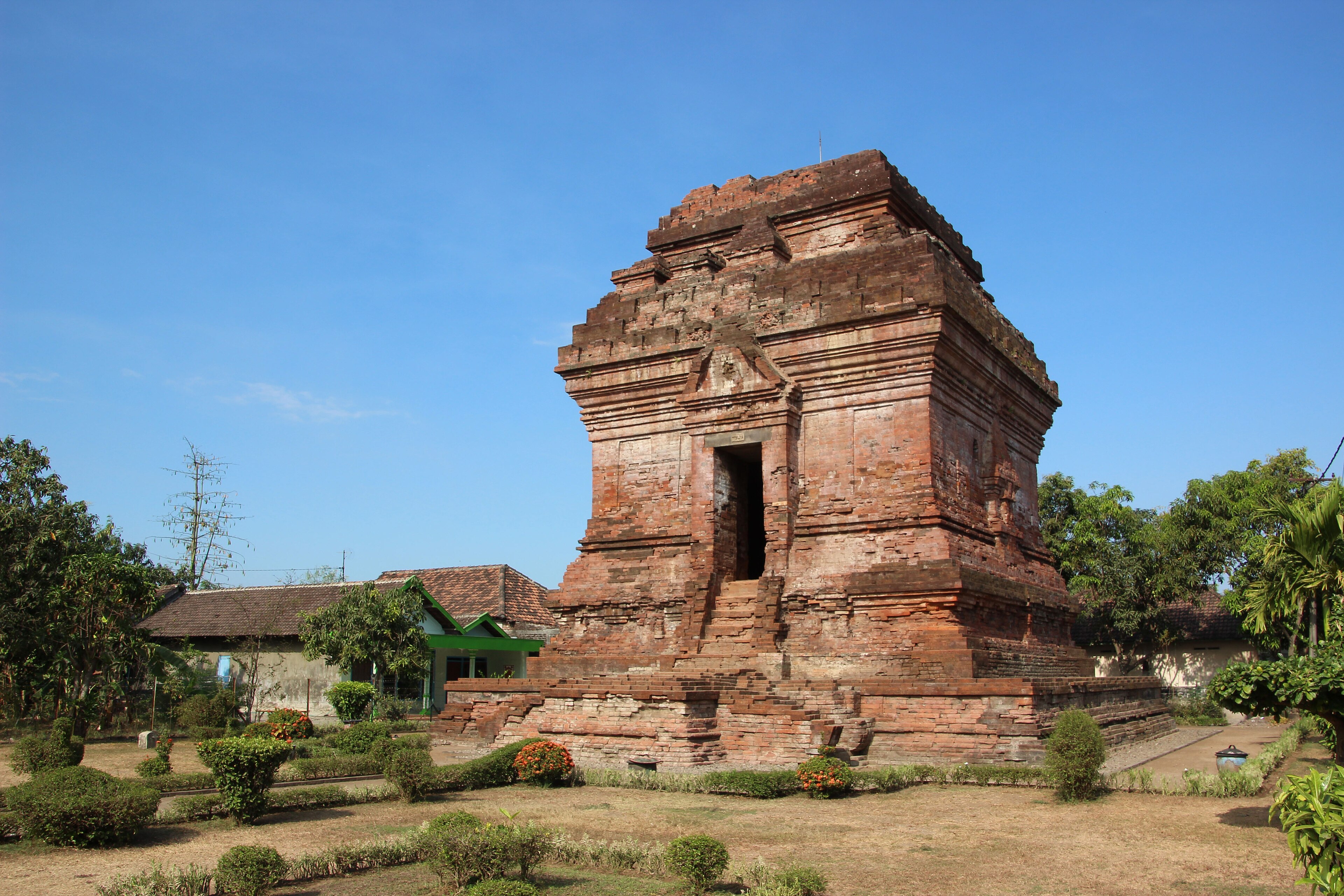
Pari Temple
Pari Temple is a 14th-century Hindu brick temple located in East Java, Indonesia, representing an important period of medieval Hindu architecture in the region.
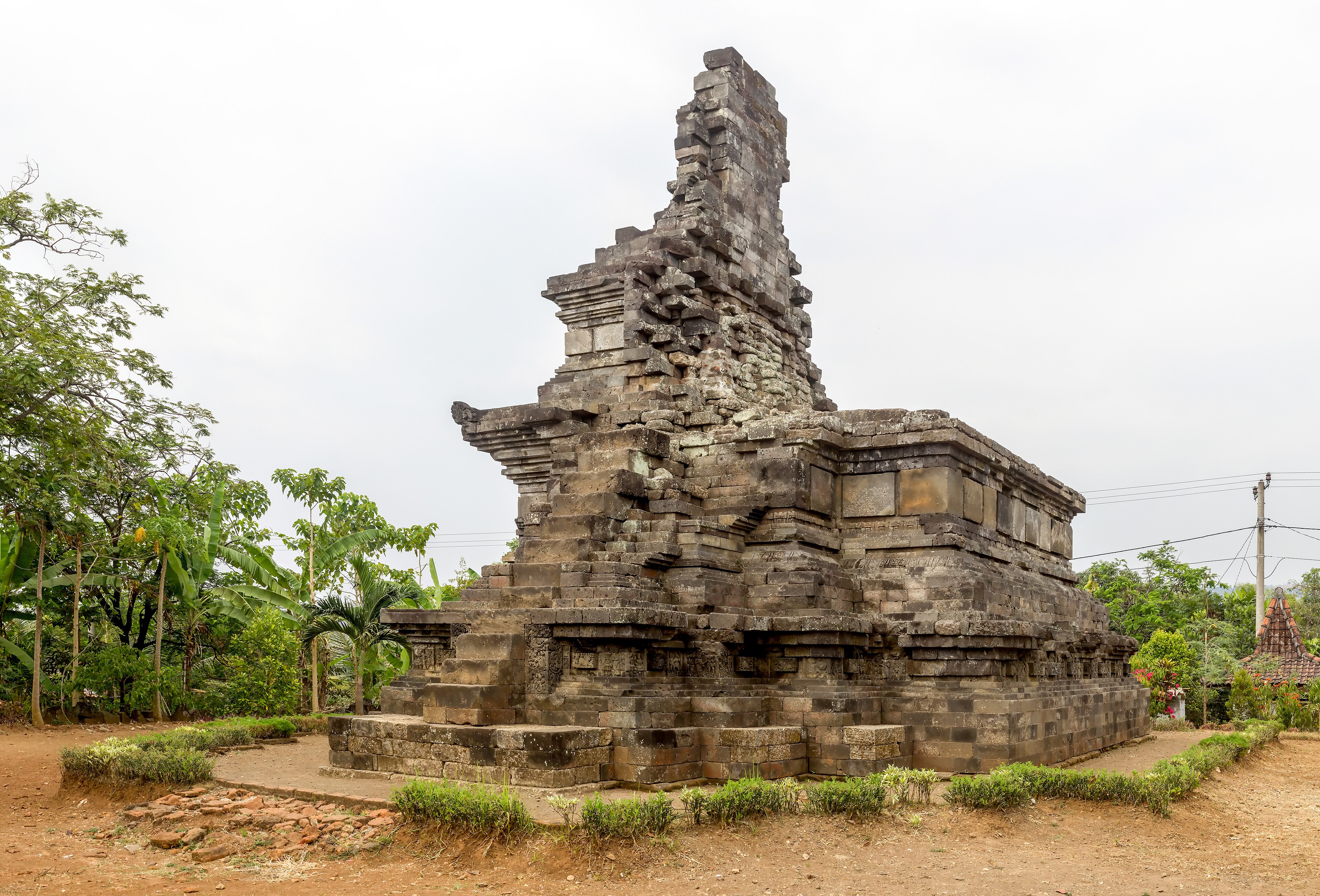
Rimbi Temple
Rimbi Temple, also known as Cungkup Pulo, is a 14th-century Hindu temple in Jombang Regency, East Java, built by the Majapahit Kingdom to commemorate Queen Tribhuwana Wijayatung…

Trowulan
Sri Venkateswara Temple at Tirumala is one of the world's richest and most-visited Hindu temples, dedicated to Lord Venkateswara (a form of Vishnu) and situated atop the Tirumal…