Badut Temple
About Badut Temple
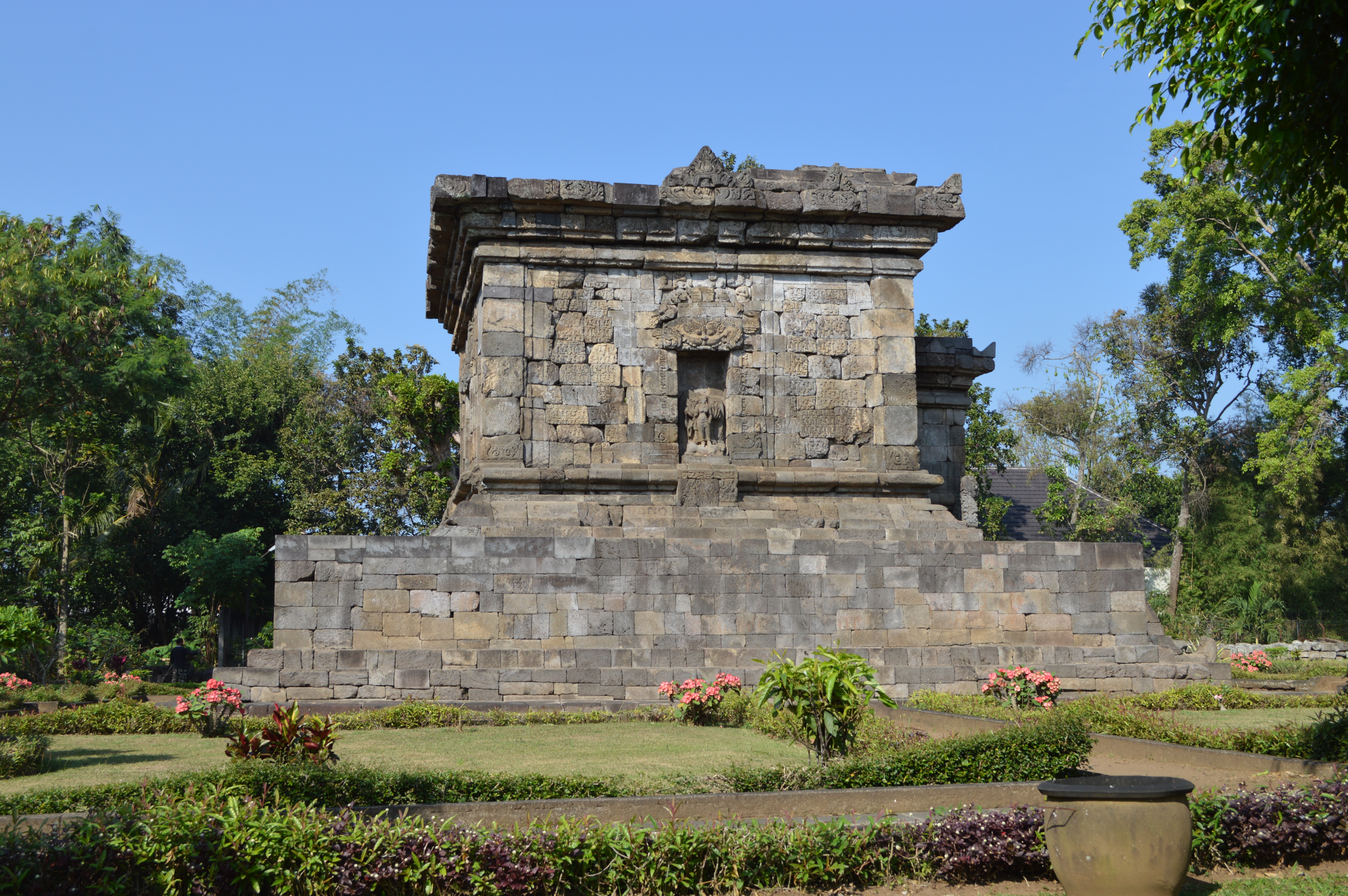
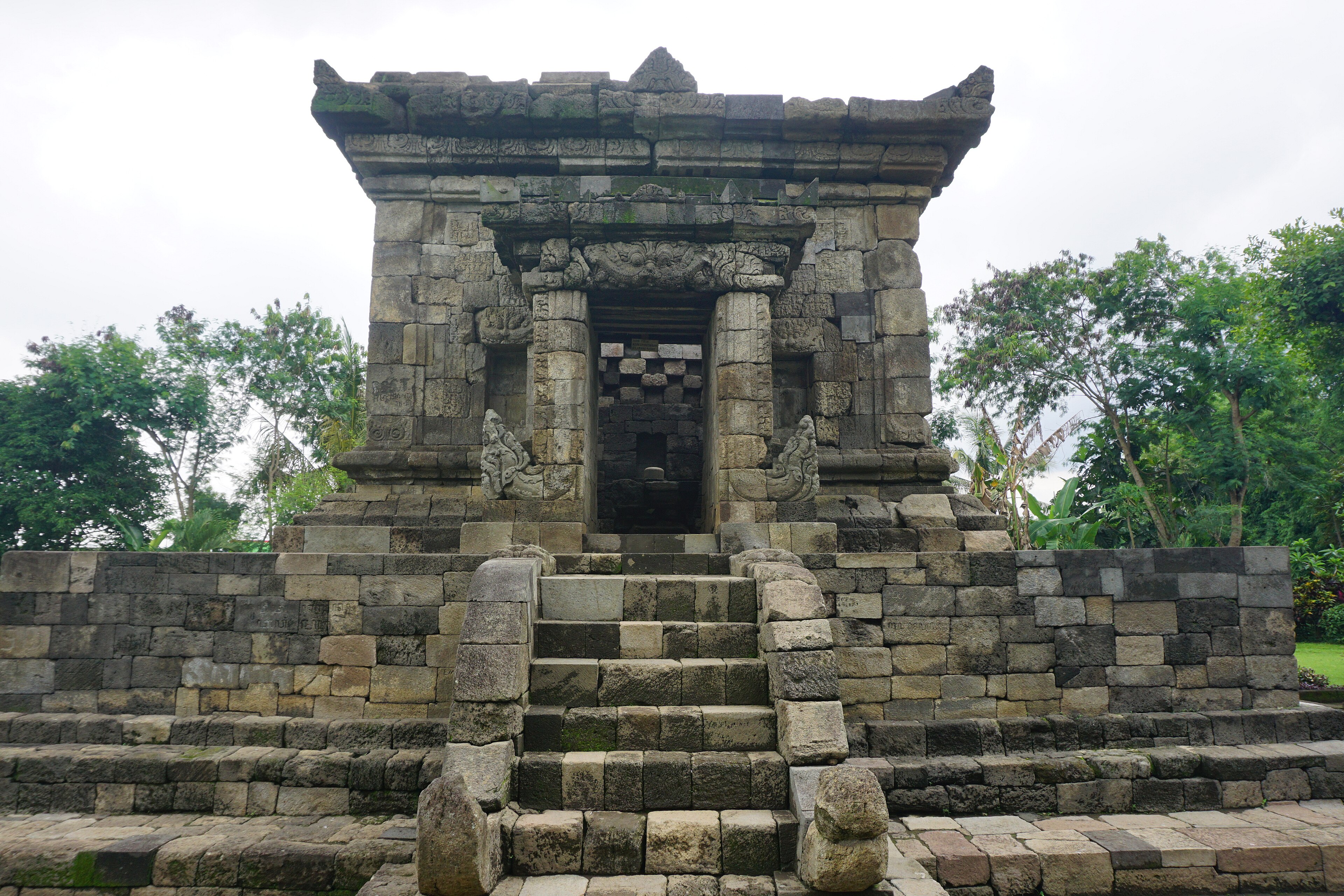
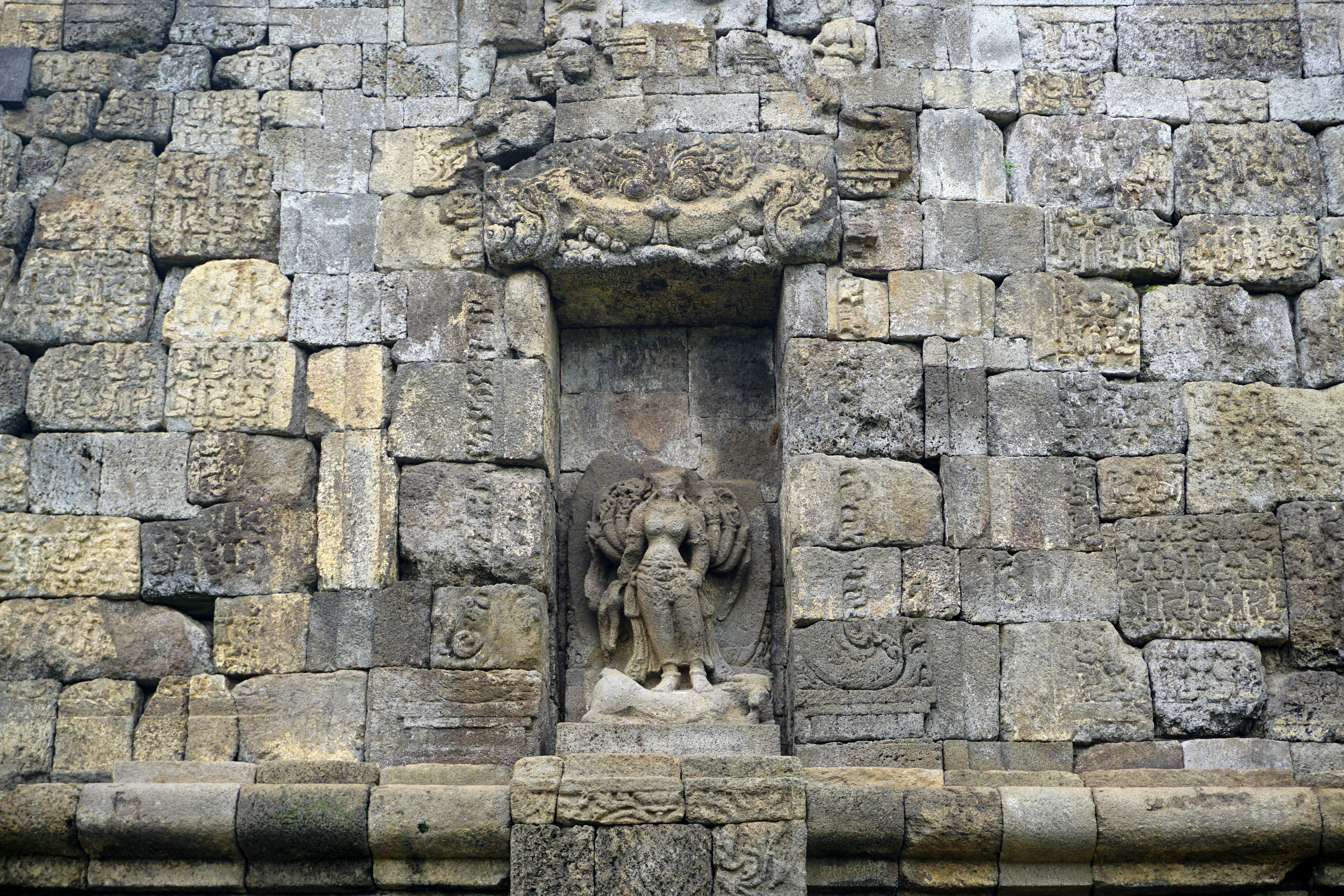
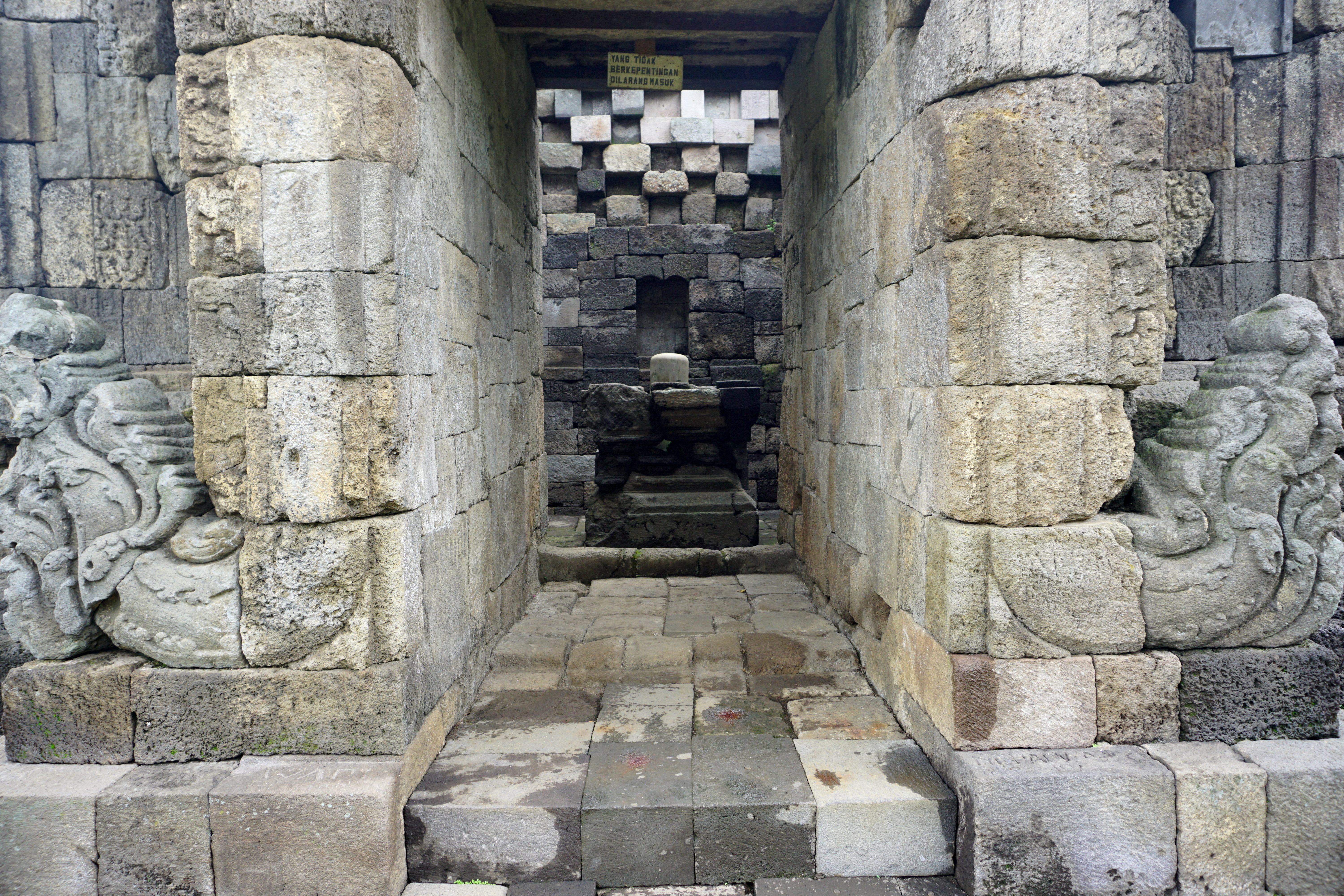
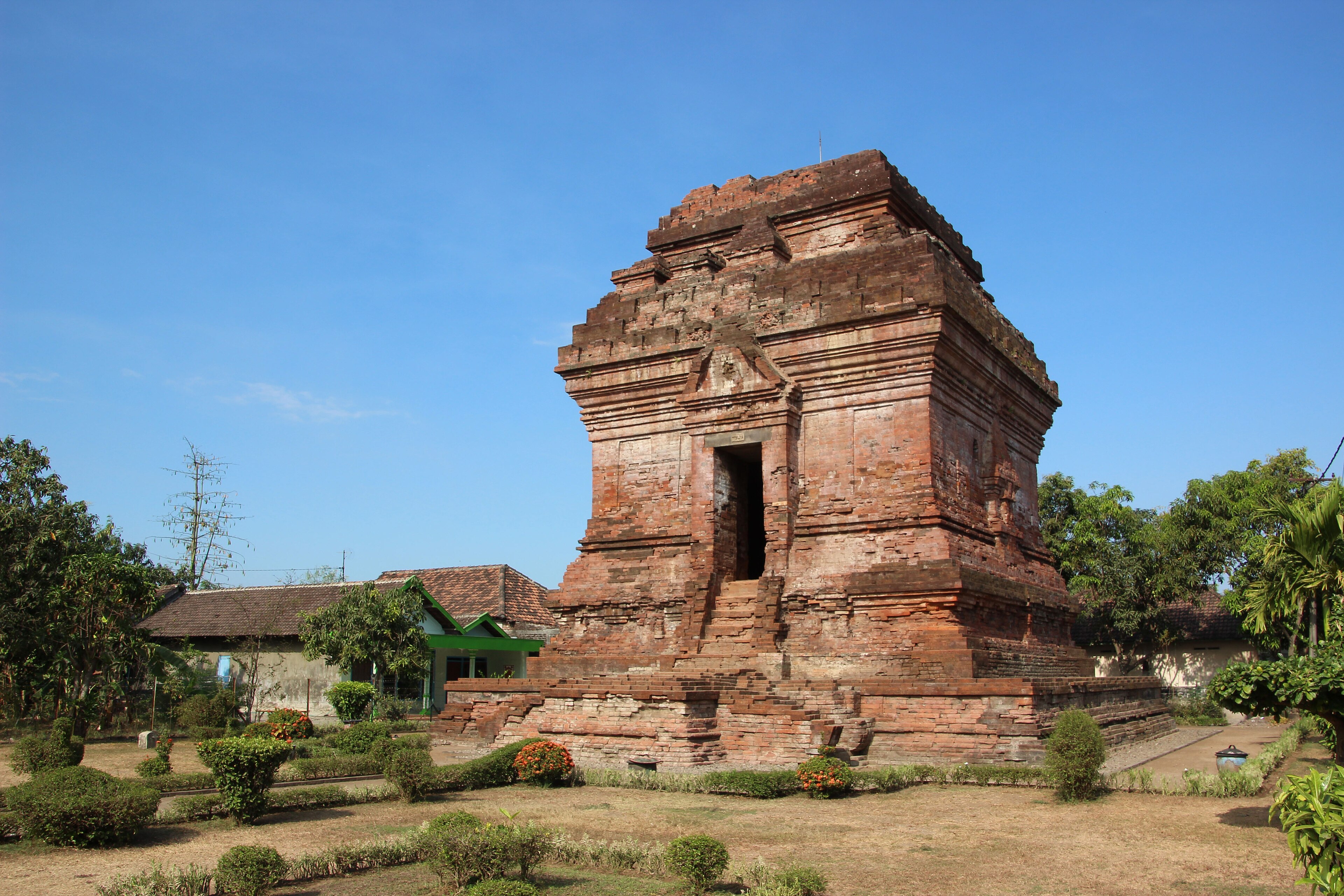
The temple's construction from andesite stone reflects the building practices available in the region. This volcanic stone, durable and workable, allowed craftsmen to create a structure capable of withstanding centuries of weathering and seismic activity. The temple's design and layout follow patterns typical of Hindu temple architecture from this period in Java, though detailed descriptions of its specific architectural features—such as the arrangement of its chambers, the presence or absence of a gopuram, or the nature of its sculptural decoration—are not available in standard sources. Visitors interested in the technical and artistic aspects of the structure should seek guidance from local archaeological authorities or temple management, who may provide more specialized information about the building's construction techniques and design elements.
Location and Access
The temple occupies a site in Karang Besuki village within Dau subdistrict, positioned approximately five kilometres west of Malang city centre in Malang Regency. Malang itself functions as a major urban centre in East Java with established transportation infrastructure, accessible by both rail and air. The journey from Malang city centre to the temple's location is possible by road, though detailed information about public transport routes to Karang Besuki village is not documented in available sources. Visitors planning a trip should consult local transport providers or digital mapping applications for current routing options and travel times. Those arriving in Malang from outside the region will find the city well-connected to broader transportation networks across East Java and Indonesia.
Visiting the Temple: Etiquette and Practicalities
Hindu temples typically observe protocols that visitors are expected to follow, including the removal of footwear before entering sacred spaces and modest dress appropriate to a place of worship. However, specific information about opening hours, entry fees, current worship practices, and particular dress codes at Badut Temple is not available in standard sources. Visitors should contact local authorities or temple management directly to confirm these details before travelling. The temple's status as both an active place of worship and an archaeological monument means that visitors should approach it with respect for the communities that maintain it and the traditions it represents. Planning ahead by gathering local information will ensure a visit that is both appropriate and rewarding.
Religious Significance and Worship
As an 8th-century Hindu temple, Badut holds importance within the broader history of Hindu religious practice in Java. The temple's survival across more than a thousand years indicates its enduring significance to local communities. Whether the temple continues to function as an active place of worship, the nature of rituals performed there, and the festivals observed at the site are matters not fully documented in available sources. Visitors seeking to understand the temple's current religious role and any ceremonies or observances that may be taking place should inquire locally, as this information is best obtained directly from those responsible for the temple's maintenance and spiritual life.
Reaching Badut Temple
From Malang city centre, the temple lies approximately five kilometres to the west. Visitors with their own transport can navigate to Karang Besuki village using the coordinates provided (latitude -7.95776, longitude 112.59857) with a digital mapping application. Those relying on public transport should consult local bus services, taxi operators, or ride-sharing applications for current options and fares. The journey from central Malang should take a reasonable amount of time by road, though exact travel times depend on traffic conditions and the specific route taken. Visitors arriving in Malang from other parts of Indonesia or internationally should first reach the city by rail or air, then arrange onward transport to the temple site.
How to reach
Temples near Badut Temple

Singhasari temple
Singhasari Temple is a 13th-century syncretic Hindu-Buddhist shrine in East Java that reflects the religious pluralism of the Singhasari dynasty, with distinct spaces dedicated…
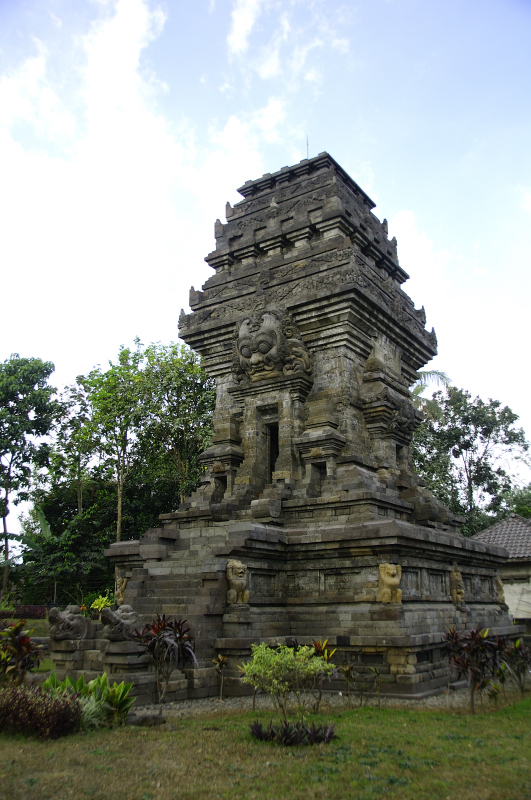
Kidal Temple
Kidal Temple is a 13th-century Hindu shrine built during the Singhasari dynasty in East Java, Indonesia. The three-tiered structure features distinctive Javanese medieval archit…
Jawi Temple
Jawi Temple is a 13th-century Hindu-Buddhist mortuary monument on Mount Welirang's eastern slope, built during the Singhasari kingdom to honor King Kertanegara's memory.
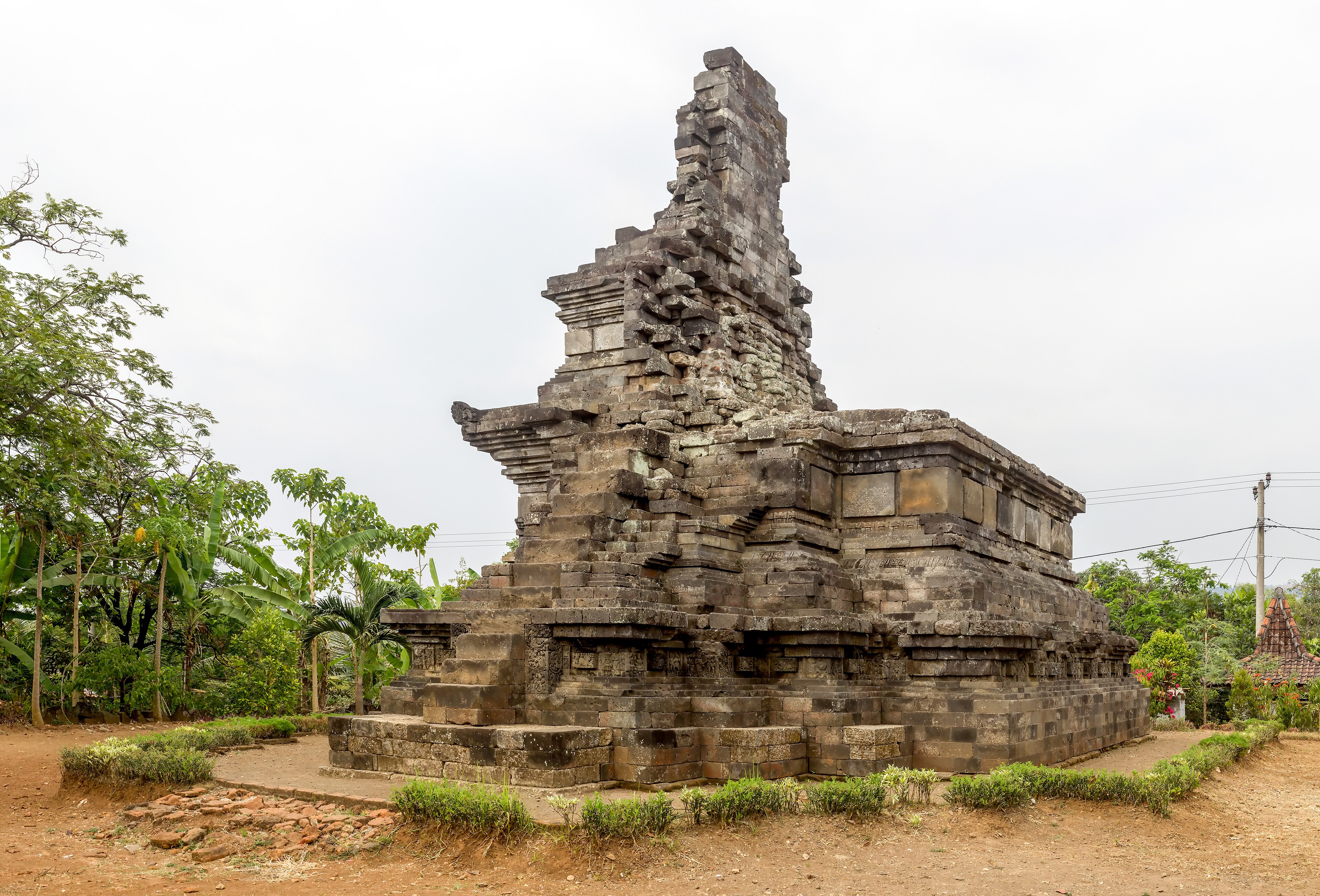
Rimbi Temple
Rimbi Temple, also known as Cungkup Pulo, is a 14th-century Hindu temple in Jombang Regency, East Java, built by the Majapahit Kingdom to commemorate Queen Tribhuwana Wijayatung…
Surawana
Shree Dwarkadhishji Mandir in Mumbai is a Hindu temple dedicated to Lord Krishna, worshipped as Dwarkadhish (King of Dwarka), standing for over 150 years as a prominent spiritua…
Pari Temple
Pari Temple is a 14th-century Hindu brick temple located in East Java, Indonesia, representing an important period of medieval Hindu architecture in the region.