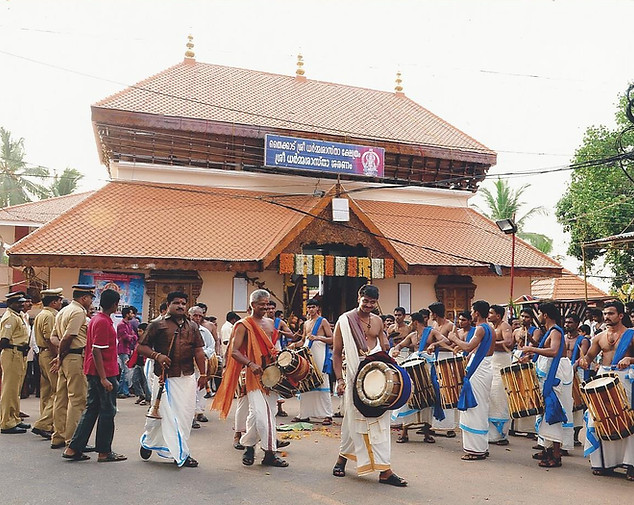
Jawi Temple
About Jawi Temple
Jawi Temple occupies the eastern slope of Mount Welirang in Candi Wates village, within Kecamatan Prigen in Pasuruan district, East Java. The site lies approximately 31 kilometers west of Pasuruan city and 41 kilometers south of Surabaya, positioned along the main road connecting Kecamatan Pandaan, Kecamatan Prigen, and Pringebukan. This roadside location makes it accessible to travelers moving through East Java, though the mountain slope setting requires visitors to prepare for uneven terrain and wear sturdy footwear.
Travelers from Surabaya or Pasuruan should allow adequate time for the journey and confirm current road conditions before departure. The temple's precise coordinates are -7.66222, 112.66972, which can assist with navigation. As a historical monument of considerable age, the temple's facilities and access arrangements may be limited. Contacting local authorities or temple representatives in advance is advisable to confirm current visiting conditions and any conservation requirements that may affect access.
Visiting the Temple
Specific information about formal visiting hours, darshan times, or regular ritual observances at Jawi Temple is not well documented. Prospective visitors should confirm current access arrangements with local authorities or temple representatives before arrival, as conservation requirements for this 13th-century structure may affect when and how the site can be visited.
Visitors should dress modestly, as is customary at Hindu and Buddhist sacred sites throughout Indonesia. Respectful behavior toward the ancient structure and any ritual activities that may occur is essential. The temple's location on a mountain slope requires appropriate footwear and physical preparation, as the terrain may be challenging to navigate.
Festivals and Observances
The best times to visit Jawi Temple coincide with major Hindu festivals observed in the region. Hanuman Jayanti, celebrated in April, and the festivals of Diwali and Kartik Purnima, observed in November, draw devotees to sacred sites across East Java. However, these festivals follow the lunar calendar, so exact dates vary from year to year. Visitors planning to attend festival observances should confirm specific dates in advance with local temple authorities or regional Hindu organizations, as celebrations may include special rituals or gatherings that enhance the spiritual significance of a visit.
Understanding the Temple's History
The temple's construction during the late Singhasari period places it within a significant era of East Javanese history and architecture. As a mortuary temple, Jawi represents a specific category of sacred architecture—one built not for daily congregational worship but for the veneration and commemoration of a royal figure. This distinction shapes how the temple functions and how visitors should approach their experience there. The temple's age and historical importance make it a valuable resource for understanding the religious and political structures of medieval Java.
Practical Preparation
Visitors should prepare for a journey into East Java's interior, where modern facilities may be limited. The combination of the temple's age, its mountain slope location, and its status as a historical monument means that amenities such as refreshments, restrooms, or guided services may not be available on-site. Bringing water, sun protection, and sturdy walking shoes is recommended. The uneven terrain and elevation require a reasonable level of physical fitness.
Before traveling, confirm that the site is open to visitors and inquire about any specific protocols for respectful viewing. Local guides or temple representatives may provide valuable context about the structure and its historical significance, enriching the experience of this 13th-century monument.
How to reach
Temples near Jawi Temple
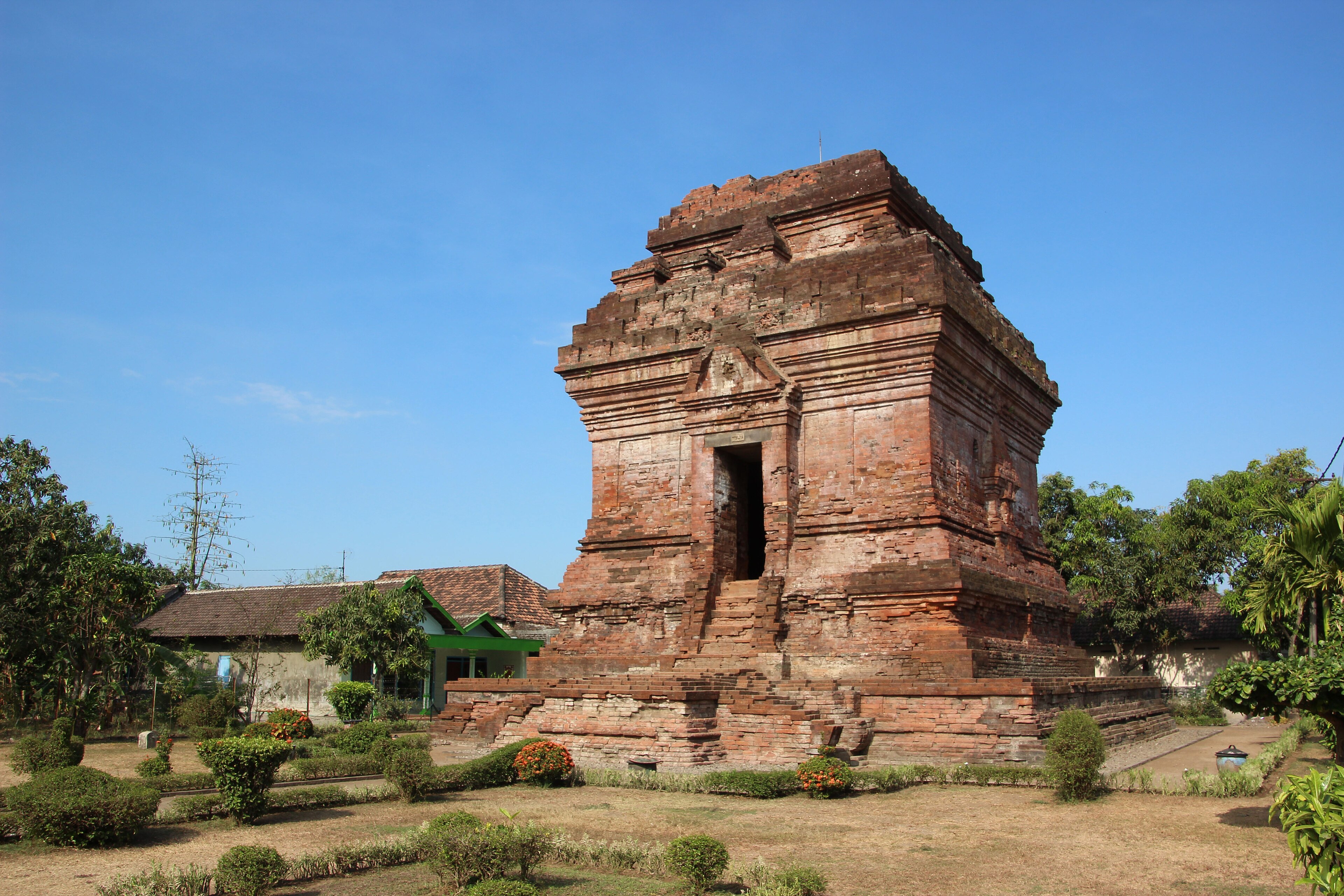
Pari Temple
Pari Temple is a 14th-century Hindu brick temple located in East Java, Indonesia, representing an important period of medieval Hindu architecture in the region.

Singhasari temple
Singhasari Temple is a 13th-century syncretic Hindu-Buddhist shrine in East Java that reflects the religious pluralism of the Singhasari dynasty, with distinct spaces dedicated…

Trowulan
Sri Venkateswara Temple at Tirumala is one of the world's richest and most-visited Hindu temples, dedicated to Lord Venkateswara (a form of Vishnu) and situated atop the Tirumal…
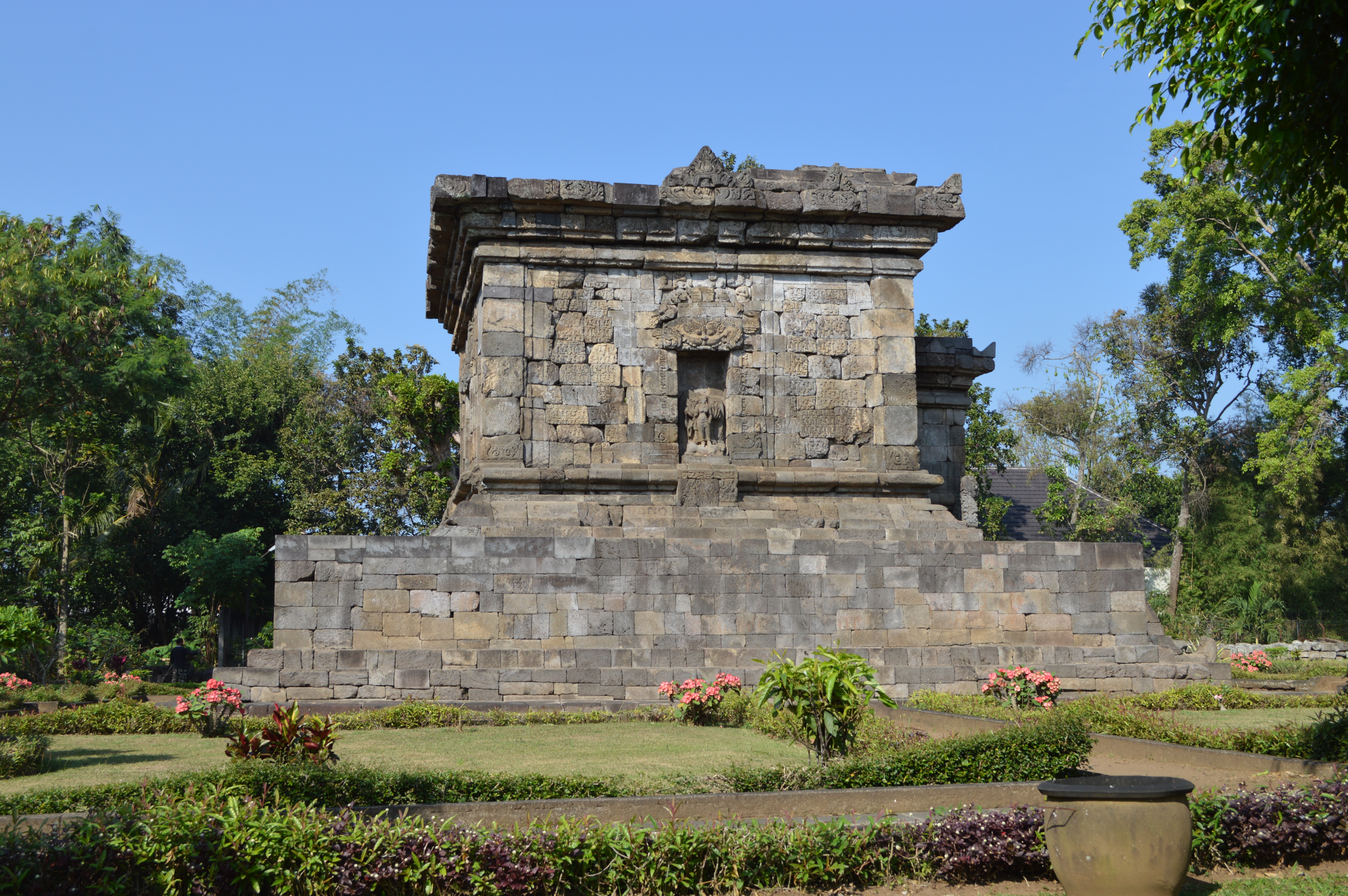
Badut Temple
Badut Temple is an 8th-century Hindu shrine constructed from andesite stone, located in East Java's Malang Regency and representing an important archaeological monument from Jav…
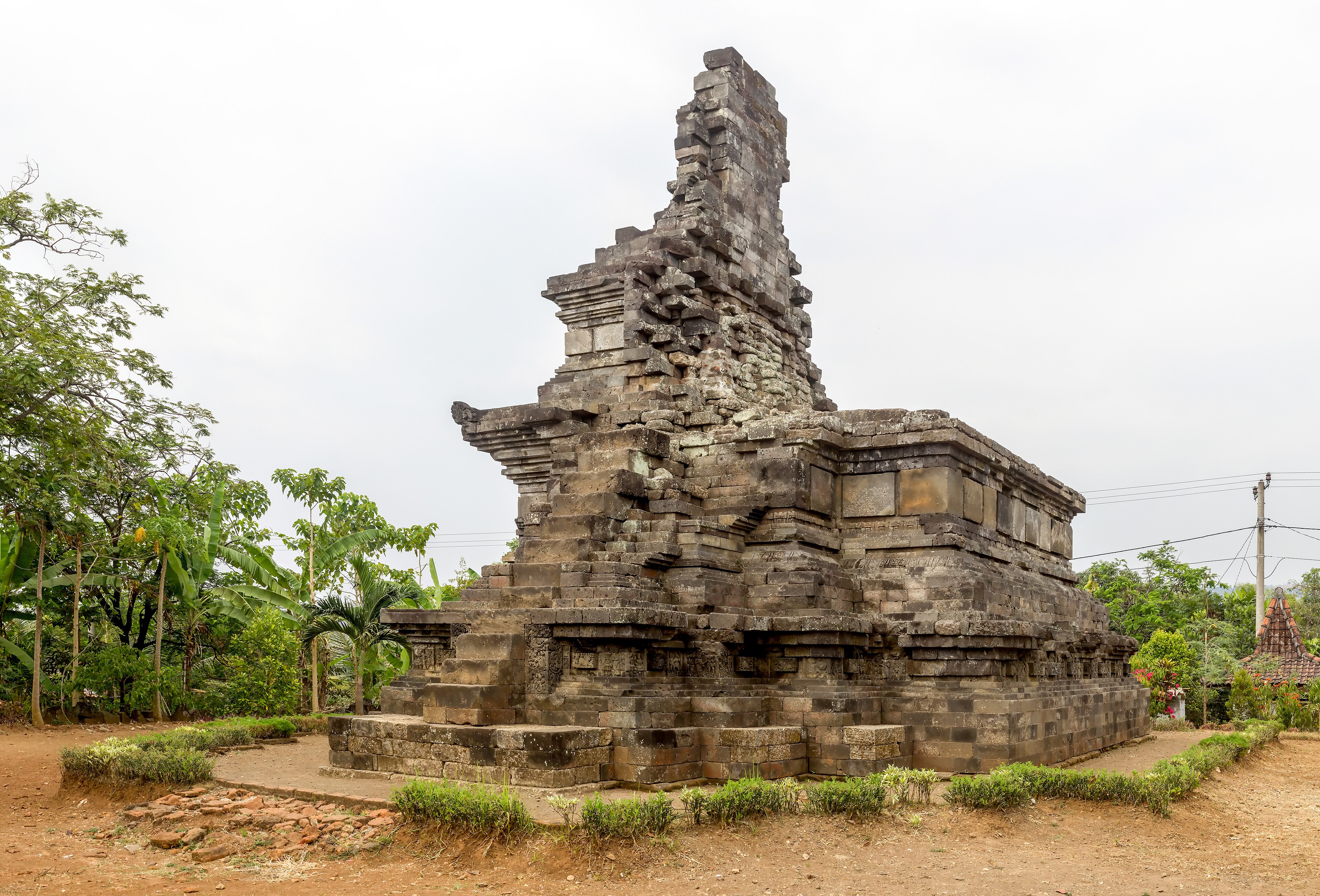
Rimbi Temple
Rimbi Temple, also known as Cungkup Pulo, is a 14th-century Hindu temple in Jombang Regency, East Java, built by the Majapahit Kingdom to commemorate Queen Tribhuwana Wijayatung…
Kidal Temple
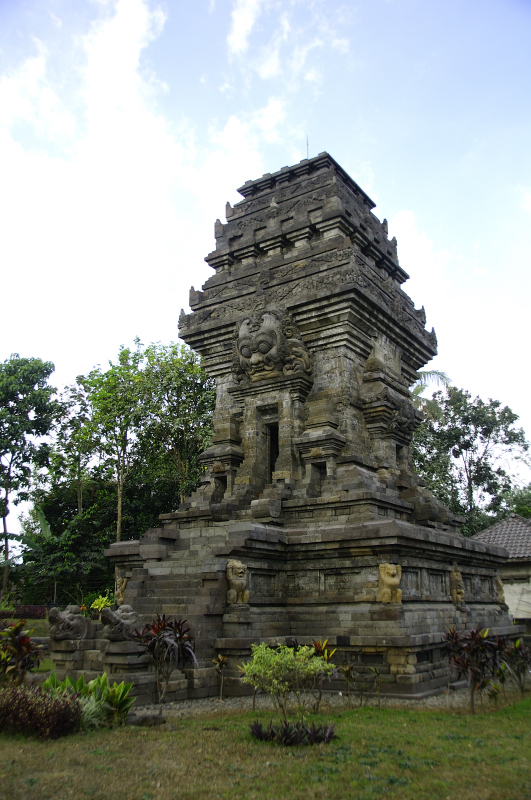
Kidal Temple is a 13th-century Hindu shrine built during the Singhasari dynasty in East Java, Indonesia. The three-tiered structure features distinctive Javanese medieval archit…