
Rimbi Temple
About Rimbi Temple
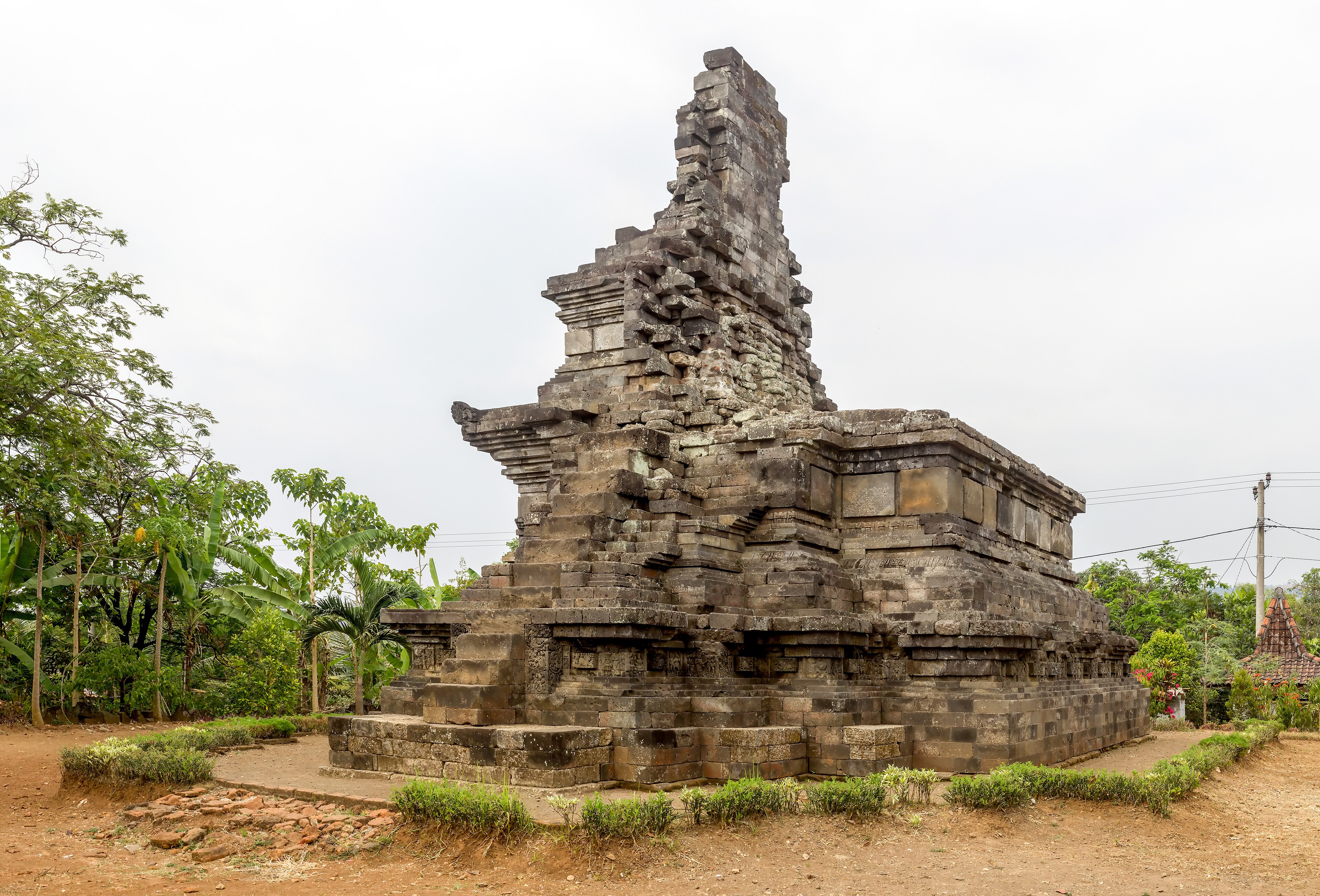
Rimbi Temple is located in Jombang Regency in East Java, Indonesia, at coordinates -7.67373, 112.34303. The temple's remote location in a rural regency means that visitors should plan their journey carefully. Public transportation options to the site are limited, and independent travel by car or motorcycle is typically necessary. Those unfamiliar with the region should consider hiring a local guide or arranging transport through accommodation providers in nearby towns.
The journey to the temple requires patience and flexibility, as road conditions and accessibility may vary seasonally. Visitors are advised to check current conditions before traveling and to allow adequate time for the journey.
What to Know Before Visiting
As a heritage site rather than an active temple with regular worship services, Rimbi Temple operates differently from functioning Hindu temples. There are no established darshan times, ritual schedules, or visitor facilities such as prasadam distribution or accommodation on-site. The temple functions primarily as an archaeological and cultural monument open to those interested in Majapahit history and heritage conservation.
Visitors should dress respectfully when approaching the site, as it remains a place of historical and cultural significance. Bring water and sun protection, as the site offers minimal shade. Photography may be permitted, but visitors should be sensitive to the sacred nature of the location and any restrictions that may be in place. It is advisable to contact local authorities or heritage officials in Jombang Regency before visiting to confirm current access conditions and any entry requirements.
The Reliefs and Sculptures
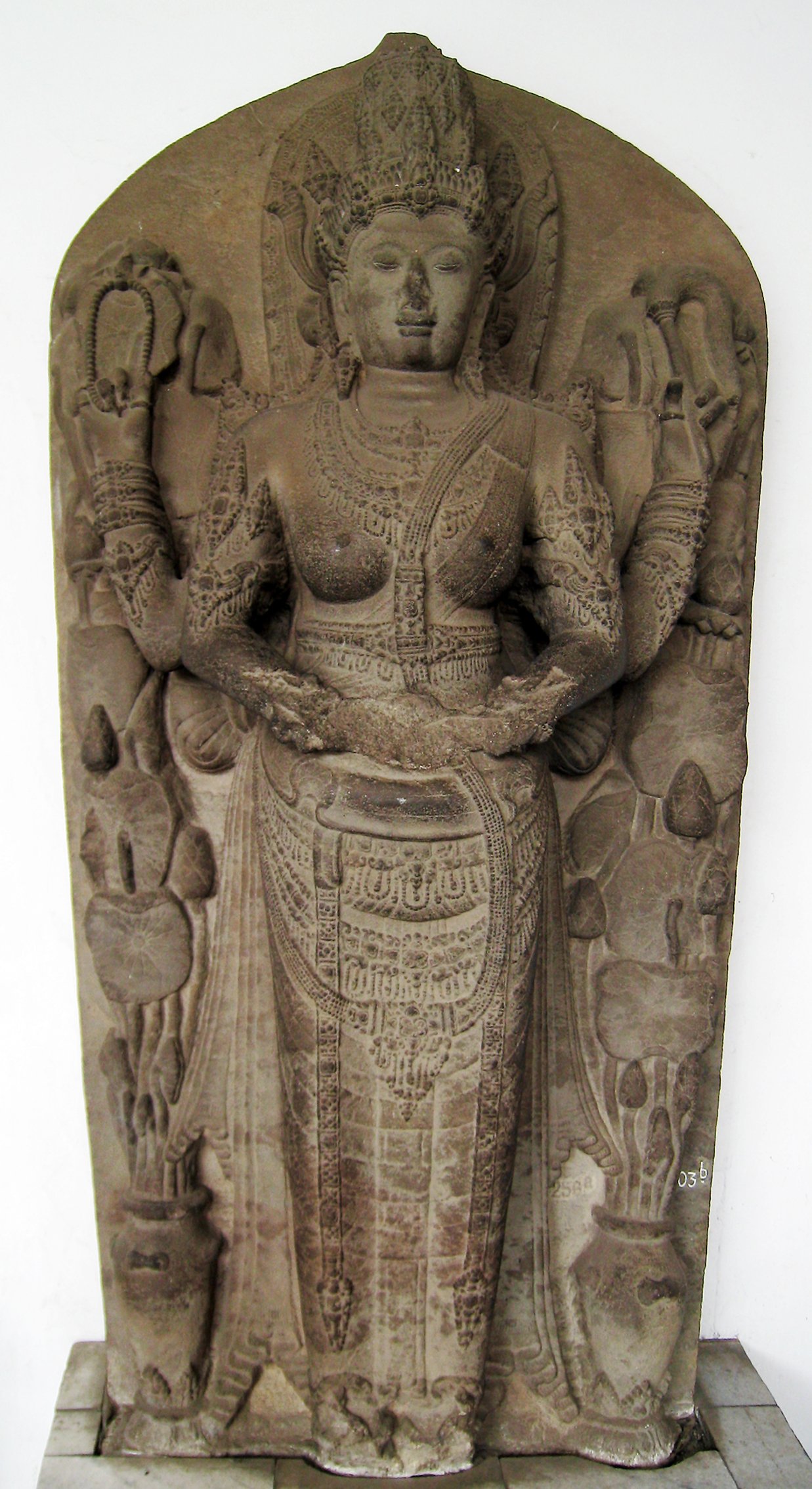
The 51 reliefs adorning the three-tiered base constitute the temple's most distinctive artistic feature. These carved panels would have communicated religious narratives and royal commemoration to devotees and visitors of the Majapahit period. The sculptures distributed throughout the temple similarly reflect the artistic conventions and iconographic traditions of 14th-century East Java.
The condition of these artworks varies, with some reliefs better preserved than others. For visitors with scholarly or artistic interests, the reliefs offer tangible evidence of how religious and political narratives were expressed through stone carving during the Majapahit era. Photography of these details can help document the temple's current state and may be valuable for heritage preservation efforts.
Visiting as a Heritage Site
Rimbi Temple is best understood as a destination for those with specific interests in Indonesian history, archaeology, or Majapahit-era art and architecture. Unlike active pilgrimage temples, it does not offer regular worship opportunities or visitor services. The site's significance lies in its role as a surviving monument to a historical kingdom and its commemoration of a notable royal figure.
Visitors should approach the temple with realistic expectations about its condition and facilities. The partial collapse and lack of modern amenities mean that the experience differs substantially from visiting maintained temples. However, for those interested in understanding the religious and artistic heritage of medieval East Java, the temple provides direct contact with 14th-century craftsmanship and historical memory. Consider combining a visit with research into Majapahit history or consultation with local heritage organizations to deepen understanding of the site's significance.
How to reach
You may also visit
Kalyanji Temple
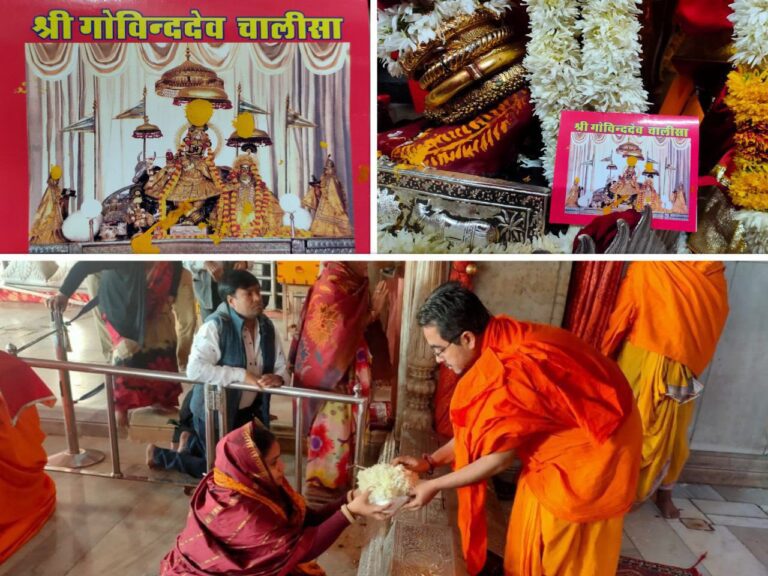
Kalyanji Temple in Jaipur's Chandpol Bazaar is approximately two centuries old and renowned for displaying the twenty-four avatars of Krishna, visible only twice yearly during Akha Teej and Patottsav festival.
Sastha (Ayyappan) Temple
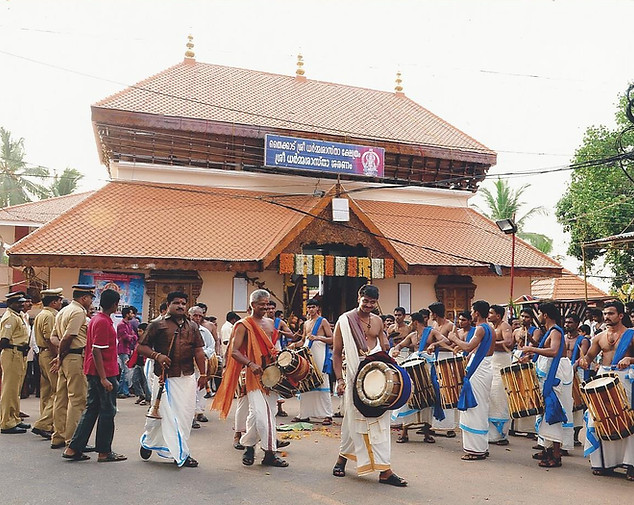
Sree Dharma Sastha Temple in Thycaud, Thiruvananthapuram, is a centuries-old shrine where the deity manifests as Dhanwanthari, the divine healer, holding the sacred blue lotus.
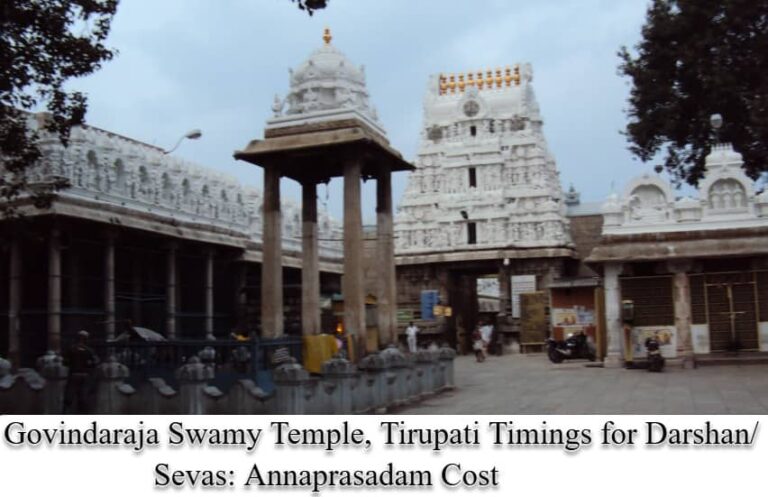
Govindarajaswamy Temple
Sri Govindarajaswamy Temple in Tirupati is an ancient Vaishnavaite shrine consecrated in 1130 AD by Saint Ramanuja, where the presiding deity rests in eternal Yoga Nidra on the serpent Adisesha.