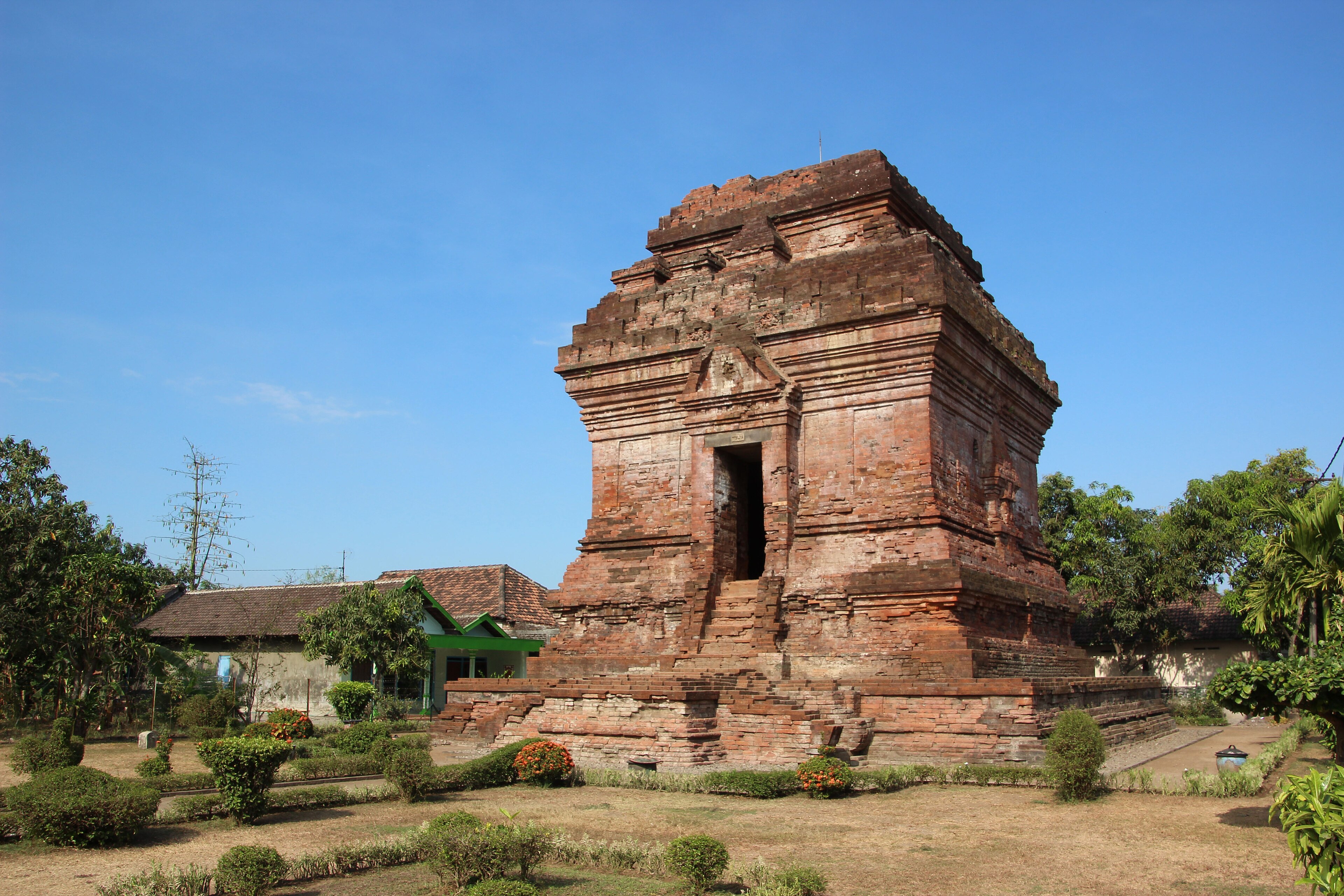
Pari Temple
About Pari Temple
Before planning a visit to Pari Temple, travelers should understand that comprehensive information about current opening hours, darshan timings, and visitor facilities is not documented in available sources. Access conditions and worship schedules may vary, and it is advisable to contact local authorities in Porong subdistrict or tourism offices in Sidoarjo Regency before traveling to confirm current conditions.
Visitors to Hindu temples in this tradition typically observe modest dress standards, covering shoulders and knees as a mark of respect for the sacred space and the devotional practices of worshippers. Approaching the temple with reverence for its religious purpose is expected. The temple's age and historical significance warrant careful and respectful conduct during any visit.
Location and Access
Pari Temple is situated at coordinates -7.51583333, 112.68333333 in Candi Pari village, within Porong subdistrict of Sidoarjo Regency. The temple lies approximately two kilometers northwest of the Sidoarjo mud flow area. Travelers should plan their journey with awareness that detailed transportation information and directions from major towns or transit points are not currently documented. Local guidance from Sidoarjo Regency tourism offices or residents of Porong subdistrict will be necessary for precise directions and current travel conditions.
Historical Context
The 14th century was a significant period for Hindu temple construction and maintenance across East Java. Pari Temple's survival from this era provides evidence of the religious and cultural practices of medieval Hindu communities in the region. However, the specific rulers, patrons, or religious movements associated with the temple's founding and development remain undocumented in available sources.
Understanding Pari Temple requires recognizing it as part of a broader historical landscape. Many temples of comparable age and architectural tradition exist across East Java, reflecting the region's complex religious history during the medieval period. The temple's place within this larger context—and the reasons for its particular survival—remain subjects for further historical investigation.
Before You Visit
Travelers should approach a visit to Pari Temple with realistic expectations about available information and facilities. Current worship schedules, visitor services, and access arrangements are not documented in accessible sources. It is essential to make local inquiries before traveling, particularly regarding any restrictions on visitor access, appropriate times for visits, and any ongoing religious observances that may affect your visit.
The temple's historical and cultural significance makes it a meaningful destination for those interested in medieval Hindu architecture and East Javanese religious history. However, this is not a major pilgrimage center with extensive visitor infrastructure. Plan accordingly, and allow time for local consultation before your journey.
How to reach
You may also visit
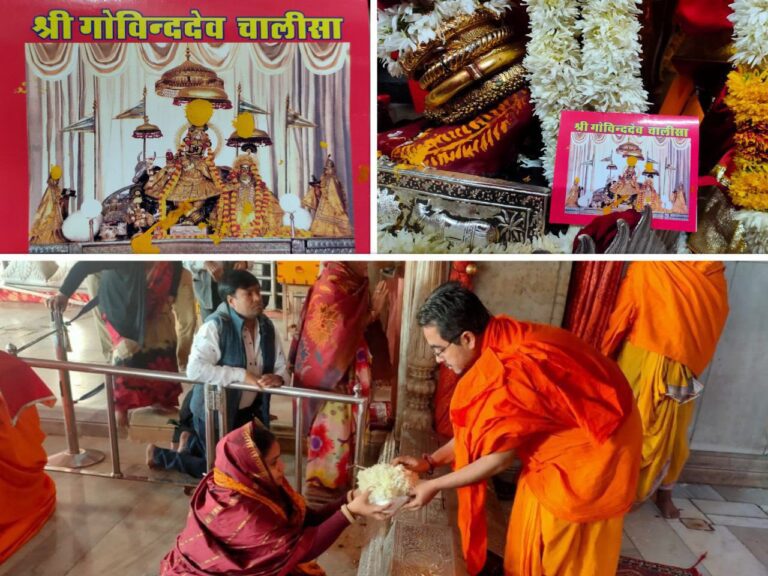
Kalyanji Temple
Kalyanji Temple in Jaipur's Chandpol Bazaar is an ancient Krishna shrine established in the 1820s, renowned for its seven daily aartis and special avatar darshan ceremonies during Akha Teej and Patottsav festivals.
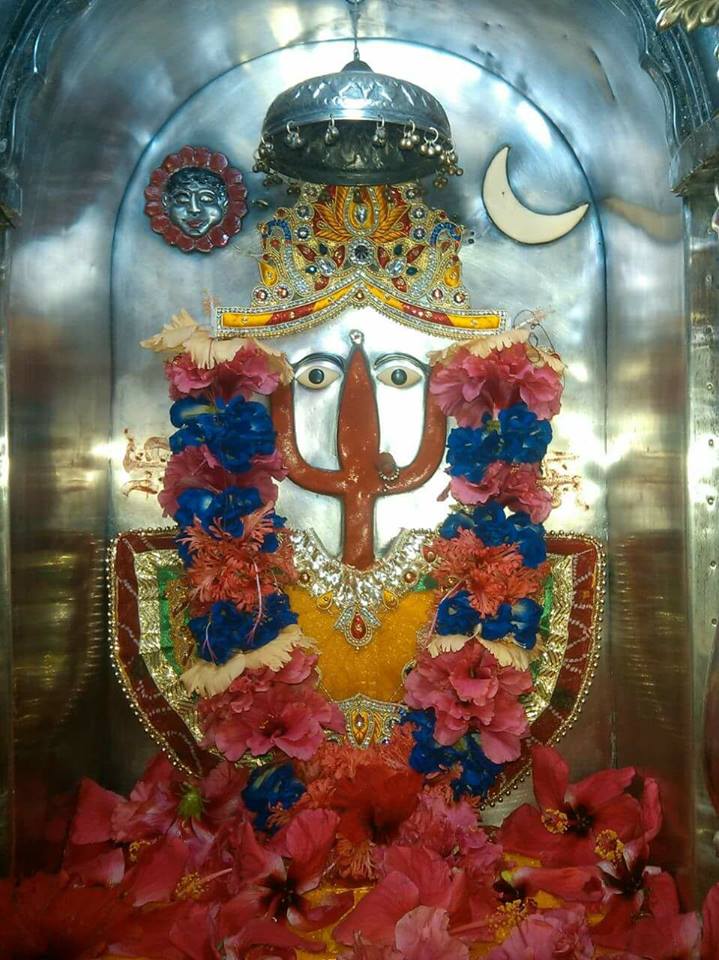
Rani Sati Mandir Mahuda
Rani Sati Mandir in Mahuda, Dhanbad District, is a Hindu temple established in 1992 that serves as a spiritual center for the local community and attracts devotees seeking blessings.
Narbadeshwar Temple
The Narbadeshwar Temple in Hamirpur district, Himachal Pradesh, is a shrine dedicated to Lord Shiva, located in the Sujanpur Tira area.