Kidal Temple
About Kidal Temple
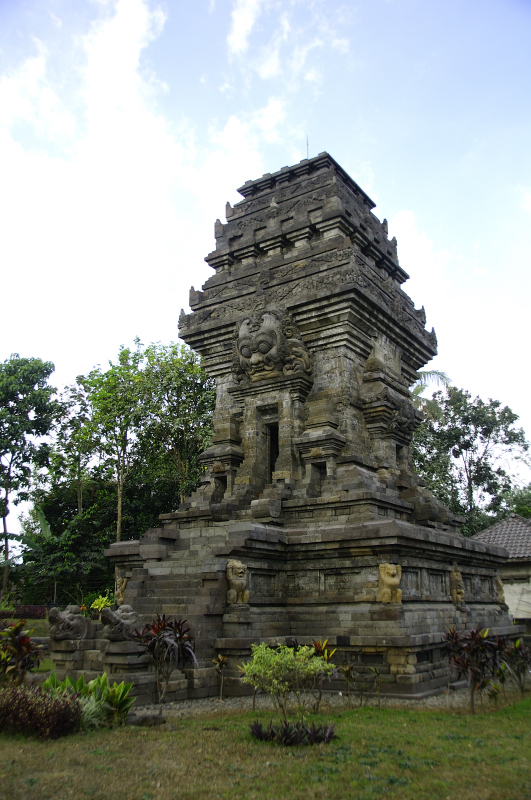
Kidal Temple stands as a monument to the Singhasari dynasty, constructed around 1248 during a period of Hindu-Buddhist cultural flourishing in East Java. The temple's origins are tied to the royal lineage of the era, and scholars suggest it may have functioned as a commemorative structure. The temple underwent restoration work in the 1990s, allowing visitors today to experience a structure that bridges medieval craftsmanship with modern conservation efforts. Its survival across centuries makes it a significant example of 13th-century Javanese religious architecture.
The temple is dedicated to Shiva, one of the principal deities in Hindu tradition. Historical evidence suggests that the temple may have housed an image of Shiva represented through the portrait of Anusapati, a Singhasari king, reflecting a practice common in royal temples where divine and royal identities were intertwined in religious expression.
Architecture and Layout
Kidal Temple's design reflects the distinctive characteristics of Javanese Hindu architecture from the medieval period. The structure comprises three levels arranged on a raised platform, creating a vertical emphasis typical of temple design in this tradition. This tiered arrangement guides the worshipper's ascent toward the sacred center of the shrine.
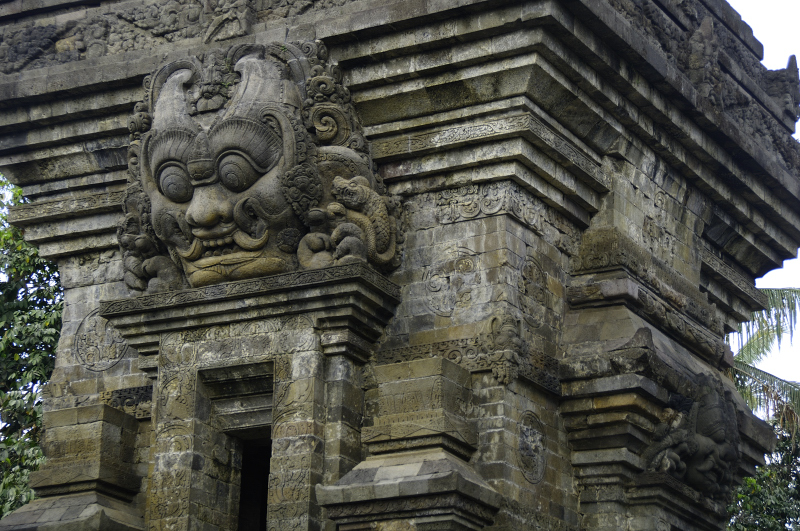
A notable architectural feature appears at the temple's base, where three Javanese masks are positioned. These masks depict scenes from the story of Garuda, the mythical bird figure central to Hindu and Buddhist cosmology across Southeast Asia. The inclusion of narrative sculpture at the foundation level demonstrates how architectural elements served both decorative and didactic purposes, communicating sacred stories to those who approached the temple.
Location and Access
Kidal Temple is located in Rejokidal village within the Tumpang district of Malang, East Java, Indonesia. The temple sits approximately 20 kilometers east of Malang city. Visitors traveling to the region should plan their journey to Malang first, from which the temple is accessible by road. The specific coordinates are -8.03333333 latitude and 112.71666667 longitude, which may assist those using GPS navigation.
Practical details regarding current opening hours, entry fees, and accessibility facilities are best confirmed directly with local tourism authorities in Malang or the Tumpang district, as these details may change seasonally or due to conservation work.
Visiting the Temple
As a Hindu temple, Kidal welcomes visitors respectful of its religious significance. Modest dress is customary when visiting Hindu temples—clothing that covers shoulders and knees is appropriate. Visitors should approach the sacred space with reverence, understanding that this remains an active or historically significant place of worship rather than solely a historical monument.
Photography policies and any restrictions on entering certain areas should be observed. Visitors are encouraged to move slowly through the temple, taking time to observe the architectural details and sculptural elements that convey the religious and artistic vision of the Singhasari period. The raised platform and three-level structure mean that some physical mobility is required to fully explore the temple.
The Singhasari Dynasty Context
Understanding Kidal Temple's place within Singhasari history enriches a visit. The dynasty ruled East Java during the 13th century, a time when Hindu and Buddhist traditions coexisted and influenced one another in the region's religious life. Royal temples like Kidal served not only as places of worship but also as expressions of dynastic power and religious patronage. The association with King Anusapati connects the temple to a specific moment in the dynasty's reign, though the exact circumstances of its construction and use remain subjects of scholarly study.
The temple's survival and restoration demonstrate the ongoing value placed on preserving this heritage by both Indonesian authorities and the international scholarly community.
Planning Your Visit
Visitors should plan to spend at least an hour at Kidal Temple to observe its architectural features and sculptural details carefully. The site's location in a rural village setting means that facilities may be limited; visitors should bring water and sun protection. The raised platform and outdoor setting mean the temple is exposed to weather, so visiting during dry season months may be more comfortable.
Before traveling, confirm current access conditions and any entry requirements through local tourism offices in Malang. The temple's historical and cultural importance makes it a worthwhile destination for those interested in medieval Southeast Asian architecture and Hindu religious traditions, though it should be approached as a place of heritage and spiritual significance rather than as a conventional tourist attraction.
How to reach
Temples near Kidal Temple
Badut Temple
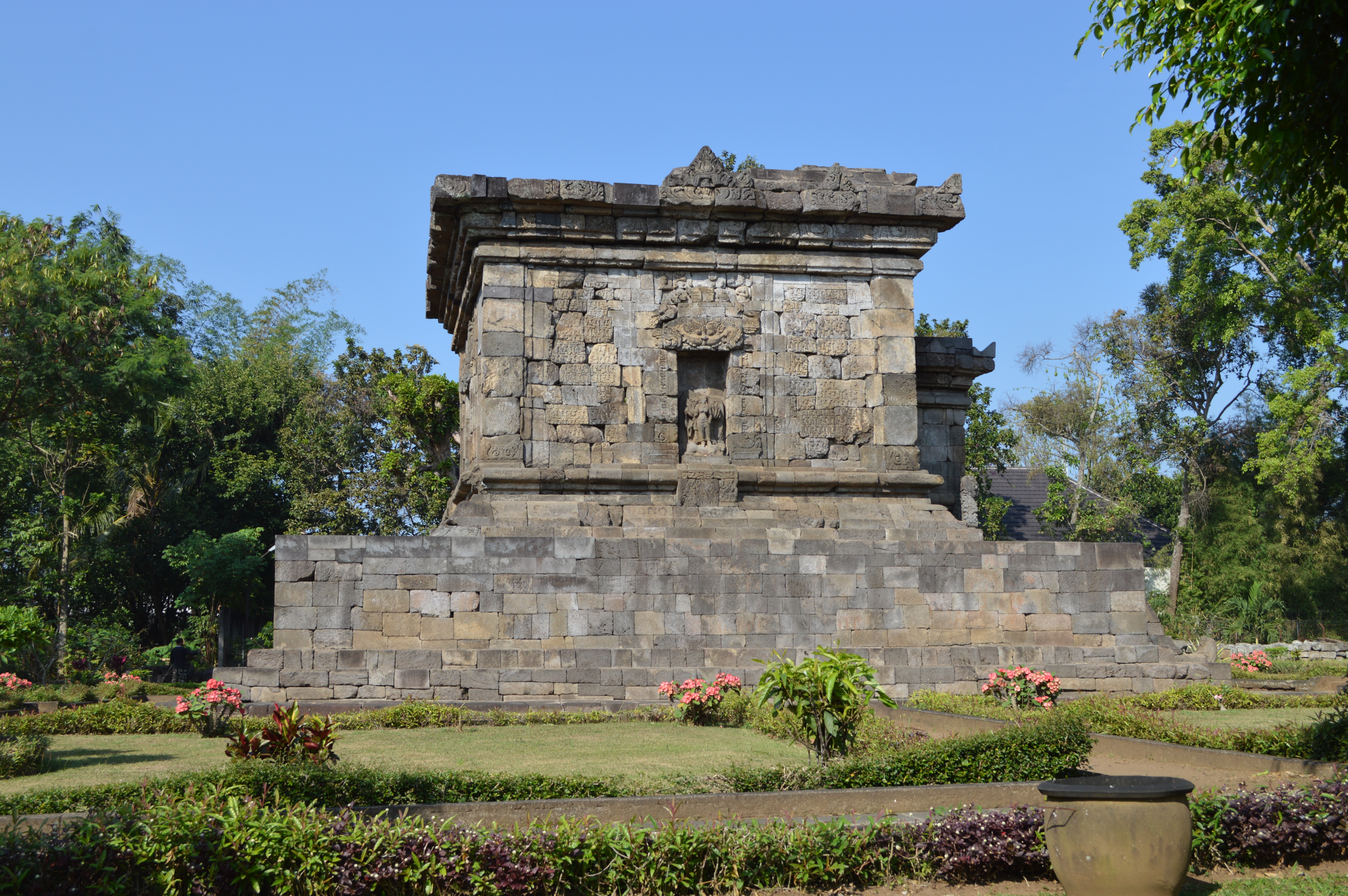
Badut Temple is an 8th-century Hindu shrine constructed from andesite stone, located in East Java's Malang Regency and representing an important archaeological monument from Jav…

Singhasari temple
Singhasari Temple is a 13th-century syncretic Hindu-Buddhist shrine in East Java that reflects the religious pluralism of the Singhasari dynasty, with distinct spaces dedicated…
Jawi Temple
Jawi Temple is a 13th-century Hindu-Buddhist mortuary monument on Mount Welirang's eastern slope, built during the Singhasari kingdom to honor King Kertanegara's memory.
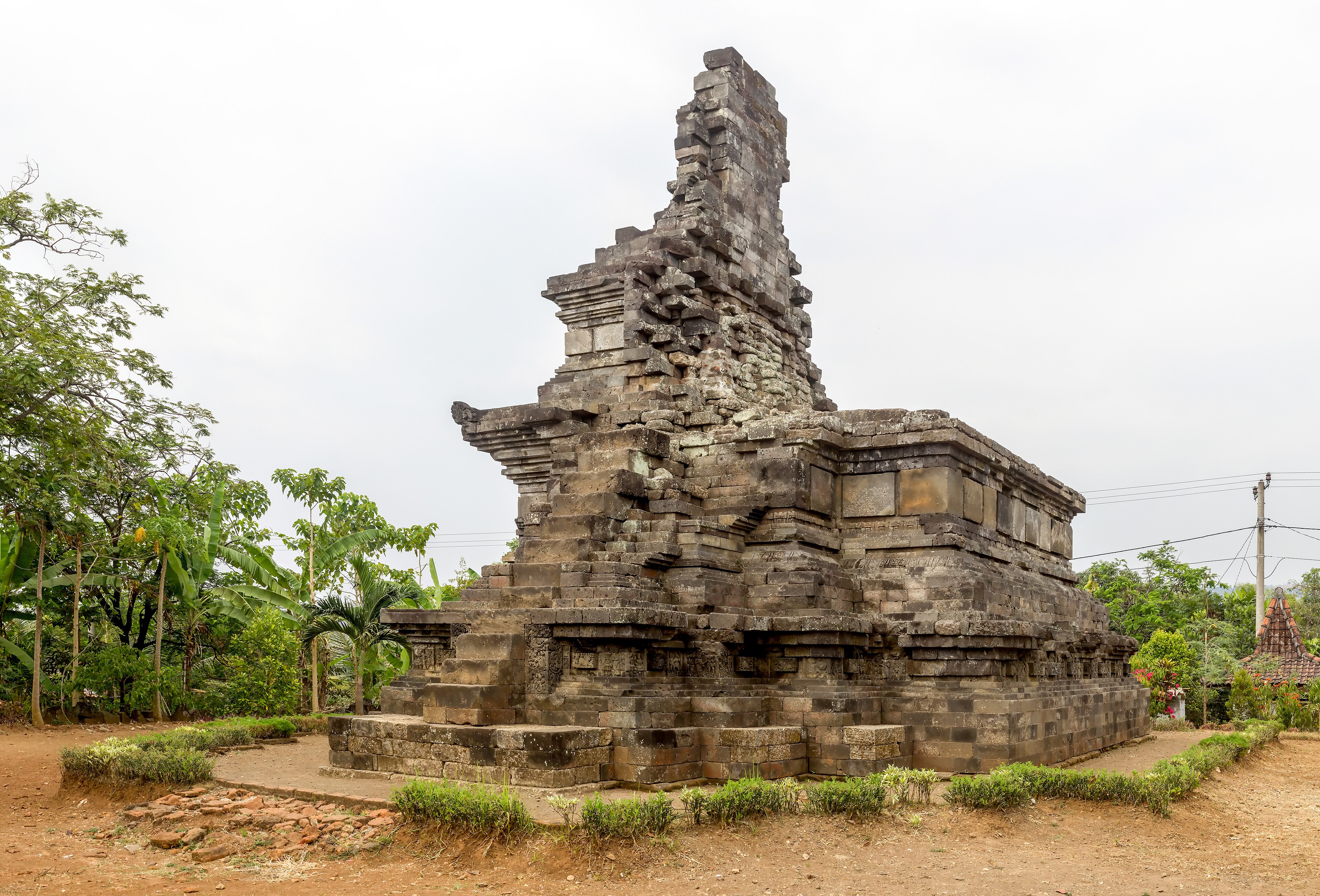
Rimbi Temple
Rimbi Temple, also known as Cungkup Pulo, is a 14th-century Hindu temple in Jombang Regency, East Java, built by the Majapahit Kingdom to commemorate Queen Tribhuwana Wijayatung…
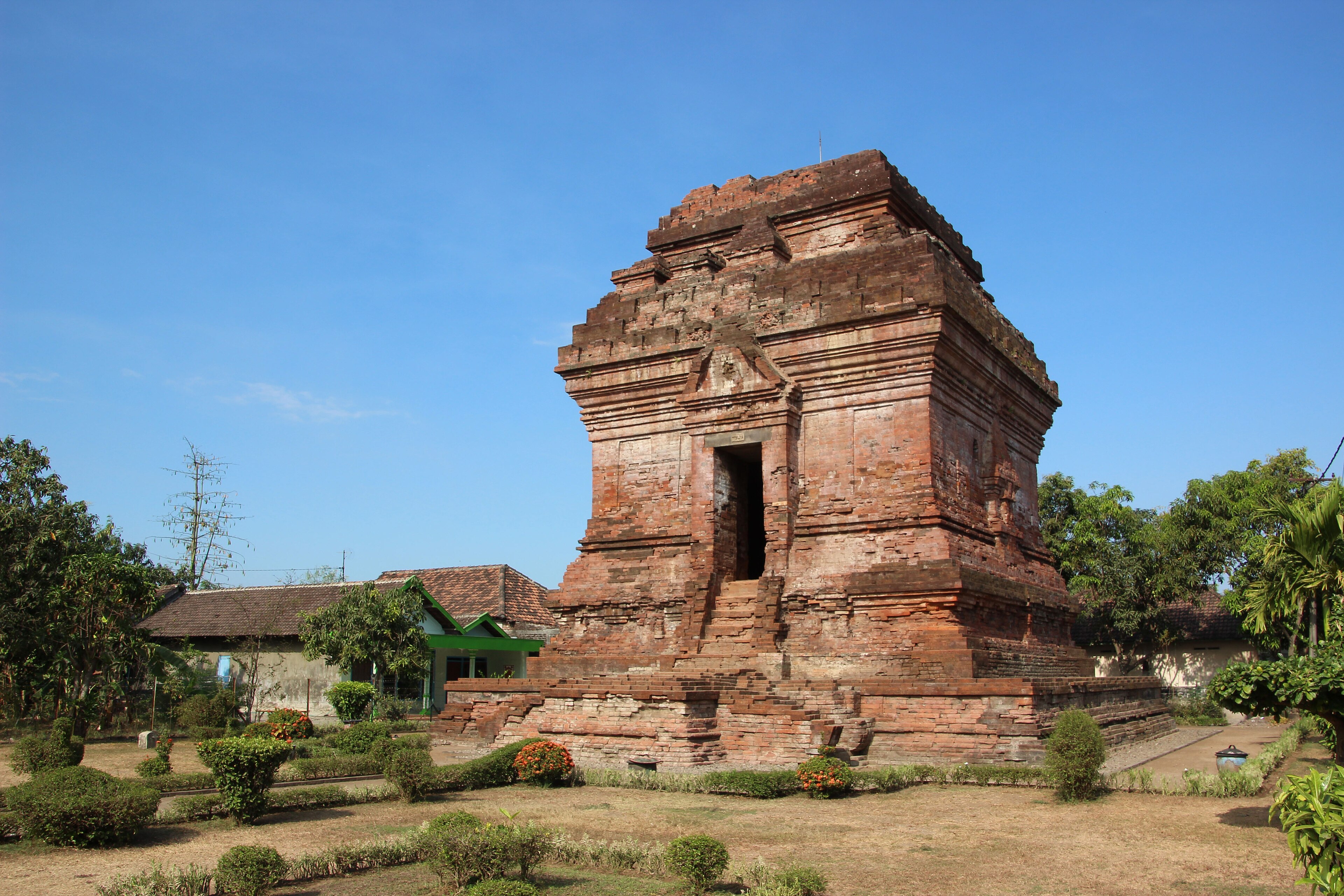
Pari Temple
Pari Temple is a 14th-century Hindu brick temple located in East Java, Indonesia, representing an important period of medieval Hindu architecture in the region.
Surawana
Shree Dwarkadhishji Mandir in Mumbai is a Hindu temple dedicated to Lord Krishna, worshipped as Dwarkadhish (King of Dwarka), standing for over 150 years as a prominent spiritua…