

Mylara Lingeshwara Temple
About Mylara Lingeshwara Temple
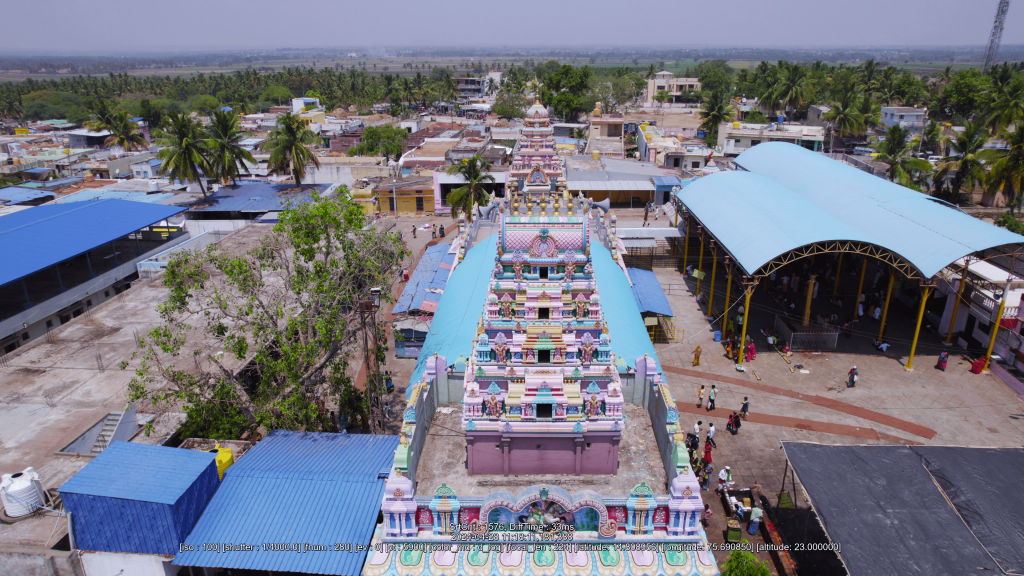
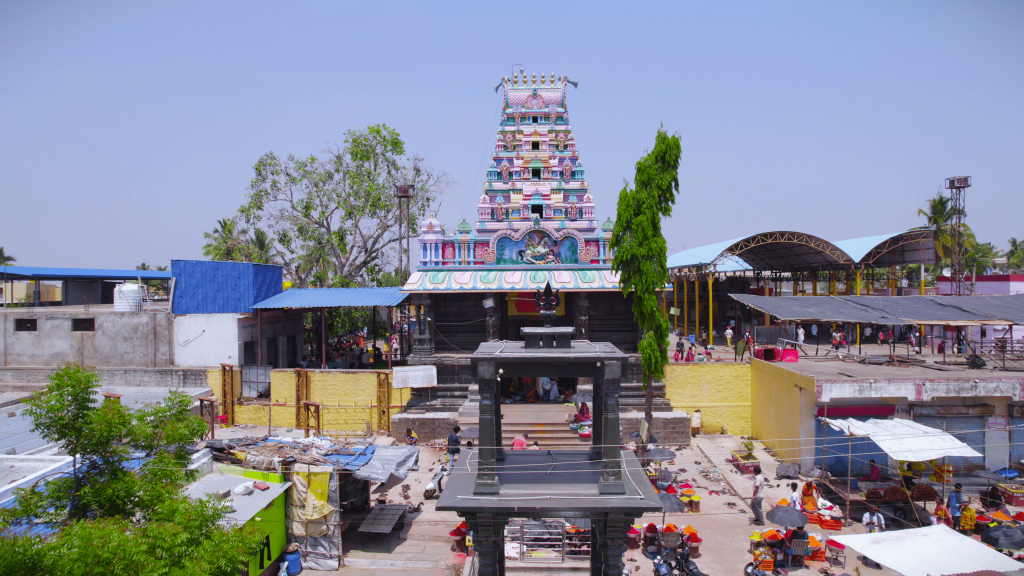
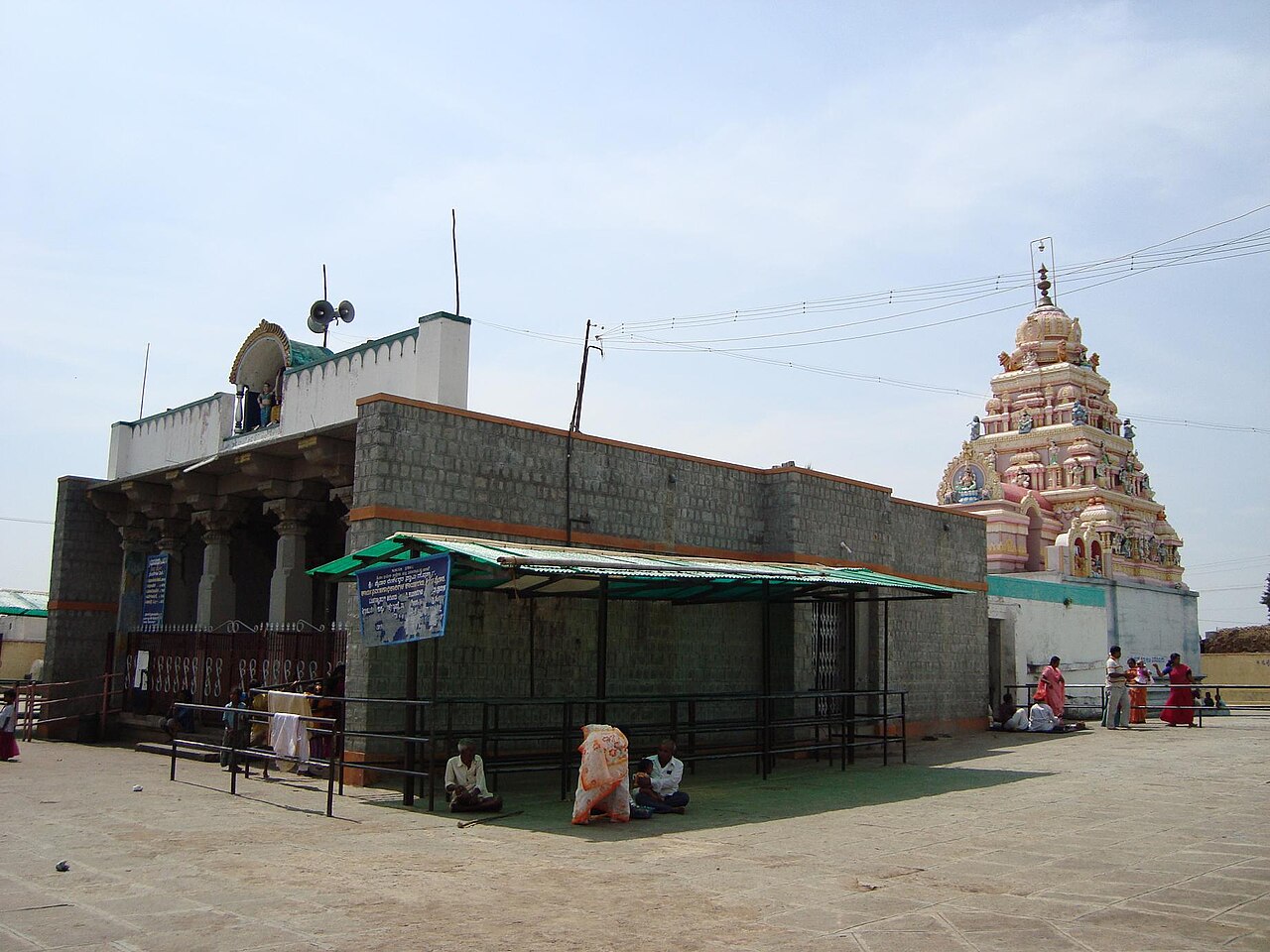
The Mylara Lingeshwara Temple represents a significant example of Kalyana Chalukya period architecture, with later additions reflecting Vijayanagara style. The temple complex is spacious and well-developed, comprising a sanctum (garbhagriha), an antechamber (antarala), a pillared hall (sabhamantapa), an open pavilion (mantapa), subsidiary shrines, and a gateway tower (mahadwargopuram). Above the sanctum rises a triple spire in Dravidian style, a distinctive architectural feature of South Indian temples.
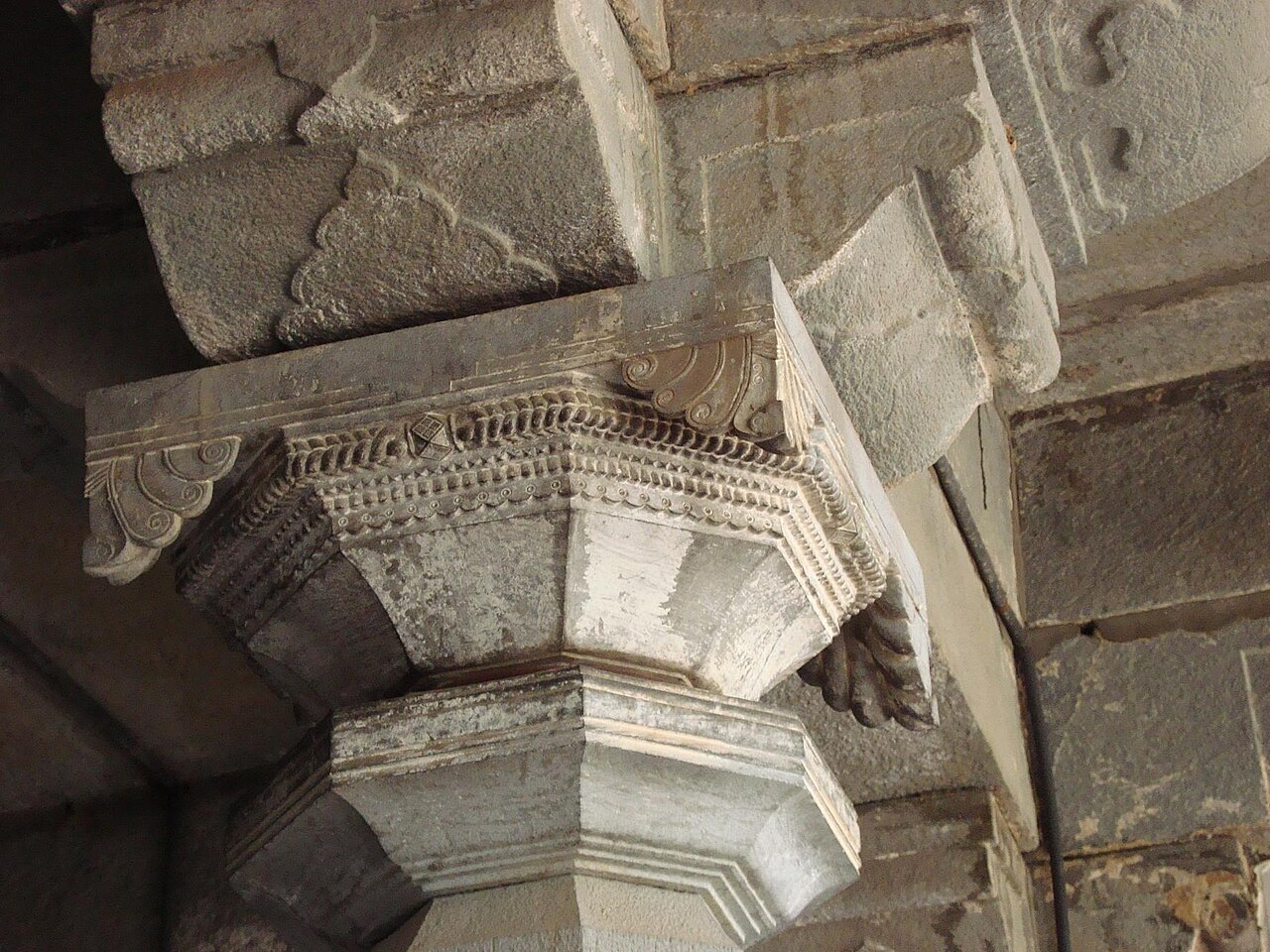
The pillared hall displays polished columns in Kalyana Chalukya style, created using turning techniques that indicate the temple's antiquity and the sophistication of its construction. The doorway is ornamented with decorative elements including creeping vines and a Gajalakshmi figure in the upper panel. A later phase of construction, dated to 1412 CE, saw the addition of the Sukhanasi (vestibule) and Navarangamandapam (nine-bayed pavilion) by a builder named Gangarasa. The hall's four pillars reflect Vijayanagara period stylistic conventions. The temple premises also house a Gangamalamma shrine adjacent to the main temple, along with sculptures of various deities including Vishnu, Kanchaveera, Kalamma, Veerabhadra, and Junjappa, with additional small shrines scattered throughout the complex.
Daily Worship and Darshan
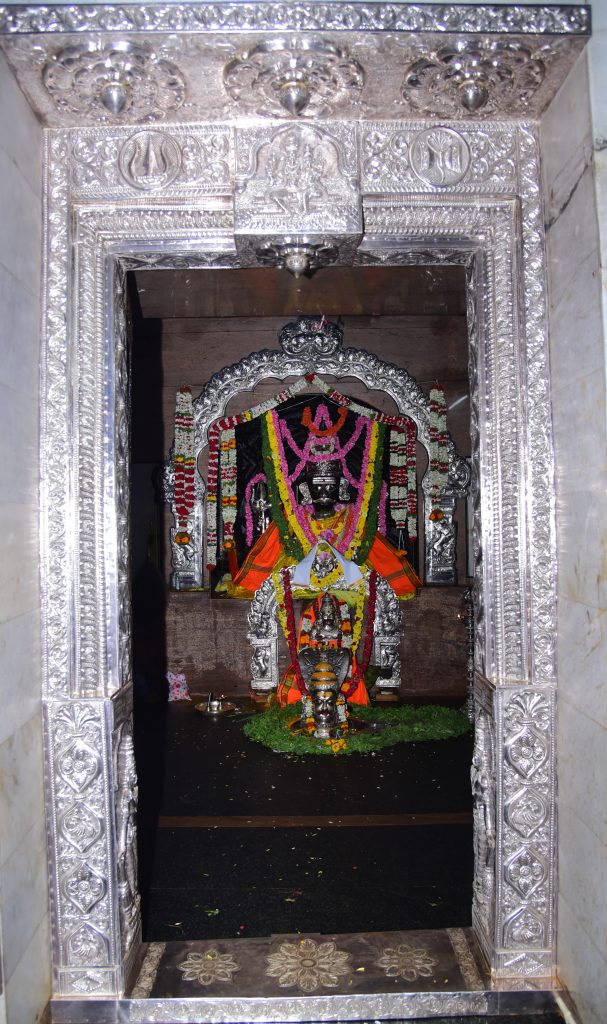
The temple remains an active place of worship and pilgrimage. The sanctum contains both the mud idol and a Shivlingam, with attendants positioned on either side to assist with ritual functions. The temple complex is sufficiently spacious to accommodate circumambulation (pradakshina) and darshan—the viewing of the deity that forms the core of Hindu temple practice.
Specific information regarding daily aarti timings and formal visiting hours is not detailed in available sources. Visitors planning a trip should inquire locally or contact the temple administration in advance to confirm current schedules and any special observances that may affect access or worship arrangements.
Fairs and Religious Gatherings
Mylara is particularly known for hosting fairs and Karnikas—religious gatherings that draw devotees from surrounding areas. These occasions represent important moments in the temple's annual cycle and are significant expressions of community devotion. Specific dates for these events are not documented in available sources, but visitors attending during such times should anticipate larger crowds and plan their visit accordingly.
Visiting the Temple: Etiquette and Practicalities
Visitors should observe standard temple etiquette. Modest dress is expected, with shoulders and knees covered. Footwear is typically removed before entering the sanctum and inner halls, as is customary at Hindu temples. The temple complex's spacious layout allows for comfortable movement and worship.
Since formal visiting hours are not specified in available sources, it is advisable to contact the temple or inquire locally before planning a visit. This is particularly important if you wish to participate in specific rituals or attend during particular times of day.
Location and Access
The temple is located in Mylara village, Hoovina Hadagali taluk, Vijayanagara district, Karnataka, situated on the right bank of the Tungabhadra River. The coordinates are 14.808055555556°N, 75.690833333333°E. Detailed information regarding transportation options and travel routes to the temple is not provided in available sources; local inquiry or consultation with district tourism resources is recommended for current travel guidance.
How to reach
Temples near Mylara Lingeshwara Temple
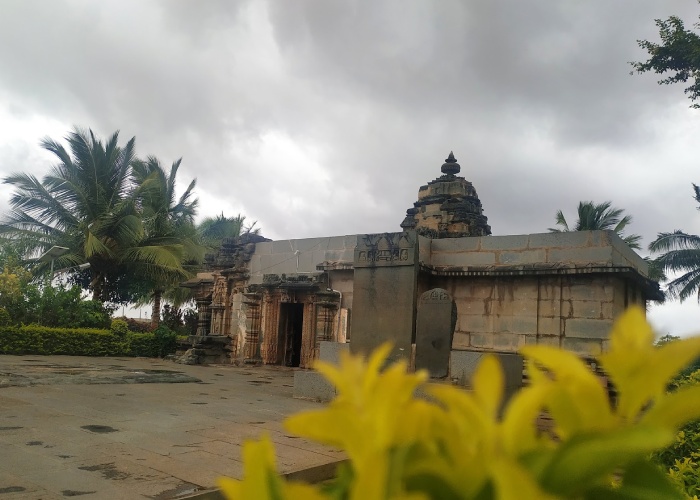
Kalleshwara Temple, Hire Hadagali
Kalleshwara Temple in Hire Hadagali is an 11th-century Western Chalukya shrine dedicated to Lord Shiva, built by Demarasa during the reign of King Someshvara I. The temple showc…
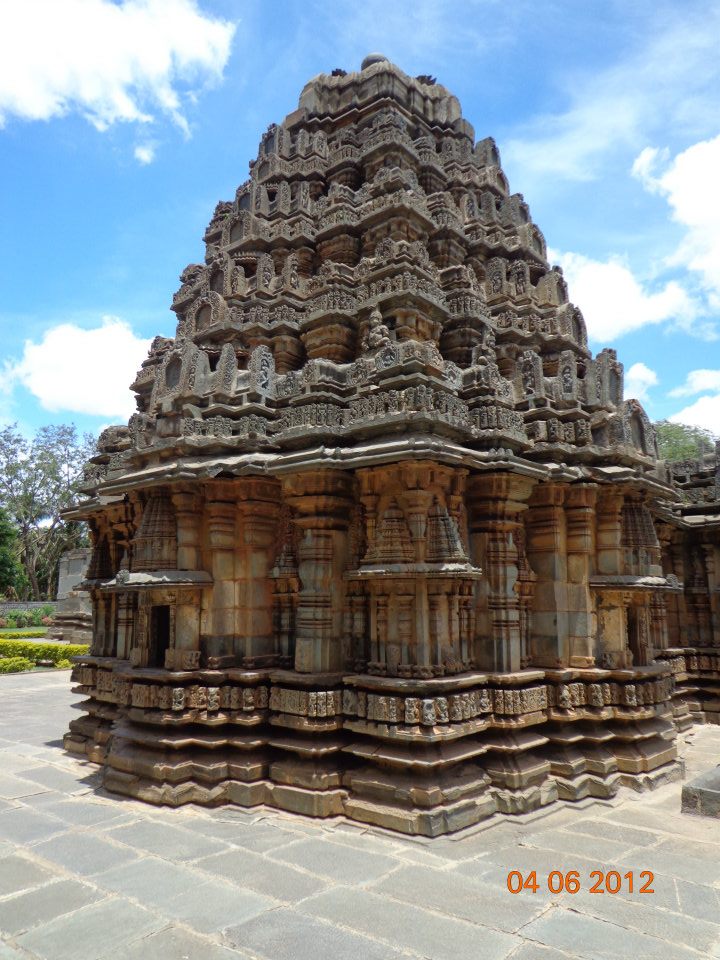
Siddhesvara Temple
The Siddhesvara Temple in Haveri, Karnataka is a sophisticated example of Western Chalukyan architecture from the late 11th to 12th century, distinguished by its westward orient…
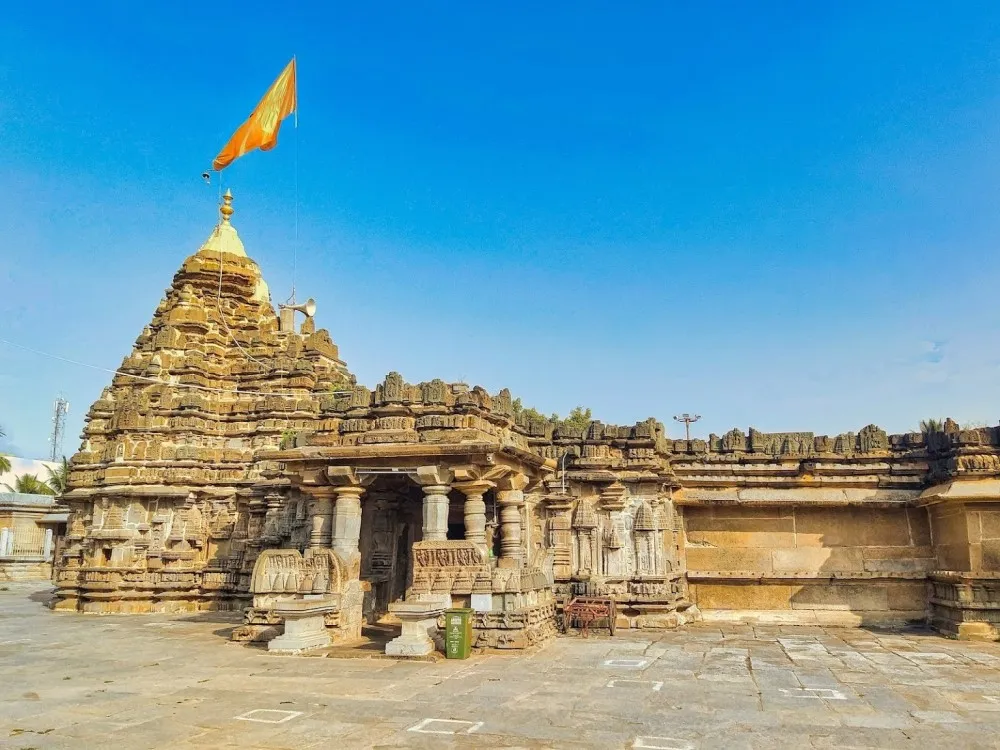
Someshwara Temple, Lakshmeshwara
Someshwara Temple in Lakshmeshwara is a Hindu shrine dedicated to Lord Shiva, originally constructed by the Kalyani Chalukyas and restored between 2012 and 2015 by the Archaeolo…
Sri Shiva Narada Muni Temple, Chigateri
Sri Shiva Narada Muni Temple in Chigateri, Karnataka, is one of the most prominent temples dedicated to Narada Muni, the legendary divine sage revered in Hindu tradition as the…
Doddabasappa Temple, Dambal
Doddabasappa Temple is a 12th-century Western Chalukyan shrine in Dambal, Karnataka, distinguished by its rare 24-pointed stellate architectural design and soapstone construction.
Shri Guru Kottureshwara Temple
Shri Guru Kottureshwara Temple is an ancient shrine dedicated to Lord Shiva located in Kotturu village, Vijayanagara District, North Karnataka, revered in the Veerashaiva tradit…