Siddheshwari temple
About Siddheshwari temple
A defining feature of Solapur's spiritual geography is the network of 68 consecrated Shivalingas that Siddharameshwara established throughout the panchkroshi (sacred perimeter) of the city. These lingas represent a deliberate act of sanctification, transforming the landscape itself into a field of devotion. The number 68 echoes throughout the saint's life—the vachanas he composed, the lingas he consecrated—suggesting a symbolic completeness in his spiritual work. The temple also maintains connection to the Ashtavinayaka (eight forms of Ganesha) within this same sacred geography.
Beyond the lingas, Siddharameshwara addressed practical community needs. In the twelfth century, he oversaw the construction of a lake with the help of local devotees to provide drinking water to the region. This integration of spiritual practice with material welfare exemplifies his philosophy that divinity manifests through meeting human need.
Worship and Ritual Life
The temple maintains regular devotional practices centred on Shiva worship. The Shravan Mass Aarti is observed during the month of Shravan (typically July-August in the Hindu calendar), when devotees gather for special worship. Shravan is traditionally considered an auspicious period for Shiva devotion, and this aarti represents the temple's primary seasonal observance based on available sources.
The temple complex includes facilities for pilgrims and devotees. An Annachatra (dining facility) and Yatrik Nivas (pilgrim lodging) are available for visitors. The temple also maintains a Sahitya Bhandar (library), reflecting the scholarly and literary dimensions of Siddharameshwara's legacy. Educational and medical services—an educational institution, cancer hospital, and physiotherapy centre—operate under the temple trust, continuing the saint's principle of service to society.
Festivals and Observances
Beyond the Shravan Mass Aarti, the temple calendar includes the Gadda Yatra and Vachanas festival. The Vachanas festival celebrates the poetic and philosophical heritage of Siddharameshwara, honouring the devotional literature that remains central to the temple's spiritual identity. These observances draw devotees who wish to engage with both the saint's teachings and the living community of worship.
Temple Administration and History
The temple is maintained by the Shri Siddheshwar Devasthan Panch Committee, a charitable trust established before Indian independence by Bandappa Kadadi to preserve the temple and its traditions. The trust has continued to oversee religious, educational, and social welfare activities. This institutional continuity ensures that the temple functions not merely as a place of worship but as a centre for the values Siddharameshwara embodied.
Visiting the Temple
Siddheshwari Temple is located in Solapur, Maharashtra, at coordinates 26.380833°N, 89.513888°E. Visitors should dress modestly, as is customary at Hindu temples. The temple provides lodging and dining facilities for pilgrims, making it accessible for those undertaking longer visits or spiritual retreats. Those interested in the saint's literary legacy may wish to visit the Sahitya Bhandar library to engage with available texts and scholarship.
Specific visiting hours and detailed darshan timings are best confirmed through the official temple website or by contacting the temple directly, as these may vary seasonally or according to festival schedules.
How to reach
Temples near Siddheshwari temple
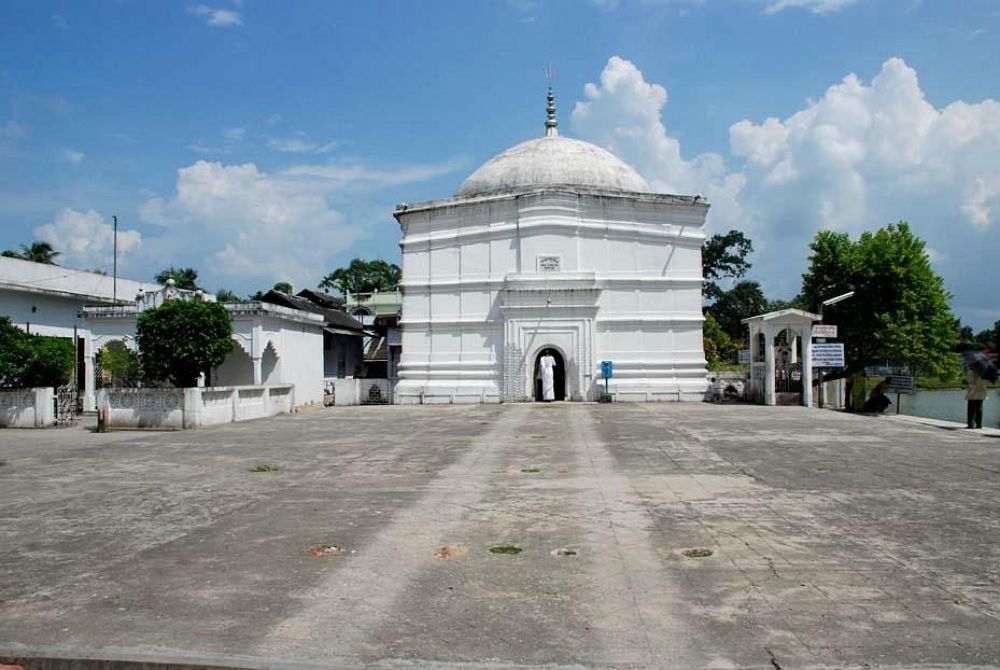
Baneswar Shiva Temple
Baneswar Shiva Temple is an ancient shrine in Cooch Behar, West Bengal, where Lord Shiva is worshipped in the form of Baneswar. The temple features a Shiva Linga as its focal po…

Madan Mohan temple, Cooch Behar
Madan Mohan temple in Cooch Behar is a Hindu shrine dedicated to Lord Krishna in his Madan Mohan form, also housing worship spaces for goddesses Kali, Tara, and Bhavani.

Kamteswari Temple
Kamteswari Temple is a Hindu shrine dedicated to the goddess Kamteswari, situated in Gosanimari village within Cooch Behar district, West Bengal.
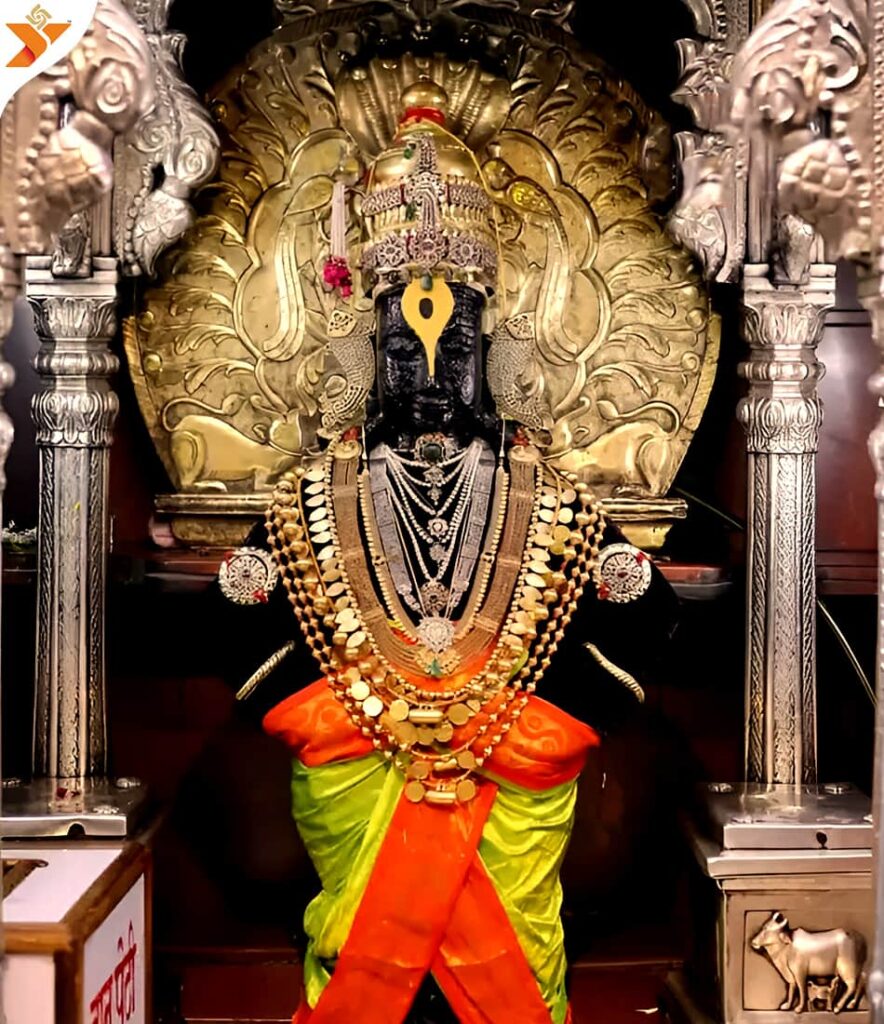
Mahamaya Dham
Mahamaya Dham in Bogribari is one of Lower Assam's greatest Shakti Peethas, revered as the second most important pilgrimage site after Kamakhya Temple. The goddess Mahamaya has…
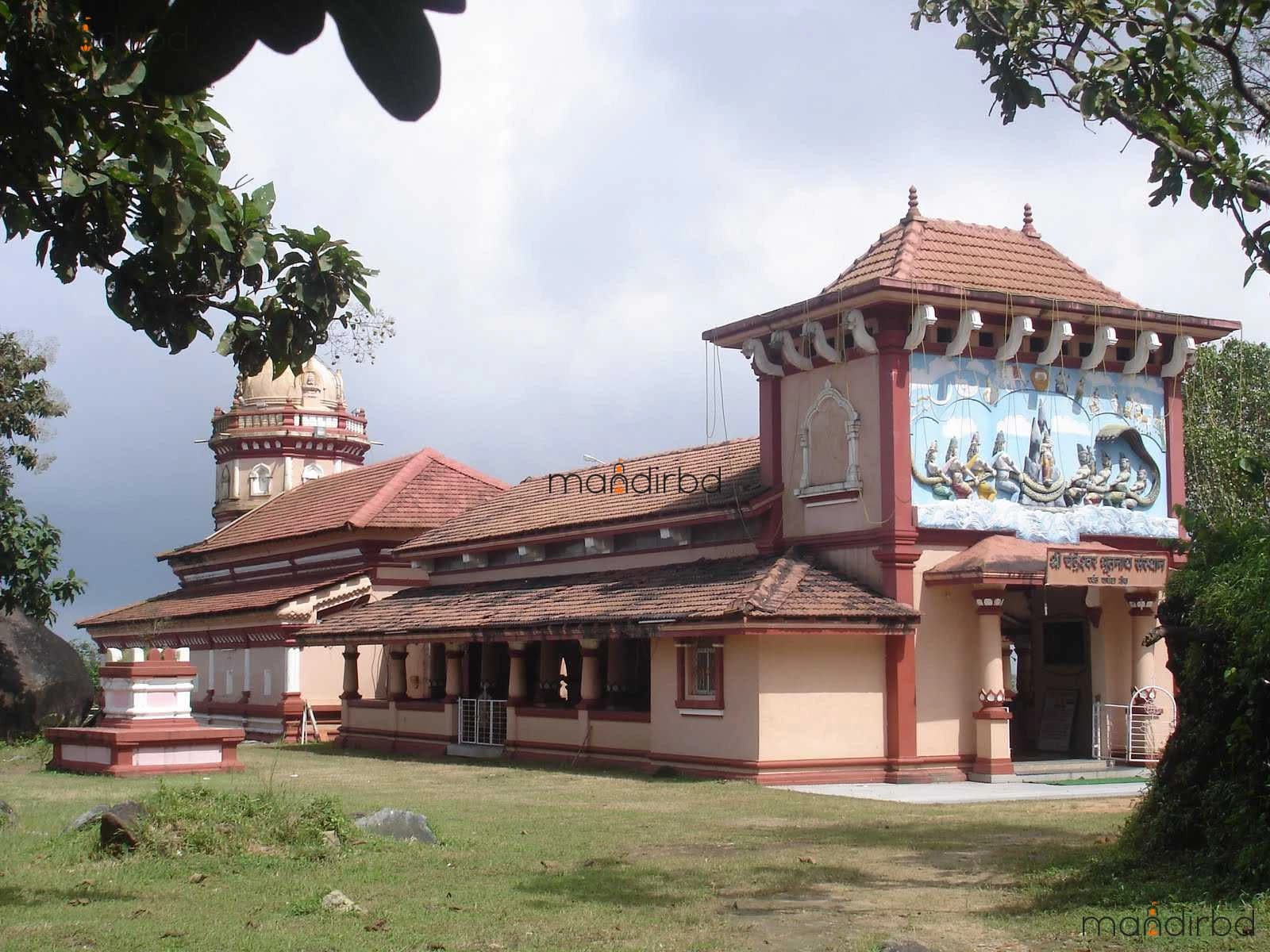
Sindurmati Tirthadham
Sindurmati Tirthadham is one of northern Bangladesh's oldest and most significant Hindu pilgrimage sites, centered around a large sacred pond and temple complex spanning 16.5 ac…
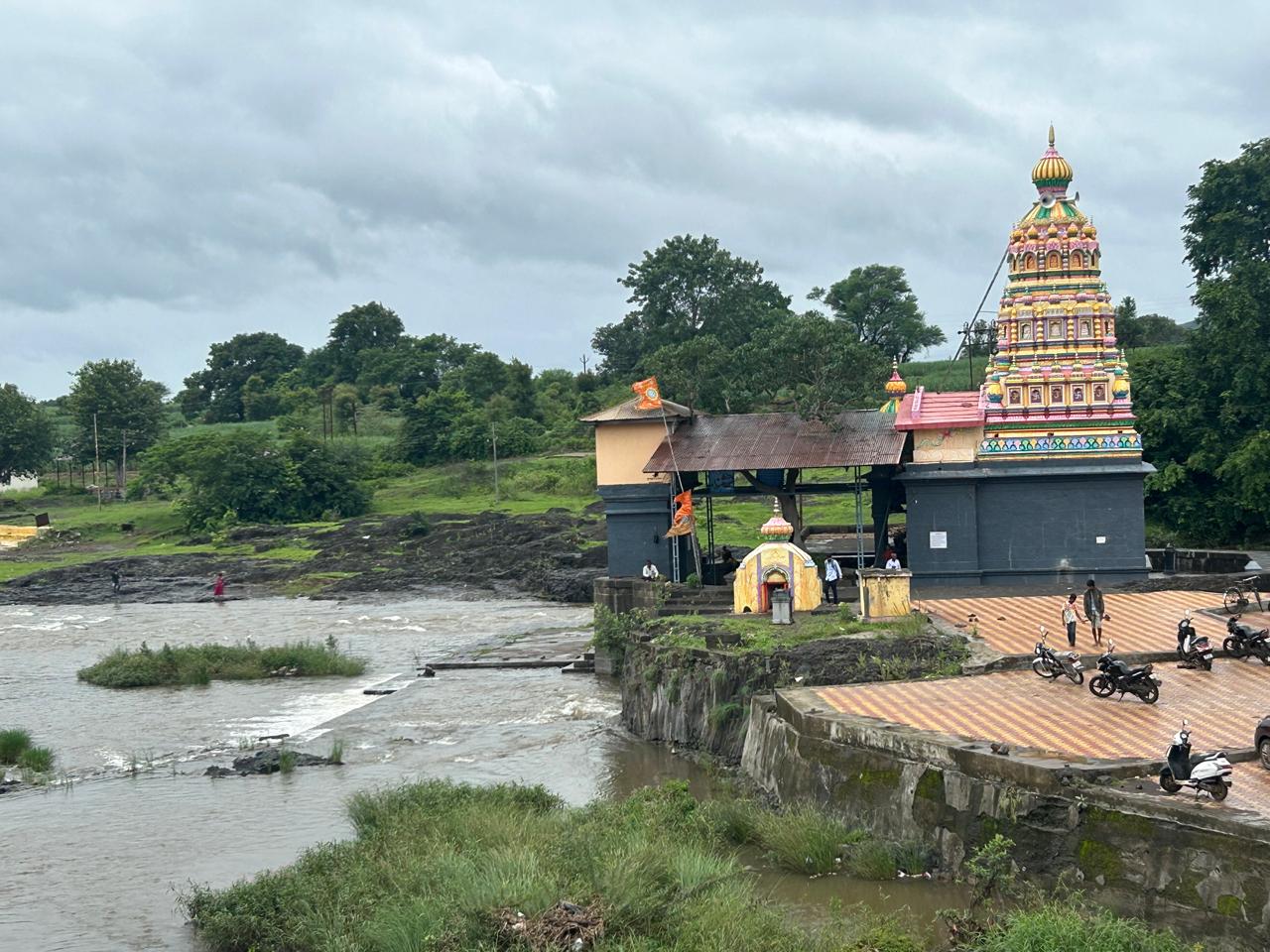
Koteshwar Shiva Mandir
Koteshwar Mahadev Temple is an ancient seaside shrine dedicated to Lord Shiva, situated near Narayan Sarovar in Kutch, Gujarat, overlooking the Arabian Sea and Kori Creek.