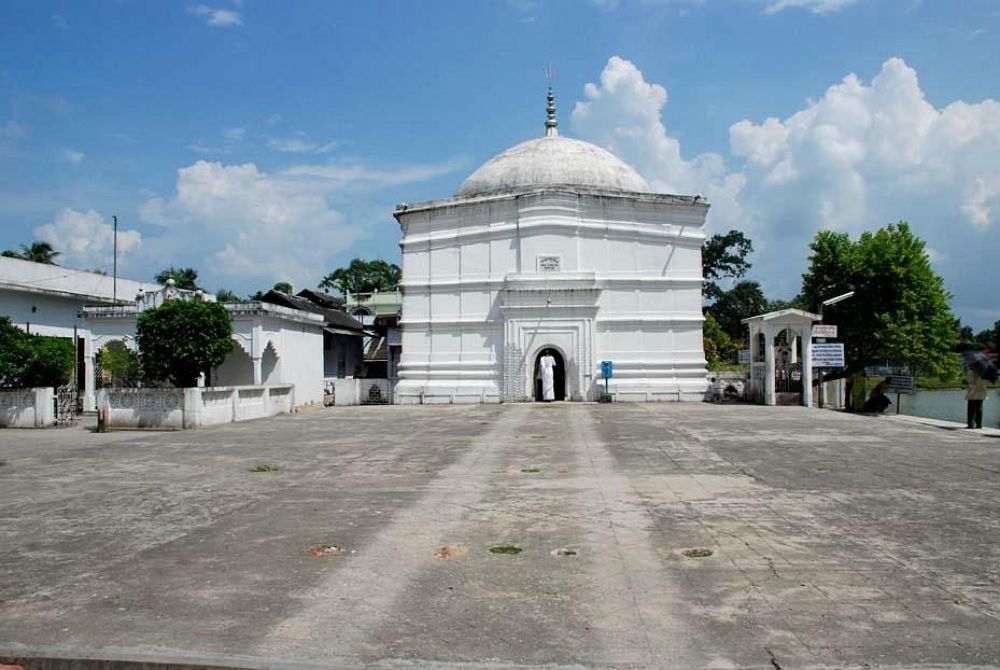
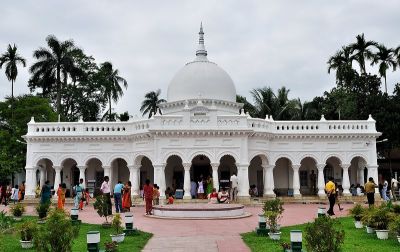
Baneswar Shiva Temple
About Baneswar Shiva Temple
Maha Shivaratri, the festival dedicated to Lord Shiva, holds particular significance at this temple. During this observance, devotees gather in greater numbers to mark the occasion and seek divine blessings. The festival represents one of the most important occasions in the Shiva worship calendar, drawing pilgrims from surrounding areas.
Beyond Maha Shivaratri, the temple welcomes visitors during other auspicious occasions when the spiritual energy of the site draws both regular worshippers and those visiting for special observances. These festival periods offer the opportunity to witness traditional practices and experience the temple's cultural heritage in a more vibrant setting than ordinary days.
Visiting Information and Practical Details
Baneswar Shiva Temple opens daily from 6:00 AM to 7:00 PM, remaining accessible throughout the year. Entry is free for both adults and children, removing financial barriers to worship and visitation. The temple's year-round accessibility means visitors can plan their journey according to their own schedules, though those seeking a more animated experience should consider timing their visit to coincide with Maha Shivaratri or other significant occasions.
Visitors should dress conservatively out of respect for the sacred space and the worshippers present. Maintaining the sanctity of the temple through respectful behavior and adherence to local customs is essential. The temple complex includes a large pond nearby that is home to a rare species of turtle, adding a natural element to the site's environment.
Location and Access
The temple is situated at Baneswar in Cooch Behar II CD block, within Cooch Behar Sadar subdivision of Cooch Behar district. Its coordinates are 26.399063, 89.497535, providing precise location information for those using navigation tools. The town of Baneswar itself lies within the broader Cooch Behar region, which contains several other religious and historical sites worth exploring during a visit to the area.
Exploring the Broader Region
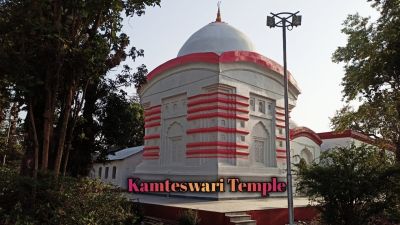
Cooch Behar offers visitors additional places of religious and historical interest. The Madan Mohan Temple and Kamteswari Temple represent other significant religious sites in the vicinity. For those interested in the region's history, Cooch Behar Palace and the Cooch Behar Rajbari Park provide insight into the area's heritage. Natural attractions including Sagardighi Wildlife Sanctuary, Chilapata Forest, and Rasikbil Bird Sanctuary offer opportunities to experience the landscape surrounding these cultural sites.
How to reach
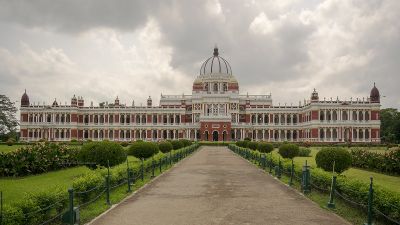
You may also visit
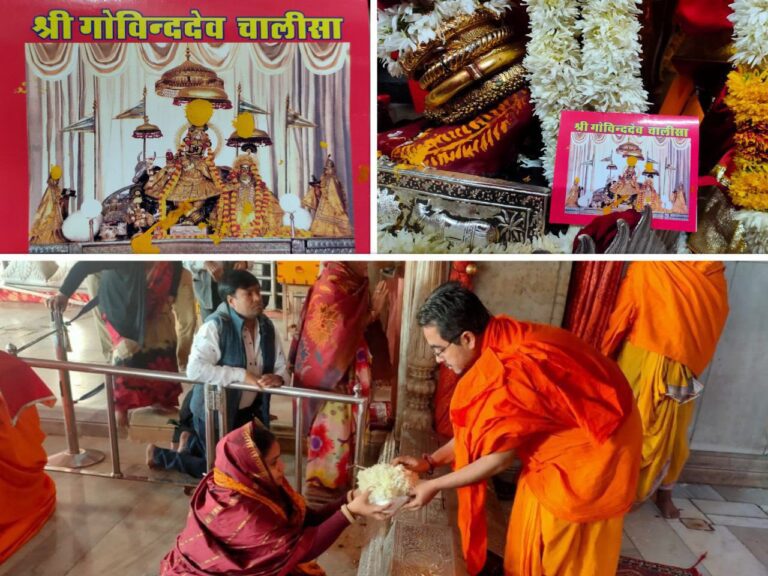
Kalyanji Temple
Kalyanji Temple in Jaipur's Chandpol Bazaar is approximately two centuries old and renowned for displaying the twenty-four avatars of Krishna, visible only twice yearly during Akha Teej and Patottsav festival.
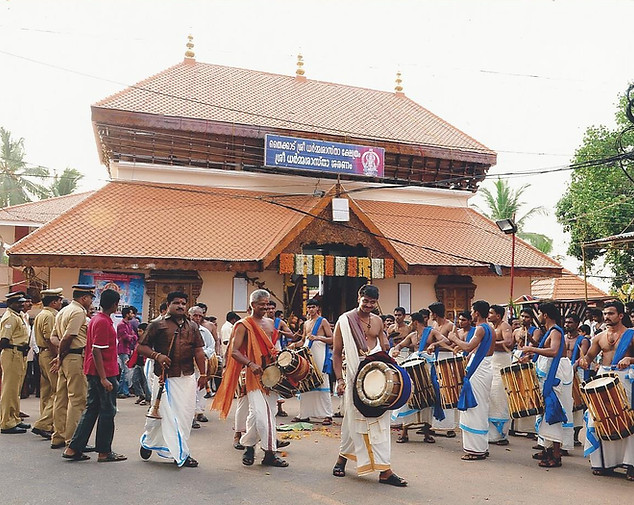
Sastha (Ayyappan) Temple
Sree Dharma Sastha Temple in Thycaud, Thiruvananthapuram, is a centuries-old shrine where the deity manifests as Dhanwanthari, the divine healer, holding the sacred blue lotus.
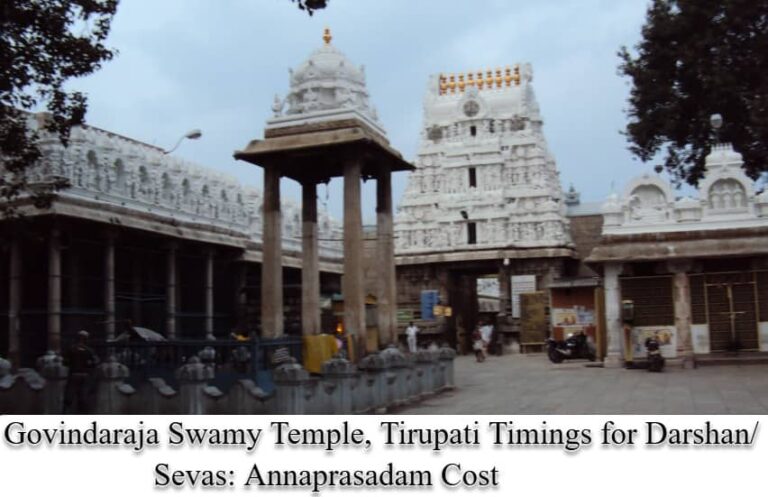
Govindarajaswamy Temple
Sri Govindarajaswamy Temple in Tirupati is an ancient Vaishnavaite shrine consecrated in 1130 AD by Saint Ramanuja, where the presiding deity rests in eternal Yoga Nidra on the serpent Adisesha.