


Madan Mohan temple, Cooch Behar
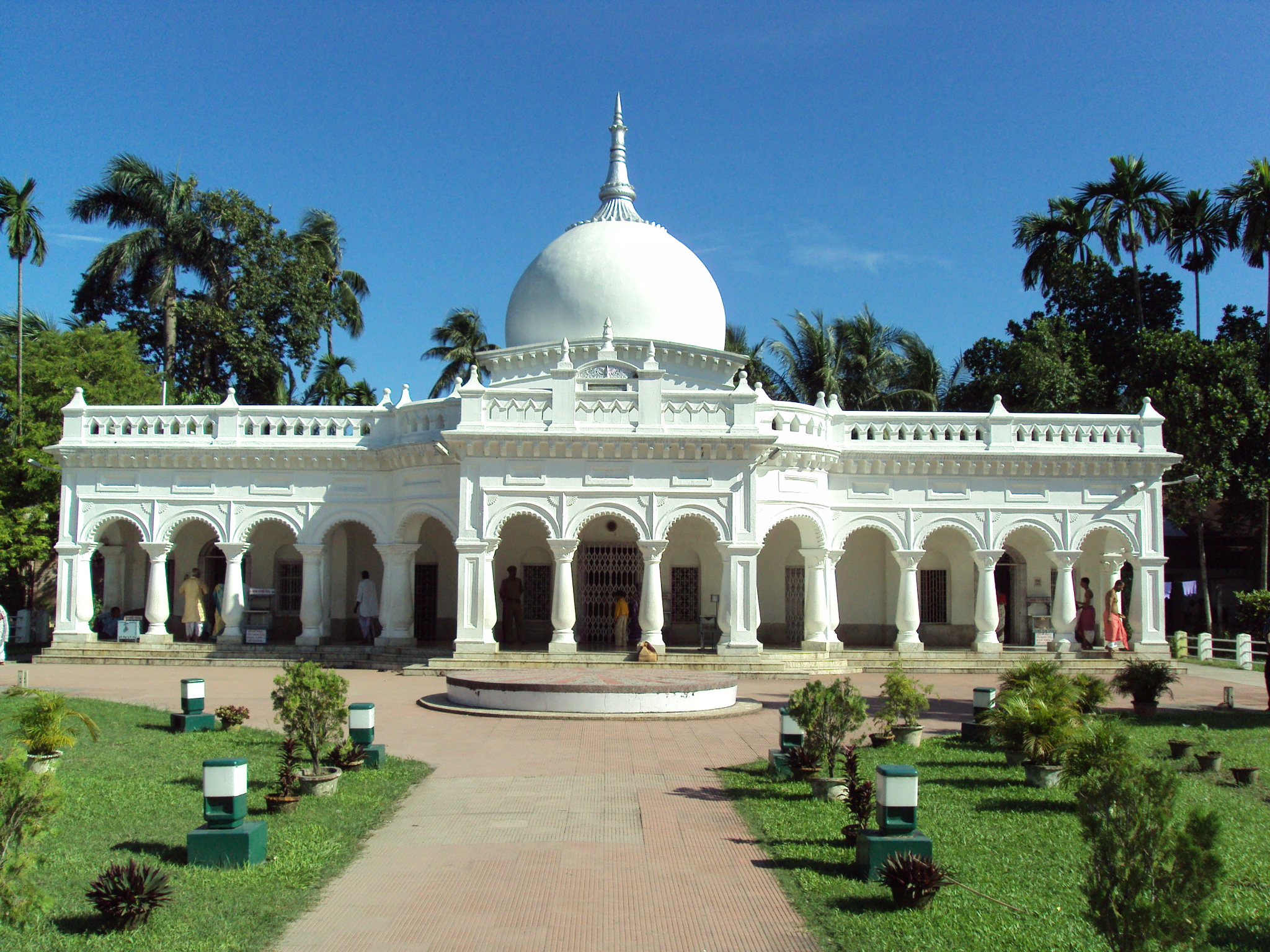
About Madan Mohan temple, Cooch Behar
The temple opens for darshan in two sessions: from 06:00 to 13:00 in the morning, and from 16:00 to 20:00 in the evening. Visitors planning their visit should note that timings may vary on festival days, making it advisable to confirm with the temple directly before traveling. The evening hours, particularly around the time of evening aarti, are considered an especially auspicious time to visit. Devotees typically remove their shoes before entering the sanctum and offer prayers according to their personal practice; those unfamiliar with temple etiquette should observe the behavior of other worshippers for guidance.
Festivals and Celebrations
The temple observes Kartik Purnima, celebrated on the full moon in the month of Kartik (typically in November), when the shrine is elaborately decorated. This festival coincides with Dev Deepawali, a night of lights observed at sacred sites across India. The temple also marks Hanuman Jayanti in April, the birthday of the deity Hanuman. Beyond these observances, the temple is notably active during Rush Puja, an important annual celebration in Cooch Behar that includes the traditional Rush Yatra procession and a Rush Mela fair, drawing substantial participation from the local community. Visitors interested in experiencing the temple during its most vibrant periods should plan their visit around these occasions.
Visiting Information
Cooch Behar town, located in West Bengal, is accessible by road and rail. The temple's precise coordinates are 26.3201°N, 89.4453°E, and it sits centrally within the town, making it relatively easy to locate. Visitors should dress modestly, covering shoulders and knees, as is customary in Hindu temples. The best time to visit in terms of weather is between October and February, when the climate is cooler and more comfortable for travel. Those wishing to participate in worship may bring flowers or other offerings, though these are typically available for purchase near the temple entrance. Photography policies should be confirmed at the temple, as restrictions may apply in certain areas.
What to Expect
As a functioning place of worship rather than a tourist attraction, the temple's primary purpose is serving the devotional needs of its community. Visitors should approach with respect for ongoing rituals and the presence of other worshippers. The temple maintains daily rituals that form the rhythm of worship; observing these practices offers insight into Vaishnavite tradition. Those new to temple visits may find it helpful to arrive during less crowded hours to acclimate themselves to the space and observe worship practices without feeling rushed.
How to reach


You may also visit
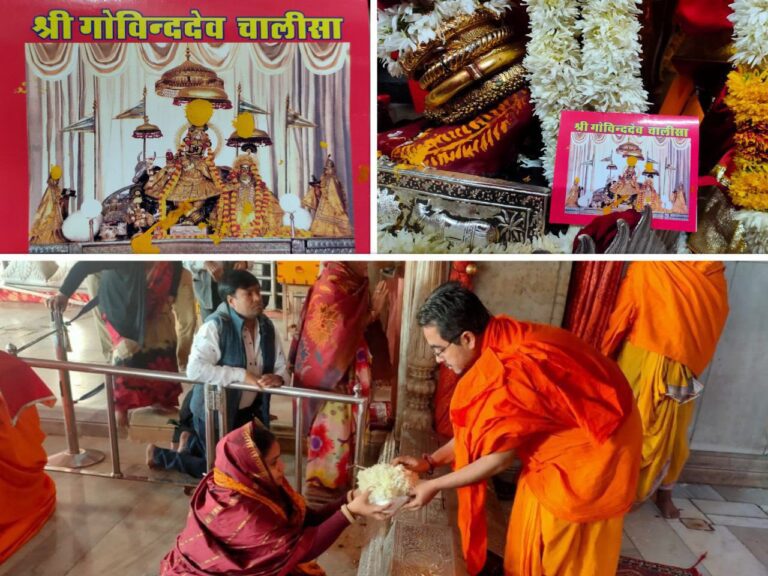
Kalyanji Temple
Kalyanji Temple in Jaipur's Chandpol Bazaar is approximately two centuries old and renowned for displaying the twenty-four avatars of Krishna, visible only twice yearly during Akha Teej and Patottsav festival.
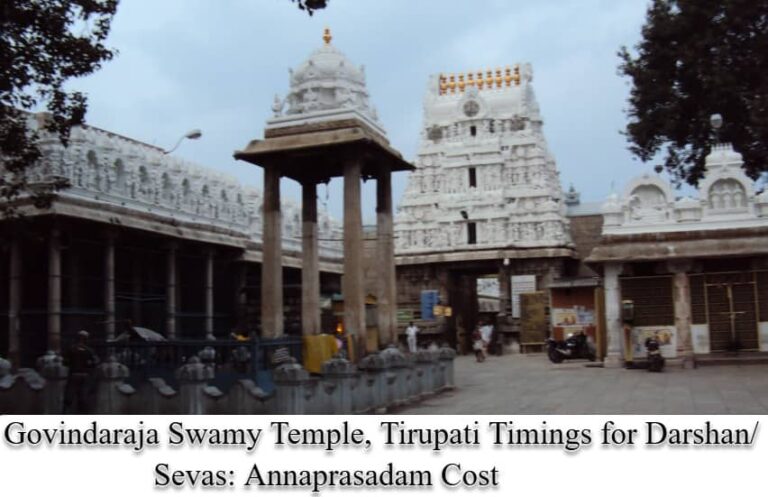
Govindarajaswamy Temple
Sri Govindarajaswamy Temple in Tirupati is an ancient Vaishnavaite shrine consecrated in 1130 AD by Saint Ramanuja, where the presiding deity rests in eternal Yoga Nidra on the serpent Adisesha.
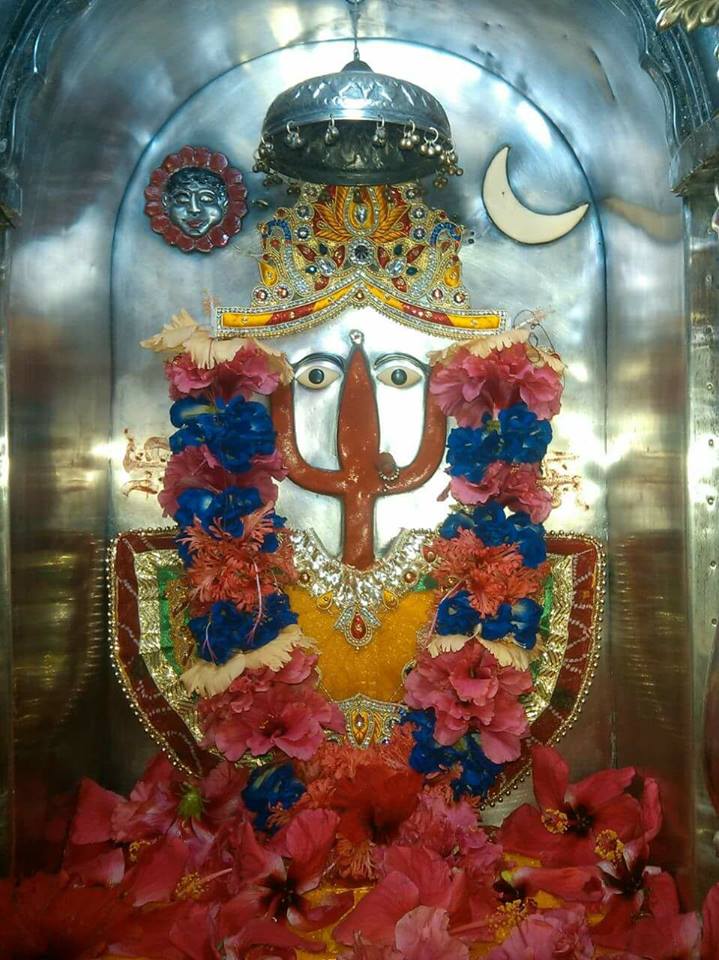
Rani Sati Mandir Mahuda
Rani Sati Mandir in Mahuda, Dhanbad District, is a Hindu temple established in 1992 that serves as a spiritual center for the local community and attracts devotees seeking blessings.