Sindurmati Tirthadham
About Sindurmati Tirthadham
The temple draws its largest gatherings during two major Hindu festivals: Boishakhi Purnima and Rath Yatra. During these observances, devotees travel from considerable distances to participate in religious rituals at the site. The festivals transform the area around the pond into spaces of active worship, with the ghats serving as focal points for bathing, prayer, and ceremonial activity. The fairs organized during these periods reflect the site's importance as a centre of pilgrimage and cultural celebration.
If you plan to visit during festival times, expect larger crowds and heightened activity around the temple complex and water's edge. These occasions offer the most vivid experience of the site's religious significance, though they also require patience and flexibility in navigating crowded conditions.
The Sacred Waters and Ritual Practice
The dighi's waters hold ritual importance for Hindu devotees. Bathing in sacred ponds forms a central practice in Hindu pilgrimage tradition, and Sindurmati's clear waters attract those seeking this form of worship. The ghats provide access to the pond for ritual bathing and water-based observances. Visitors should approach the water with respect, understanding that for many pilgrims, immersion in these waters represents a significant spiritual act.
The temple structures adjacent to the pond serve as spaces for prayer and worship. While specific details about daily rituals and darshan timings are not documented in available sources, visitors should expect standard temple practices typical of Hindu pilgrimage sites: opportunities for prayer before the deity, participation in ritual activities, and respectful circumambulation of sacred spaces.
Visiting Practicalities
Sindurmati Tirthadham is located in Panchagram, Lalmanirhat Sadar, within Lalmonirhat District in the Rangpur Division of Bangladesh. The coordinates are 25.813059, 89.517111. Before visiting, confirm current opening hours and any specific protocols with local sources, as detailed information about daily timings and facilities is limited.
Dress modestly when visiting the temple complex, as is customary at Hindu places of worship. Remove footwear before entering temple structures. Treat the pond and its surroundings with reverence, understanding their sacred significance to devotees. If you plan to bathe in the dighi, do so respectfully and be mindful of other visitors. Carry water and sun protection, as the site offers limited shade in many areas. The best time to visit is during Boishakhi Purnima or Rath Yatra if you wish to experience the site at its most active, though quieter visits at other times may suit those seeking a more contemplative experience.
Reaching the Site
The temple lies in northern Bangladesh, accessible from Lalmonirhat town. Specific transportation details—bus routes, taxi services, or walking paths—should be confirmed locally before your visit. The site's location in a rural area means that advance planning regarding transport is advisable. Contact local tourism offices or the temple directly for current guidance on reaching Panchagram from major towns in the region.
A Living Heritage
Sindurmati Tirthadham represents centuries of continuous religious practice and cultural memory. The site's endurance as a pilgrimage destination reflects its deep roots in the spiritual life of northern Bangladesh's Hindu communities. Whether you visit during the energy of festival gatherings or in quieter seasons, the pond and temple complex offer a window into Hindu devotional traditions as they have been sustained across generations in this region.
How to reach
Temples near Sindurmati Tirthadham
Koteshwar Shiva Mandir
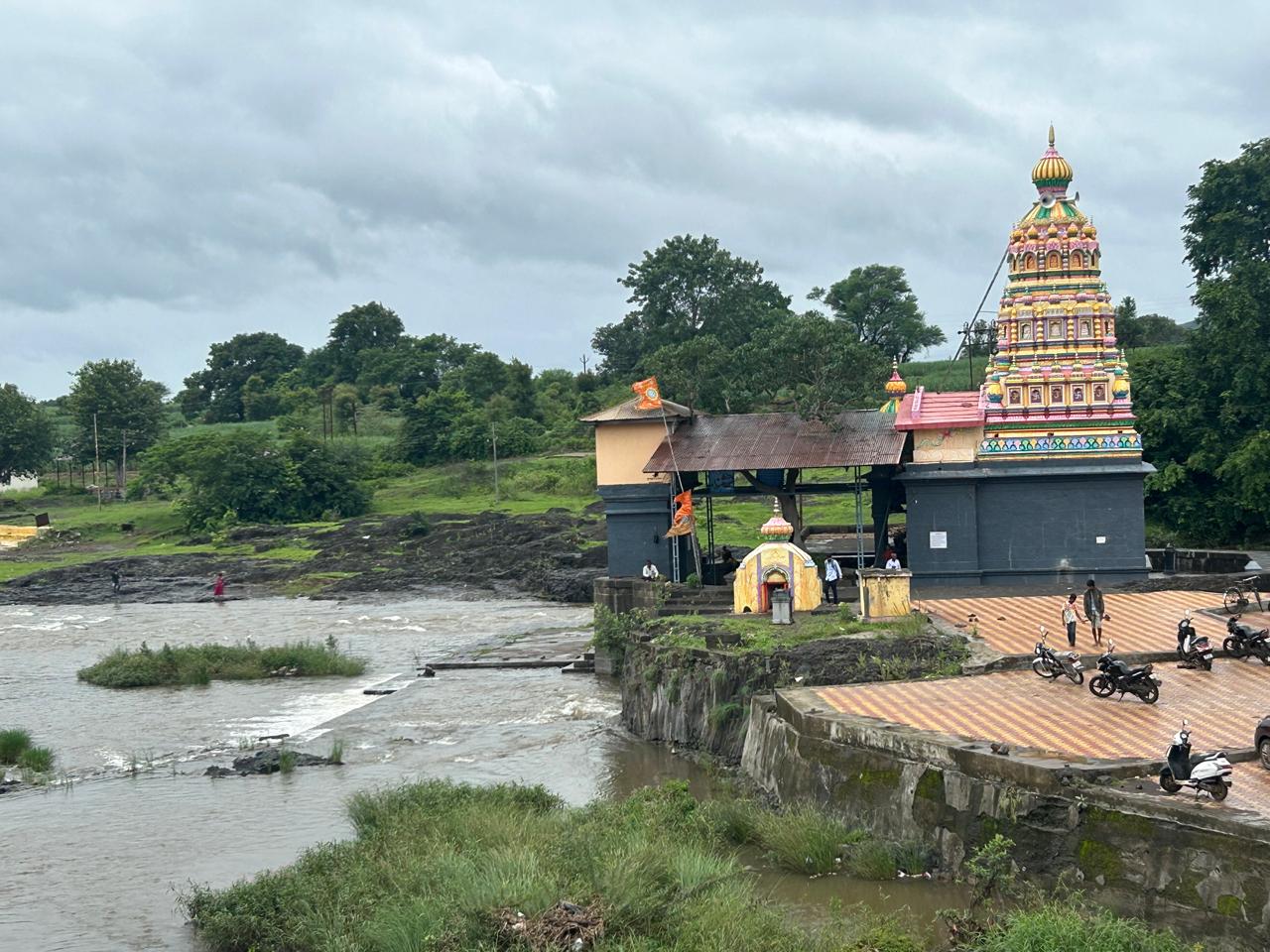
Koteshwar Mahadev Temple is an ancient seaside shrine dedicated to Lord Shiva, situated near Narayan Sarovar in Kutch, Gujarat, overlooking the Arabian Sea and Kori Creek.
Central Temple, Carmichael College
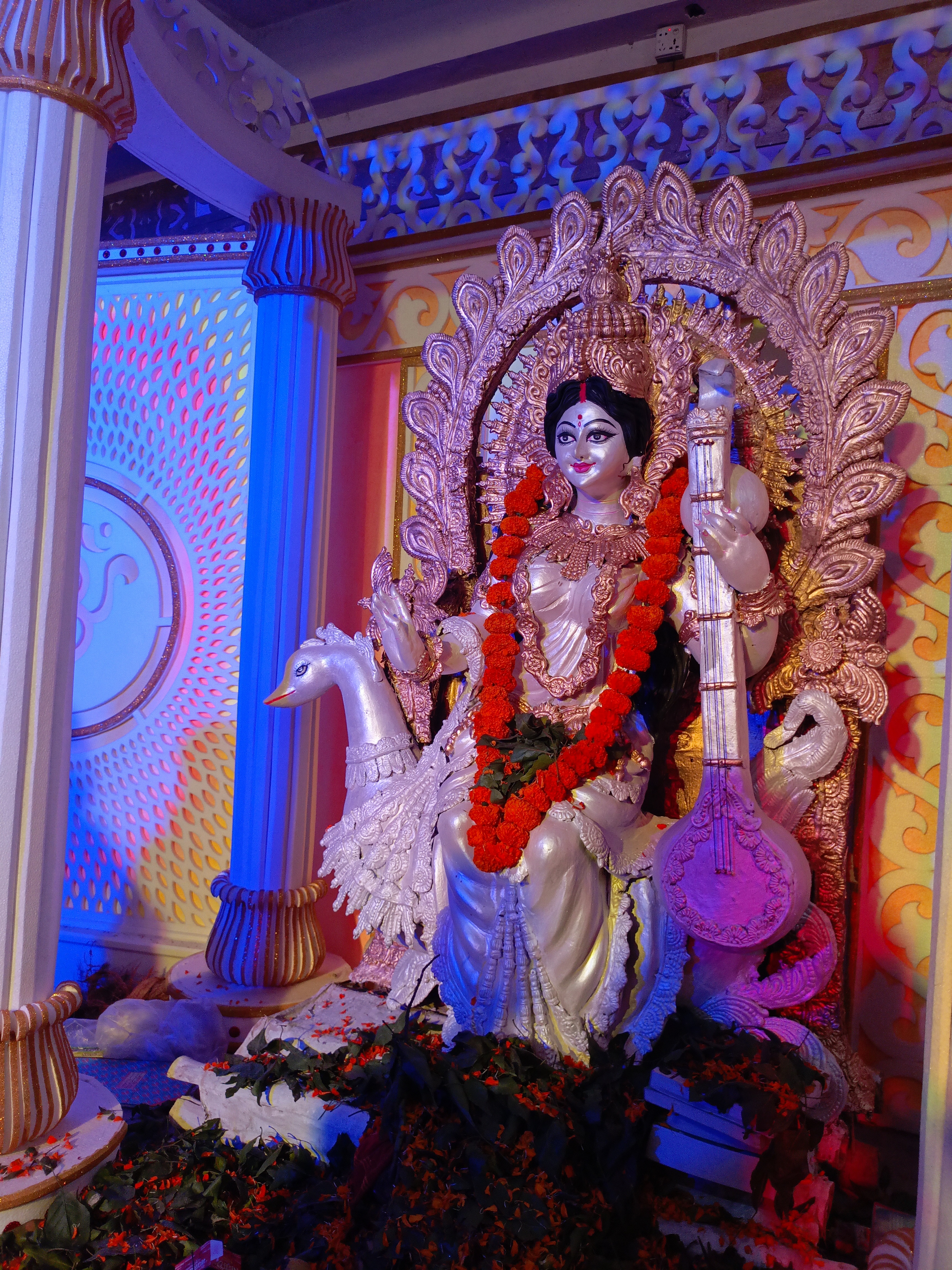
Central Temple at Carmichael College in Rangpur, Bangladesh is a Hindu place of worship serving the local community with observances of major festivals throughout the year.

Kamteswari Temple
Kamteswari Temple is a Hindu shrine dedicated to the goddess Kamteswari, situated in Gosanimari village within Cooch Behar district, West Bengal.

Madan Mohan temple, Cooch Behar
Madan Mohan temple in Cooch Behar is a Hindu shrine dedicated to Lord Krishna in his Madan Mohan form, also housing worship spaces for goddesses Kali, Tara, and Bhavani.
Siddheshwari temple
Siddheshwari temple in Solapur, Maharashtra is dedicated to Lord Siddharameshwara, a 12th-century saint-yogi and philosopher who established 68 consecrated Shivalingas across th…
Baneswar Shiva Temple
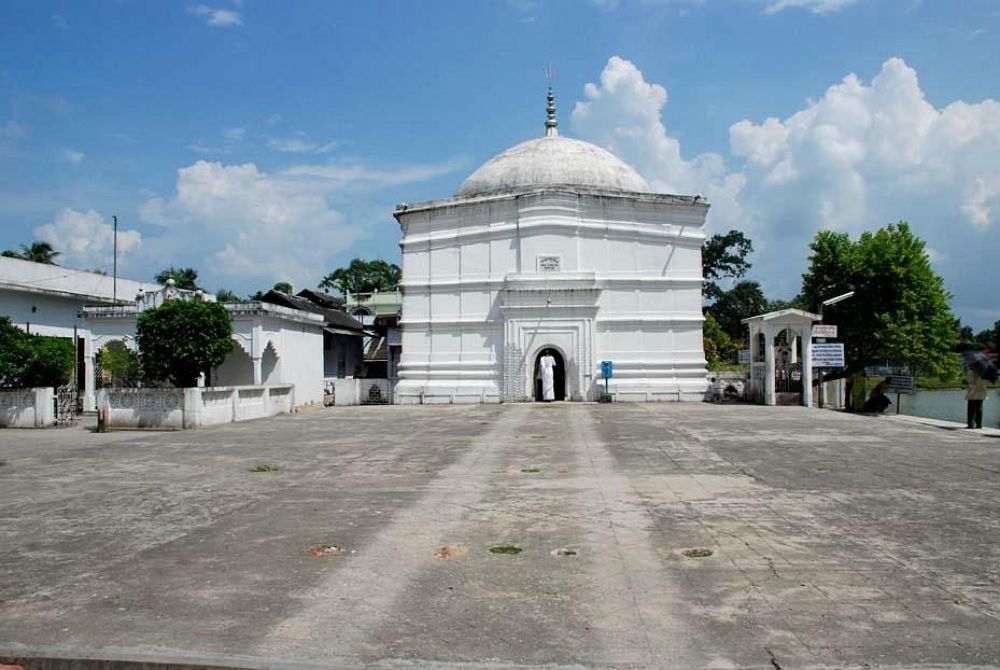
Baneswar Shiva Temple is an ancient shrine in Cooch Behar, West Bengal, where Lord Shiva is worshipped in the form of Baneswar. The temple features a Shiva Linga as its focal po…