
Mahamaya Dham
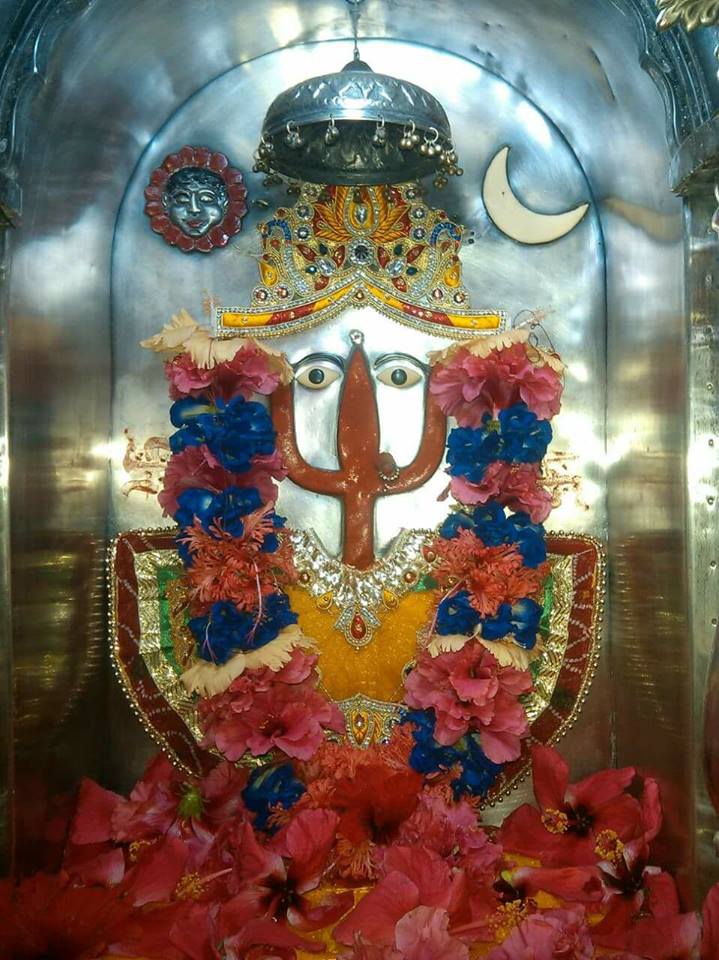
About Mahamaya Dham
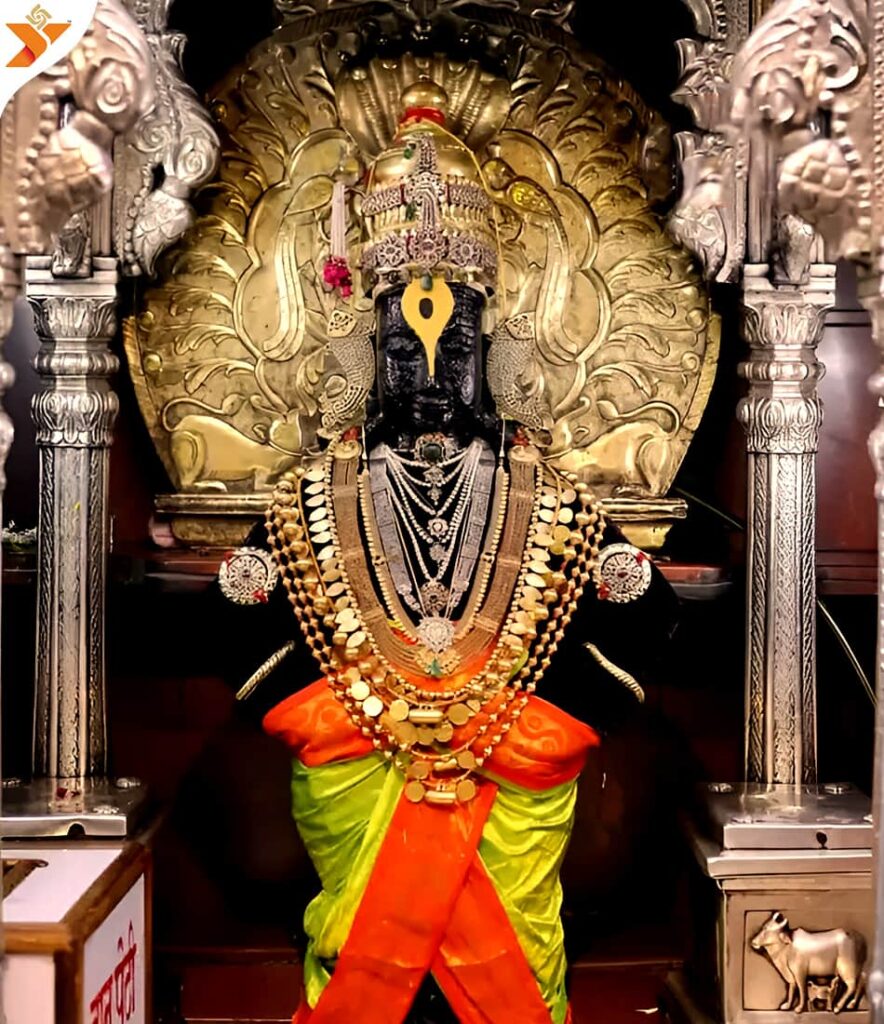
The temple maintains a structured daily schedule of worship centred around four principal aartis (ritual offerings of light). The Mangala Aarti, performed between 05:00 and 05:30, marks the earliest worship of the day. The Shringar Darshan follows at 08:00 to 09:00, a period when the deity is adorned and made ready for the day's worship. At midday, the Rajbhog Aarti takes place from 12:00 to 12:30, typically associated with the offering of food to the deity. The day concludes with the Sandhya Aarti between 18:30 and 19:00, performed at dusk.
Visitors seeking darshan (sacred viewing of the deity) should plan their visit around these timings. The temple recommends visiting during daylight hours for safety, and it is advisable to confirm the current schedule directly with the temple before travelling, as timings may shift seasonally or during special observances. As with temples of the Shakta tradition, visitors should observe standard etiquette: removing footwear before entering the sanctum, maintaining respectful silence during worship periods, and following any instructions provided by temple staff. Modest dress is customary when visiting temples in Assam.
Festivals and Sacred Observances
Throughout the year, Mahamaya Dham observes several significant festivals that draw increased numbers of pilgrims. Guru Purnima, celebrated in July, honours spiritual teachers and is marked by special worship at the shrine. Maha Shivaratri in February is observed with night-long vigils and ritual abhishekam (ritual bathing) of the deity. Dussehra in October and Diwali in November are celebrated with special decorations and enhanced worship. Kartik Purnima in November and Chhath Puja, also in November, bring additional observances to the temple calendar. These festival days transform the temple into a centre of heightened spiritual activity, with special rituals and increased pilgrimage. Visitors planning to attend during festivals should arrive early and prepare for larger crowds.
Practical Information for Visitors
The temple is situated in a rural setting with limited commercial facilities in the immediate vicinity. Pilgrims are advised to carry sufficient water and sun protection before arriving. Mobile phone connectivity may be variable in this area, so visitors should plan accordingly. The coordinates for the temple are 26.2143°N, 90.1185°E, which can be used for navigation purposes.
Visitors should confirm current darshan timings with the temple before travelling, as schedules can vary. The temple's location in Lower Assam means that access is best planned from nearby towns such as Dhubri or Bilasipara. Those unfamiliar with the region should allow extra time for travel and navigation to the rural location.
Reaching Mahamaya Dham
The temple's position in Kokrajhar district places it within the broader Assam region. Dhubri, approximately 30 kilometres to the west, and Bilasipara, about 10 kilometres to the east, serve as reference points for navigation. Visitors travelling from Guwahati or other major centres in Assam should plan their route via these towns. Local transport options and road conditions should be verified before departure, particularly during monsoon seasons when rural roads in Assam may be affected by weather.
How to reach
Temples near Mahamaya Dham
Dhamrai Jagannath Roth
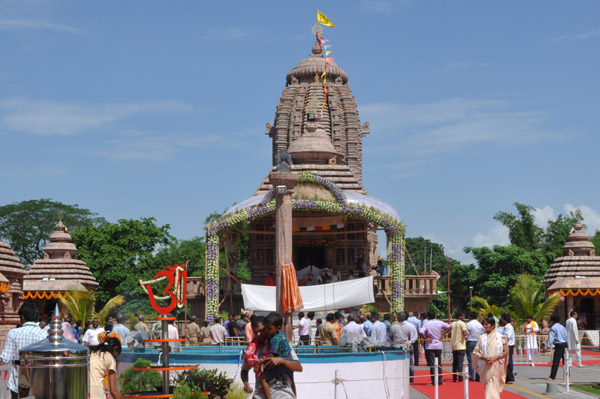
The Dhamrai Jagannath Roth is a three-storied chariot temple dedicated to Lord Jagannath, located in Dhamrai, Bangladesh. Founded in 1672, it hosts an annual Ratha Yatra festiva…

Tukreswari Temple
Tukreswari Temple in Goalpara district, Assam is an ancient Hindu shrine dedicated to Goddess Sati as a Shakta pitha, one of the sacred sites where fragments of Sati's body are…
Siddheshwari temple
Siddheshwari temple in Solapur, Maharashtra is dedicated to Lord Siddharameshwara, a 12th-century saint-yogi and philosopher who established 68 consecrated Shivalingas across th…
Baneswar Shiva Temple
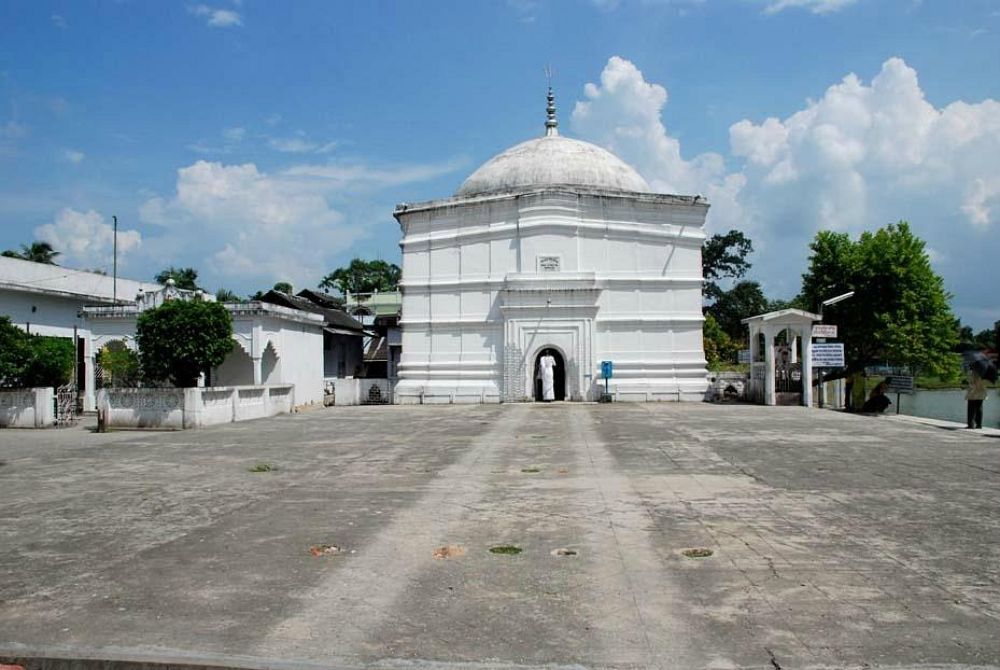
Baneswar Shiva Temple is an ancient shrine in Cooch Behar, West Bengal, where Lord Shiva is worshipped in the form of Baneswar. The temple features a Shiva Linga as its focal po…

Madan Mohan temple, Cooch Behar
Madan Mohan temple in Cooch Behar is a Hindu shrine dedicated to Lord Krishna in his Madan Mohan form, also housing worship spaces for goddesses Kali, Tara, and Bhavani.
Sindurmati Tirthadham
Sindurmati Tirthadham is one of northern Bangladesh's oldest and most significant Hindu pilgrimage sites, centered around a large sacred pond and temple complex spanning 16.5 ac…