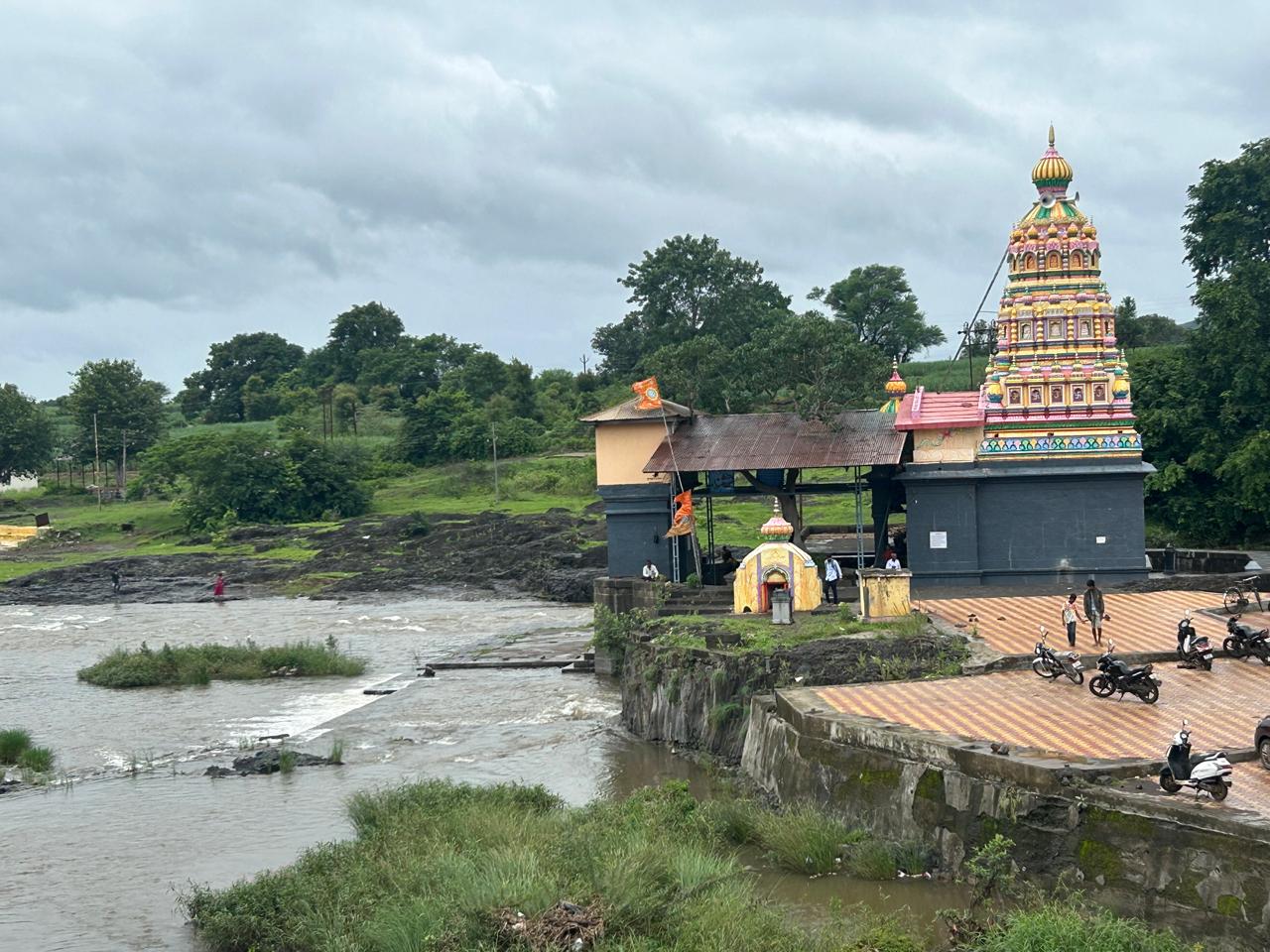
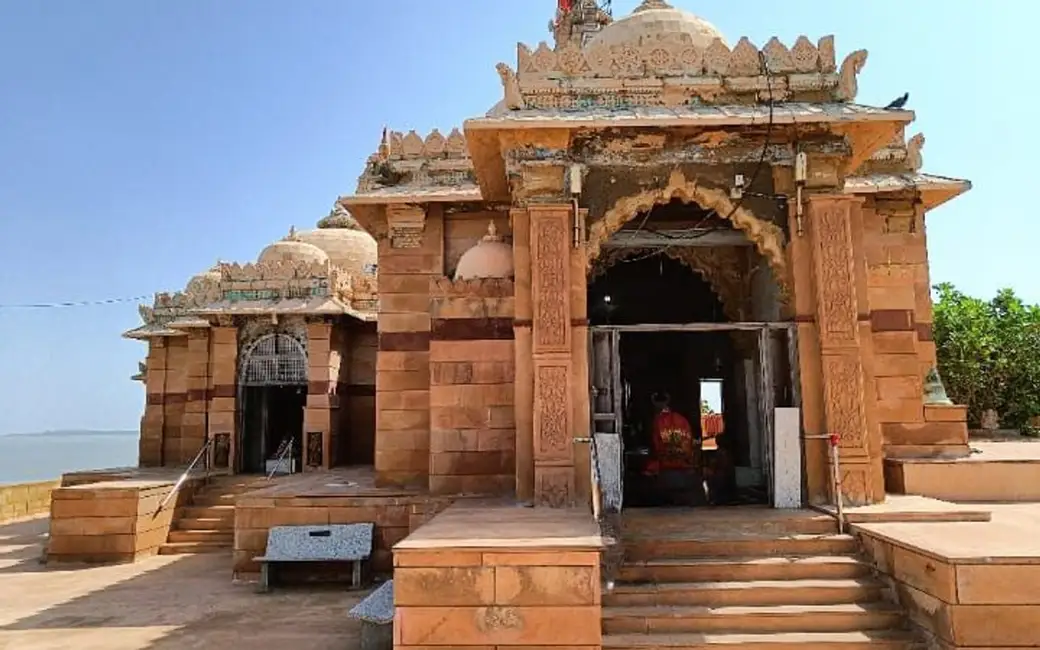
Koteshwar Shiva Mandir
About Koteshwar Shiva Mandir
The temple was established in 1820, though local tradition speaks of its deeper antiquity as a place of spiritual power. According to legend preserved in the region, Lord Shiva meditated at this location while journeying toward Kedarnath. Another narrative connects the site to Ravana, the figure from the Ramayana, who is said to have received a boon from Lord Shiva and was granted a Shiva linga of exceptional spiritual potency. In his haste, Ravana accidentally dropped this sacred linga, and it fell to earth at Koteshwar, establishing the temple's spiritual foundation. These stories, whether understood as literal history or spiritual metaphor, underscore the temple's significance as a place where devotees believe Shiva's presence is particularly concentrated.
Daily Worship and Darshan
The temple opens for darshan twice daily. Morning hours run from 6:00 AM to 1:00 PM, while evening access extends from 4:00 PM to 8:30 PM. On special festival days, evening hours are extended to 9:00 PM, allowing additional time for worship. The temple observes two daily aartis—the morning Sandhya Aarti and the evening Sandhya Aarti—which are the principal ritual moments when the deity is formally honored with light, sound, and offerings. These aartis follow the Shaivite tradition of honoring Shiva through coordinated ritual action. Devotees typically time their visits to coincide with aarti for a more immersive spiritual experience, particularly the evening aarti, which many find conducive to contemplation.
Festivals and Sacred Observances
The temple calendar includes several significant festivals. Mahashivaratri, the great night dedicated to Shiva, draws particular devotional focus. Shravani Somwar—the Mondays falling within the lunar month of Shravan (typically July-August)—are observed with special reverence, as this period is traditionally associated with Shiva worship. Tripura Pournima, the full moon in the month of Kartik, is also marked at the temple. Additionally, Dashahaar Samapti, marking the conclusion of a ten-day observance, features in the temple's festival calendar. These occasions typically see extended hours and heightened ritual activity, though specific dates should be confirmed with the temple directly.
When to Visit
The winter months from November through February offer the most comfortable conditions for pilgrimage. During this period, temperatures are moderate and the coastal location becomes particularly pleasant. The evening hours, especially around the time of evening aarti, provide a serene atmosphere enhanced by the proximity to water and the setting light. Visitors planning their journey should note that timings may shift during festivals and special observances, so confirmation before arrival is advisable.
Practical Information for Visitors
Koteshwar is located approximately 13 kilometers from Satara town in the Kutch district. The temple's remote coastal position means visitors should plan transportation in advance. Standard temple etiquette applies: remove footwear before entering the sanctum, dress modestly, and maintain respectful silence during worship. Photography policies should be confirmed upon arrival. The temple is managed by the Koteshwar Devasthan Trust, registered since 1952, and maintains official channels for inquiries and arrangements. For specific questions about darshan procedures, special pujas, or current timings, contact details are available through the temple's official administration. Visitors should carry water and sun protection, as the coastal location offers limited shade, and plan visits during the posted darshan hours to ensure access.
How to reach
Temples near Koteshwar Shiva Mandir
Sindurmati Tirthadham
Sindurmati Tirthadham is one of northern Bangladesh's oldest and most significant Hindu pilgrimage sites, centered around a large sacred pond and temple complex spanning 16.5 ac…
Central Temple, Carmichael College
Central Temple at Carmichael College in Rangpur, Bangladesh is a Hindu place of worship serving the local community with observances of major festivals throughout the year.

Kamteswari Temple
Kamteswari Temple is a Hindu shrine dedicated to the goddess Kamteswari, situated in Gosanimari village within Cooch Behar district, West Bengal.

Madan Mohan temple, Cooch Behar
Madan Mohan temple in Cooch Behar is a Hindu shrine dedicated to Lord Krishna in his Madan Mohan form, also housing worship spaces for goddesses Kali, Tara, and Bhavani.
Siddheshwari temple
Siddheshwari temple in Solapur, Maharashtra is dedicated to Lord Siddharameshwara, a 12th-century saint-yogi and philosopher who established 68 consecrated Shivalingas across th…
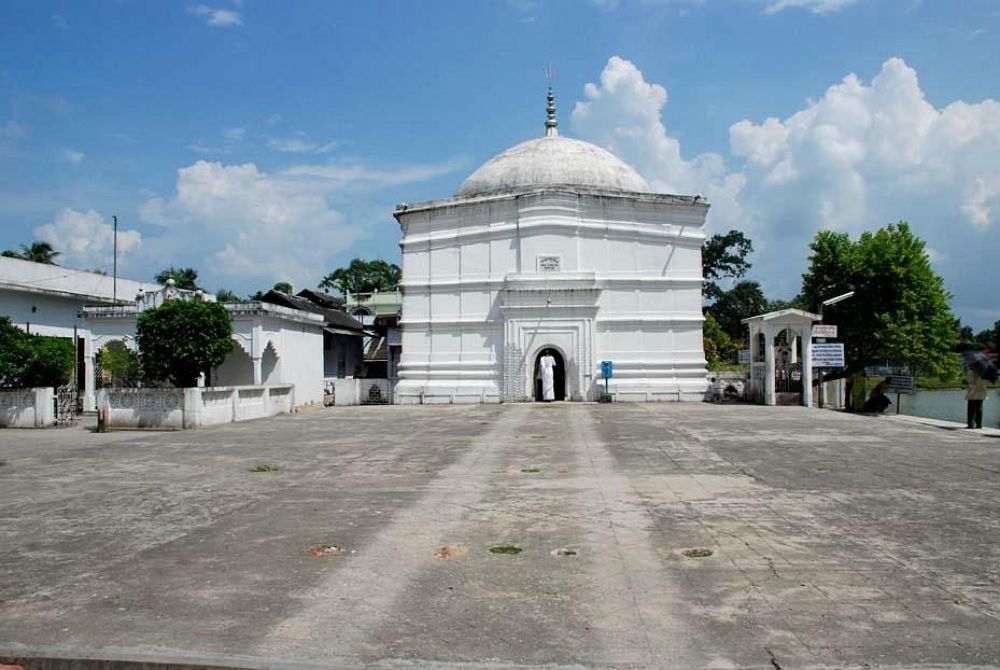
Baneswar Shiva Temple
Baneswar Shiva Temple is an ancient shrine in Cooch Behar, West Bengal, where Lord Shiva is worshipped in the form of Baneswar. The temple features a Shiva Linga as its focal po…