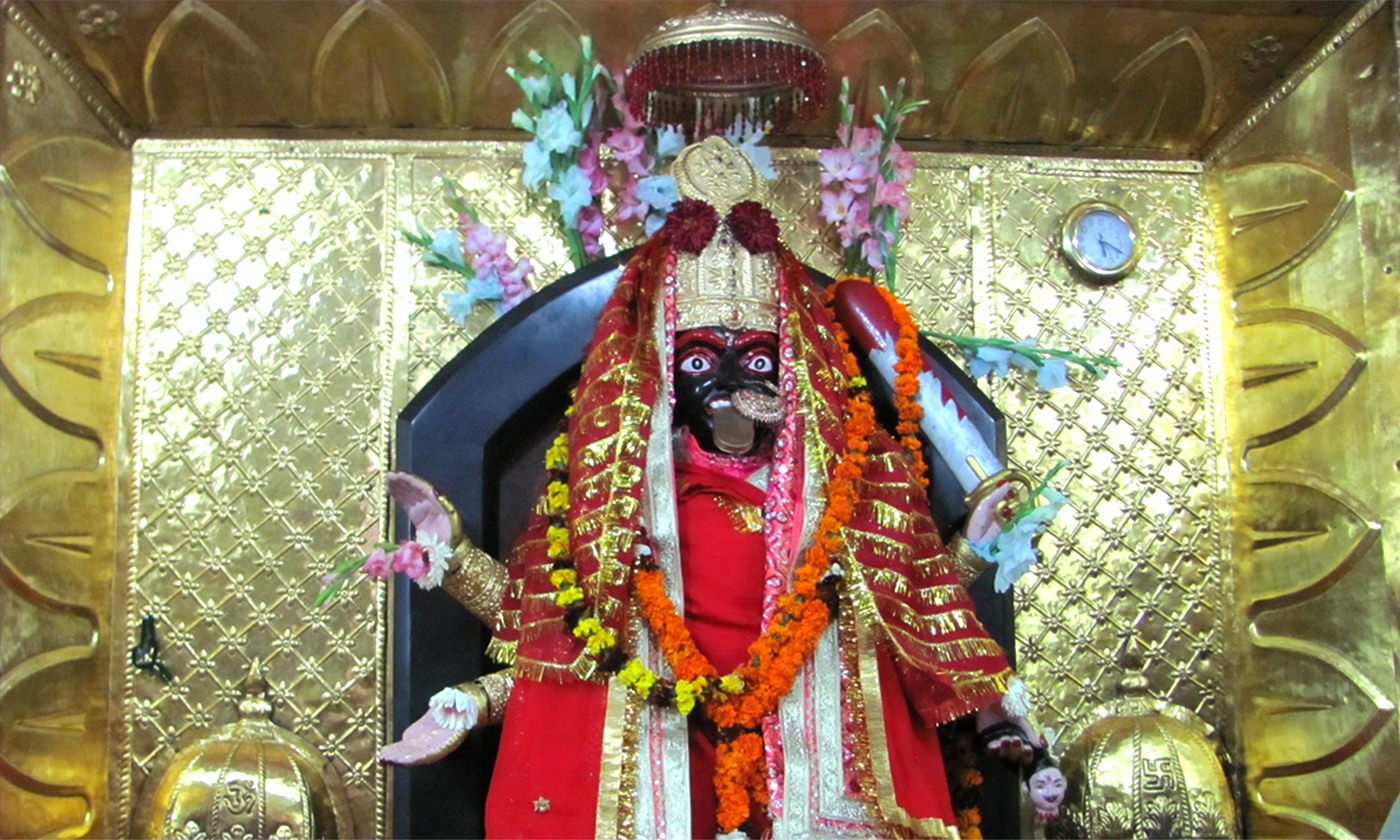
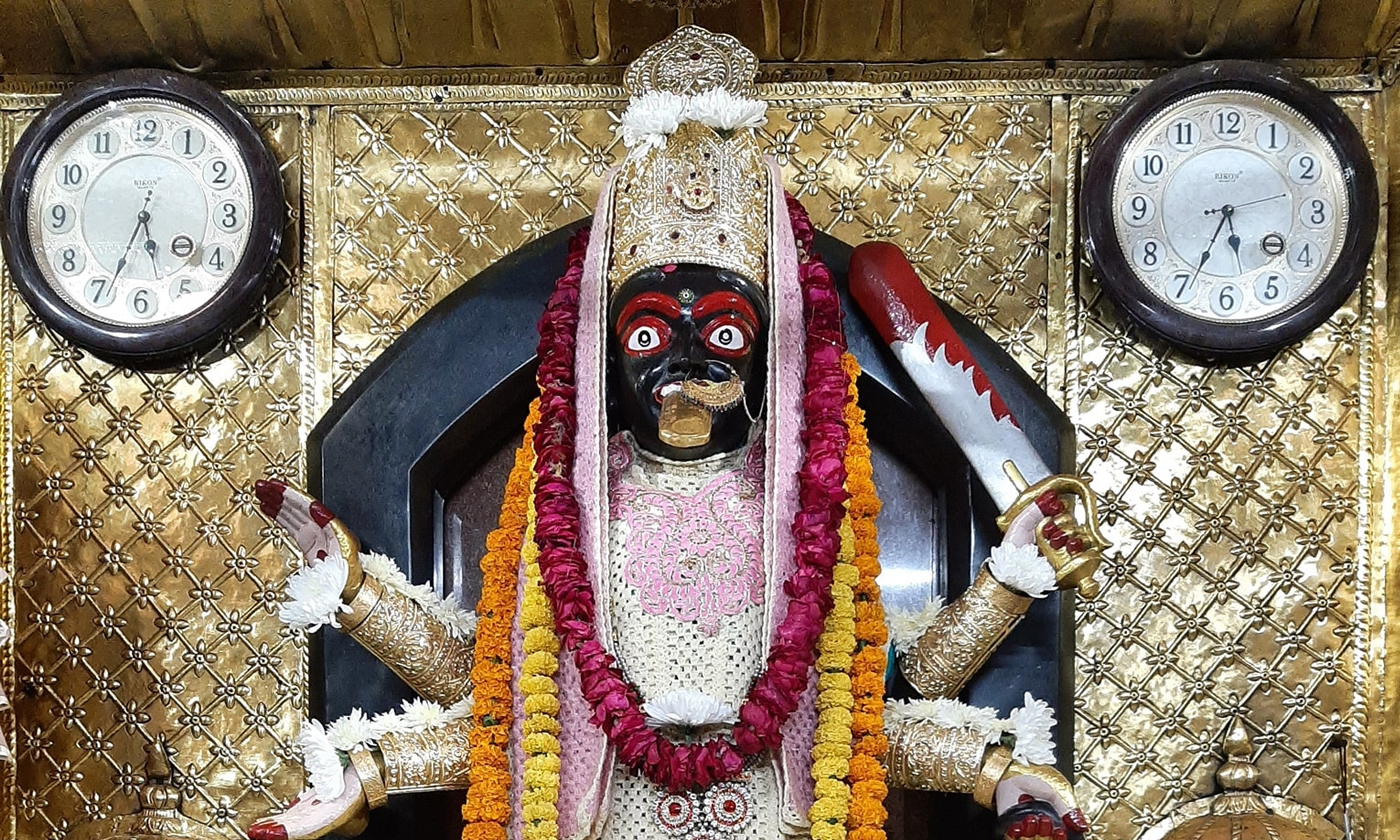
Shri Kali Devi Temple, Patiala
About Shri Kali Devi Temple, Patiala
The temple was established in 1936 by Maharaja Bhupinder Singh of Patiala, a ruler moved by devotion to commission this substantial place of worship. The Maharaja's vision was to create a sanctuary that would protect his state and its people, and to this end he undertook the considerable effort of bringing the sacred idol and eternal flame from Bengal to Punjab. The temple complex that resulted reflects the architectural ambitions of the Patiala royal house, blending Mughal and Rajasthani design traditions into a structure grand enough to be recognized as a national monument.
Within the same complex stands an older temple dedicated to Raj Rajeshwari, adding layers of spiritual history to the site. The temple's location on Mall Road, opposite the Baradari Gardens, places it at the heart of Patiala's civic landscape, making it accessible to both local devotees and visiting pilgrims.
Daily Worship and Rituals
The temple opens at 5:00 a.m. each day, beginning with the morning aarti at dawn—the first prayer service that awakens the deity and greets the new day. This ritual typically lasts around thirty minutes. The evening aarti follows a seasonal schedule: from 6:00 to 7:00 p.m. during winter months, and from 7:00 to 7:30 p.m. during summer. These congregational prayers draw devotees together in worship and are open to all visitors.
At noon each day, the temple offers bhog sewa—a distribution of blessed food, typically halwa, puri, and chana, which devotees receive as the Goddess's grace. Visitors may make offerings of mustard oil, lentils, sweets, coconuts, bangles, and chunnis (scarves), among other items. Some devotees also make animal offerings as part of their worship practice. The temple remains open until 9:00 p.m., allowing for evening visits and prayers.
Navratri and Festival Observances
The temple's most significant period falls during Navratri, the nine-day festival honoring the Divine Mother in her various forms. This festival occurs twice yearly, and during these periods the temple draws large numbers of devotees from across the region. The complex is elaborately decorated, and a substantial fair takes place, transforming the temple grounds into a center of celebration and spiritual gathering.
Beyond Navratri, the temple observes other important occasions. Diwali is celebrated with thousands of oil lamps and special evening prayers. Kali Puja, performed on the new moon night of the Kartik month (typically October-November), holds particular significance for Kali worship. New Year's Day also brings crowds of devotees seeking blessings for the year ahead.
Visiting the Temple
The temple is located on Mall Road, directly opposite Baradari Gardens, approximately one kilometer from Patiala Railway Station and the bus stand. Auto-rickshaws provide convenient transport from these points. The temple complex is built on level ground and remains accessible to visitors of varying mobility.
Modest dress is expected within the temple premises. Heads should be covered—scarves are typically available if needed. Visitors should plan their visit around the aarti timings if they wish to participate in congregational worship. Tuesdays and Saturdays are considered particularly auspicious days for darshan. The nearby Baradari Gardens offer a pleasant space for reflection after visiting the temple. The temple's phone number is +91 99881 14039, and inquiries can be directed to info@mandirkalidevijipatiala.org.
How to reach
Temples near Shri Kali Devi Temple, Patiala
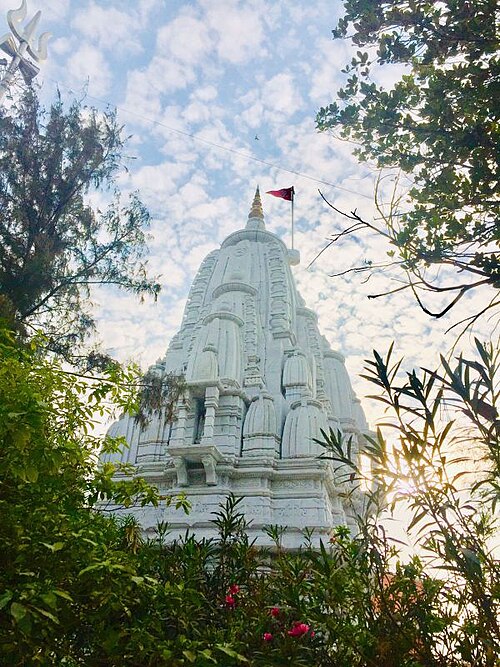
Shanaleshwara Swayambhu Temple
An ancient self-manifested Shiva lingam temple in Punjab's Nalas village, discovered over 550 years ago and revered as a major pilgrimage site equated to Mount Kailash in devoti…
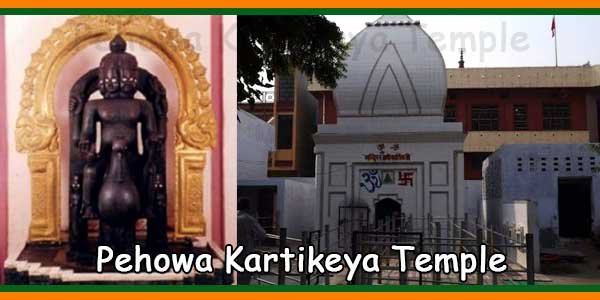
Kartikeya Temple, Pehowa
Kartikeya Temple in Pehowa, Haryana is one of North India's oldest shrines dedicated to Lord Kartikeya, distinguished by its unique oil anointing ritual of the sacred Kartikeya…

Markandeshwar
Markandeshwar Temple in Puri is a 12th-century Shiva shrine believed to mark where Sage Markandeya meditated after Lord Shiva saved him from danger. One of fifty-two major Shiva…
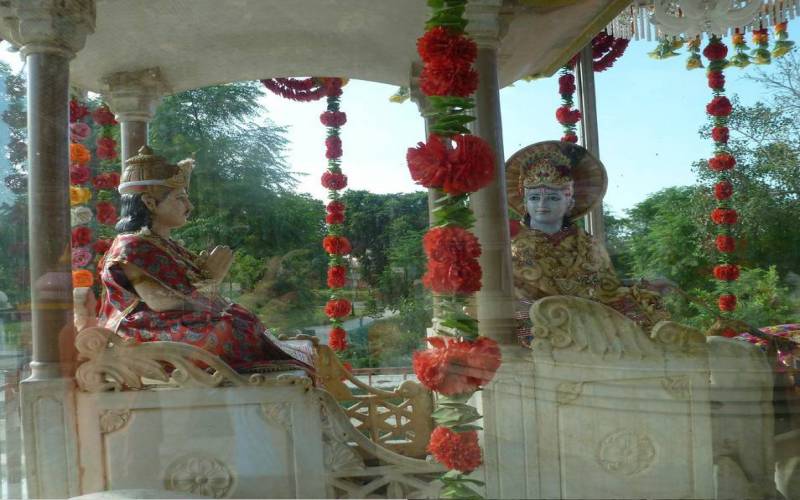
Jyotisar
Jyotisar, also known as Gita Updesh Sthal, is the sacred site in Kurukshetra where Lord Krishna is believed to have delivered the Bhagavad Gita to Arjuna on the battlefield.
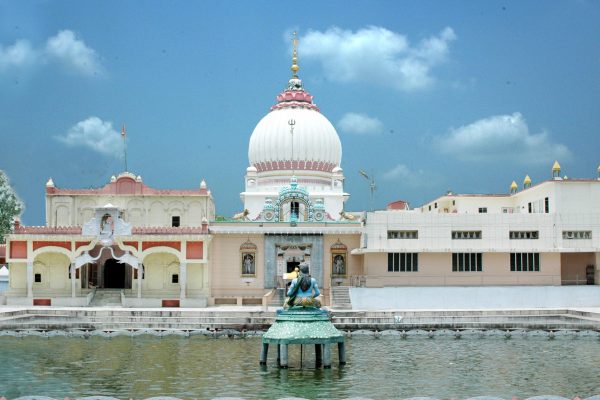
Sthaneshwar Mahadev Temple
An ancient Shiva temple in Kurukshetra where the Pandavas and Krishna are said to have prayed for victory in the Mahabharata war. Located beside the sacred Sthaneshwar tank, it…
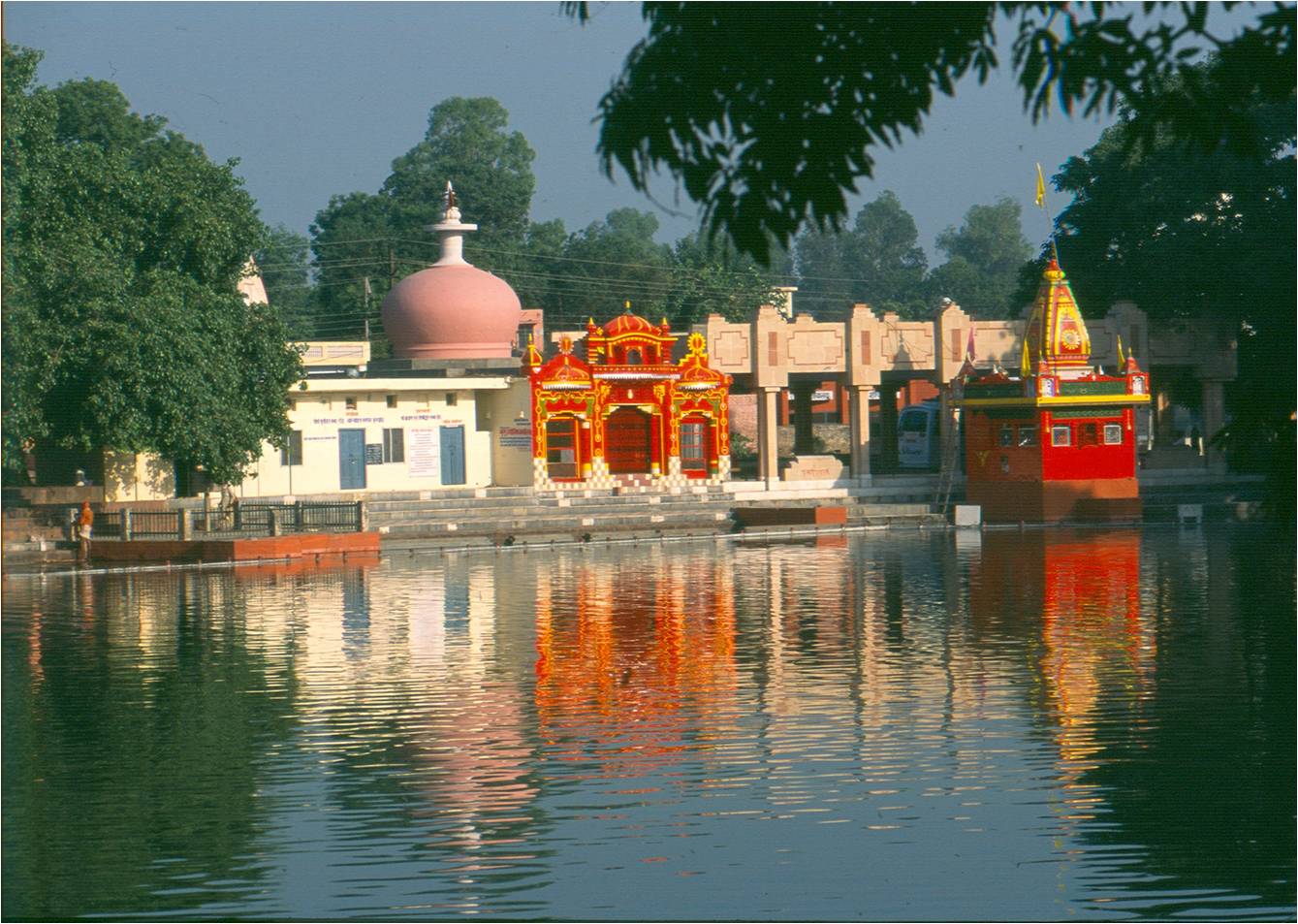
Sannihit Sarovar
Sannihit Sarovar is a sacred pilgrimage tank in Kurukshetra believed to be the meeting point of seven holy rivers, drawing devotees year-round for rituals and spiritual blessings.