Shanaleshwara Swayambhu Temple
About Shanaleshwara Swayambhu Temple
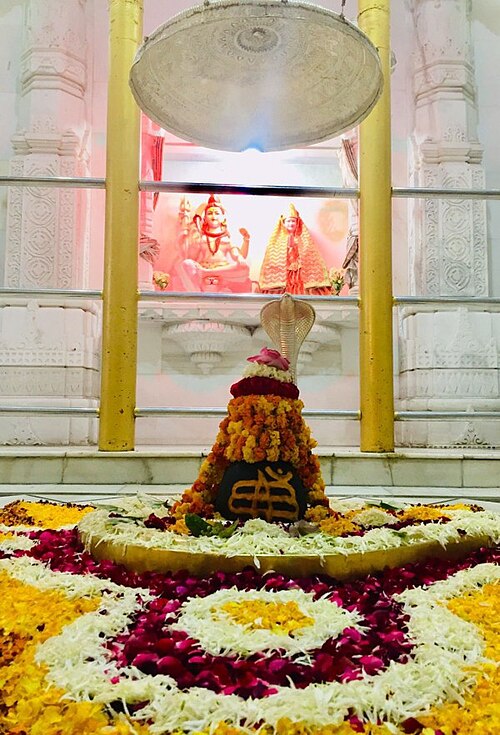
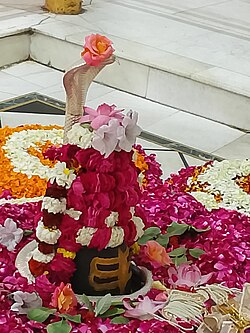
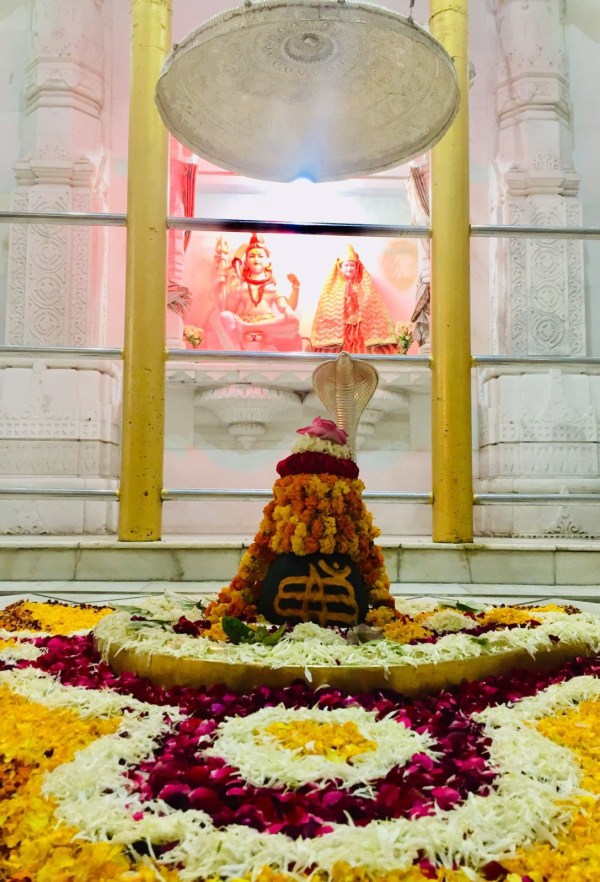
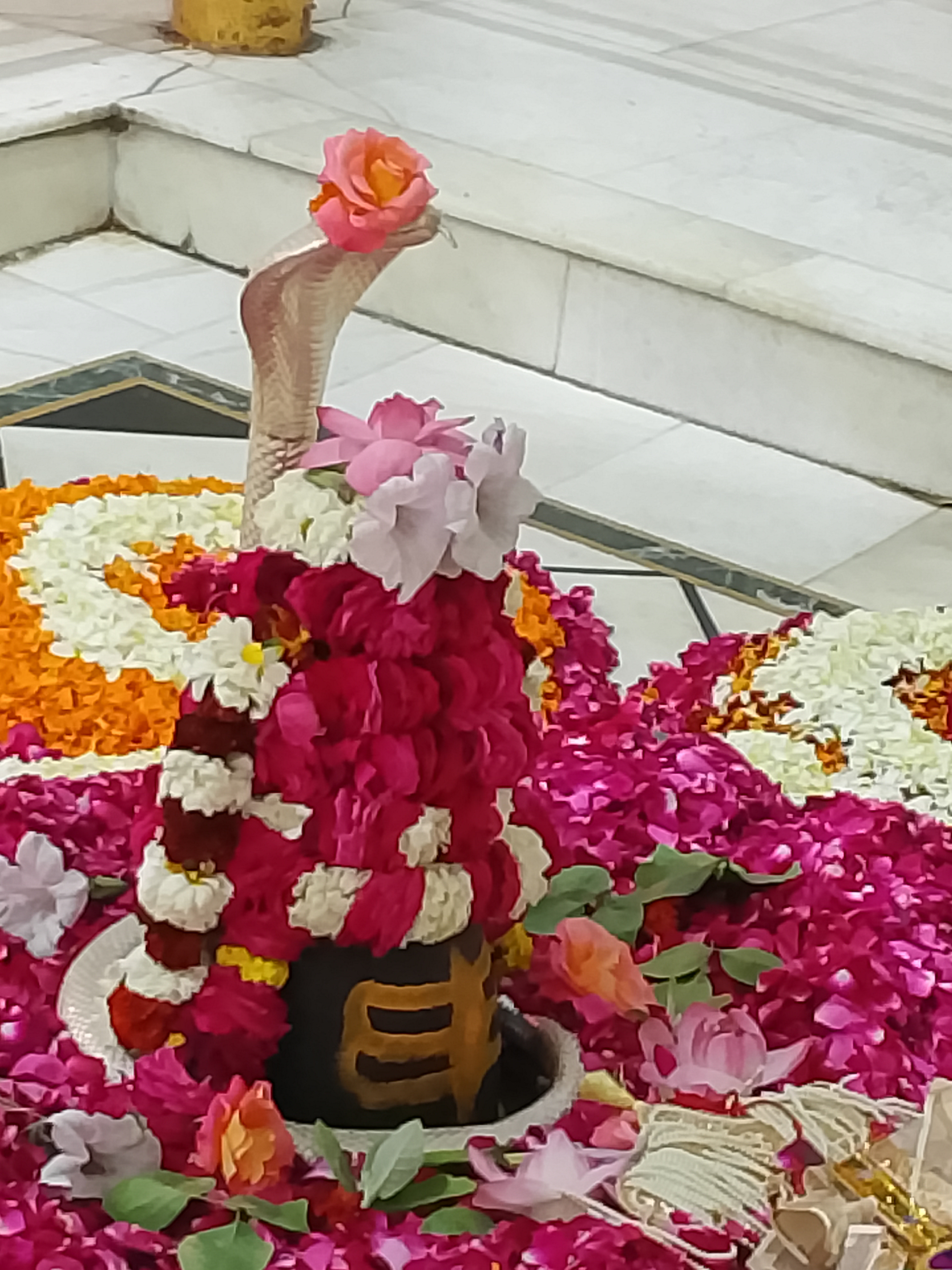
The temple was established in 1592, though accounts suggest the sacred site itself dates to the late 15th century. According to local tradition, the lingam was discovered in a dense forest by a cowherd whose cow spontaneously yielded milk at the location, accompanied by signs described as divine—thunder and lightning. Following this discovery, a local raja received a heavenly proclamation (aakashvani) directing him to the exact spot. The raja's elephant, brought to the site, refused to move further, confirming the location's sanctity. Royal patronage subsequently enabled the temple's construction and development.
The temple is maintained by ascetic sadhus of the Juna Akhara Foundation, a monastic order within the Shaivite tradition.
Architecture and Layout
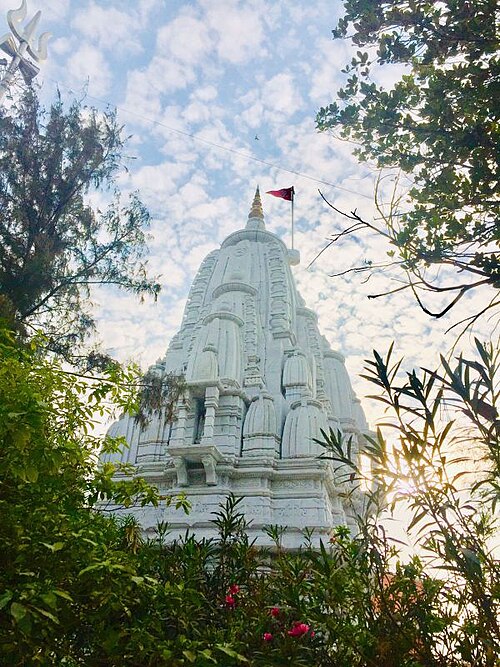
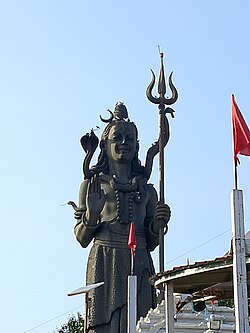
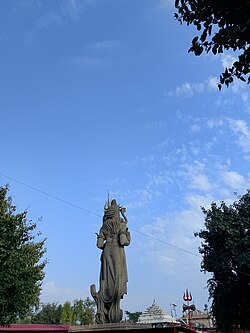
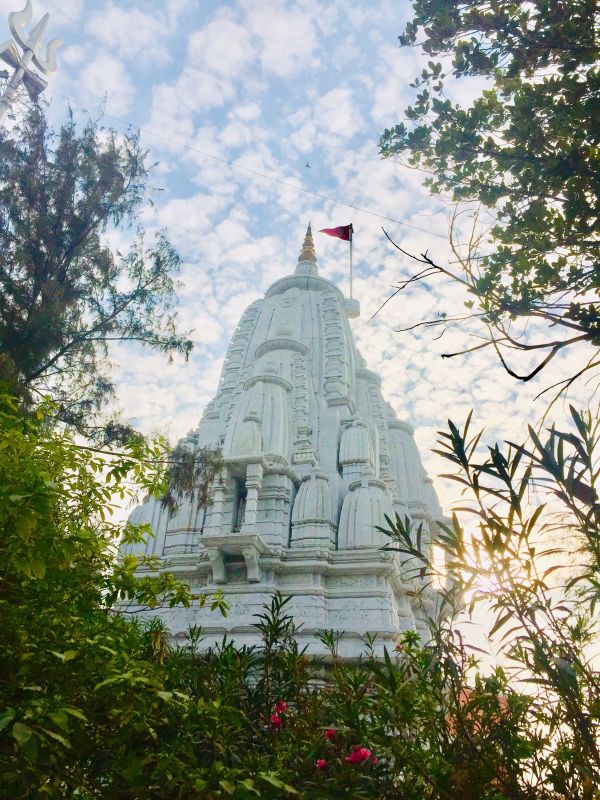
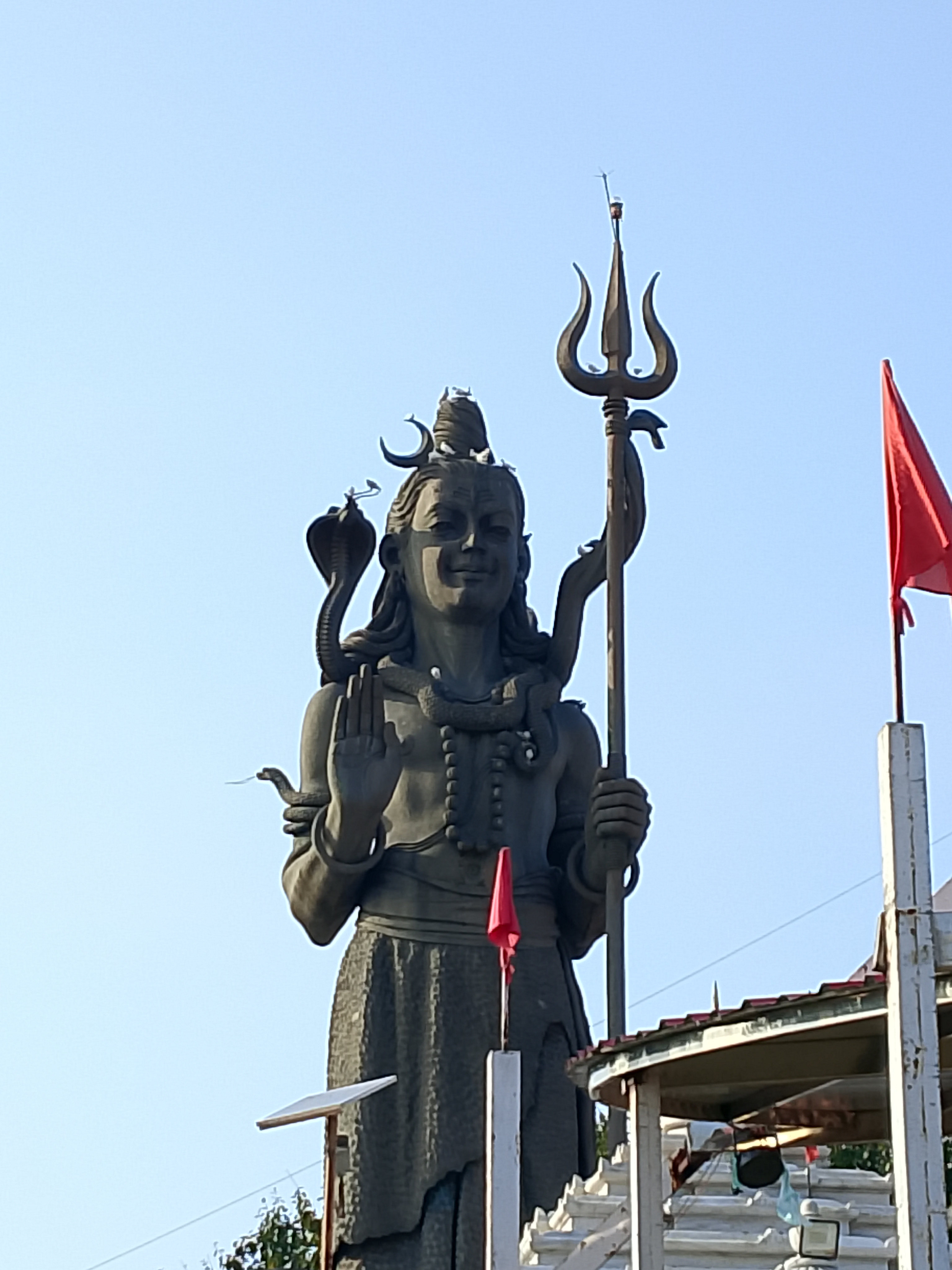
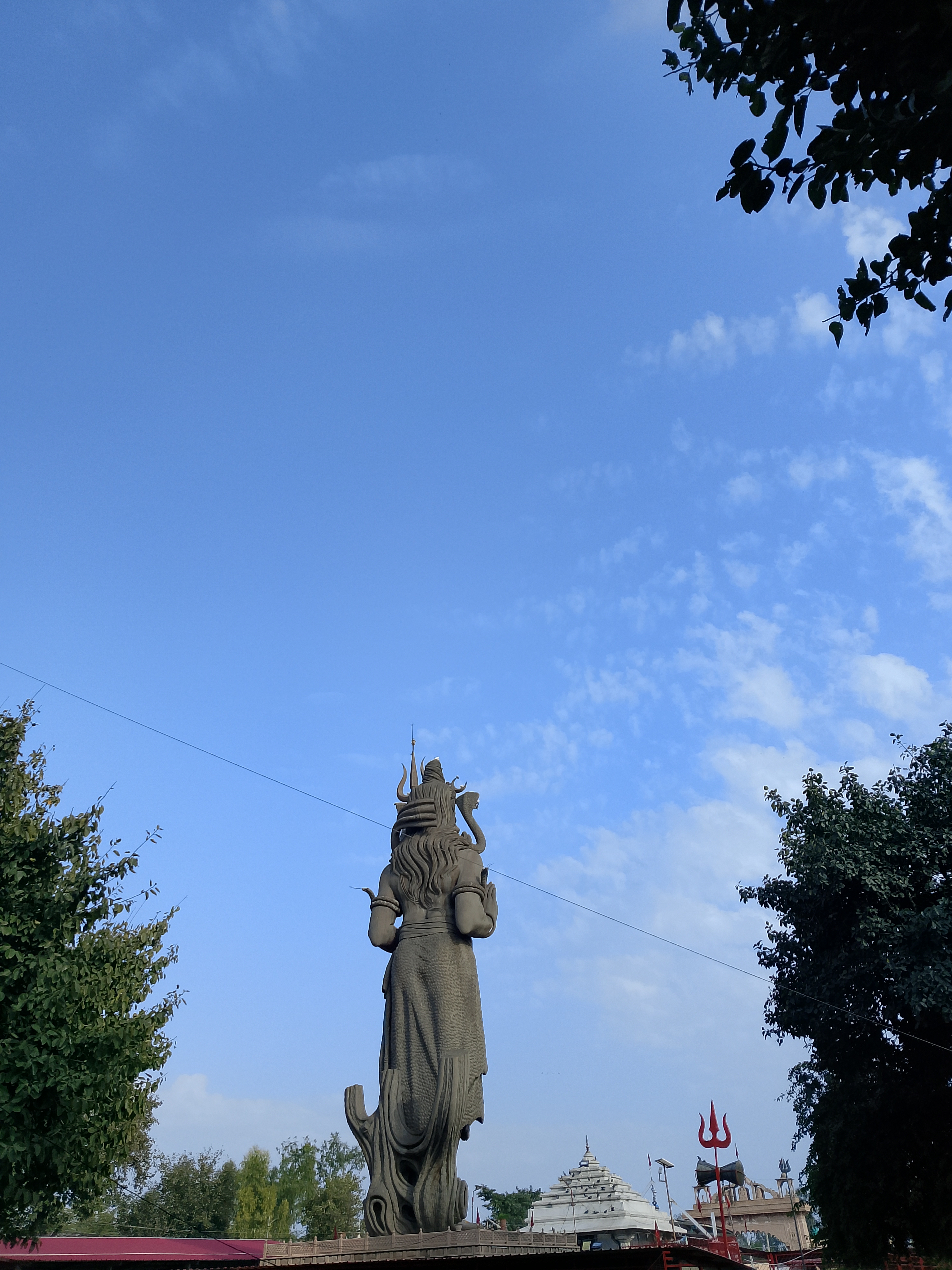
The temple complex showcases intricate stonework executed in red sandstone and marble. Its most prominent feature is a 108-foot statue of Lord Shiva positioned at the entrance, visible as a landmark from considerable distance. The grounds are maintained with care and include spaces for ritual practice, along with shops serving the needs of worshippers. A langar hall provides free communal meals to all visitors and pilgrims, embodying the Hindu temple principle of offering hospitality regardless of social status.
Daily Worship and Darshan
The temple operates on a seasonal schedule that shifts between winter and summer months. Morning darshan opens at 04:00 and closes at 11:45. Evening hours run from 14:30 to 20:30 in winter and 14:30 to 21:00 in summer. On Mondays, extended timings apply: 21:30 to 04:00 during winter and 04:00 to 23:45 during summer. Evening aartis—ritual offerings of light—are performed at 20:30 in winter and 21:00 in summer.
Daily rituals are conducted by the resident mahant, creating an atmosphere described as one of profound peace. Visitors planning early morning visits should prepare accordingly, as these hours offer quieter darshan. Those traveling from a distance should confirm the current seasonal schedule before arrival, as timings shift between seasons.
Major Festivals and Observances
The temple draws its largest gatherings during Maha Shivaratri, when a three-day fair brings pilgrims to the site. The month of Shravan also marks a period of heightened spiritual activity and pilgrimage. Both occasions attract devotees seeking to deepen their connection with Shiva and fulfill spiritual aspirations. The temple's role as a major pilgrimage center becomes particularly visible during these periods.
Practical Information for Visitors
Visitors should be aware of the temple's seasonal timing changes and plan accordingly. Early morning visits at 04:00 offer a quieter experience for those seeking solitude during darshan. The langar hall provides free meals, a facility available to all who visit. The temple complex includes ritual shops for purchasing offerings and necessities.
Standard etiquette for Hindu temples applies: remove footwear before entering the sanctum, maintain respectful behavior during rituals, and follow any guidance offered by temple staff. Modest dress is appropriate. Photography policies should be confirmed upon arrival.
Getting There
Nalas village is located approximately 7 kilometers northwest of Rajpura town in Patiala district, Punjab. The village lies along the Grand Trunk Road, making it accessible by road from Rajpura. Visitors traveling from a distance should arrange transport to Nalas village and confirm directions locally, as the temple serves a rural area. The nearest major city is Patiala, from which Rajpura can be reached by road.
How to reach
Temples near Shanaleshwara Swayambhu Temple
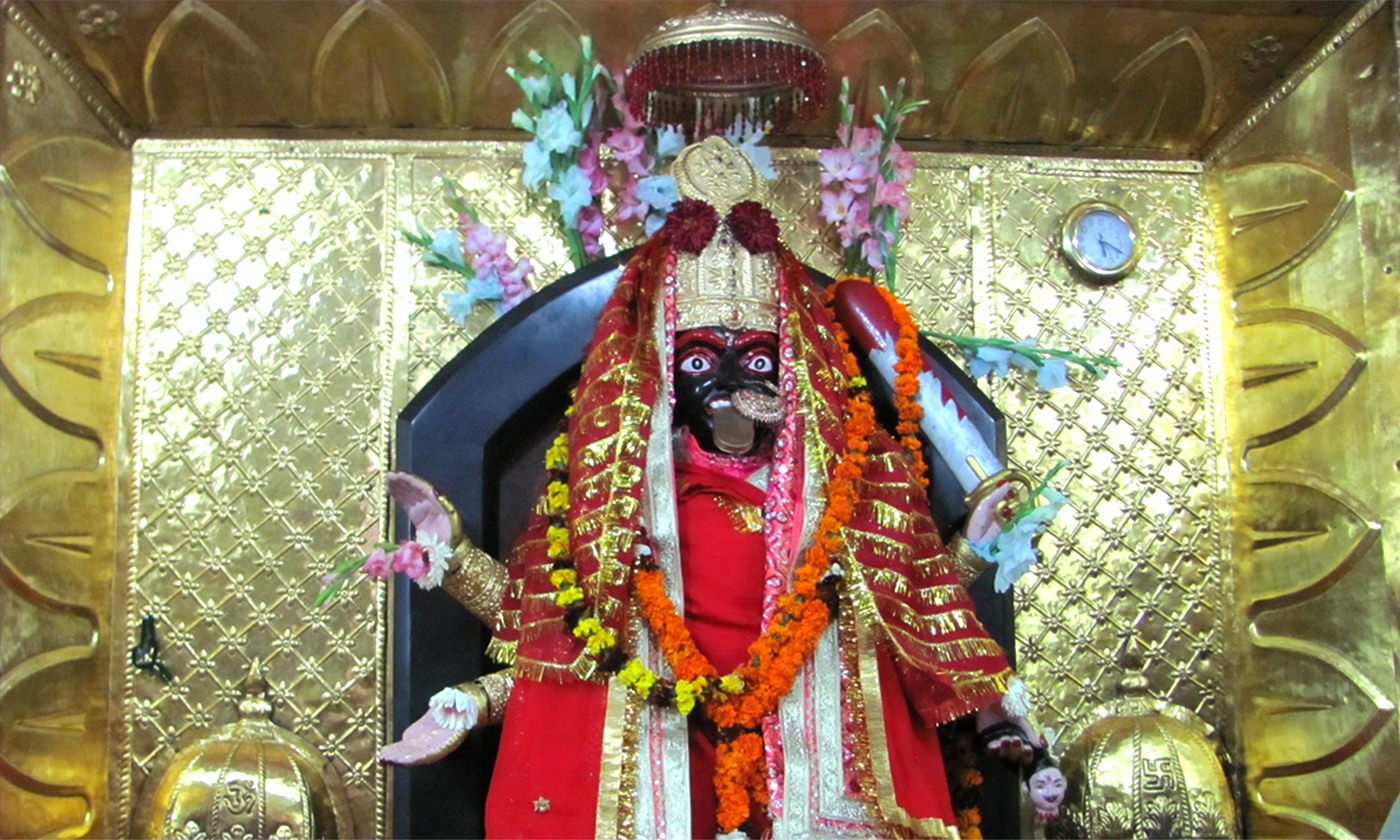
Shri Kali Devi Temple, Patiala
Shri Kali Devi Temple in Patiala is a grand royal shrine built in 1936 by Maharaja Bhupinder Singh, housing a six-foot black stone idol of Goddess Kali brought from Bengal and a…

Saketri Shiv Mandir
Saketri Shiv Mandir is a historic Hindu temple in Panchkula, Haryana, dedicated to Lord Shiva. According to local tradition, the Pandavas performed penance here during their exi…
Shri Mansa Mata Mandir Hasampur
Shri Mansa Mata Mandir in Hasampur, Sikar district, Rajasthan, is a prominent Shakti temple dedicated to Mansa Devi spread across 100 acres in the Hasampur Hills foothills. The…
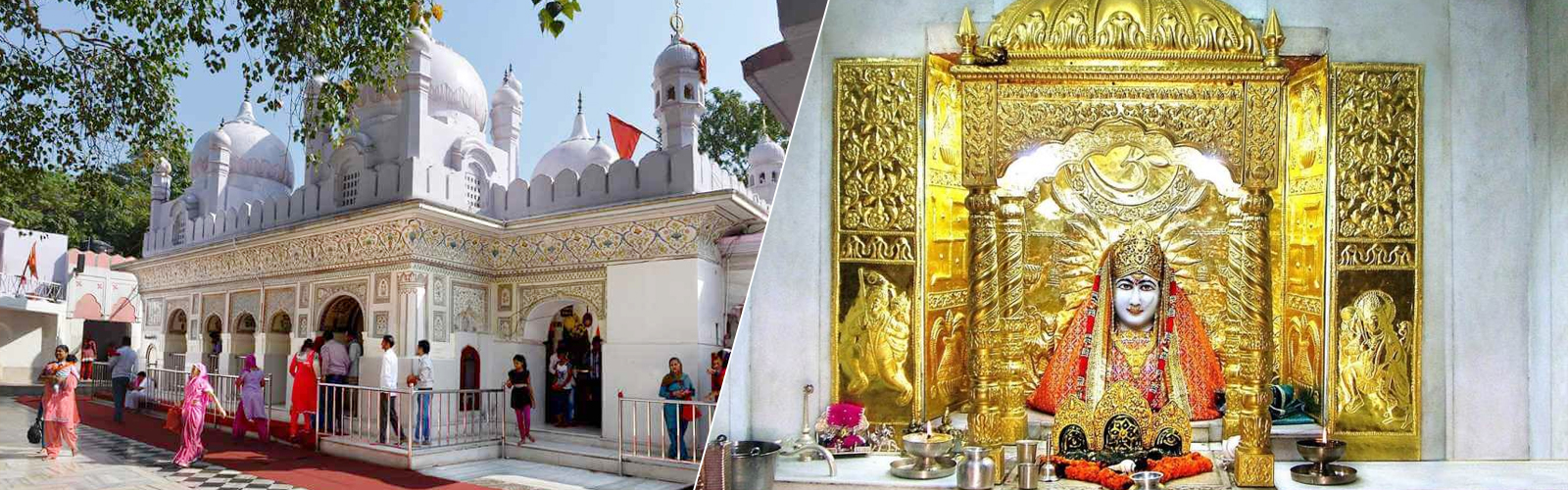
Mata Mansa Devi Mandir
Mata Mansa Devi Mandir is a Hindu temple dedicated to goddess Mansa Devi, a manifestation of Shakti, located in the Shivalik foothills of Haryana's Panchkula district.
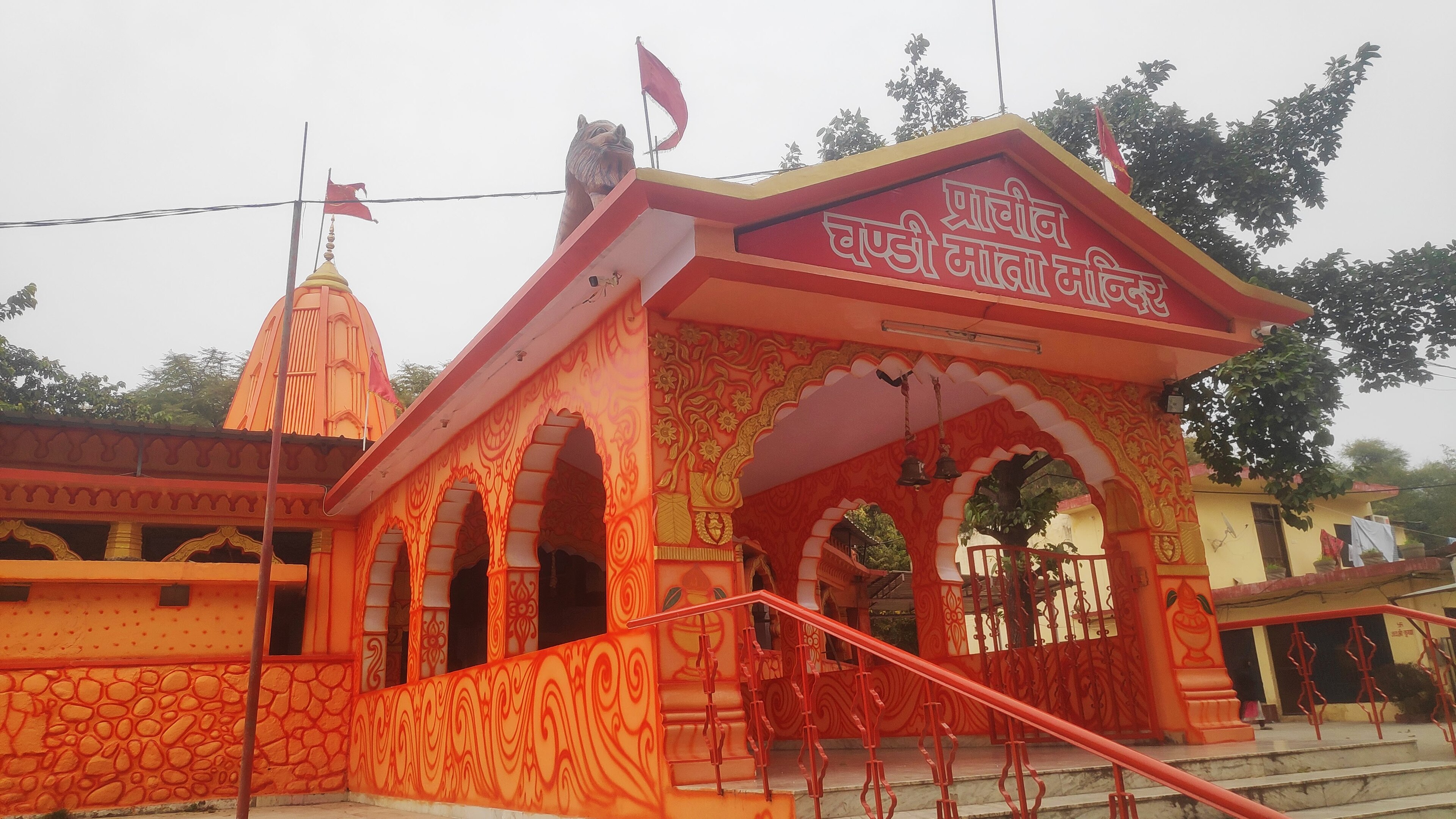
Chandi Mandir
Chandi Mandir is a Hindu temple dedicated to the goddess Chandi, located near Chandigarh in Panchkula, Haryana, approximately 15 km from the city that bears the temple's name.
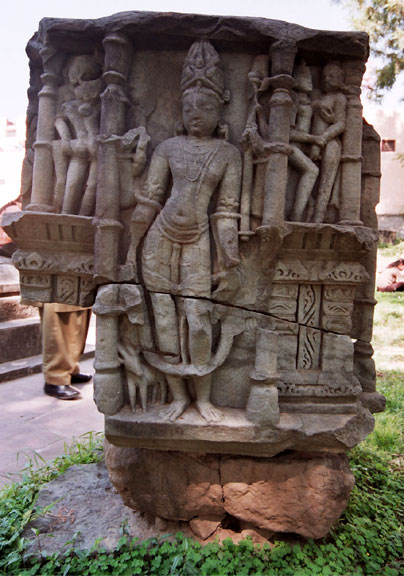
Bhima Devi Temple Site Museum
An 8th–11th century Gurjara-Pratihara temple complex in Pinjore, Haryana, dedicated to Goddess Bhima Devi and renowned for its erotic sculptures, now preserved as an open-air ar…