Kartikeya Temple, Pehowa
About Kartikeya Temple, Pehowa
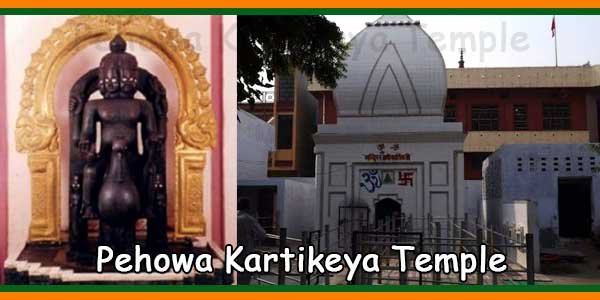
The temple's roots reach back to Mahabharata times, grounding it in the sacred history of the Kurukshetra region itself. According to temple tradition, after the great war, Krishna instructed Yudhishthira to light eternal lamps here in remembrance of fallen warriors. These lamps are believed by devotees to burn even today, carrying forward the temple's role as a place of remembrance and spiritual significance. This connection to the Mahabharata places Pehowa within the broader pilgrimage landscape of Kurukshetra, where multiple sacred sites commemorate events from Hindu epic tradition.
The temple functions as a major tirtha (pilgrimage site) within the Saraswati pilgrimage region and the 48-Kos Kurukshetra circuit—a traditional pilgrimage route encompassing sacred sites across the district. For those undertaking these larger pilgrimage journeys, Pehowa serves as an important waypoint, its antiquity and Mahabharata associations drawing pilgrims seeking connection to both the deity and the region's spiritual heritage.
Daily Worship and Visitor Experience
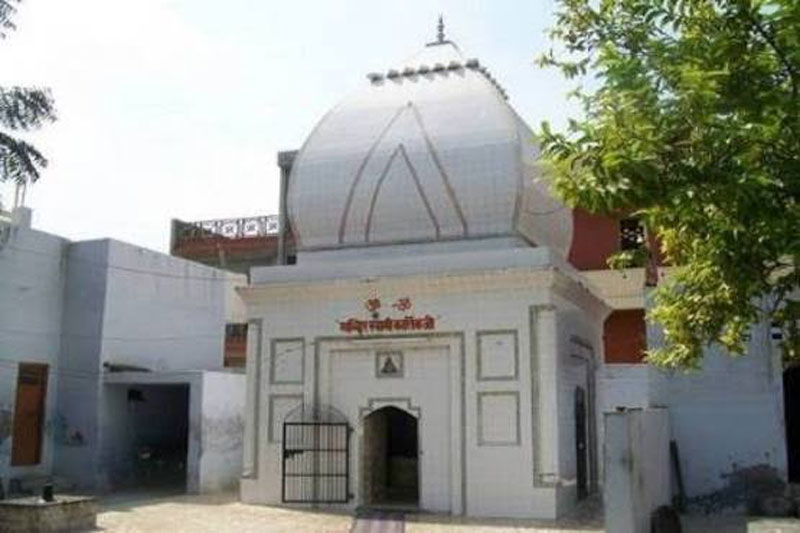
The temple operates daily from 5:00 AM to 9:00 PM, accommodating both early morning and evening visits. The shrine features open courtyards, making it generally accessible to families and pilgrims. Visitors should observe standard temple etiquette: dress modestly and remove footwear before entering. One important restriction specific to this shrine: women are not permitted to enter the inner sanctum, a practice that reflects particular traditions within this temple's worship.
The oil anointing ritual remains the primary form of worship and offering throughout the day. Devotees seeking blessings of victory, courage, and protection participate in this practice, which typically occupies about twenty minutes of time. The accessibility of this ritual—open to visitors without fixed fees—makes it possible for pilgrims of varying means to engage directly with the deity's worship.
Festivals and Seasons
The temple observes several significant festivals throughout the year. Skanda Panchami and Skanda Shashthi, festivals dedicated specifically to Kartikeya, draw substantial numbers of devotees and mark ideal times for visitors seeking immersive festival experiences. Mahashivratri, celebrated in March, brings special pujas and intensified oil anointing rituals. The Saraswati Mahotsav, held in February, represents a major festival within the Saraswati pilgrimage region to which Pehowa belongs.
Festival periods transform the temple into a center of active worship and community gathering, though visitors should anticipate crowded conditions during these times. For those preferring a quieter visit while still experiencing the temple's spiritual atmosphere, the cooler months from September through February offer more comfortable weather and less congested darshan.
Reaching Pehowa
The temple is located at Shiva Market, Nand Colony, Pehowa, in Haryana's Kurukshetra district. The nearest major railway station is Kurukshetra Junction, approximately 26–27 kilometers away. From Delhi, the temple lies roughly 184 kilometers distant; from Ambala, about 55 kilometers; and from Karnal, approximately 65 kilometers. Visitors arriving by train should arrange local transport from Kurukshetra Junction to reach the shrine. Those traveling by road will find Pehowa accessible via the district's road network connecting to these major towns.
How to reach
Temples near Kartikeya Temple, Pehowa
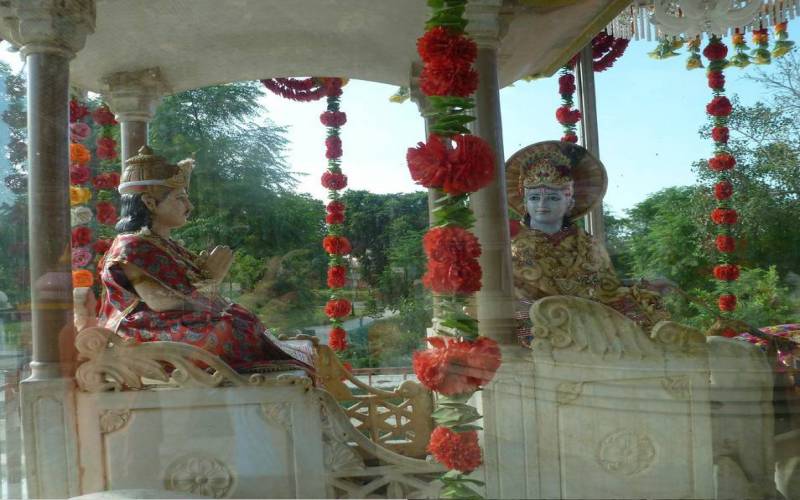
Jyotisar
Jyotisar, also known as Gita Updesh Sthal, is the sacred site in Kurukshetra where Lord Krishna is believed to have delivered the Bhagavad Gita to Arjuna on the battlefield.
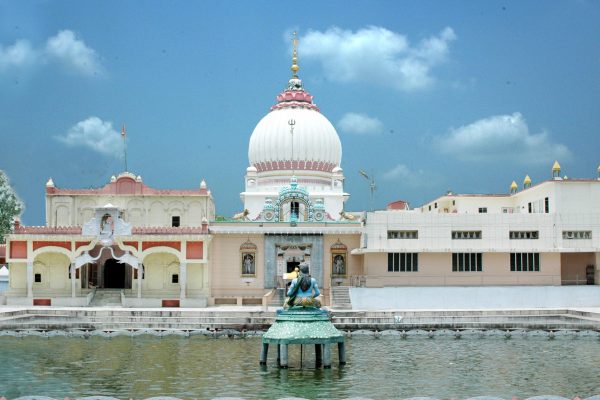
Sthaneshwar Mahadev Temple
An ancient Shiva temple in Kurukshetra where the Pandavas and Krishna are said to have prayed for victory in the Mahabharata war. Located beside the sacred Sthaneshwar tank, it…
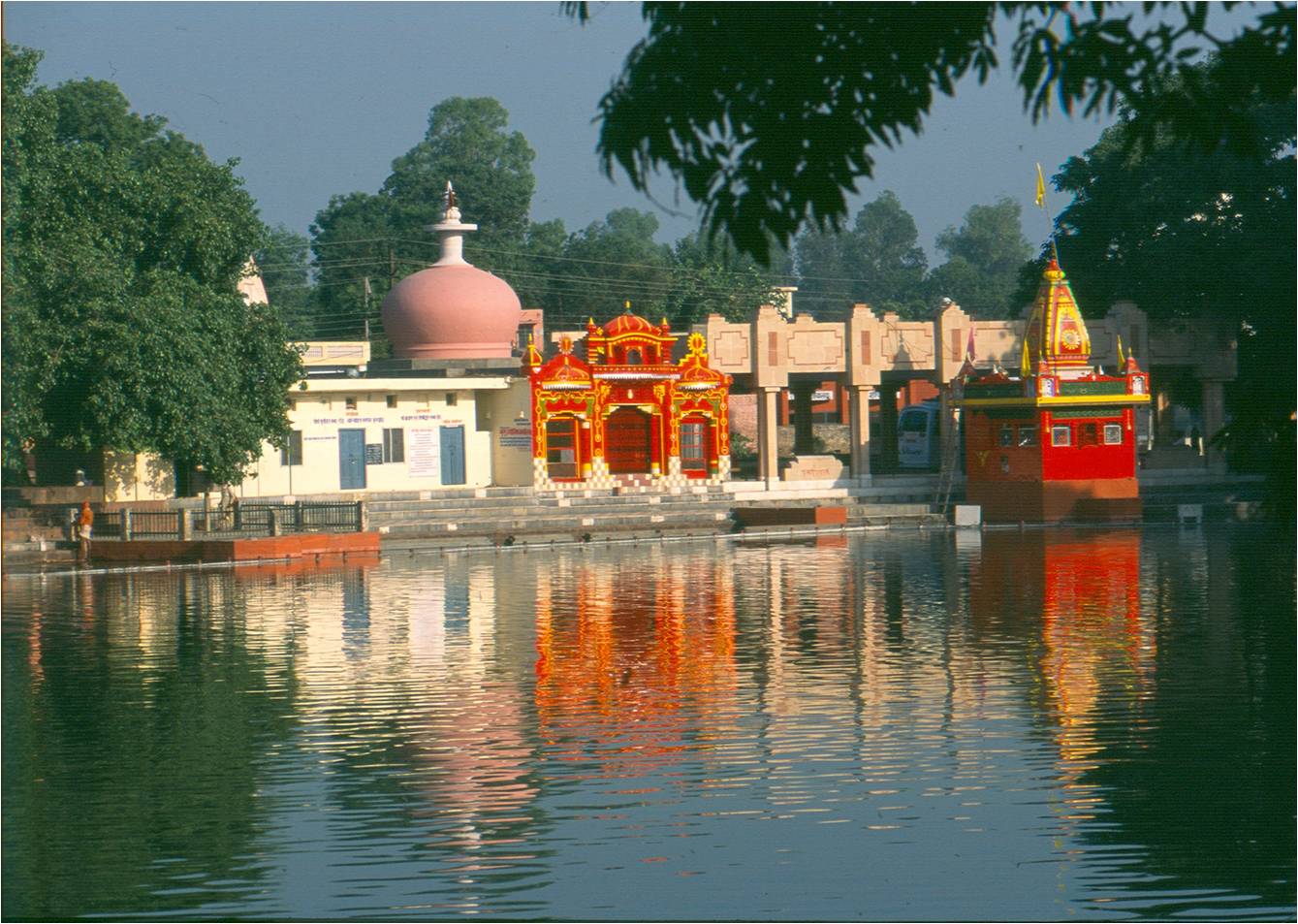
Sannihit Sarovar
Sannihit Sarovar is a sacred pilgrimage tank in Kurukshetra believed to be the meeting point of seven holy rivers, drawing devotees year-round for rituals and spiritual blessings.

Markandeshwar
Markandeshwar Temple in Puri is a 12th-century Shiva shrine believed to mark where Sage Markandeya meditated after Lord Shiva saved him from danger. One of fifty-two major Shiva…
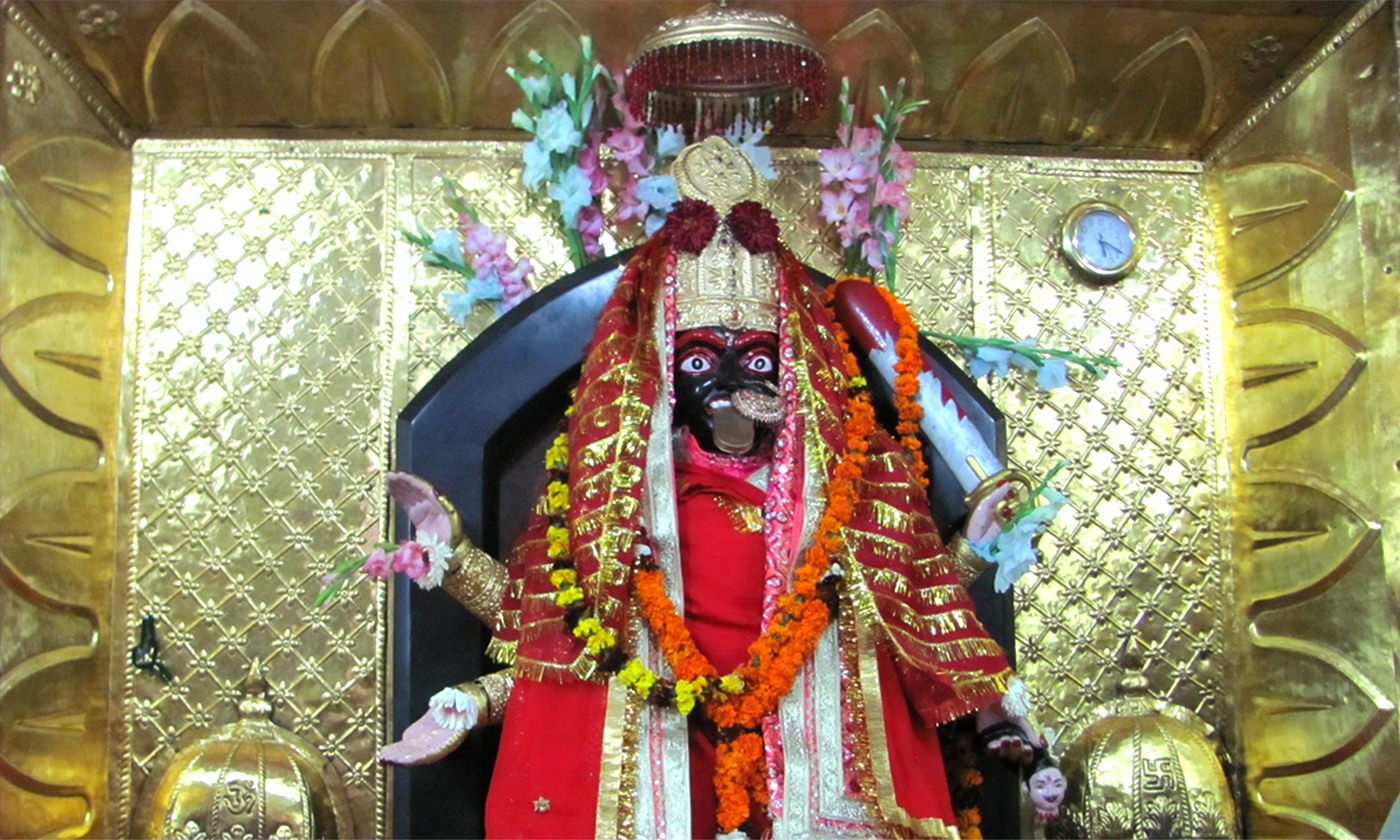
Shri Kali Devi Temple, Patiala
Shri Kali Devi Temple in Patiala is a grand royal shrine built in 1936 by Maharaja Bhupinder Singh, housing a six-foot black stone idol of Goddess Kali brought from Bengal and a…
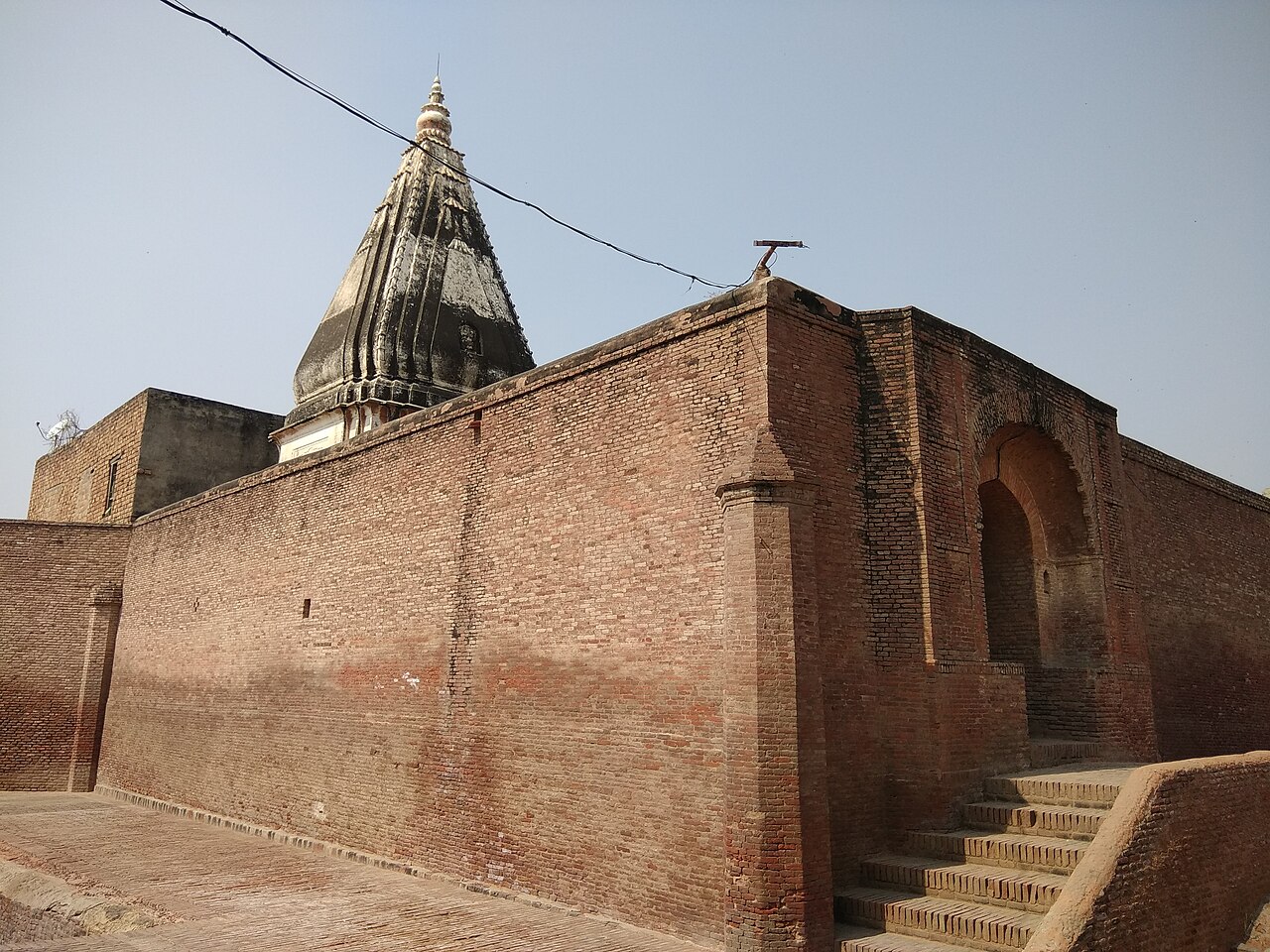
Kalayat Ancient Bricks Temple Complex
The Kalayat Ancient Bricks Temple Complex is a ruined brick temple sanctuary in Haryana dedicated to Lord Shiva, comprising multiple Hindu temples with two surviving structures…