
Sannihit Sarovar
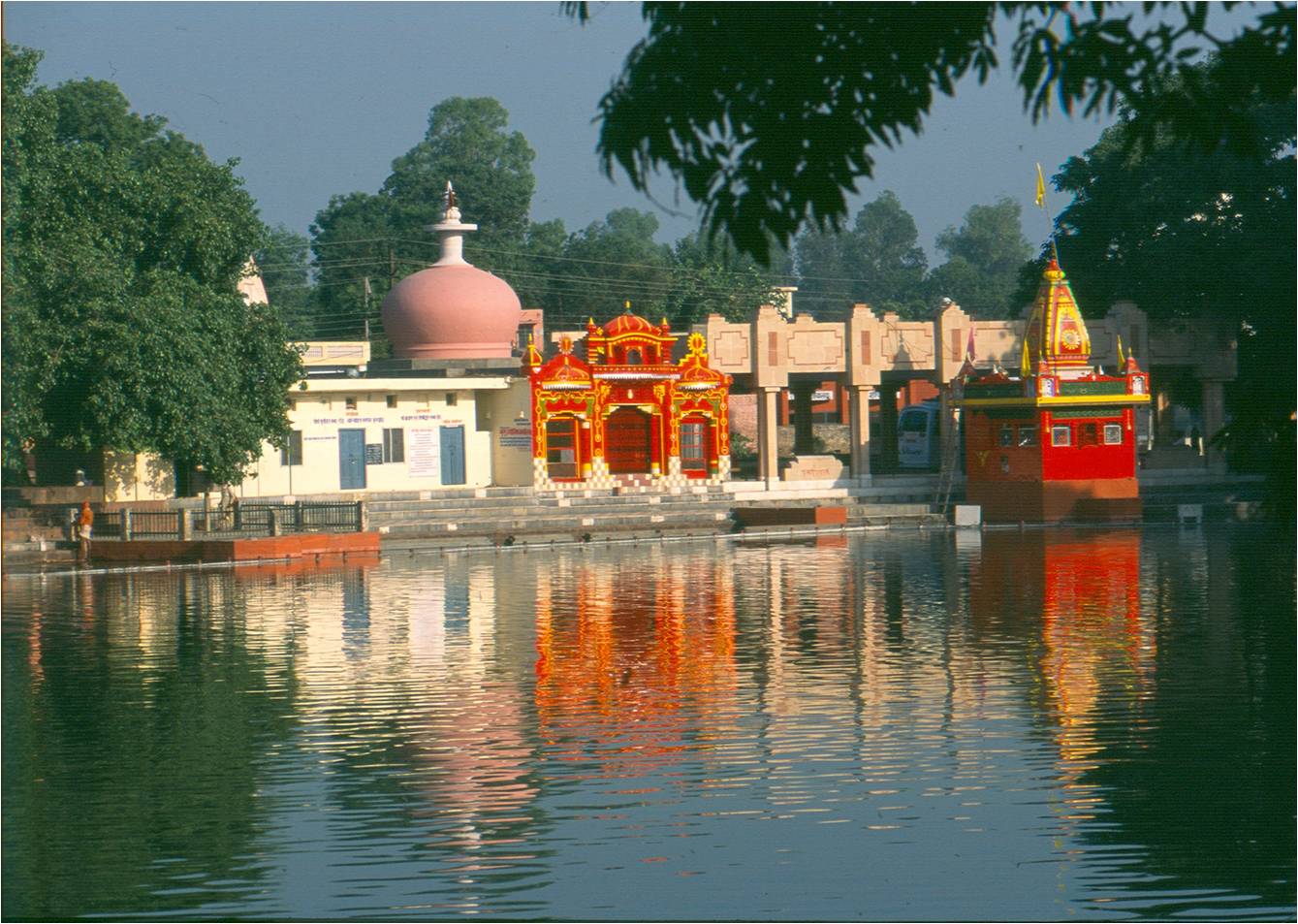
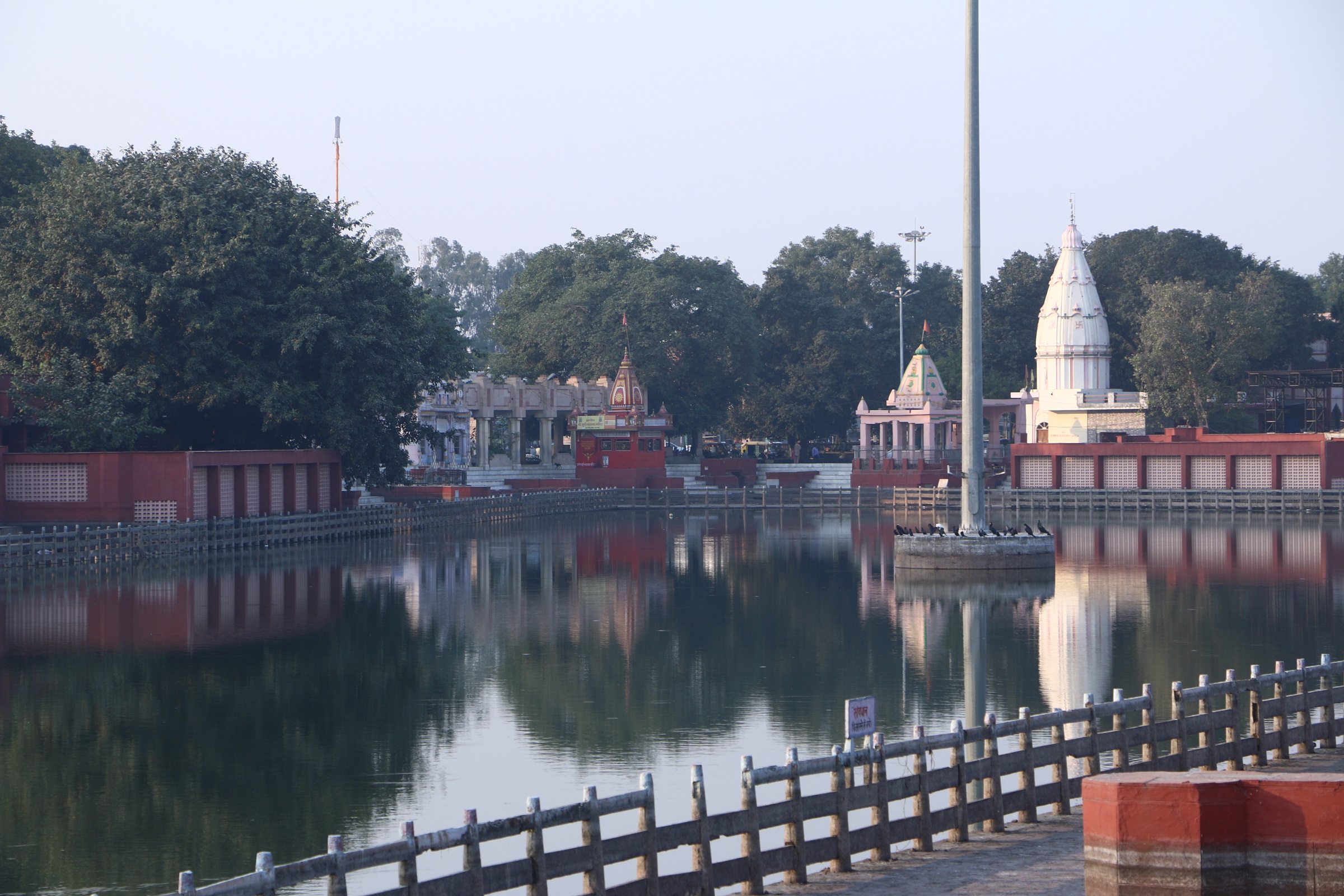
About Sannihit Sarovar
Daily live aartis are performed at the tank, forming the regular rhythm of worship at the site. These ceremonies, conducted each day, invite devotees to participate in formal acts of devotion. The specific timings and details of these aartis are best confirmed locally upon arrival, as such schedules may vary seasonally.
Visitors typically engage in ritual bathing and offerings at sacred tanks of this nature, though the sources do not detail specific practices unique to Sannihit Sarovar. Those planning to participate in rituals should dress modestly and be prepared for water-based activities.
Auspicious Times for Pilgrimage
The sources identify Amavasya (new moon) and solar eclipse periods as particularly significant times for visiting. During these occasions, the site draws increased numbers of pilgrims performing pindadaan (ritual offerings for ancestors) and other observances. The spiritual significance attributed to these astronomical events makes them preferred times for many devotees, though the tank welcomes visitors throughout the year.
Vaman Dwadashi and Kartik Purnima are also noted as occasions when fairs and gatherings occur at the site, suggesting these lunar dates hold particular importance in the local religious calendar.
Nearby Temples and Attractions
The immediate vicinity offers several other places of worship and cultural interest. Within walking distance or short travel are Shri Dukh Bhanjan Mandir, Shri Tirupati Balaji Mandir, and Gita Dham. The Sri Krishna Museum and Panorama Science Museum provide additional context for understanding the region's religious and cultural heritage. A Gurudwara Sahib also serves the area, reflecting the multi-faith character of Kurukshetra's pilgrimage landscape.
Practical Information for Visitors
Sannihit Sarovar is located approximately 1.9 kilometres from Kurukshetra Junction railway station and 3.5 kilometres from the New Bus Stand, making it accessible by public transport. The site lies about 7 kilometres from Pipli. Facilities in the area include dharamshalas (pilgrim rest houses) for overnight accommodation.
Visitors should dress conservatively, particularly when approaching the water for ritual purposes. Modest clothing is customary at pilgrimage sites. The tank's status as a sacred space means respectful behaviour is expected throughout the visit. Photography may be permitted, though it is wise to observe local customs and seek permission before photographing rituals or other devotees.
Planning Your Visit
The site can be visited as part of a day trip from Kurukshetra town or incorporated into a longer pilgrimage circuit of the region's 48 kos (sacred circuit). The best time to visit depends on your purpose: those seeking a quieter experience may prefer regular weekdays outside eclipse periods, while those wishing to participate in larger gatherings should plan around Amavasya dates or announced eclipse events.
Bring water and sun protection, as the tank offers limited shade. Confirm current aarti timings with local sources before arrival, as these may change seasonally. The site's accessibility is rated as good, though visitors with mobility concerns should verify current conditions locally.
How to reach
Temples near Sannihit Sarovar
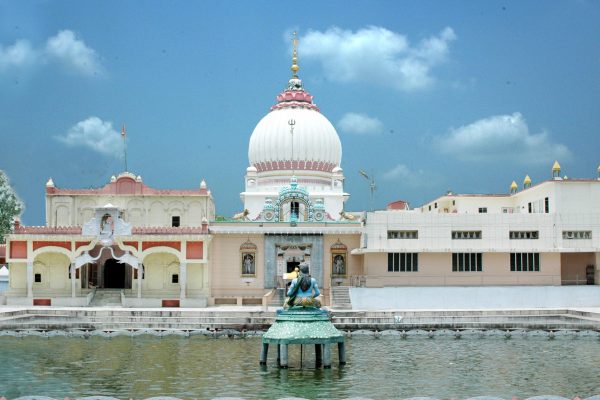
Sthaneshwar Mahadev Temple
An ancient Shiva temple in Kurukshetra where the Pandavas and Krishna are said to have prayed for victory in the Mahabharata war. Located beside the sacred Sthaneshwar tank, it…
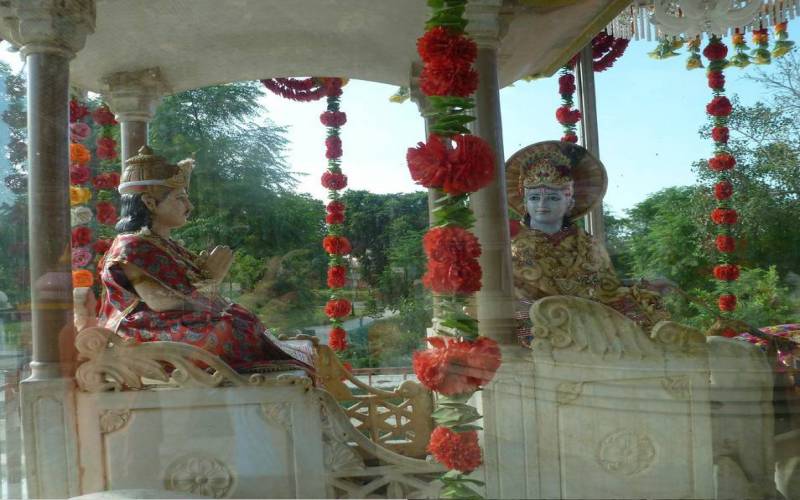
Jyotisar
Jyotisar, also known as Gita Updesh Sthal, is the sacred site in Kurukshetra where Lord Krishna is believed to have delivered the Bhagavad Gita to Arjuna on the battlefield.

Markandeshwar
Markandeshwar Temple in Puri is a 12th-century Shiva shrine believed to mark where Sage Markandeya meditated after Lord Shiva saved him from danger. One of fifty-two major Shiva…

Kartikeya Temple, Pehowa
Kartikeya Temple in Pehowa, Haryana is one of North India's oldest shrines dedicated to Lord Kartikeya, distinguished by its unique oil anointing ritual of the sacred Kartikeya…
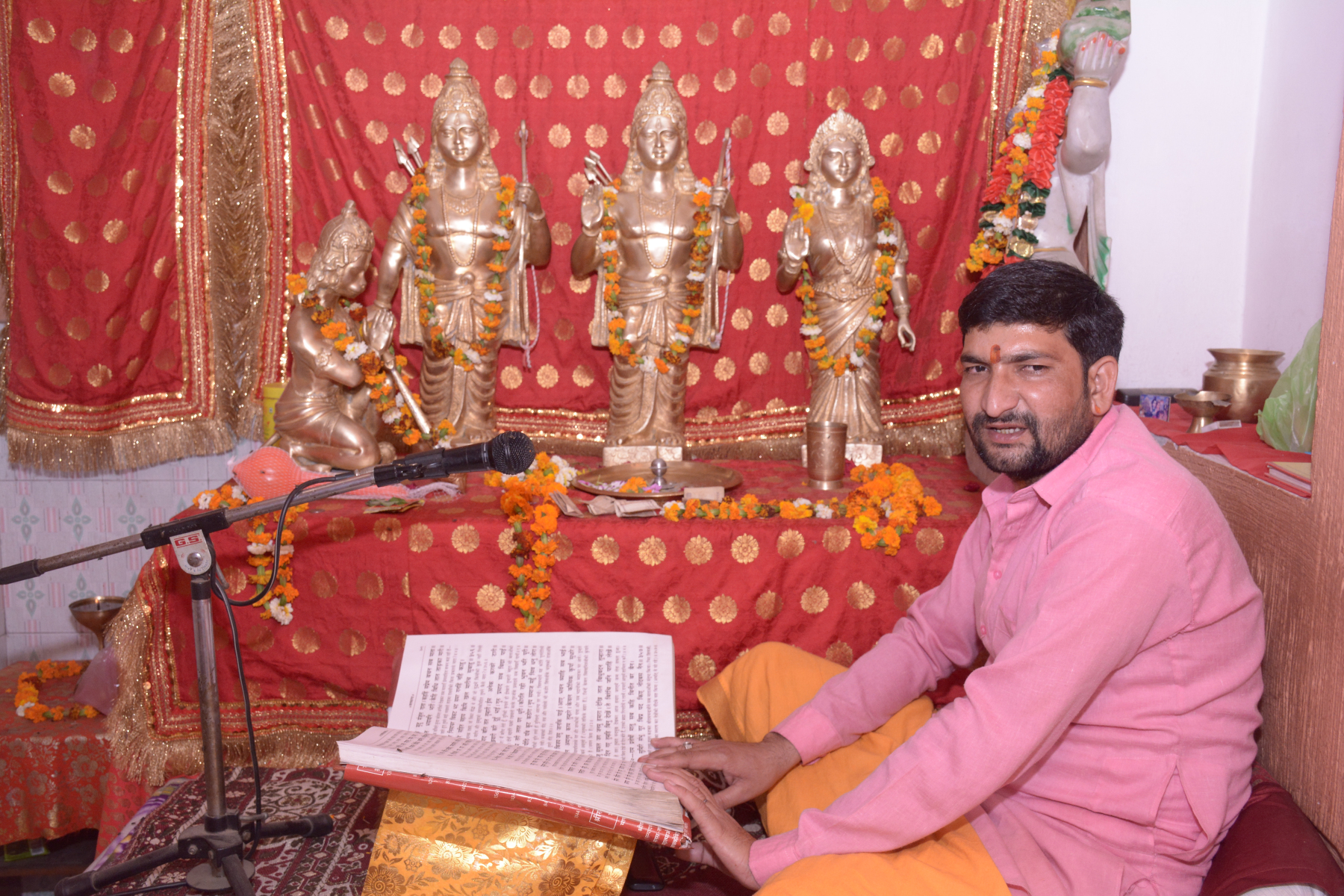
Bilaspur, Haryana
Shree Panchmukhi Hanuman Mandir in Bilaspur, Haryana, is a spiritual sanctuary established in 1978 dedicated to the five-faced manifestation of Lord Hanuman, drawing thousands o…
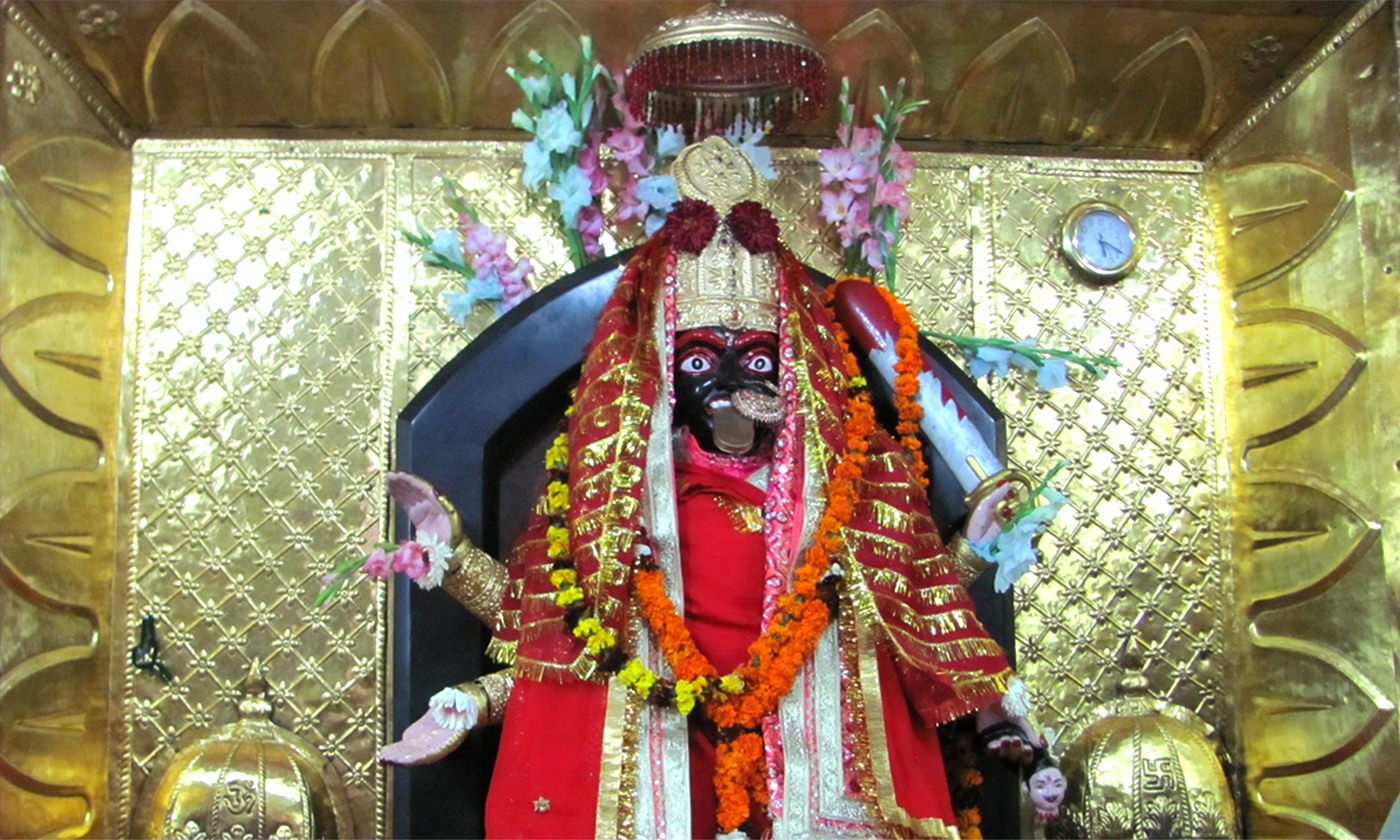
Shri Kali Devi Temple, Patiala
Shri Kali Devi Temple in Patiala is a grand royal shrine built in 1936 by Maharaja Bhupinder Singh, housing a six-foot black stone idol of Goddess Kali brought from Bengal and a…