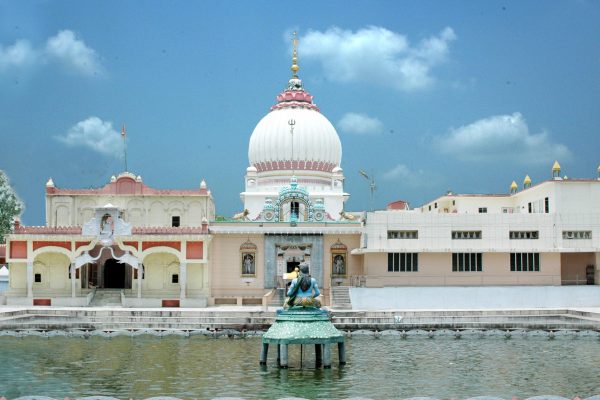
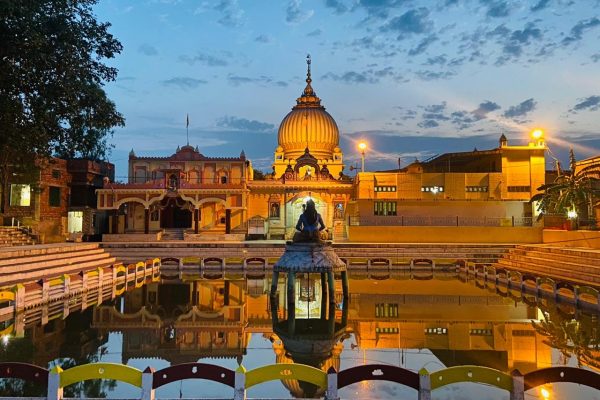
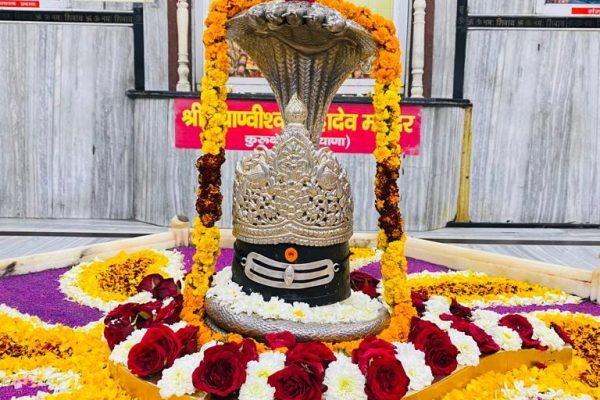
Sthaneshwar Mahadev Temple
About Sthaneshwar Mahadev Temple
The temple sits within the old city boundaries of Kurukshetra, in Haryana's Kurukshetra district. A gurdwara stands adjacent to the temple, marking a spot associated with the ninth Sikh Guru, Tegh Bahadur, who stayed near the Sthaneshwar Tirtha (sacred water site). This proximity reflects the layered religious history of the region, where Hindu and Sikh traditions have coexisted and left their marks on the landscape. Visitors approaching the temple will find themselves in an area that has long drawn pilgrims seeking connection to multiple faith traditions.
Worship and Ritual Practices
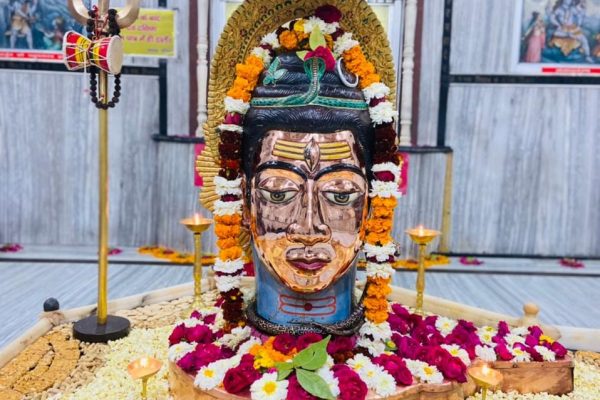
As a Shiva temple, Sthaneshwar Mahadev follows the ritual patterns typical of such shrines. Temples dedicated to Shiva commonly offer abhishek (ritual bathing of the deity), puja (worship ceremonies), and darshan (viewing of the deity). The temple's puja services include offerings suited to different devotional needs and occasions—from daily worship to specific ceremonies for auspicious events and spiritual purposes. Visitors seeking to participate in worship should inquire locally about current timings and the availability of particular rituals, as these may vary seasonally or according to the temple's schedule.
Visiting the Temple
The temple is located at coordinates 29.981, 76.828 in old Kurukshetra city. For those arriving by rail, Kurukshetra Junction lies approximately 4.3 kilometres away; the town of Pipli is about 8.4 kilometres distant. Local transport from these points can bring visitors to the temple. As with most Hindu temples, visitors should dress modestly and remove footwear before entering the inner sanctum. The temple welcomes pilgrims throughout the year, though specific timings for darshan and puja should be confirmed locally, as these may change with seasons or special observances. Photography policies vary by temple; it is respectful to ask permission before photographing the deity or inner shrine.
Kurukshetra's Pilgrimage Significance
Sthaneshwar Mahadev does not stand in isolation but forms part of Kurukshetra's larger sacred landscape. The region is known for its tirthas (sacred water sites) and temples connected to Mahabharata narratives and Shiva worship. Pilgrims often visit multiple sites within the 48 kos (roughly 96 kilometres) circuit of Kurukshetra, of which this temple is one significant stop. The convergence of Mahabharata legend, Shiva devotion, and Sikh history at this location makes it a point of interest for those exploring the religious heritage of the region.
Practical Considerations
Kurukshetra is well-connected by road and rail to major cities in northern India. The town has basic facilities for pilgrims, though visitors should plan ahead for accommodation and meals. The temple itself is situated in the old city, which retains a traditional character. Visitors are advised to check local conditions and temple schedules before travelling, particularly if planning to participate in specific rituals or ceremonies. The adjacent gurdwara may also be of interest to those wishing to understand the broader religious landscape of the area.
How to reach
You may also visit
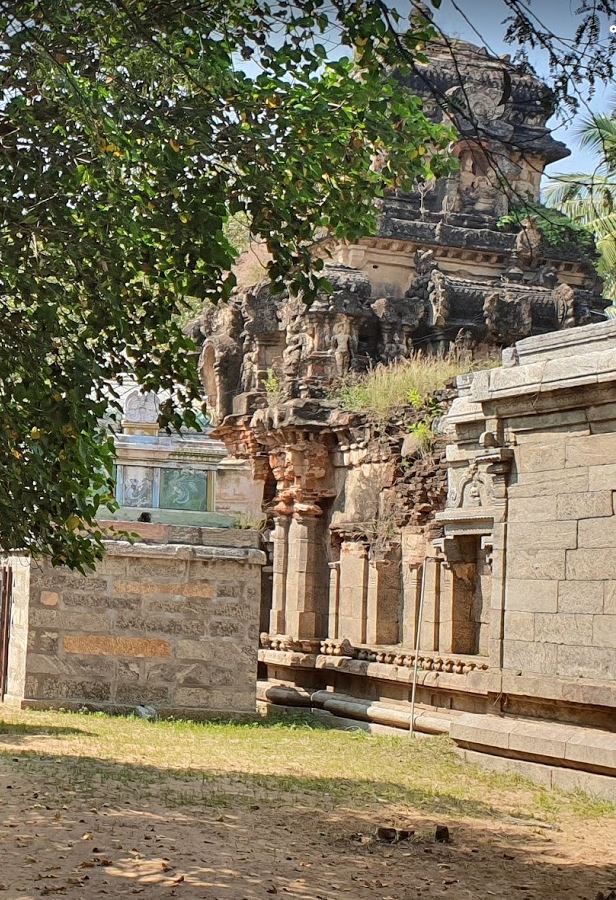
Agatheeswarar Temple, Karur
Agatheeswarar Temple in Thirumukkudalur, Karur district, is an ancient Hindu shrine dedicated to Shiva, situated at the sacred confluence of three rivers and believed to be over 1000 years old.
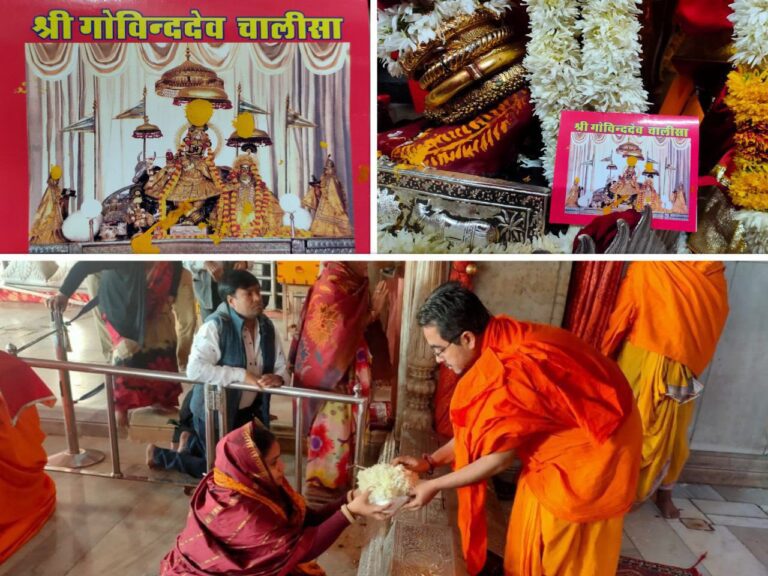
Kalyanji Temple
Kalyanji Temple in Jaipur's Chandpol Bazaar is an ancient Krishna shrine established in the 1820s, renowned for its seven daily aartis and special avatar darshan ceremonies during Akha Teej and Patottsav festivals.
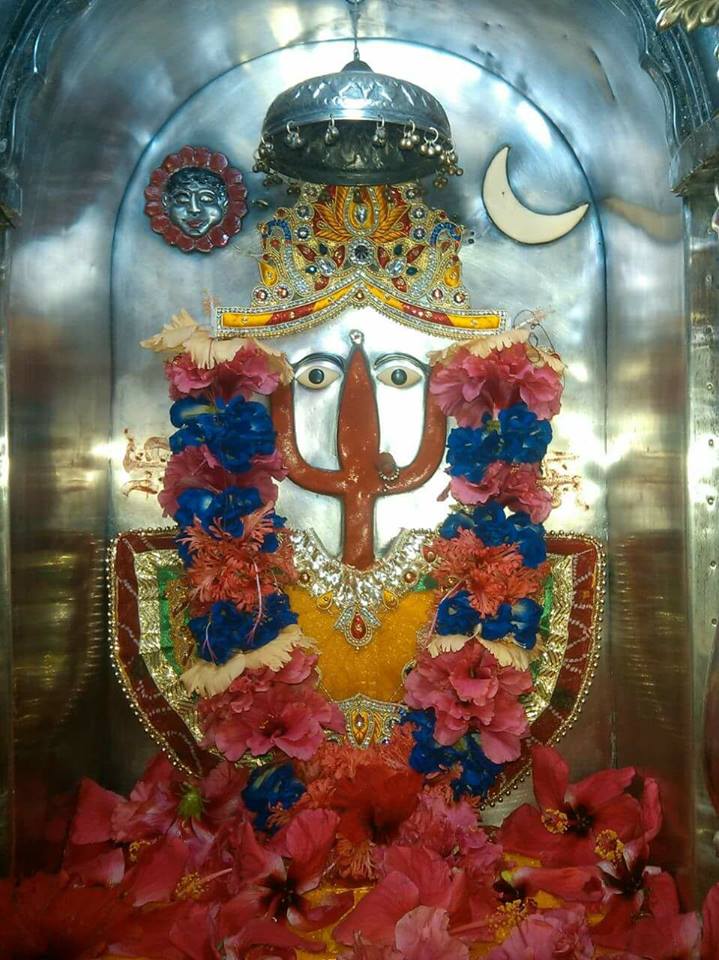
Rani Sati Mandir Mahuda
Rani Sati Mandir in Mahuda, Dhanbad District, is a Hindu temple established in 1992 that serves as a spiritual center for the local community and attracts devotees seeking blessings.