Jyotisar
About Jyotisar
The temple maintains regular darshan hours from 6:00 AM to 12:00 PM in the morning and 4:00 PM to 9:00 PM in the evening, allowing devotees multiple opportunities to visit throughout the day. Morning and evening aartis are performed as part of the daily ritual cycle, with the morning aarti beginning the day's worship and the evening aarti marking the transition to night.
Beyond formal darshan, the temple incorporates additional spiritual practices into its daily rhythm. A japa session at 5:30 AM provides a meditative space for chanting, while kirtan and classes at 7:00 AM offer opportunities for devotional singing and scriptural study. The midday Raj Bhoga Aarti at 12:00 PM marks the offering of the day's meal to the deity. These layered practices reflect the temple's emphasis on multiple pathways for spiritual engagement—whether through direct worship, meditation, study, or communal devotion.
Visiting Practicalities
The optimal season to visit Jyotisar extends from October through March, when the climate in Haryana is cooler and more conducive to extended time outdoors. The temple is located in Kurukshetra, Haryana, and can be reached via the coordinates 29.96138889, 76.77111111 for navigation purposes.
Visitors should plan their visit around the darshan timings, noting that schedules may vary with festivals and seasonal changes. It is advisable to confirm exact aarti times before arrival, as temple schedules can shift. Those seeking assistance with VIP darshan slots, seva participation, or transport arrangements can contact the temple coordinators through official channels to ensure smooth coordination of their visit.
Seva and Community Service
The temple emphasizes selfless service as an integral part of spiritual practice. Through its various initiatives, the community has distributed over one million meals, supported hundreds of children, and shared thousands of copies of the Bhagavad Gita. Cow care (gau seva) is maintained as a devotional practice, reflecting traditional Hindu reverence for cattle.
Visitors have the opportunity to participate in these service activities, whether through supporting meal distribution (annadaan), engaging with youth programs that connect Gita teachings to contemporary life, or contributing to other seva initiatives. This emphasis on service reflects the temple's interpretation of Krishna's teachings on action and duty as expressed in the Gita itself.
The Broader Kurukshetra Context
Jyotisar exists within Kurukshetra, a region recognized across Hindu tradition as one of India's holiest places. The significance of Kurukshetra extends beyond this single temple, as the entire area is associated with the events and teachings central to the Mahabharata and the Bhagavad Gita. Visiting Jyotisar offers an opportunity to connect with this larger sacred geography and the historical and spiritual narratives woven through the region.
The temple community has been active in this location for over a decade, building a foundation of devotional practice and service that continues to develop. This relatively recent establishment means the temple combines traditional worship practices with contemporary approaches to spiritual community and outreach.
Preparation for Your Visit
Visitors should dress modestly, as is customary at Hindu temples. Footwear is typically removed before entering the inner sanctum. Those unfamiliar with temple protocols may observe how other devotees conduct themselves and follow their example. The temple welcomes both experienced devotees and those new to Krishna worship, with classes and kirtan sessions providing accessible entry points for learning.
For those interested in deeper engagement, the temple offers opportunities to learn about the Bhagavad Gita's teachings and to participate in the daily spiritual practices that structure temple life. Whether your visit is brief or extended, the temple's emphasis on welcoming community means you can engage at whatever depth feels appropriate to your own spiritual interests and capacity.
How to reach
Temples near Jyotisar
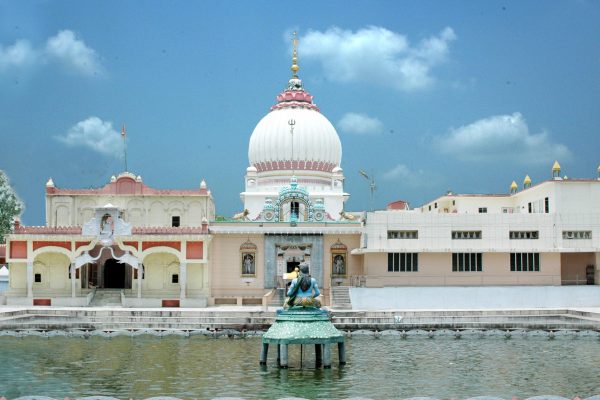
Sthaneshwar Mahadev Temple
An ancient Shiva temple in Kurukshetra where the Pandavas and Krishna are said to have prayed for victory in the Mahabharata war. Located beside the sacred Sthaneshwar tank, it…
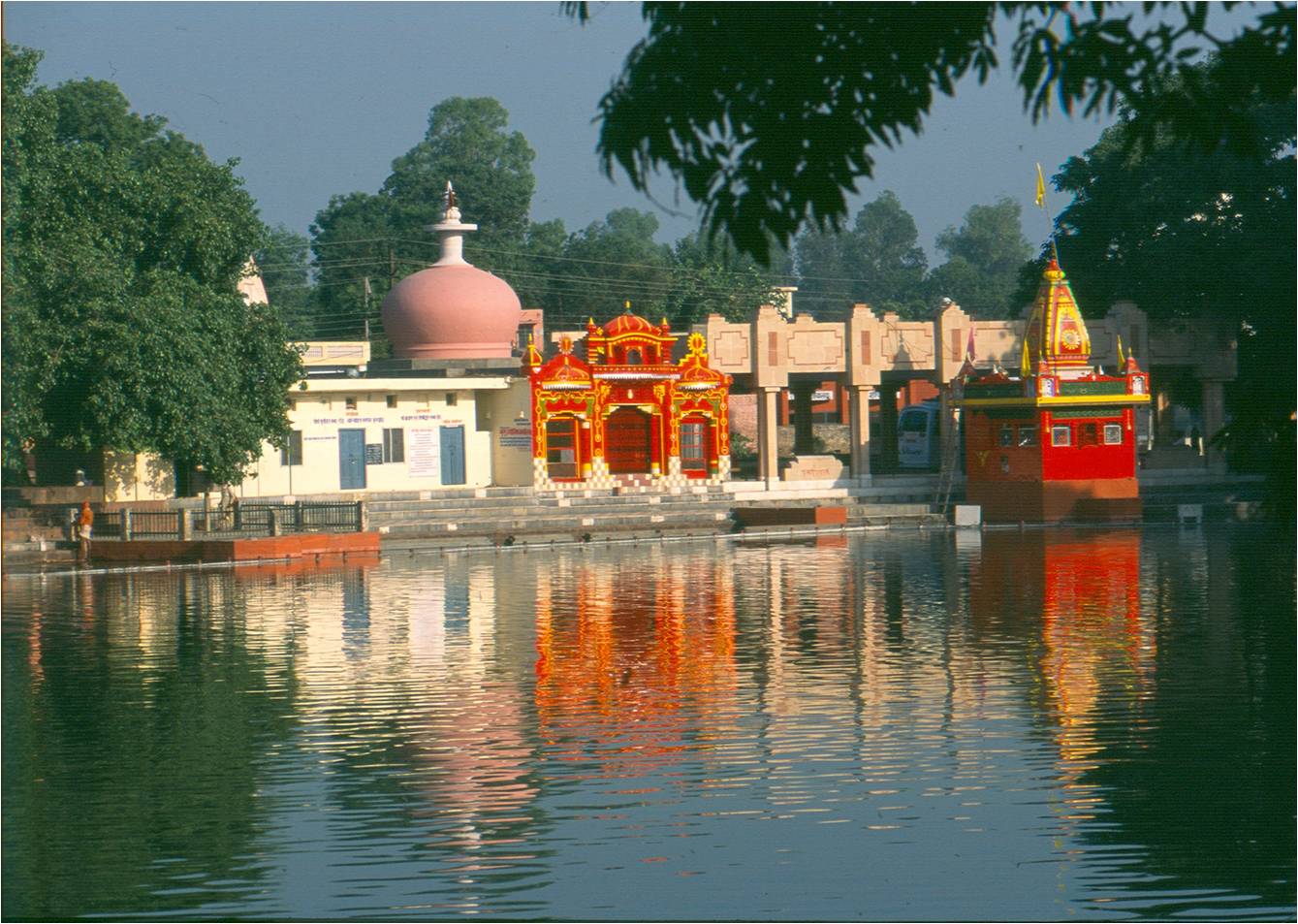
Sannihit Sarovar
Sannihit Sarovar is a sacred pilgrimage tank in Kurukshetra believed to be the meeting point of seven holy rivers, drawing devotees year-round for rituals and spiritual blessings.

Kartikeya Temple, Pehowa
Kartikeya Temple in Pehowa, Haryana is one of North India's oldest shrines dedicated to Lord Kartikeya, distinguished by its unique oil anointing ritual of the sacred Kartikeya…

Markandeshwar
Markandeshwar Temple in Puri is a 12th-century Shiva shrine believed to mark where Sage Markandeya meditated after Lord Shiva saved him from danger. One of fifty-two major Shiva…
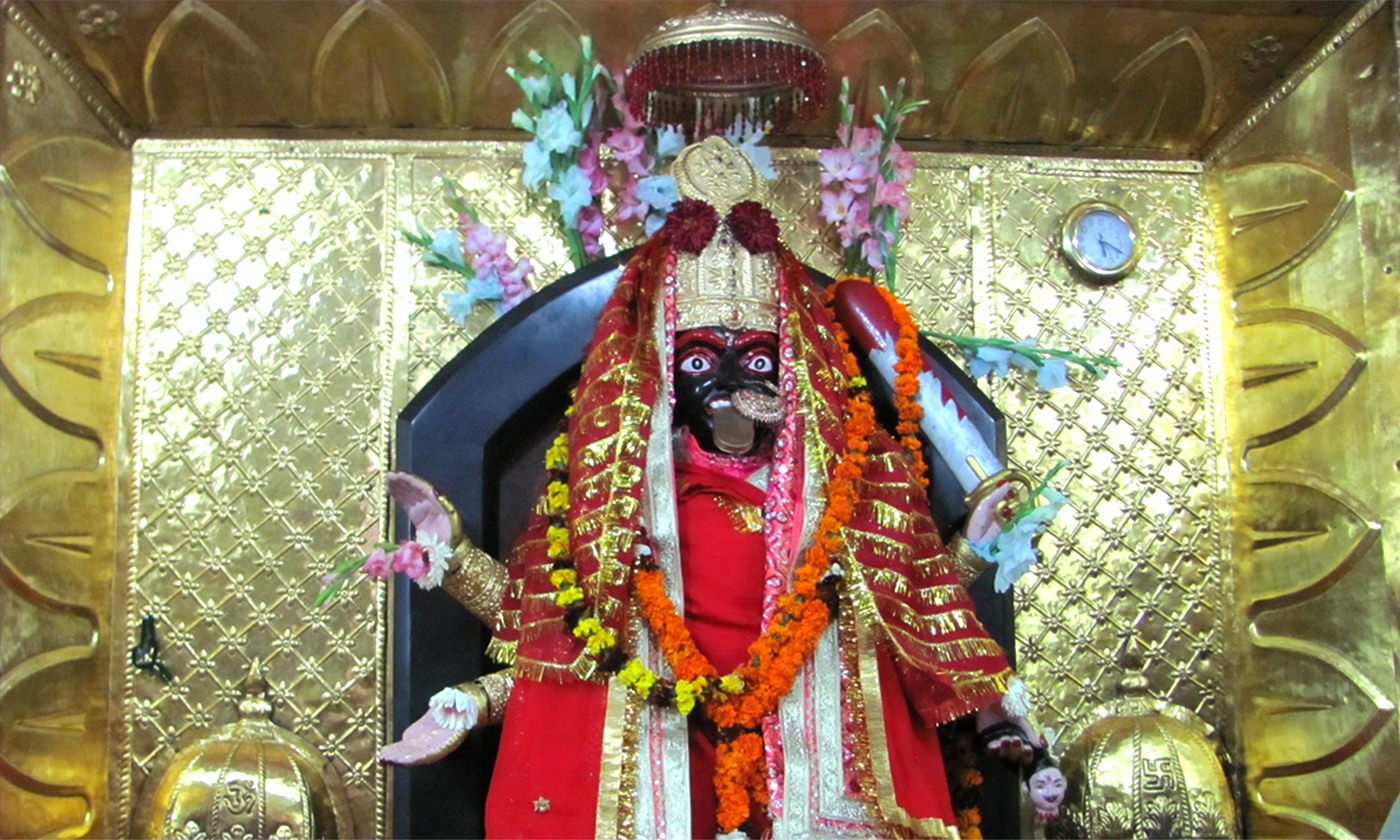
Shri Kali Devi Temple, Patiala
Shri Kali Devi Temple in Patiala is a grand royal shrine built in 1936 by Maharaja Bhupinder Singh, housing a six-foot black stone idol of Goddess Kali brought from Bengal and a…
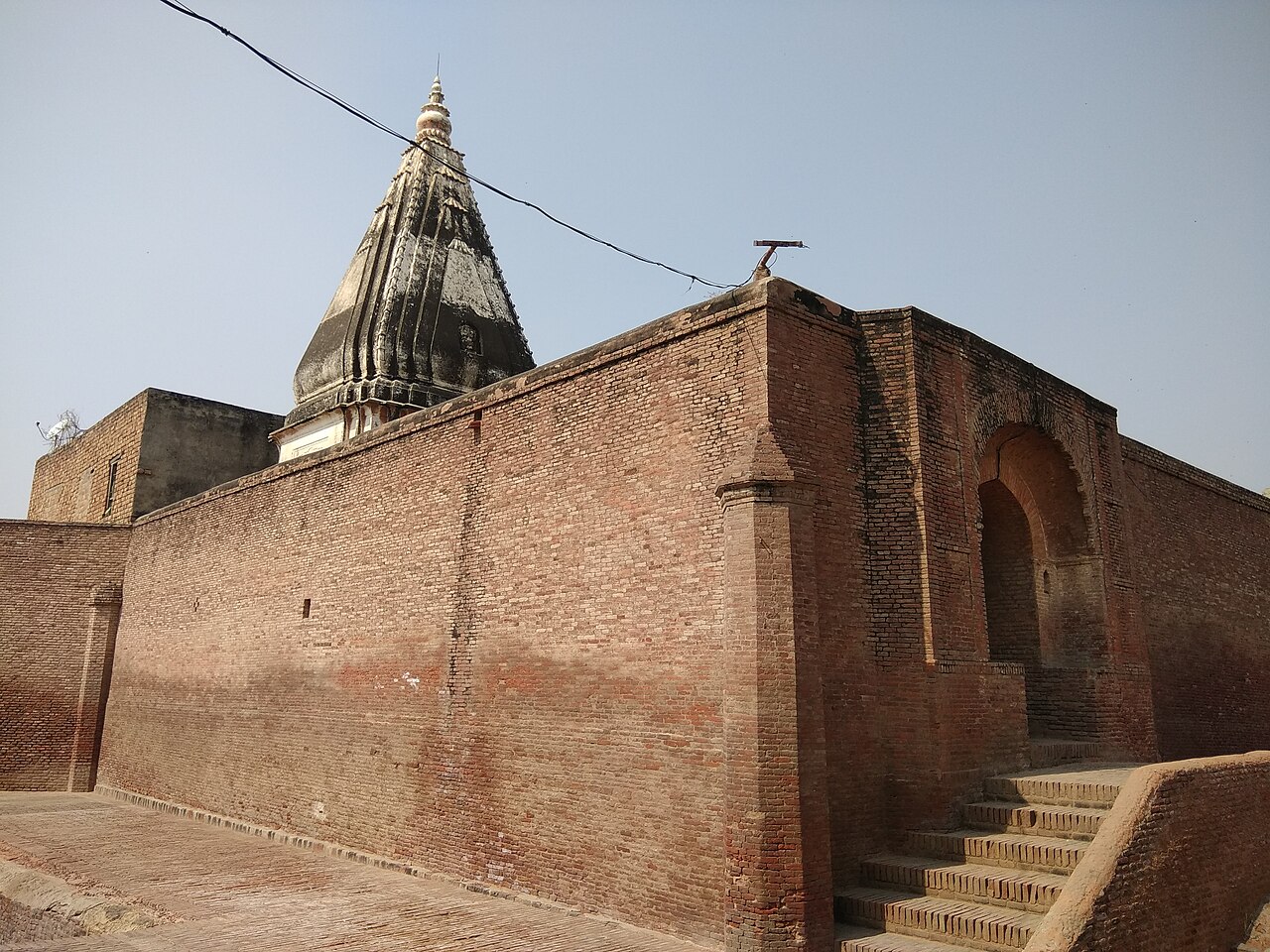
Kalayat Ancient Bricks Temple Complex
The Kalayat Ancient Bricks Temple Complex is a ruined brick temple sanctuary in Haryana dedicated to Lord Shiva, comprising multiple Hindu temples with two surviving structures…