Rajagopalaswamy Temple, Kumbakonam
About Rajagopalaswamy Temple, Kumbakonam
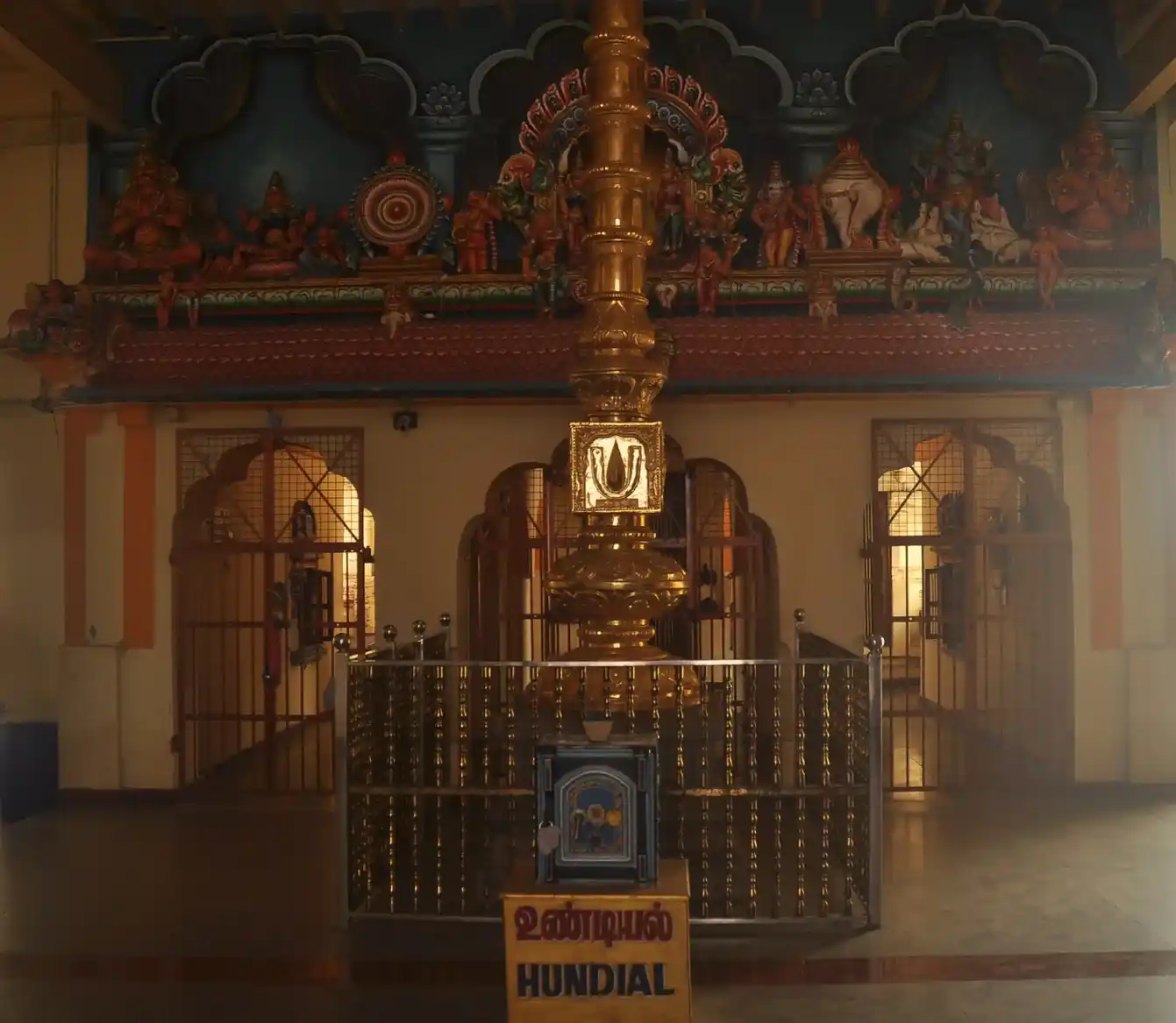
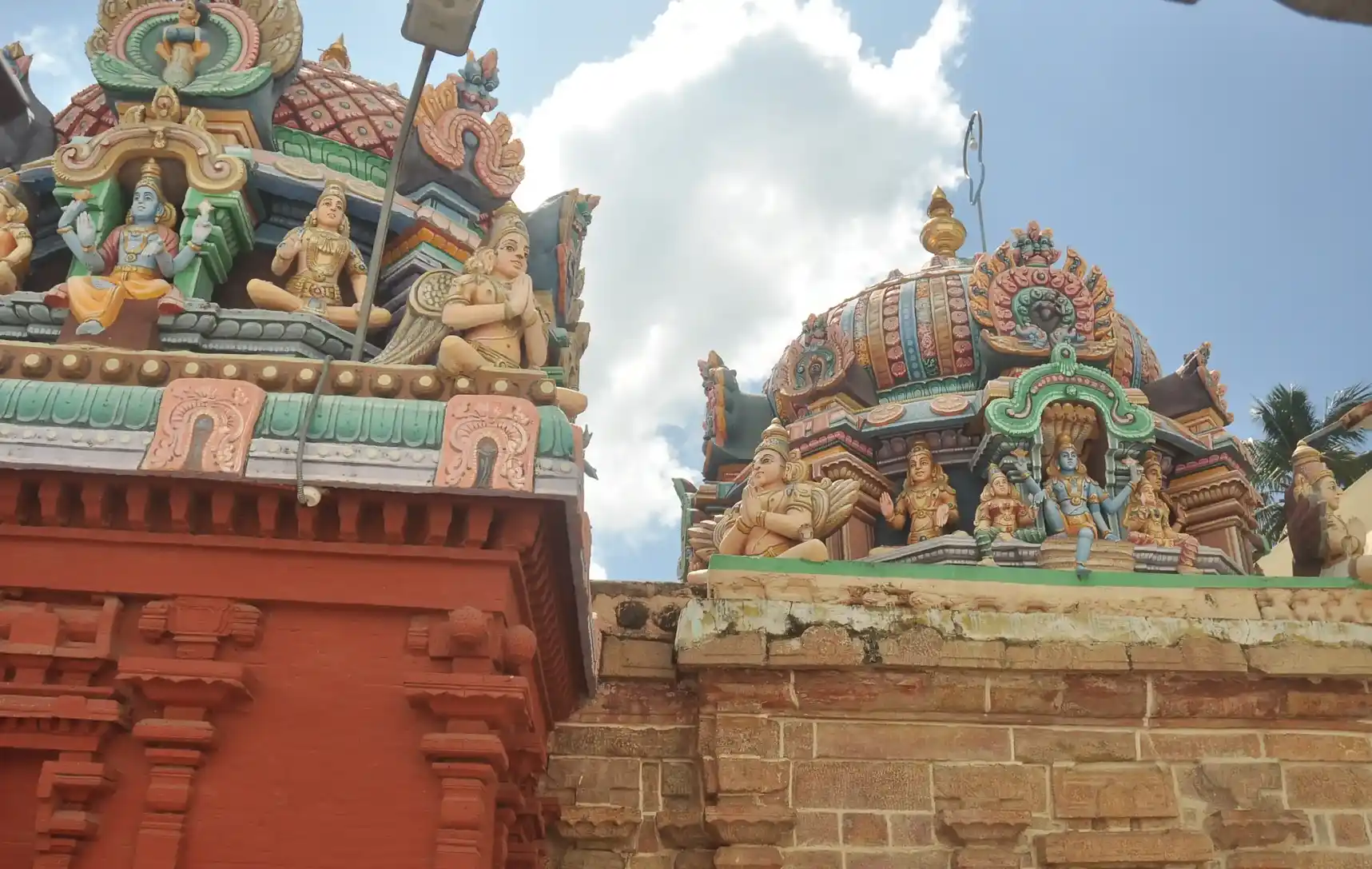
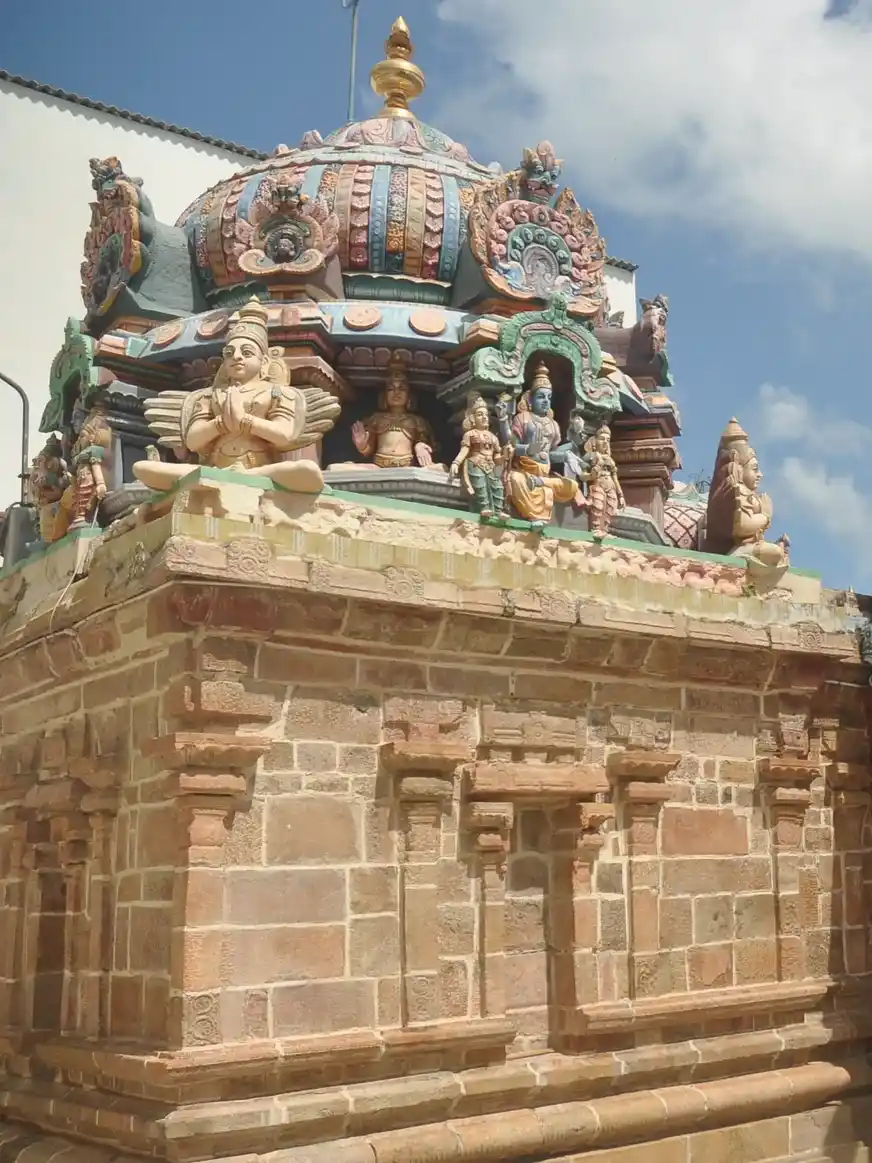
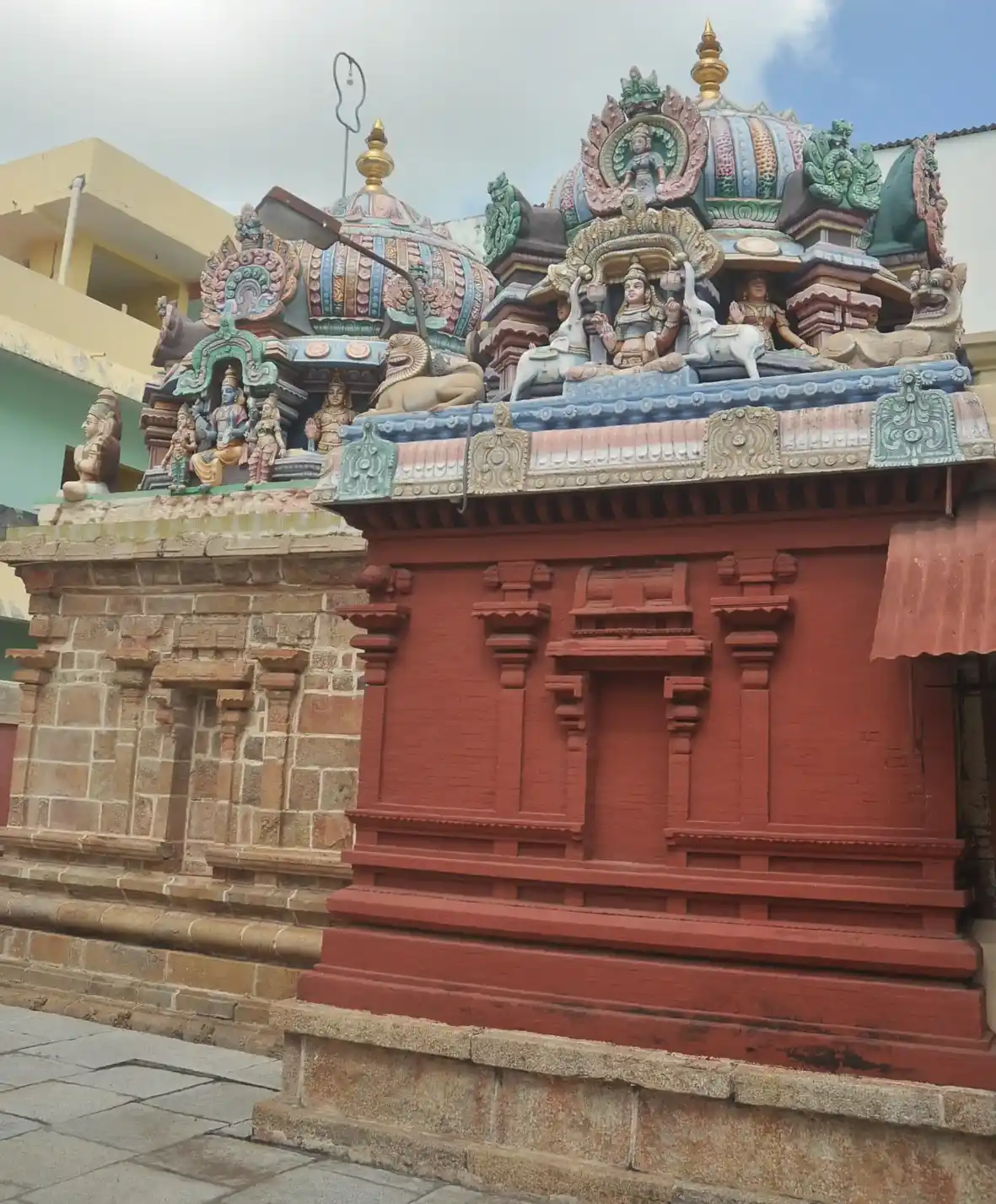
The temple was established in the 16th century, a period when the Nayak rulers of the region were active patrons of temple construction and renovation. King Vijayaraghava Nayak oversaw much of the temple's present architectural form. The complex includes a thousand-pillared hall constructed during the Nayak period, a prominent gopuram (tower) rising above the main shrine, and an extensive compound wall enclosing the grounds. Notably, Vijayaraghava Nayak commissioned a tall tower from which devotees could view the distant Srirangam Ranganathaswamy temple, reflecting the interconnected sacred geography of the region. These structures exemplify South Indian temple design, with its characteristic emphasis on gopurams, pillared halls, and fortified compounds.
Daily Worship and Rituals
The temple observes a two-session schedule for darshan. Morning hours run from 06:00 to 11:30, followed by a midday closure from 12:00 to 16:00. Evening darshan begins at 16:00 and continues into the night. Two key rituals structure the day: the Kala Sandhi Puja, held from 07:00 to 08:00 in the morning, and the Ardha Jama Puja from 20:00 to 20:30 in the evening. Both ceremonies involve the decoration of the deity with flowers, reflecting the Pancharatra tradition's emphasis on floral offerings as a form of devotional practice. The morning session typically attracts fewer visitors than the evening hours, making it a quieter time for those seeking a more contemplative worship experience.
Visiting Information and Etiquette
The temple does not charge admission for darshan, though voluntary donations support its maintenance. Modest dress is customary when entering Hindu temples; women typically wear salwar kameez, sarees, or equivalent modest clothing, while men wear dhotis or simple trousers and shirts. Shoes are removed before entering the sanctum. Photography policies vary; visitors should check with temple staff before photographing rituals or the inner sanctum. The midday closure is strictly observed, so plan your visit accordingly. Those wishing to observe the flower decoration ceremonies should arrive during the specified ritual times.
Best Time to Visit
The ideal season to visit is November through February, when temperatures are moderate and weather conditions are favourable for travel. This period offers comfortable conditions for exploring the temple complex and the wider Kumbakonam area. Timings may vary on festival days, so it is advisable to confirm with the temple before travelling during significant occasions.
Getting There
Kumbakonam is well connected by road and rail, serving as a transport hub for the region. The town lies approximately 31 km from Thanjavur and 39 km from Mayiladuthurai. Regular bus services operated by Tamil Nadu State Transport Corporation (TNSTC) and private operators connect Kumbakonam to nearby cities. Visitors arriving by train can access Kumbakonam Railway Station and then travel to the temple via local buses or hired transport. The temple's location within Kumbakonam makes it accessible to those exploring other religious sites in the area. For specific directions and current transport schedules, contact the temple office at 04352403284 or confirm arrangements with local transport authorities before planning your journey.
How to reach
Temples near Rajagopalaswamy Temple, Kumbakonam

Aiyarappar temple
Aiyarappar Temple in Tiruvaiyaru is an ancient Shiva shrine built around five sacred lingams, celebrated for its Chola-period architecture and designation as a Paadal Petra Stha…
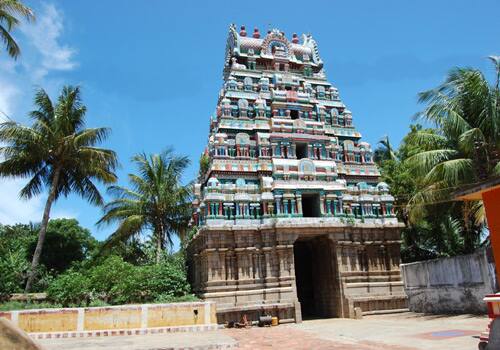
Neyyadiappar Temple
Neyyadiappar Temple in Thillaisthanam is a historic Shaivite shrine dedicated to Lord Shiva, renowned for its distinctive ritual of abhishekam performed with ghee followed by ho…
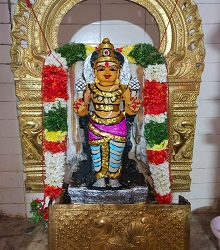
Kailasanthar Temple,Thingalur
Kailasanathar Temple in Thingalur is one of nine Navagraha temples in Tamil Nadu, dedicated to Soma (the moon deity) with Shiva as the primary idol. Located between Thanjavur an…
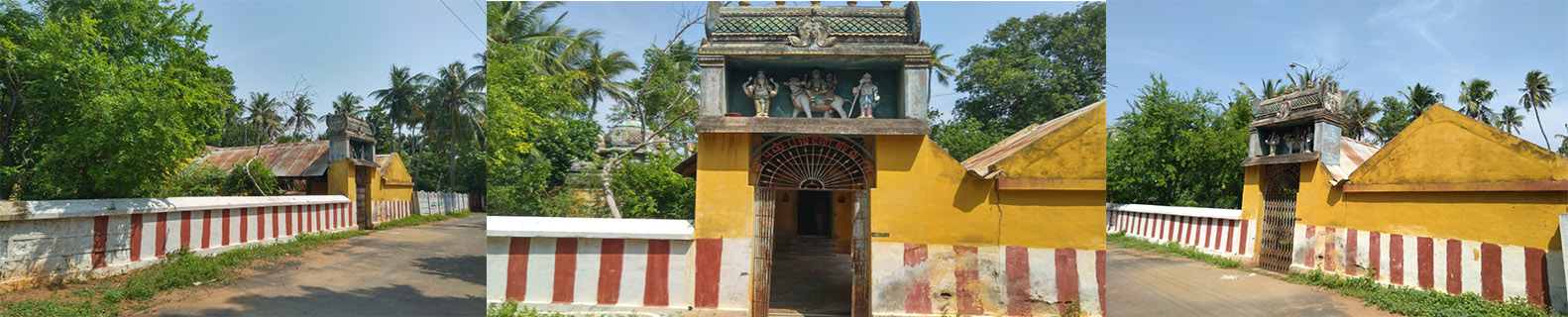
Arulmigu Pushpavaneswarar Temple
Arulmigu Pushpavaneswarar Temple in Mela Thirupanthiruthi, Thanjavur district, is an ancient Shaivite shrine dedicated to Lord Pushpavaneswarar, believed to date from the 6th–7t…

Odhanavaneswarar Temple, Tiruchotruturai
Odhanavaneswarar Temple in Tiruchotruturai is an ancient Shiva shrine on the Kaveri's southern bank, revered since at least the 7th century for its association with divine suste…
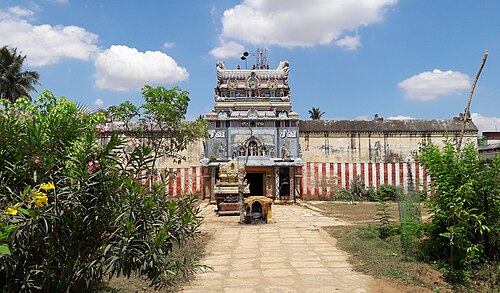
Pushpavananathar Temple, Tiruppoonturutti
Pushpavananathar Temple in Tiruppoonturutti is an ancient Shaiva shrine dedicated to Lord Shiva, revered as Pushpavananathar, and recognized as one of the 275 Paadal Petra Sthal…