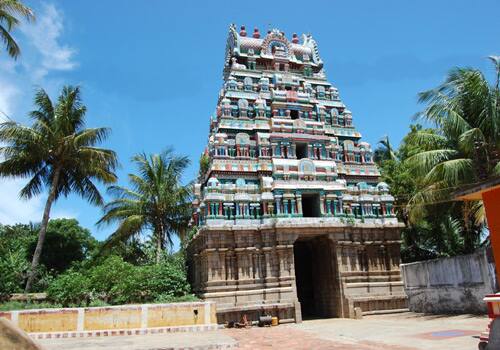


Neyyadiappar Temple
About Neyyadiappar Temple
The temple traces its establishment to the 9th century CE, though local tradition preserves an older narrative about its founding. According to temple lore, a sacred cow once habitually poured its milk at a specific location in the region. Over time, the milk, affected by sun and rain, transformed into ghee. When a shepherd attempted to investigate the phenomenon, the cow vanished—understood by devotees as a manifestation of Kamadenu, the divine cow of Hindu mythology. Upon excavation of the site, worshippers discovered a Shivalinga. News of this discovery reached the ruling king, who constructed a temple, performed its consecration, and instituted a daily ritual of abhishekam (ritual bathing) using ghee. This practice continues to the present day. The deity's name itself derives from this history: "Nei" means ghee in Tamil, and "Adi Appar" refers to the lord, thus Neyyadiappar—the lord worshipped with ghee.
The Distinctive Ritual of Ghee Abhishekam
The temple's most distinctive feature is its daily abhishekam ritual, which follows a specific sequence. The lingam receives abhishekam with ghee, followed immediately by abhishekam with hot water. This dual practice, maintained since the temple's consecration, remains unique to this shrine and forms the core of its spiritual identity. Devotees who visit typically seek blessings for noble character and freedom from greed—prayers oriented toward spiritual development rather than material accumulation. The temple accepts contributions from worshippers for its maintenance, following the traditional Hindu practice of dana (charitable giving).
Architecture and Layout
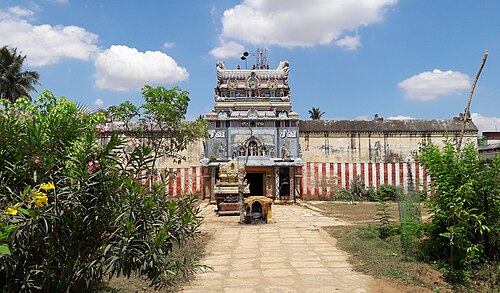
The temple features a Rajagopuram (tower gateway) facing east, with a spacious first prakara (circumambulatory passage). Within the complex, a separate shrine dedicated to Ambica faces south. The inner prakara contains shrines for Vinayaka and Muruga. Along the goshta wall (outer wall of the sanctum), devotees encounter representations of Dakshinamurthy, Lingodhbava, and Brahma. The temple's sculptural program includes a notable Nardana Ganapathy (dancing Ganesha), and Dakshinamurthy appears in standing form—a distinctive iconographic choice. The architectural style reflects Chola-period construction, consistent with the temple's 9th-century dating.
Festivals and Processions
Two major festivals structure the temple's annual observance. Masi Maha Shivrathri, celebrated in February or March, honors Shiva with special rituals and extended darshan periods. Margazhi Tiruvadhirai, falling in December or January, marks another significant festival. A remarkable feature occurs during major festival celebrations: Lord Iyarappar, the presiding deity of Thiruvaiyaru temple, visits Thillaisthanam three times annually. During these occasions, devotees witness seven palanquin processions simultaneously—one representing each of the Sapthasthana temples. This coordinated spectacle creates a rare opportunity to experience the interconnected network of these seven sacred sites.
Visiting Information and Timings
The temple opens for darshan in two sessions: morning from 10:00 to 11:30 and evening from 17:00 to 19:30. The optimal season for visiting extends from October through March, when weather conditions are most favorable. The temple is located in Thillaisthanam (also known as Tiruneithanam), accessible via Tiruvaiyaru in Thanjavur district. The postal address is Sri Neyyadiappar Temple, Thillaisthanam, Tiruneithanam Post, Via Tiruvaiyaru, Thanjavur-613203, Tamil Nadu. Visitors should observe standard temple etiquette: remove footwear before entering, dress modestly, and maintain respectful behavior within the sanctum. As with most Hindu temples, menstruating women may be restricted from certain areas according to traditional practice—it is advisable to inquire at the temple entrance regarding current protocols.
How to reach

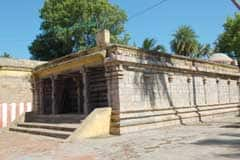
Temples near Neyyadiappar Temple

Aiyarappar temple
Aiyarappar Temple in Tiruvaiyaru is an ancient Shiva shrine built around five sacred lingams, celebrated for its Chola-period architecture and designation as a Paadal Petra Stha…
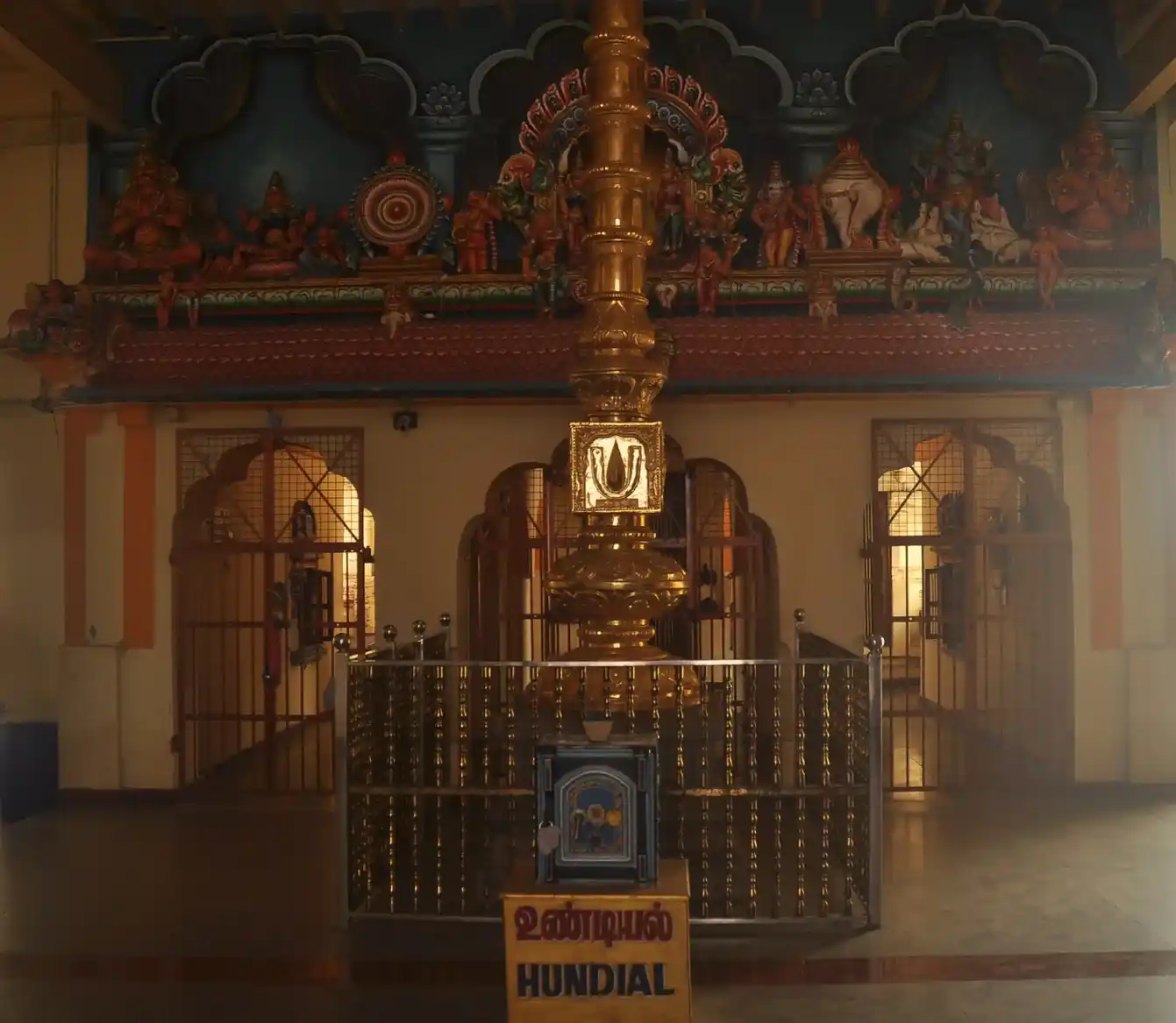
Rajagopalaswamy Temple, Kumbakonam
Rajagopalaswamy Temple in Kumbakonam is a Vaishnavite shrine dedicated to Krishna, featuring a thousand-pillared hall from the Nayak period and architectural elements commission…
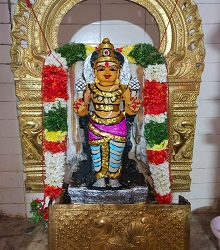
Kailasanthar Temple,Thingalur
Kailasanathar Temple in Thingalur is one of nine Navagraha temples in Tamil Nadu, dedicated to Soma (the moon deity) with Shiva as the primary idol. Located between Thanjavur an…
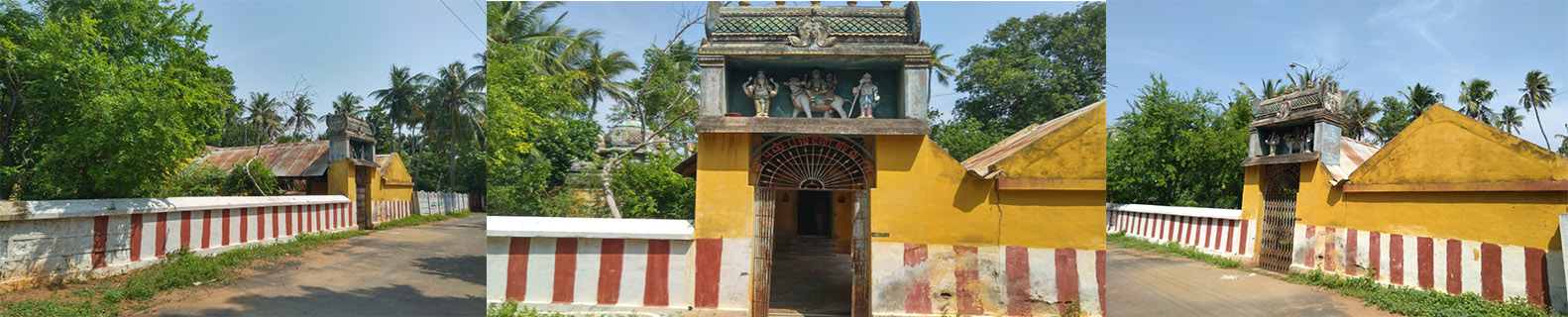
Arulmigu Pushpavaneswarar Temple
Arulmigu Pushpavaneswarar Temple in Mela Thirupanthiruthi, Thanjavur district, is an ancient Shaivite shrine dedicated to Lord Pushpavaneswarar, believed to date from the 6th–7t…
Pushpavananathar Temple, Tiruppoonturutti
Pushpavananathar Temple in Tiruppoonturutti is an ancient Shaiva shrine dedicated to Lord Shiva, revered as Pushpavananathar, and recognized as one of the 275 Paadal Petra Sthal…

Odhanavaneswarar Temple, Tiruchotruturai
Odhanavaneswarar Temple in Tiruchotruturai is an ancient Shiva shrine on the Kaveri's southern bank, revered since at least the 7th century for its association with divine suste…