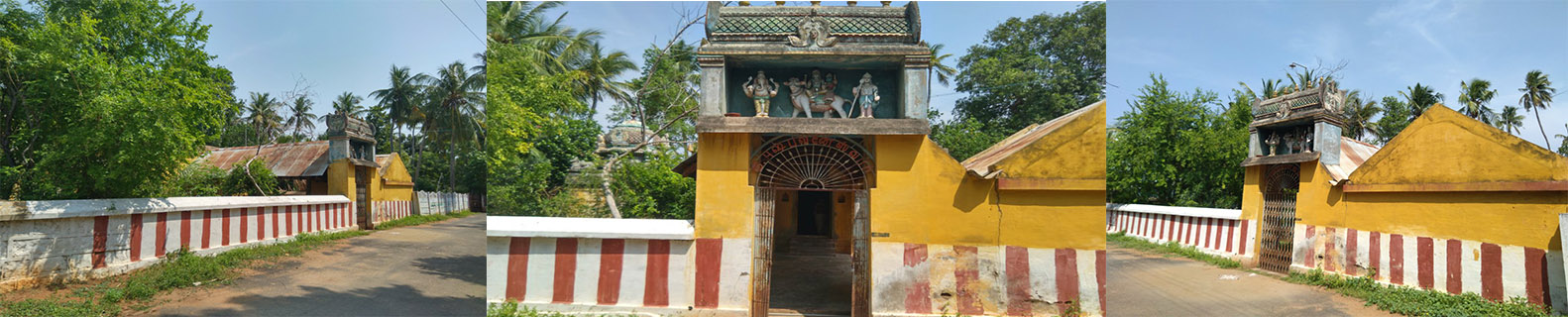
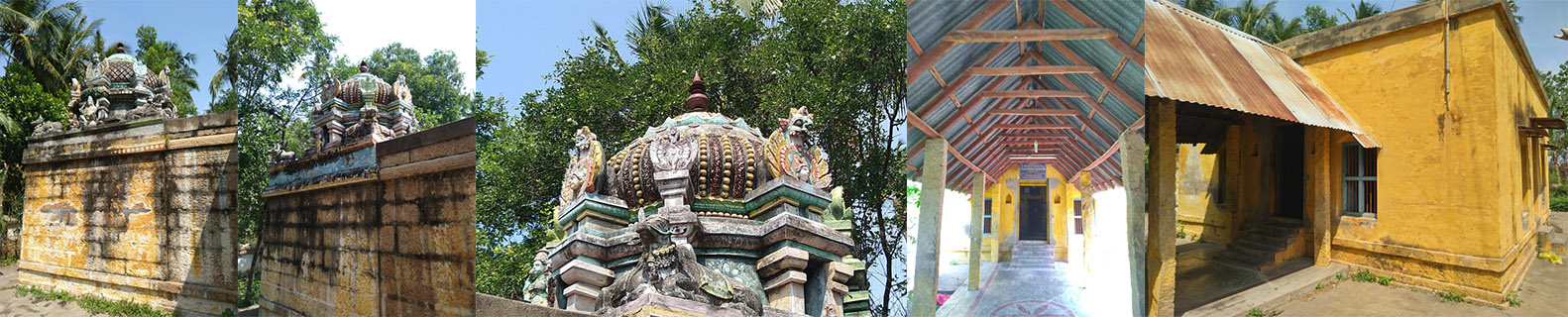
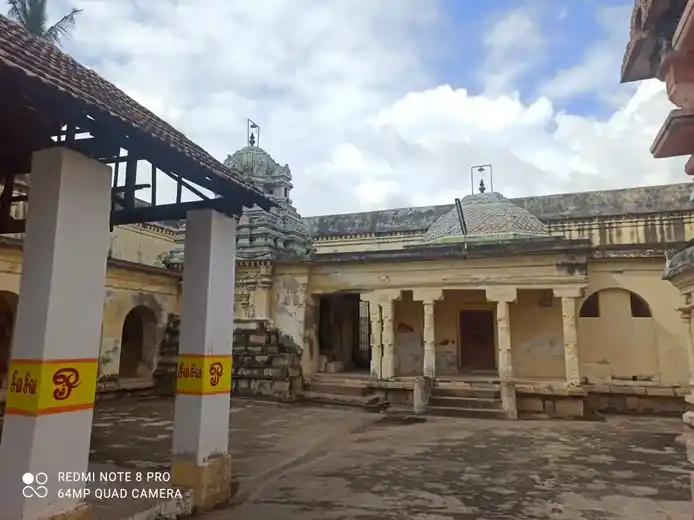
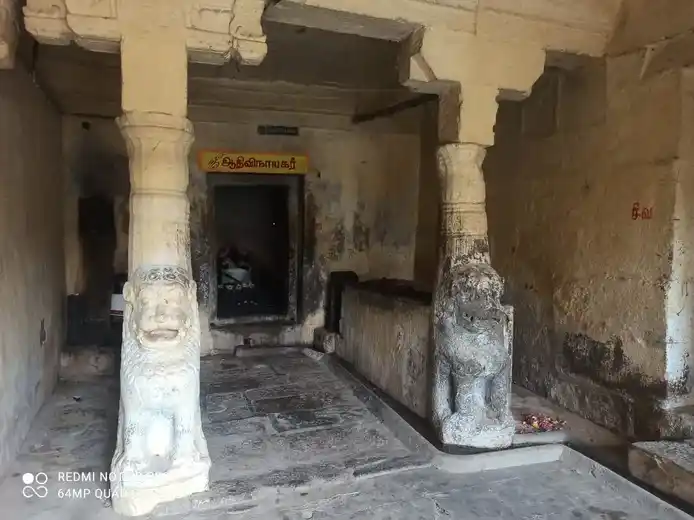
Arulmigu Pushpavaneswarar Temple
About Arulmigu Pushpavaneswarar Temple
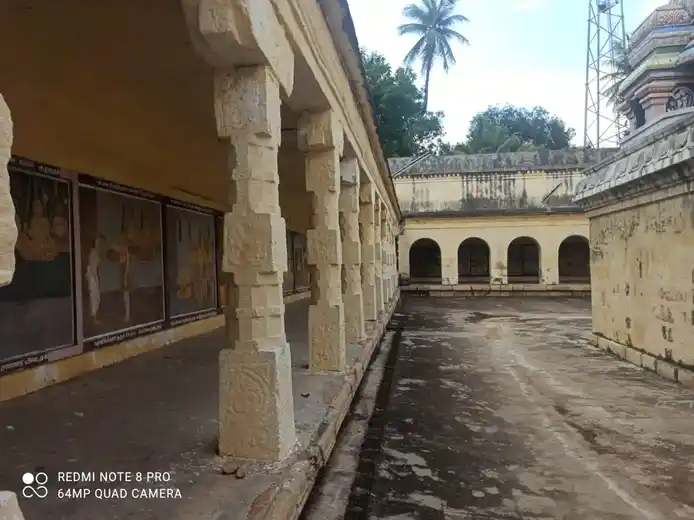
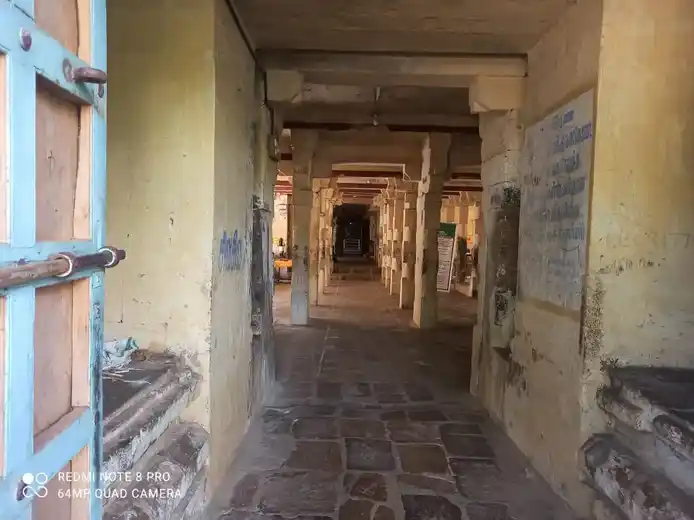
The temple's origins trace to the 6th–7th century, placing it within the early medieval period of South Indian temple construction. This dating aligns with the Chola era, when such shrines were established across the Thanjavur region as centres of religious life. The architectural style and construction methods reflect the conventions of that period, though the temple has undergone maintenance and restoration over the centuries to preserve its structural integrity.
The temple's design follows established Shaivite principles. Its square sanctum and modest tower are characteristic of smaller heritage temples from this era, built to serve the spiritual needs of the surrounding community rather than as grand royal foundations. The simplicity of its form does not diminish its religious importance; such temples often possess deep roots in local devotional practice.
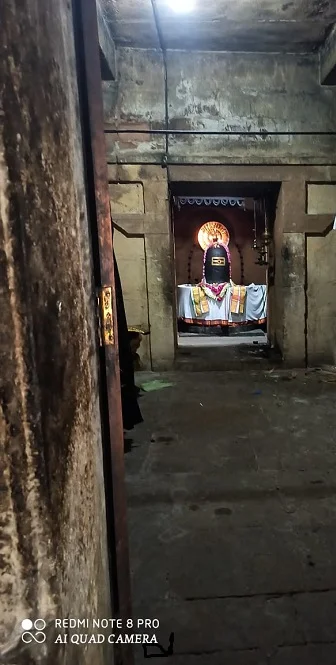
Daily Worship and Darshan
The temple opens at 07:00 in the morning and closes at 12:00 noon, reopening at 18:00 until 20:30 in the evening. Two principal rituals structure the day: the Kala Sandhi Pooja (morning ritual) takes place between 10:00 and 11:30, while the Sayarakshai Pooja (evening ritual) occurs from 17:00 to 18:00. These aartis mark significant moments in the temple's daily cycle and are times when devotees gather for collective worship.
Visitors may perform darshan (viewing of the deity) during the open hours. The morning period, particularly around the time of the morning pooja, is traditionally favoured by many devotees. The evening hours offer an alternative for those unable to visit in the morning.
Visiting the Temple: Practical Information
The temple is located on Sannidhi Street in Mela Thirupanthiruthi, Thanjavur District, postal code 613103. The coordinates are 10.8630184, 79.0793586, which can be entered into mapping applications for navigation.
Visitors should dress modestly, as is customary at Hindu temples. Men typically remove their shirts before entering the sanctum; women wear traditional dress or modest clothing that covers the shoulders and knees. Leather items are generally not worn inside temples. Photography policies vary; it is advisable to ask temple staff before photographing the sanctum or rituals. Devotees should remove footwear before entering the inner shrine areas.
The temple is situated within the Thiruvaiyaru taluk (administrative division) of Thanjavur. Nearby towns include Kumbakonam (approximately 38 km away) and Tiruchirappalli (approximately 35 km away). Public transport connects the village to surrounding areas via TNSTC bus services. Those travelling by private vehicle can use the GPS coordinates provided to locate the temple.
The Sacred Landscape
The temple sits within a region historically significant to Shaivite devotion. The vilva tree, planted within or near the temple grounds, holds ritual importance in daily worship. The temple's location in a village setting reflects the pattern of smaller heritage shrines that served as focal points for local religious life, distinct from the grand temple complexes of major cities.
The Kamika Agama tradition that governs this temple's rituals represents one of the principal scriptural frameworks of Shaivism, emphasizing precise ritual performance and the sanctity of the deity's dwelling place. This tradition has shaped temple practice across South India for over a millennium.
How to reach
Temples near Arulmigu Pushpavaneswarar Temple
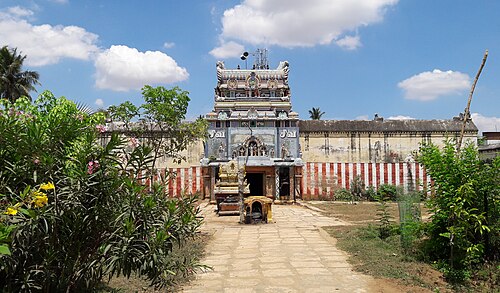
Pushpavananathar Temple, Tiruppoonturutti
Pushpavananathar Temple in Tiruppoonturutti is an ancient Shaiva shrine dedicated to Lord Shiva, revered as Pushpavananathar, and recognized as one of the 275 Paadal Petra Sthal…
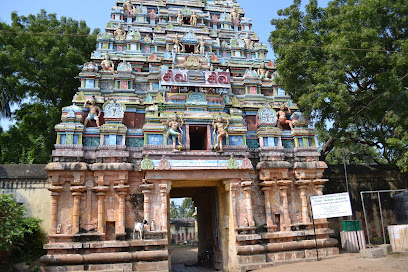
Athmanatheswarar Temple
Athmanatheswarar Temple in Thiruvalampolil, Thanjavur district, is a Shaivite shrine dedicated to Shiva and recognized as one of the Paadal Petra Sthalams in the Thevaram tradit…

Aiyarappar temple
Aiyarappar Temple in Tiruvaiyaru is an ancient Shiva shrine built around five sacred lingams, celebrated for its Chola-period architecture and designation as a Paadal Petra Stha…
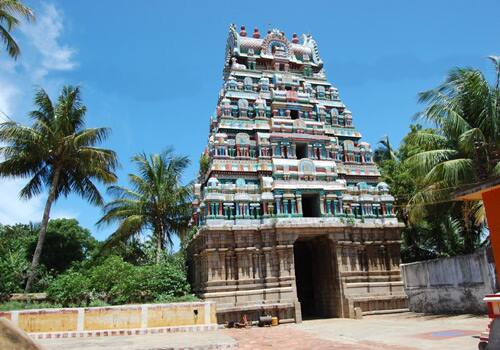
Neyyadiappar Temple
Neyyadiappar Temple in Thillaisthanam is a historic Shaivite shrine dedicated to Lord Shiva, renowned for its distinctive ritual of abhishekam performed with ghee followed by ho…
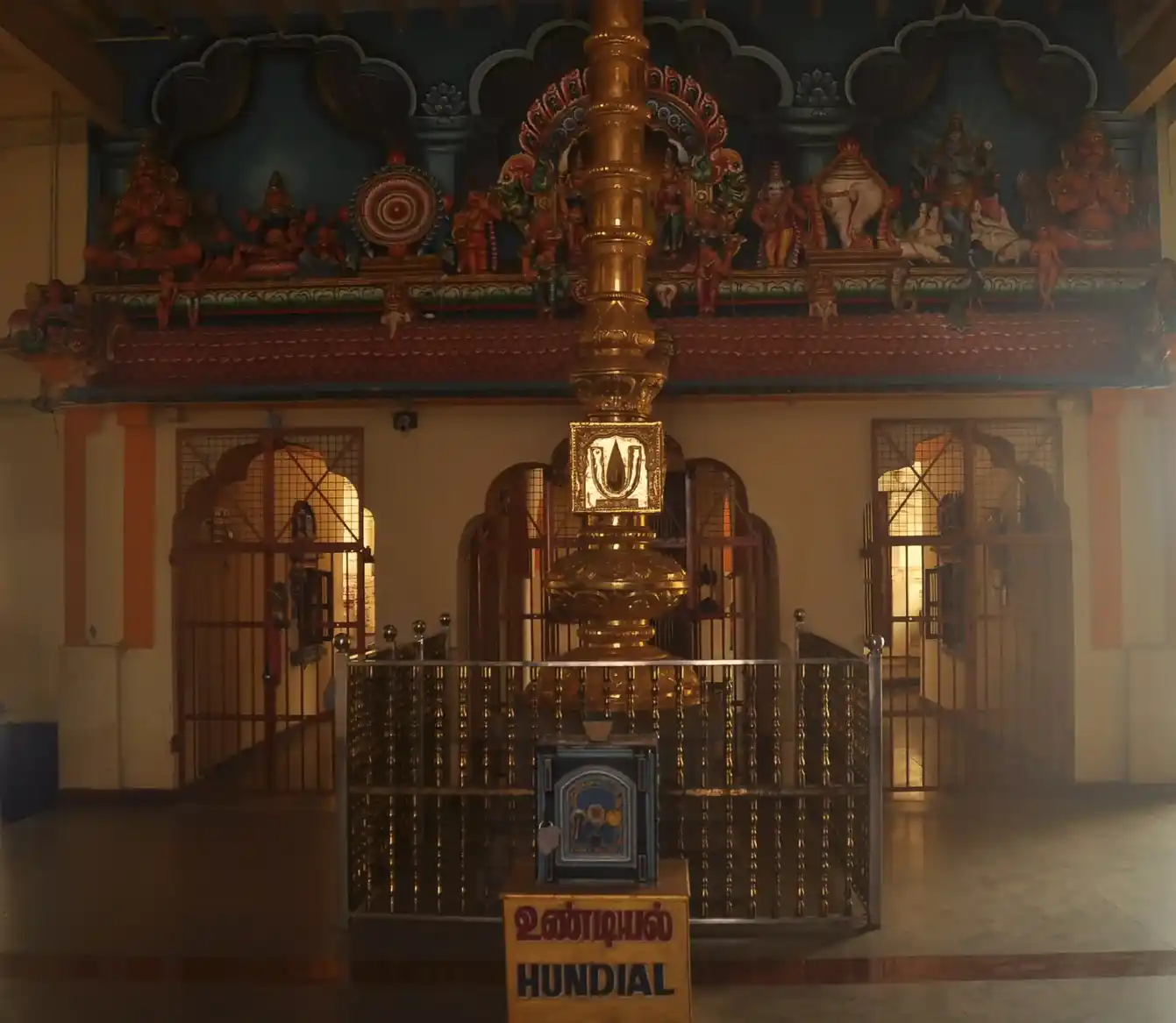
Rajagopalaswamy Temple, Kumbakonam
Rajagopalaswamy Temple in Kumbakonam is a Vaishnavite shrine dedicated to Krishna, featuring a thousand-pillared hall from the Nayak period and architectural elements commission…
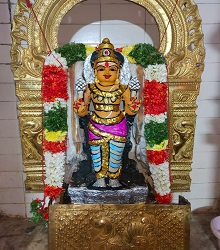
Kailasanthar Temple,Thingalur
Kailasanathar Temple in Thingalur is one of nine Navagraha temples in Tamil Nadu, dedicated to Soma (the moon deity) with Shiva as the primary idol. Located between Thanjavur an…