


Aiyarappar temple
About Aiyarappar temple
The temple exemplifies Chola architectural craftsmanship, with its design reflecting the artistic sophistication of that period. The complex includes intricately carved stone structures, towering gopurams (ornate entrance towers), mandapams (pillared halls), and sacred water tanks. The outer walls bear detailed sculptures depicting mythological figures and celestial beings, offering visual narratives rooted in Hindu tradition.
The main sanctum, or garbhagriha, houses the presiding deity. The temple's structural elements—from its carved pillars to its decorated walls—demonstrate the technical skill and religious devotion that characterized Chola-era temple construction. These features provide insight into both the architectural practices and the spiritual values of ancient Tamil Nadu.
History
The temple was established in the 9th century. According to one account preserved in local tradition, King Rajaraja Chola I commissioned the temple's construction after encountering saints engaged in worship at the site. The king's patronage resulted in a structure designed around the sacred geography of five hills, with five lingams incorporated into the temple's foundation. This historical connection to the Chola dynasty places the temple within a broader pattern of royal temple patronage that shaped Tamil Nadu's religious landscape.
Daily Worship and Visiting Hours
The temple opens for darshan (viewing of the deity) during two periods each day: morning from 06:00 to 11:00, and evening from 17:00 to 20:00. Visitors planning to attend should time their visit accordingly, as these are the designated hours for public access to the sanctum.
Temples dedicated to Shiva typically follow established protocols for worship and visitor conduct. Modest dress is expected; women are advised to wear sarees, chudidars, or kurtis, while men should wear dhotis or shirts. Trousers and short dresses should be avoided. Visitors should remove footwear before entering the inner sanctum and maintain respectful silence within the temple precincts. Photography policies vary; it is advisable to inquire at the temple entrance regarding any restrictions.
Festivals and Celebrations
The temple observes several major festivals throughout the year, including Maha Shivaratri, Arudra Darshanam, Panguni Uthiram, and Navratri. These festivals typically feature special pujas (ritual worship), cultural performances, and religious discourses that enhance the spiritual atmosphere of the temple. Devotees gather during these occasions to participate in the celebrations and seek blessings.
Practical Information for Visitors
Aiyarappar Temple is located at coordinates 10.88°N, 79.1°E in Tiruvaiyaru village. The nearest airport is Trichy (Tiruchirappalli), approximately 75 kilometers away. The temple can also be reached by train via Tanjore railway station. Local transport options from these hubs can facilitate access to the village.
Visitors should plan their trip around the temple's opening hours and consider the climate of Tamil Nadu when deciding on travel dates. The temple complex includes water tanks and basic facilities typical of established Hindu temples. It is recommended to check current conditions and any special observances before visiting, particularly if planning to attend during festival periods.
How to reach


Temples near Aiyarappar temple
Neyyadiappar Temple
Neyyadiappar Temple in Thillaisthanam is a historic Shaivite shrine dedicated to Lord Shiva, renowned for its distinctive ritual of abhishekam performed with ghee followed by ho…
Rajagopalaswamy Temple, Kumbakonam
Rajagopalaswamy Temple in Kumbakonam is a Vaishnavite shrine dedicated to Krishna, featuring a thousand-pillared hall from the Nayak period and architectural elements commission…
Kailasanthar Temple,Thingalur
Kailasanathar Temple in Thingalur is one of nine Navagraha temples in Tamil Nadu, dedicated to Soma (the moon deity) with Shiva as the primary idol. Located between Thanjavur an…
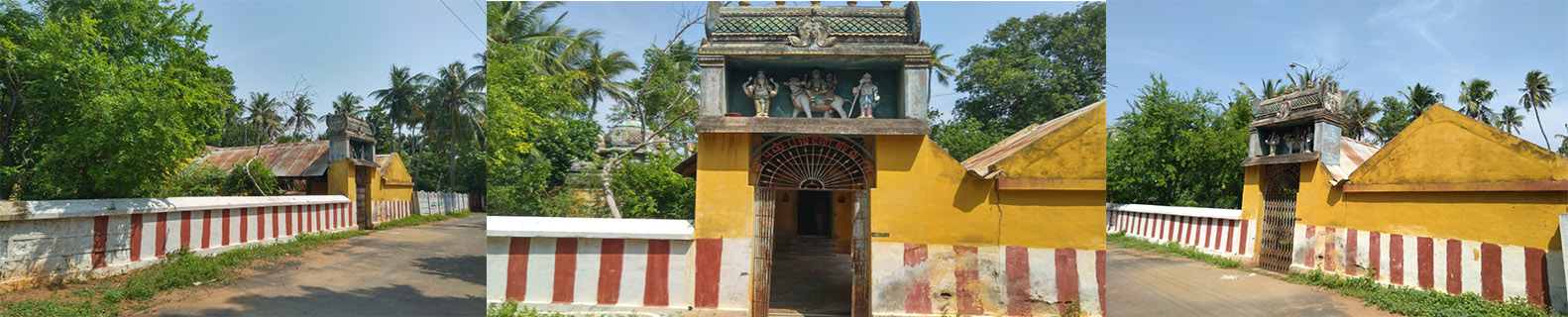
Arulmigu Pushpavaneswarar Temple
Arulmigu Pushpavaneswarar Temple in Mela Thirupanthiruthi, Thanjavur district, is an ancient Shaivite shrine dedicated to Lord Pushpavaneswarar, believed to date from the 6th–7t…
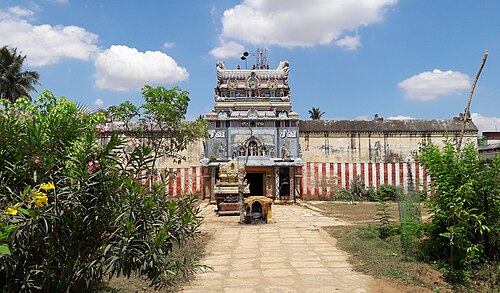
Pushpavananathar Temple, Tiruppoonturutti
Pushpavananathar Temple in Tiruppoonturutti is an ancient Shaiva shrine dedicated to Lord Shiva, revered as Pushpavananathar, and recognized as one of the 275 Paadal Petra Sthal…
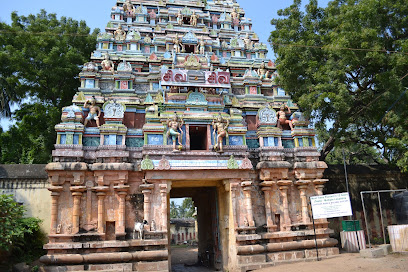
Athmanatheswarar Temple
Athmanatheswarar Temple in Thiruvalampolil, Thanjavur district, is a Shaivite shrine dedicated to Shiva and recognized as one of the Paadal Petra Sthalams in the Thevaram tradit…