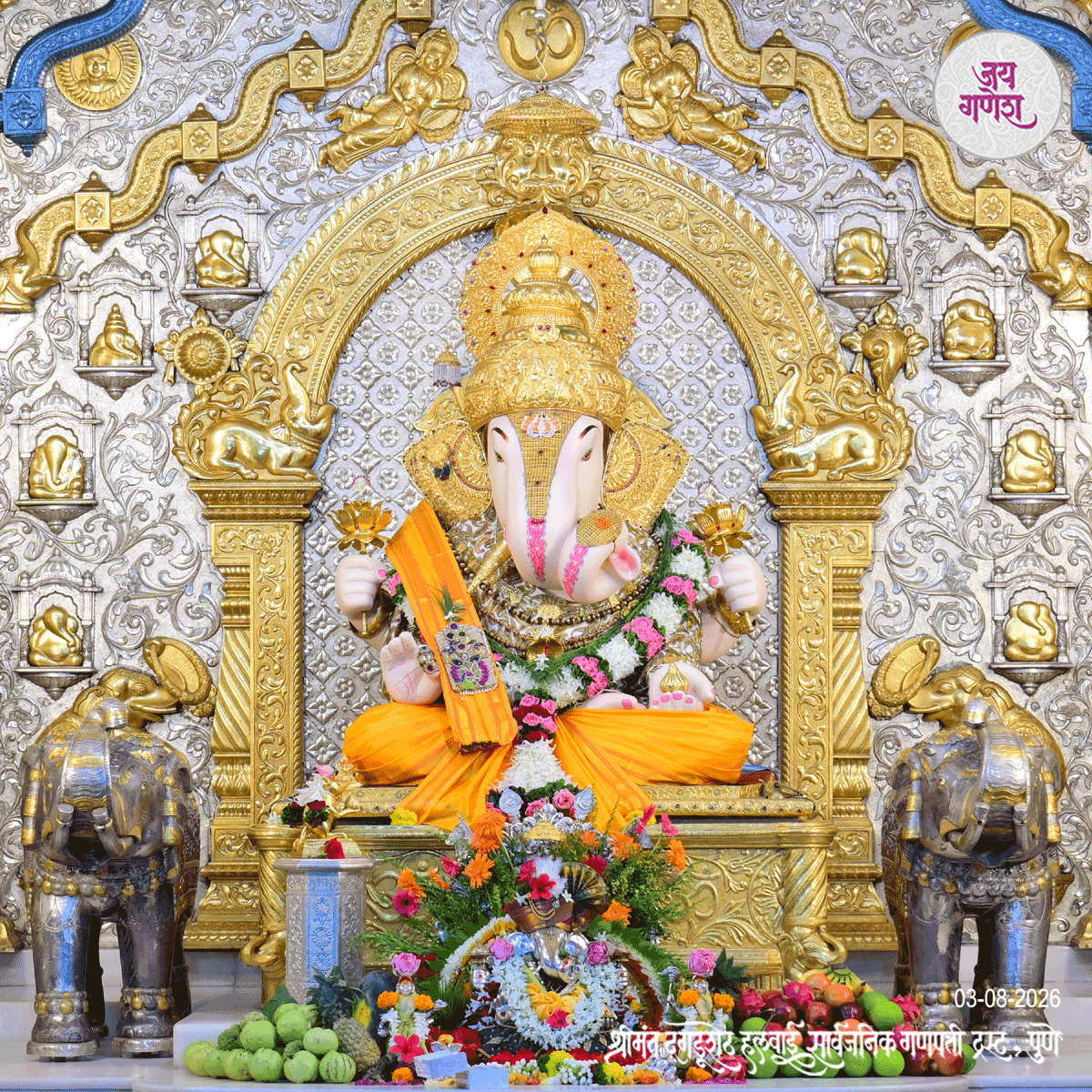
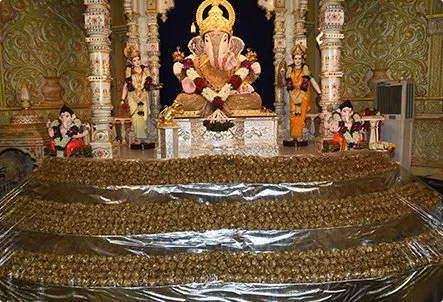
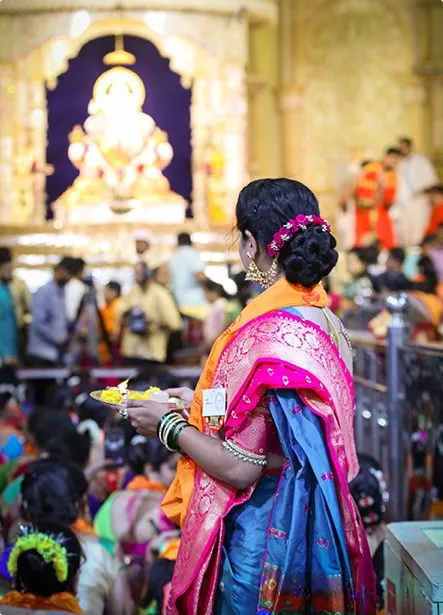
Pura Santiloka
About Pura Santiloka
The coordinates and address provided place this temple in Pune, Maharashtra, though the sources available do not clarify the temple's full name, primary deity, or founding circumstances beyond its establishment in the 19th century. The temple operates under the management of a trust and welcomes visitors throughout the week. Given the thematic association with Ganesha and its location in Pune—a city with deep roots in Ganesha worship—the temple likely holds significance within the broader devotional landscape of western India.
Daily Worship and Rituals
The temple maintains regular daily worship from 05:00 to 22:30, with extended hours until 23:00 on Tuesdays. Five formal aartis (ritual offerings) structure the day: Suprabhatam at 07:30 marks the morning awakening of the deity; Naivedyam at 13:30 offers food; Madhyana Aarti at 15:00 provides midday worship; Mahamangal Aarti at 20:00 is the evening ceremony; and Shejarti at 22:30 concludes the day as the deity is prepared for rest. Devotees may time their visits to participate in any of these rituals, each of which typically lasts 15 minutes. The early opening hour accommodates those who wish to worship at dawn, a traditional practice in Hindu temples.
Ganesh Chaturthi: The Major Festival
The temple's calendar centers on Ganesh Chaturthi, celebrated in September. This ten-day festival period represents the most significant time for pilgrimage and worship at the temple. Devotees from across India and beyond visit during this season to participate in the heightened celebrations. The festival draws both regular worshippers and those making special journeys for this occasion. If planning a visit specifically for Ganesh Chaturthi, expect larger crowds and heightened ceremonial activity compared to ordinary days.
Visiting Information
The temple is located at Ganpati Bhavan, 250 Budhvar Peth, Pune, Maharashtra 411002. Visitors should plan their arrival according to the daily schedule: standard hours are 05:00–22:30 Monday through Sunday, with Tuesday offering the latest closing time at 23:00. No specific dress code is mentioned in available sources, though Hindu temples typically expect modest clothing that covers shoulders and knees; women may wish to carry a dupatta or scarf. Footwear is generally removed before entering the inner sanctum. Photography policies are not specified in the sources provided; it is advisable to inquire upon arrival or observe what other visitors are doing.
Facilities and Amenities
The temple operates under a trust structure and offers e-seva services for donations and bookings, suggesting some level of organized visitor management. However, specific details about parking, restrooms, prasad (blessed food) distribution, or other visitor facilities are not documented in the available sources. Visitors should contact the temple directly for information about such amenities, or arrive early in the day when facilities are typically less crowded.
Getting There
Pura Santiloka is situated in Budhvar Peth, a central area of Pune. The city is well-connected by rail and road. Visitors arriving by train should proceed from Pune Junction or other local stations to Budhvar Peth; local auto-rickshaws and taxis provide transport within the city. Those traveling by car can use the address for GPS navigation. The temple's central location makes it accessible from most parts of Pune, though traffic and parking availability may vary, particularly during festival periods.
How to reach
Temples near Pura Santiloka
Ijo Temple
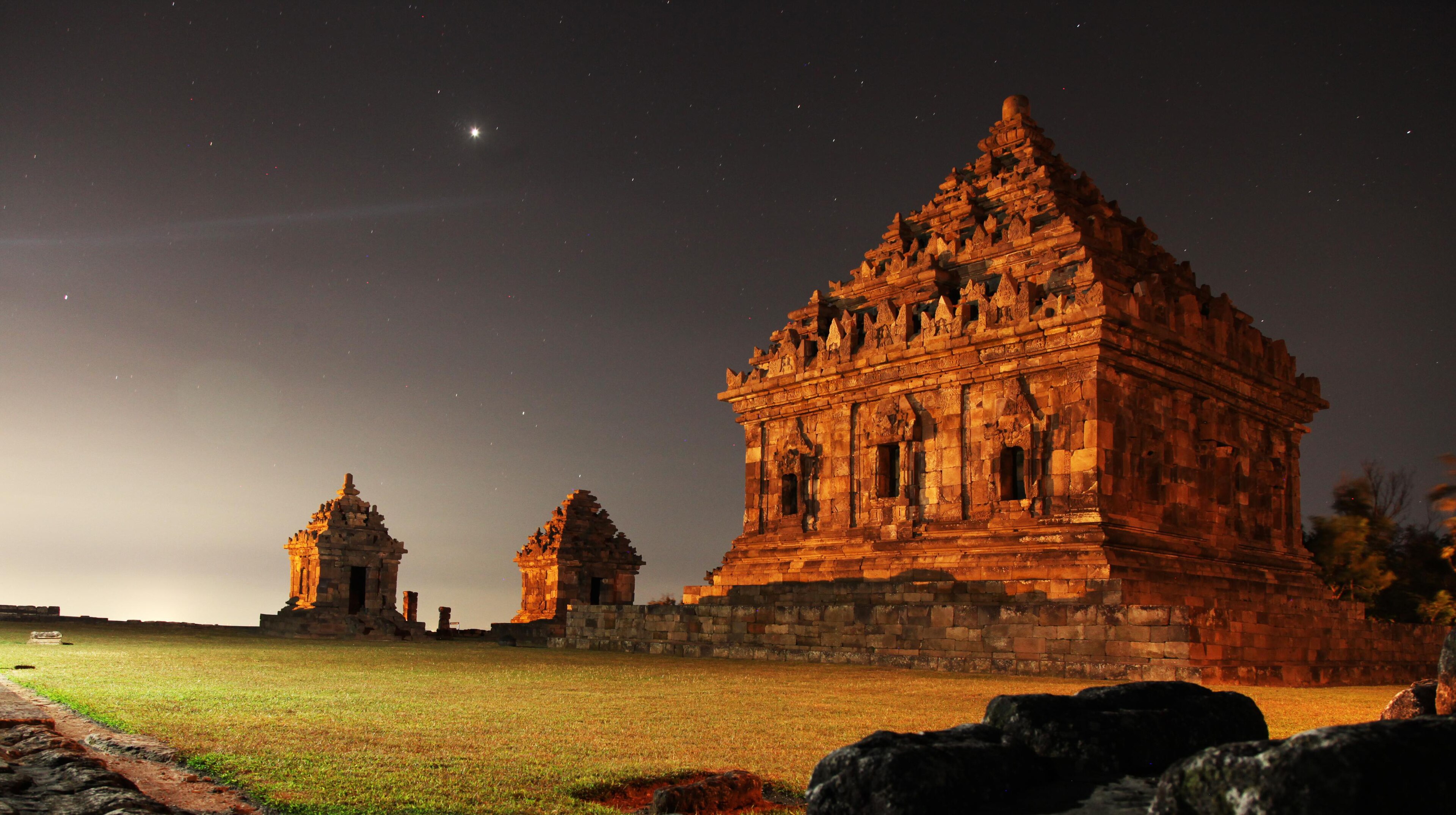
Ijo Temple is a 10th-11th century Hindu candi located near Yogyakarta, Indonesia, built during the Mataram kingdom period as an expression of royal religious patronage.
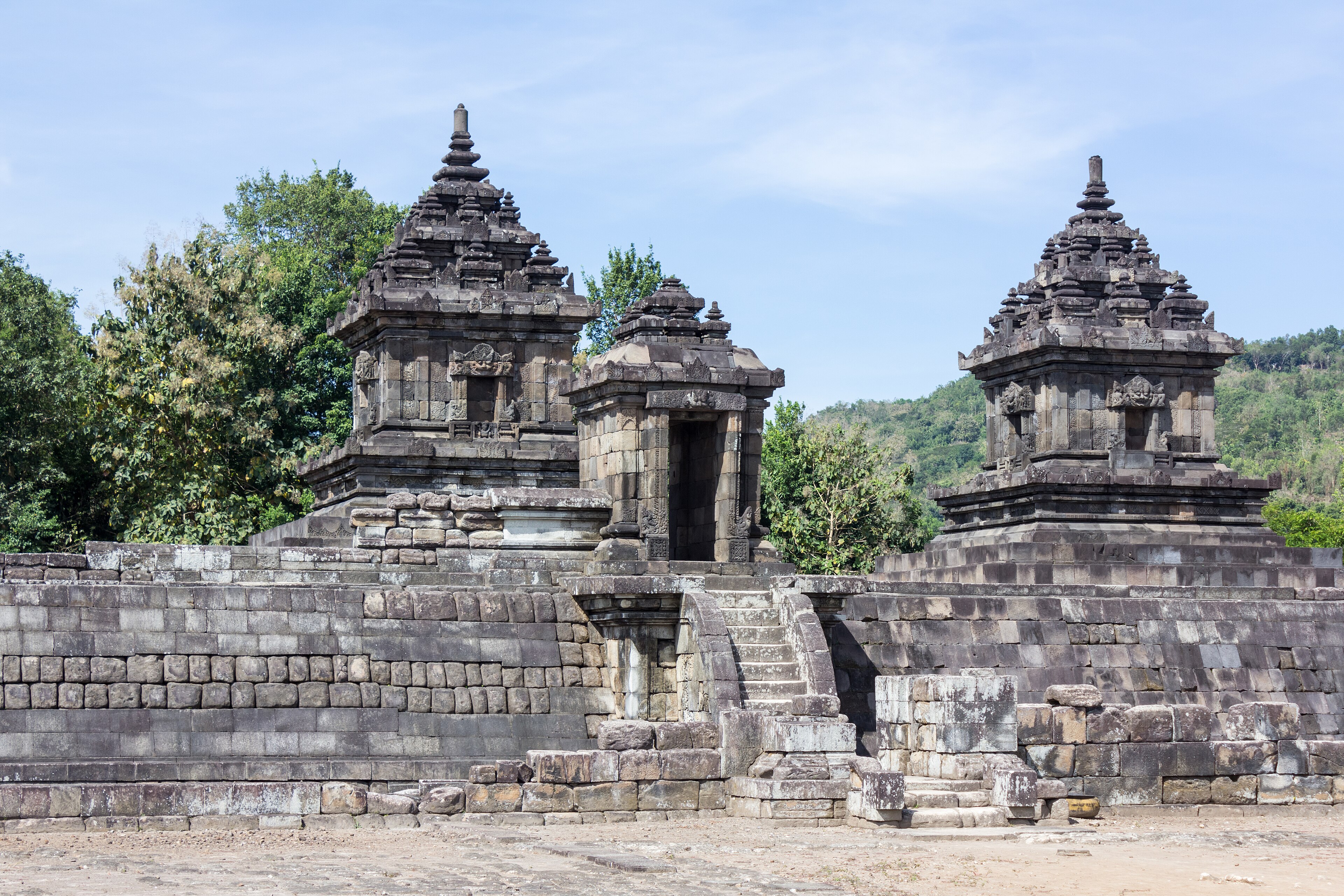
Barong Temple
Barong Temple is a 9th-century Hindu candi located near Ratu Boko in Yogyakarta, Indonesia, named for the distinctive barong-like kala head carvings adorning its temple niches.
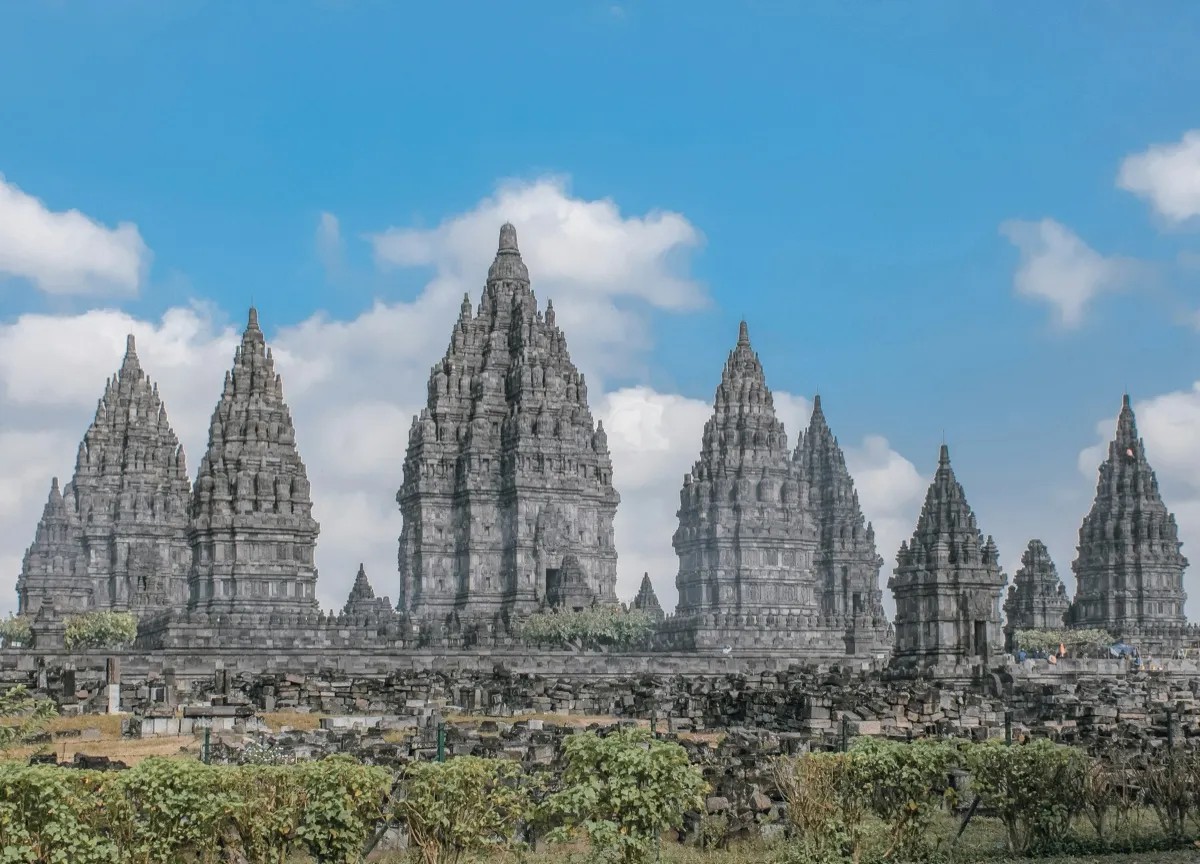
Prambanan Temple Compounds
Prambanan Temple Compounds is Indonesia's largest Hindu temple complex, a UNESCO World Heritage site comprising four temple compounds on the Yogyakarta–Central Java border. Dedi…
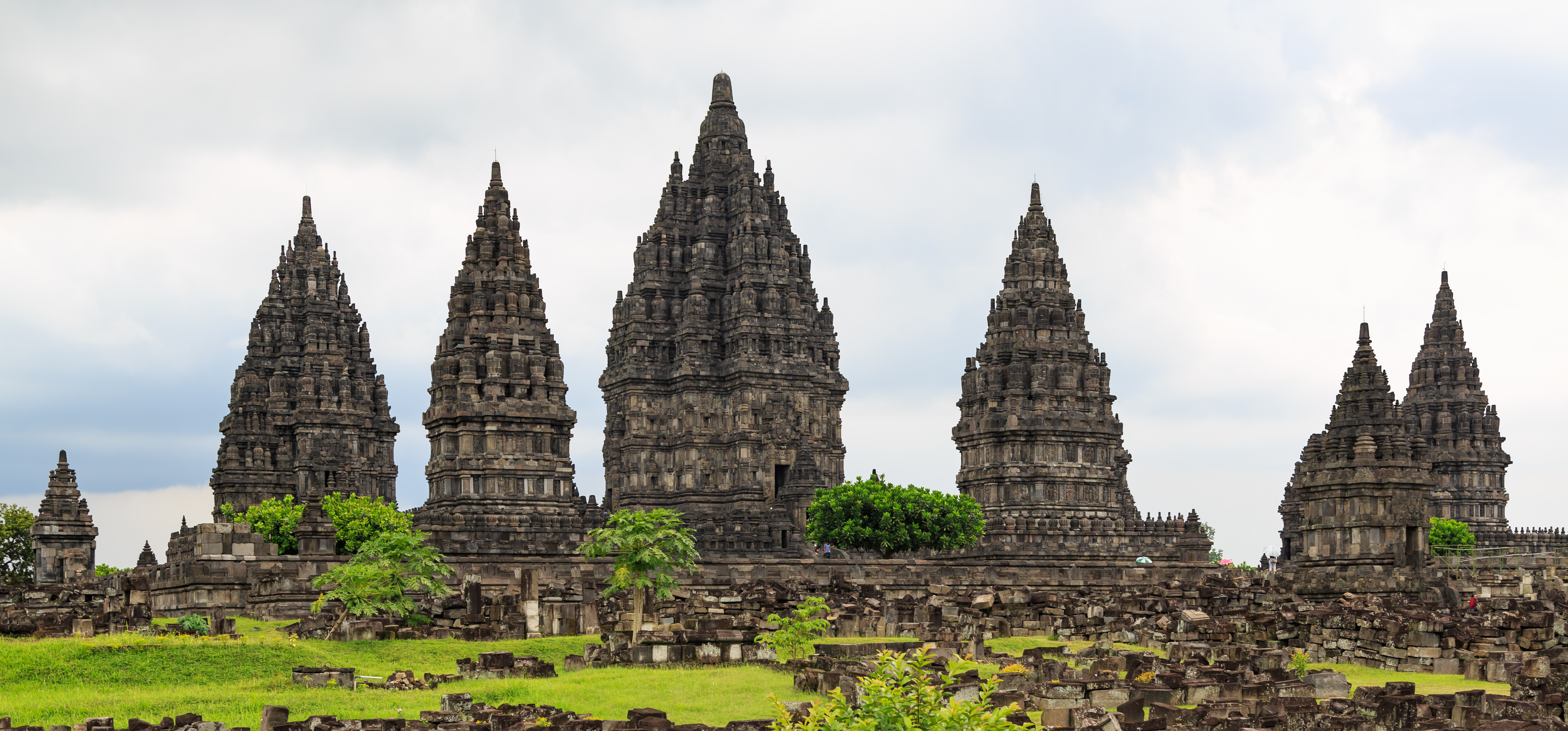
Prambanan
Prambanan is Indonesia's largest Hindu temple complex, built in the 9th century and dedicated to the Trimurti with the central shrine honoring Shiva. Now a UNESCO World Heritage…
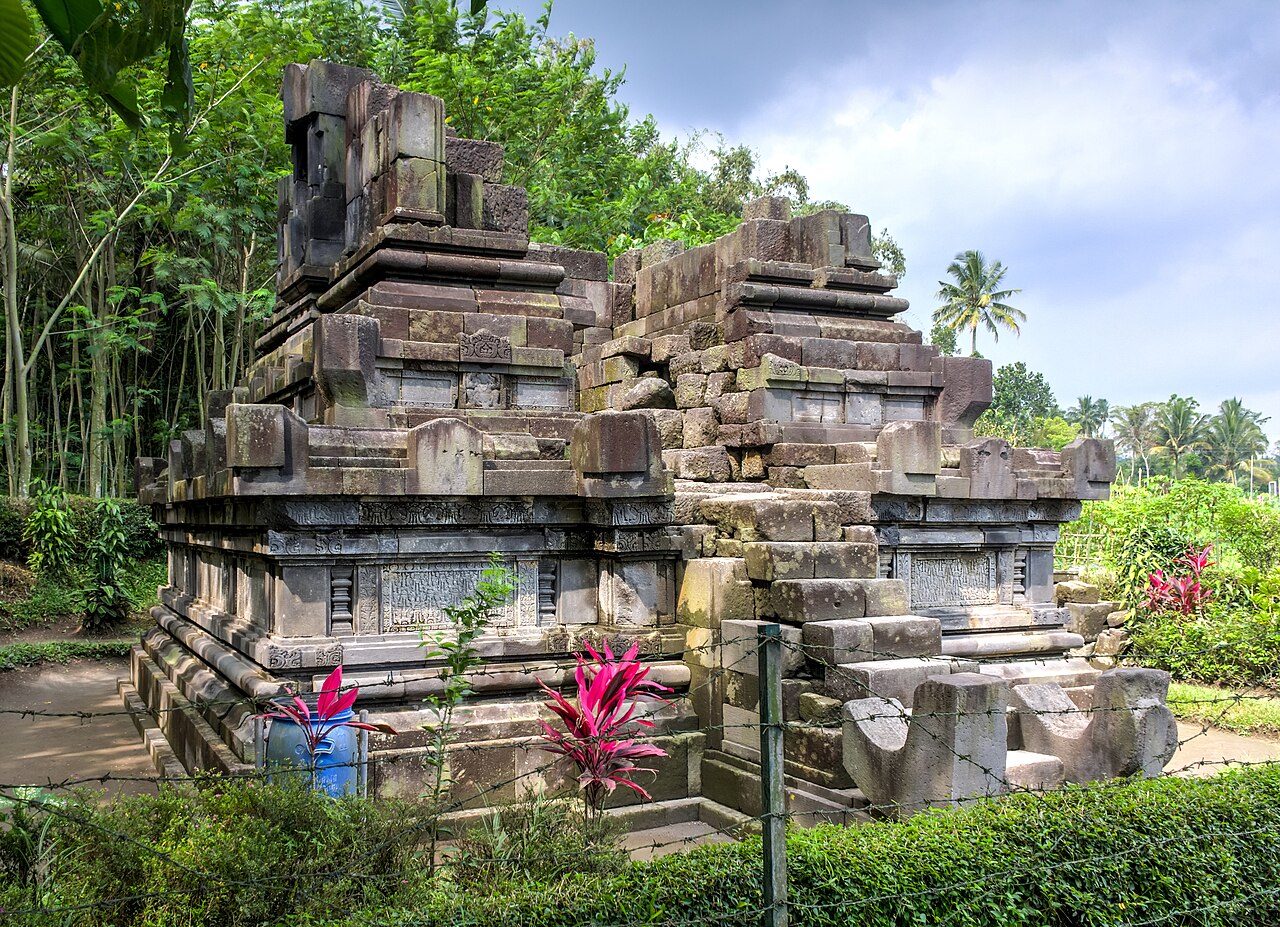
Candi Asu
Candi Asu is an 8th–9th century Hindu temple forming part of the Sengi complex in Magelang Regency, Central Java, nestled between Mount Merapi and Mount Merbabu volcanoes.
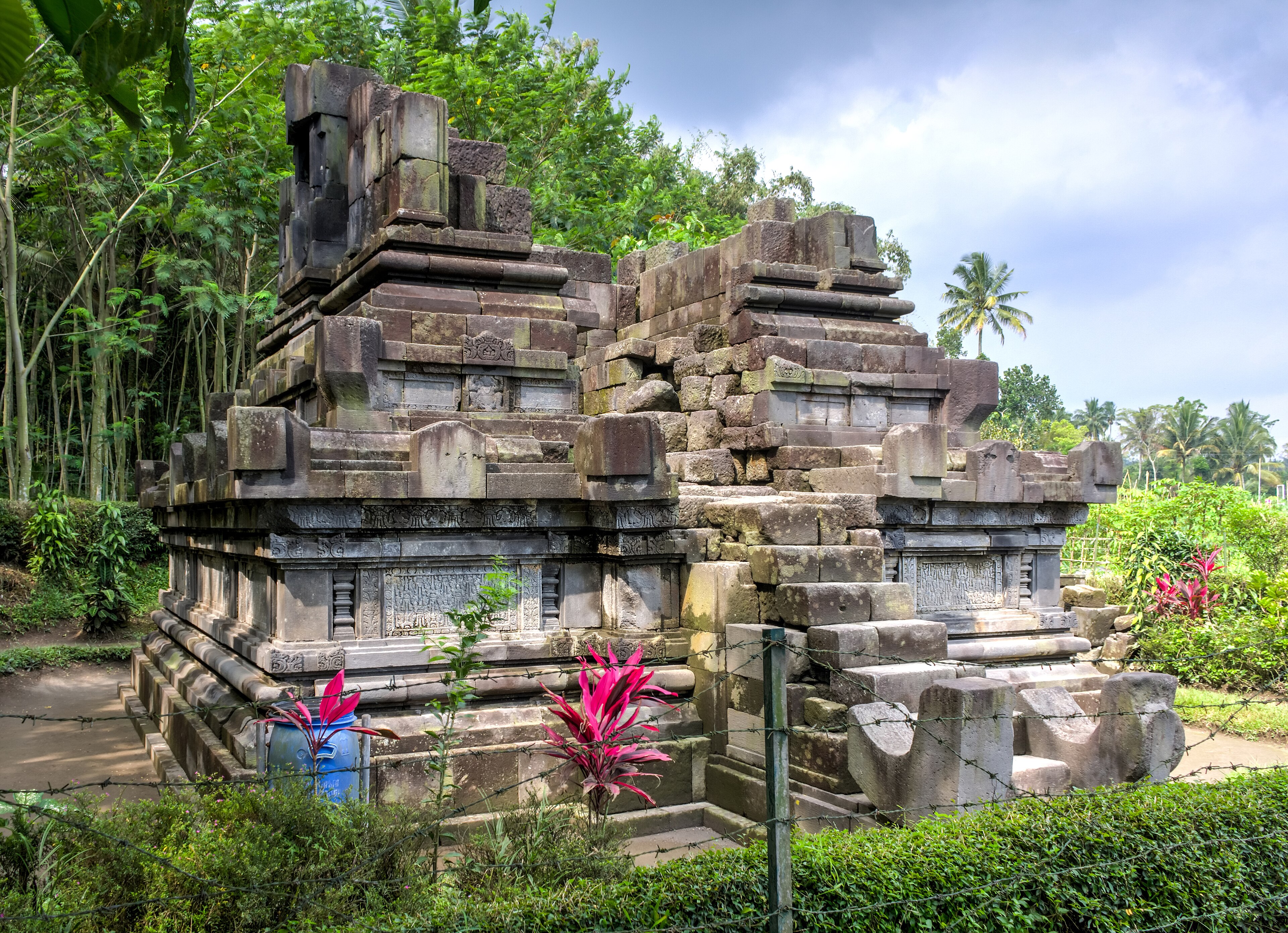
Asu Temple
Asu Temple is an 8th-9th century Hindu temple forming part of the Sengi complex in Magelang Regency, Central Java, nestled between Mount Merapi and Mount Merbabu volcanoes.