Ijo Temple
About Ijo Temple
Ijo Temple is situated approximately 18 kilometers east of Yogyakarta city, positioned about 4 kilometers from Ratu Boko. The temple's coordinates place it at -7.78388889, 110.51222222. Visitors traveling from Yogyakarta should plan for a journey of roughly 18 kilometers, which can be undertaken by private vehicle, hired transport, or organized tour services. The temple's distance from the city center means that most visitors will require transportation; local guides and tourism operators in Yogyakarta can assist with arrangements.
The approach to the temple takes visitors through the landscape east of Yogyakarta, an area dotted with other archaeological sites from the classical period. The journey itself offers perspective on the distribution of sacred architecture across the region during the Mataram kingdom era.
Architecture and Structure
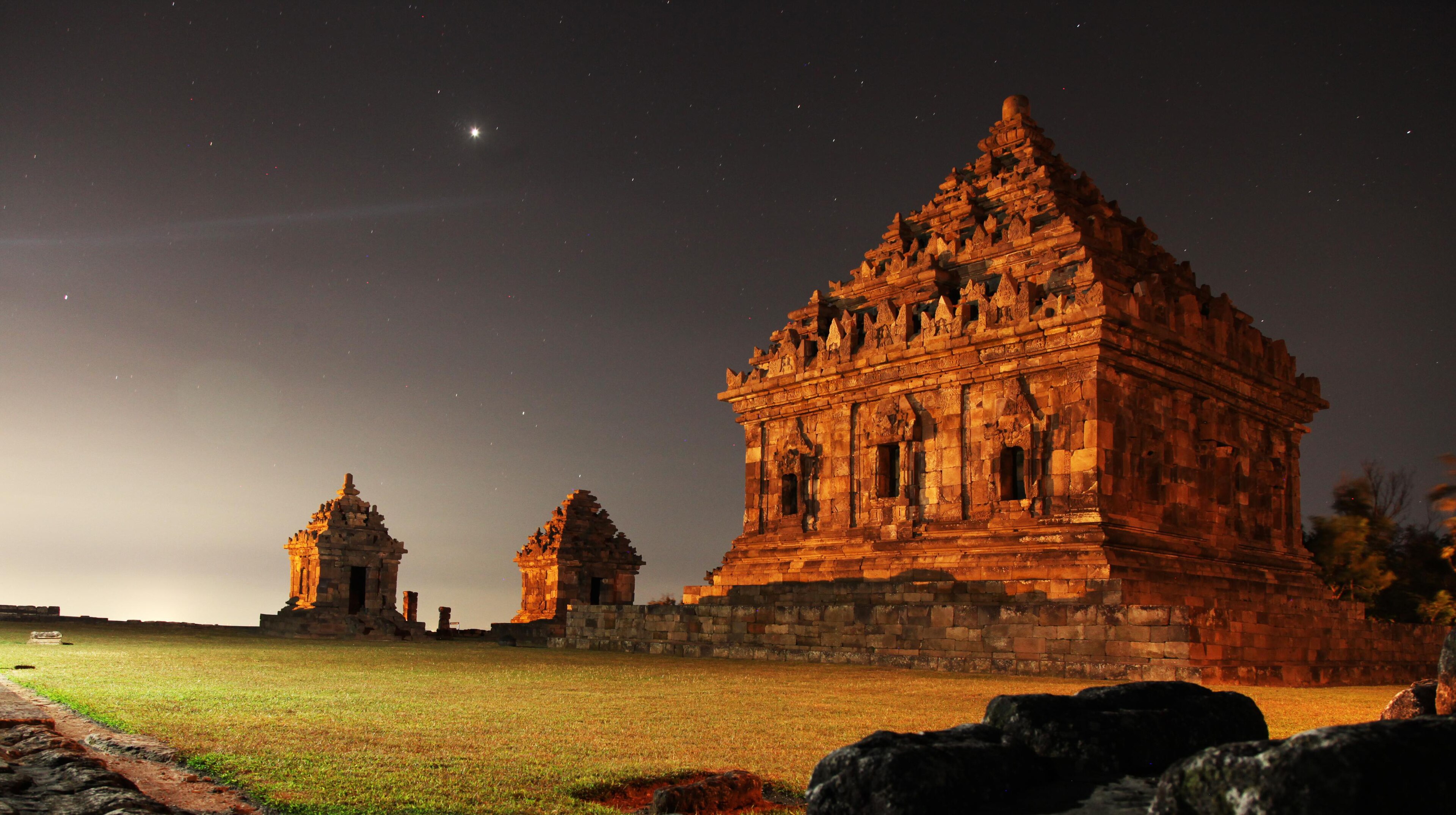
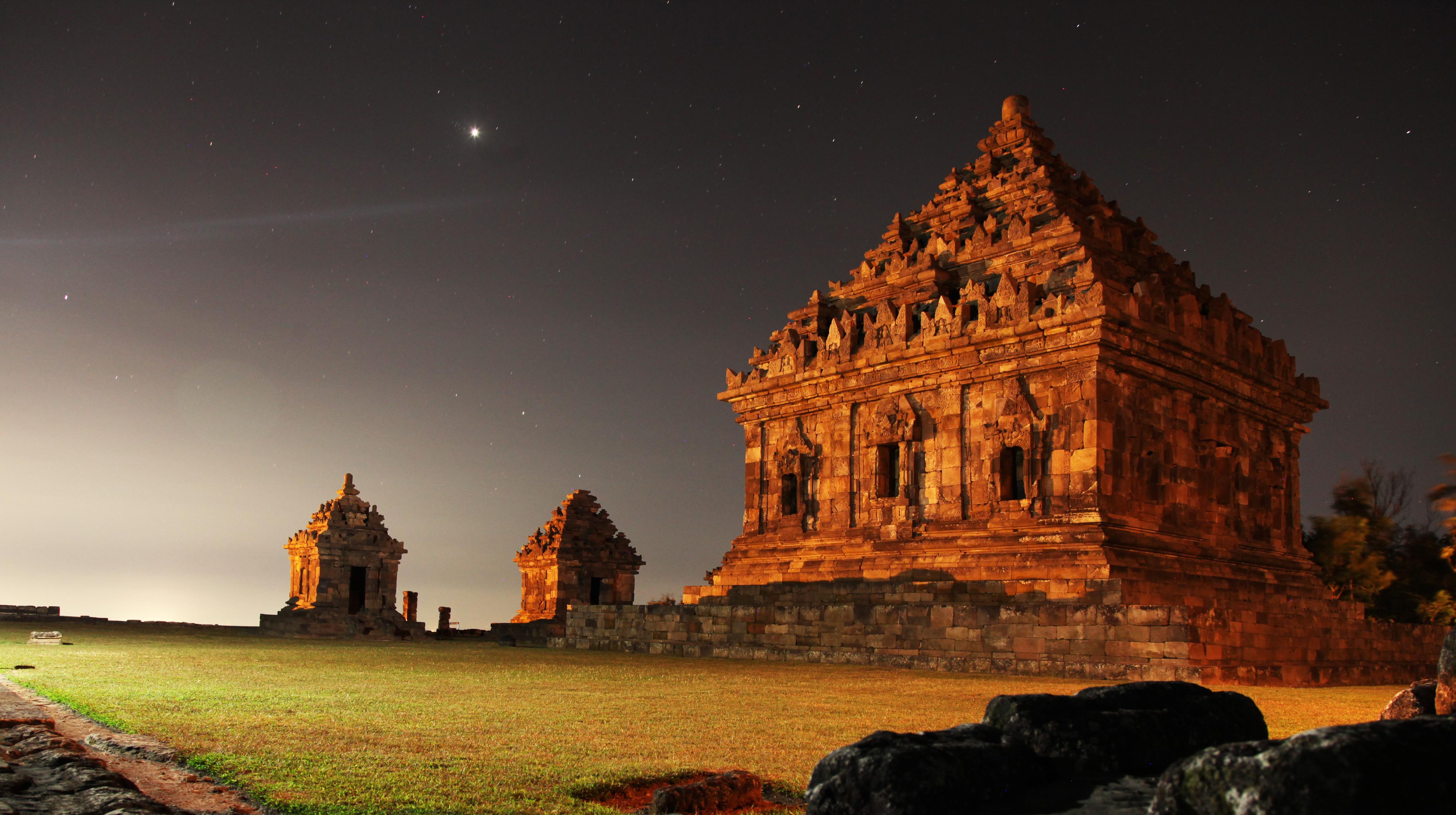
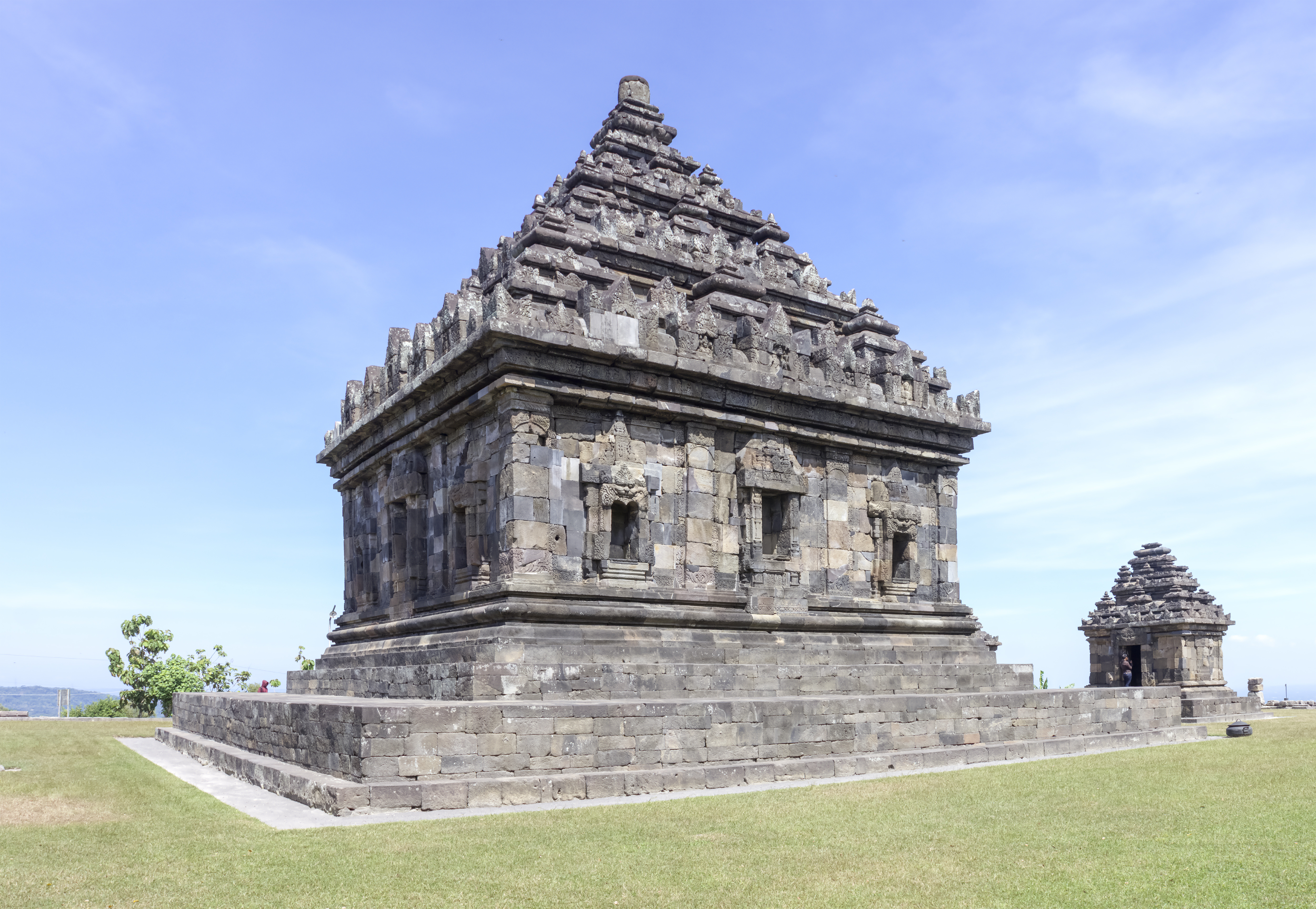
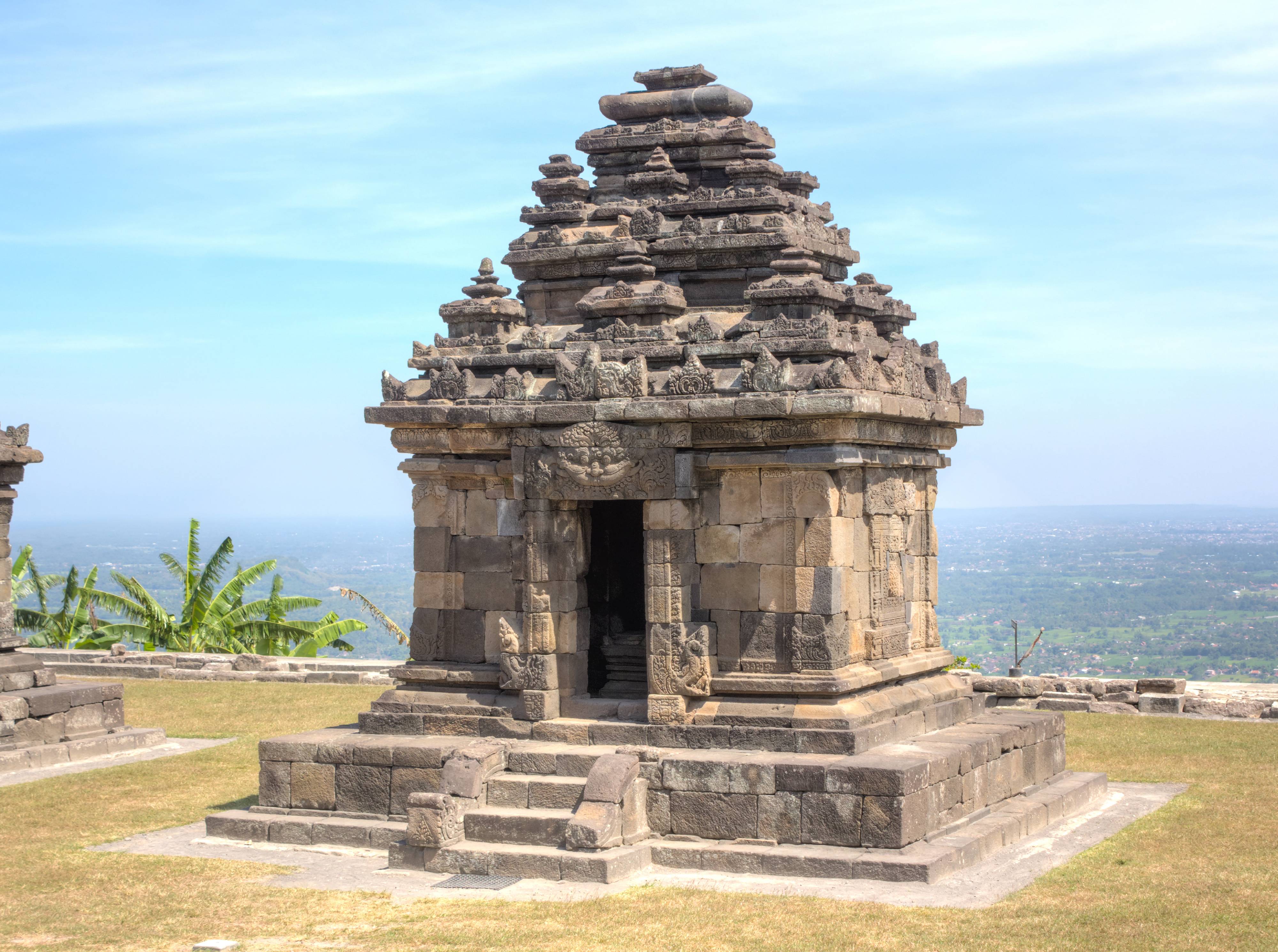
As a candi—the Indonesian term for a Hindu or Buddhist temple structure—Ijo Temple embodies the architectural conventions of its period. The temple was constructed during a time when stone carving and temple building represented major expressions of royal and religious patronage. The specific architectural details and sculptural programs of Ijo Temple reflect the aesthetic and religious priorities of 10th-11th century Mataram society.
The temple's physical form, like other candis of its era, would have served both as a place of worship and as a permanent record in stone of the religious commitments of its builders. The durability of its construction has allowed the structure to communicate across centuries to contemporary visitors.
Visiting the Temple
Visitors to Ijo Temple should be prepared for a site that reflects its age and archaeological significance. As a historical monument from the medieval period, the temple requires respectful approach and careful movement, particularly on any uneven stone surfaces. Modest dress is appropriate when visiting Hindu temples; loose-fitting clothing that covers shoulders and knees aligns with traditional practice at such sites.
The temple's location in the countryside east of Yogyakarta means visitors should bring adequate water and sun protection. The site's distance from the city center makes it advisable to plan visits during daylight hours and to allow sufficient time for the journey. Local guides familiar with the temple's history and the broader archaeological context of the region can significantly enhance a visit.
The Mataram Kingdom Context
Ijo Temple's construction during the Mataram kingdom period places it within a significant chapter of Indonesian history. The Mataram rulers of this era were major patrons of religious architecture, commissioning temples and other structures that reflected their devotion and their power. The 10th and 11th centuries represented a flourishing period for such construction across Java.
Understanding Ijo Temple requires some awareness of this broader historical context. The temple was not built in isolation but as part of a landscape of sacred sites that together expressed the religious identity of the kingdom. Other temples and archaeological sites in the Yogyakarta region from the same period provide comparative perspective on the architectural and devotional practices of the era.
Planning Your Visit
Travelers interested in visiting Ijo Temple should coordinate their trip through Yogyakarta, which offers accommodation, transportation services, and access to local guides. The temple's location makes it suitable for inclusion in a broader itinerary of archaeological sites in the region. Many visitors combine a visit to Ijo Temple with time spent at other classical-period sites in the Yogyakarta area.
Before traveling, visitors may wish to consult with local tourism offices or guides in Yogyakarta regarding current conditions at the site, any seasonal considerations, and the best routes for access. The temple's significance as a historical monument means that its preservation and visitor access may be subject to archaeological or conservation considerations.
How to reach
Temples near Ijo Temple
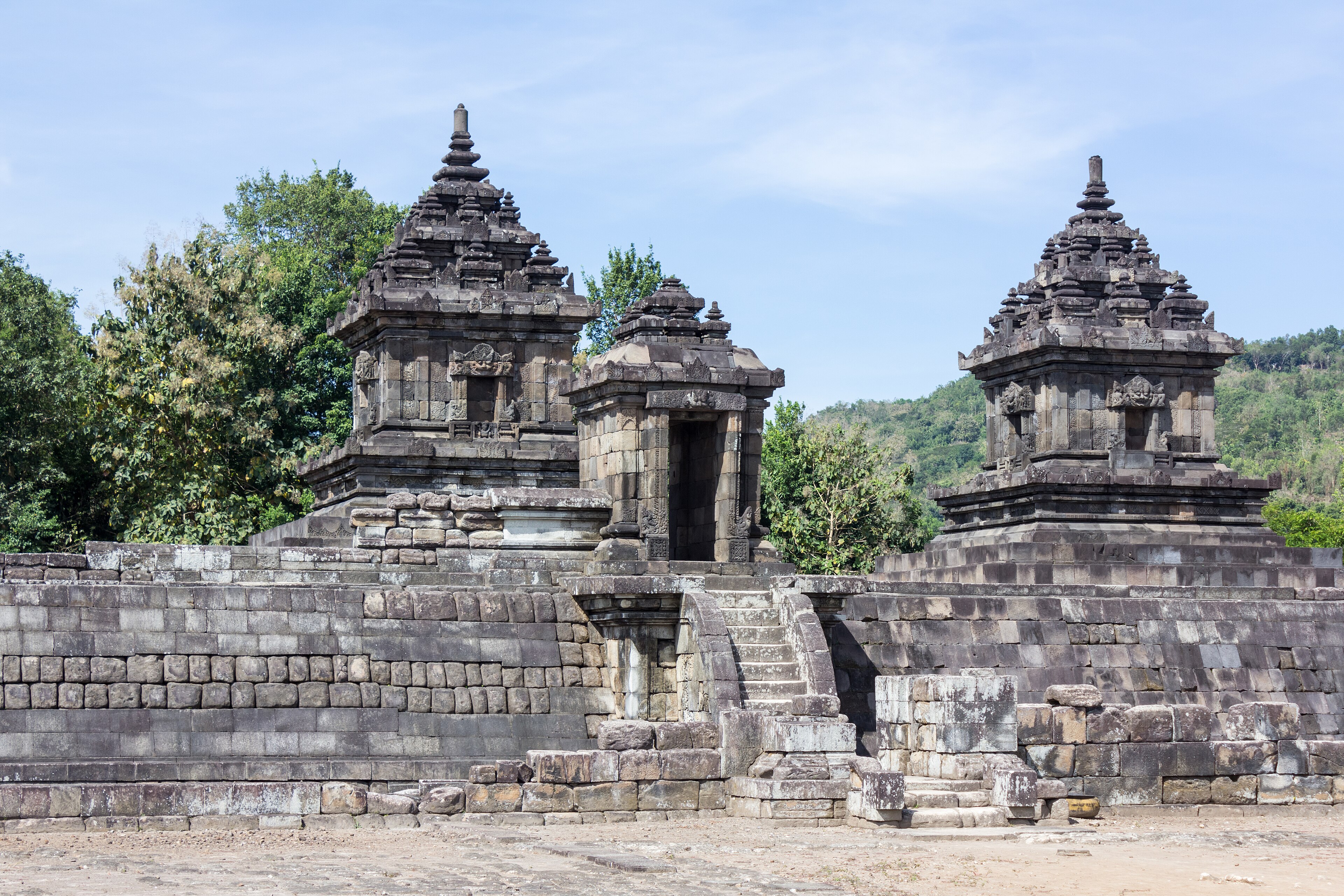
Barong Temple
Barong Temple is a 9th-century Hindu candi located near Ratu Boko in Yogyakarta, Indonesia, named for the distinctive barong-like kala head carvings adorning its temple niches.
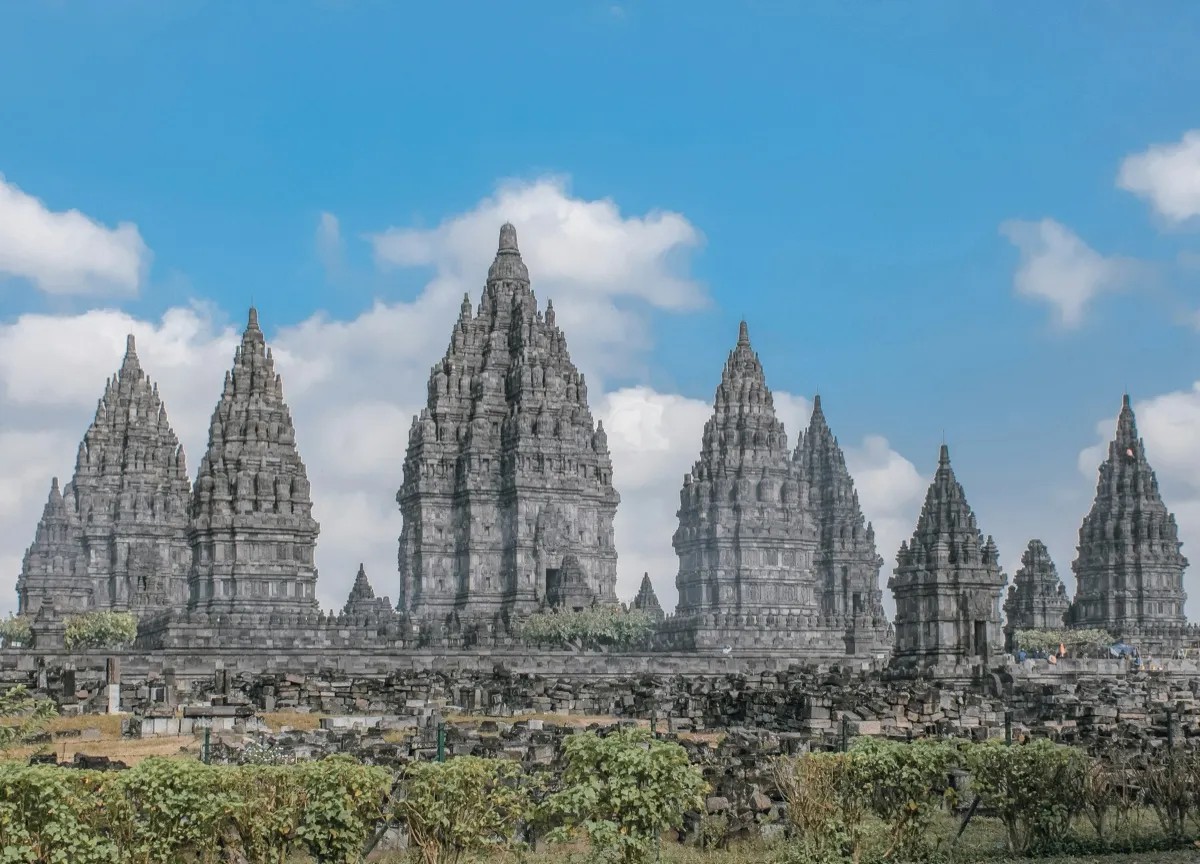
Prambanan Temple Compounds
Prambanan Temple Compounds is Indonesia's largest Hindu temple complex, a UNESCO World Heritage site comprising four temple compounds on the Yogyakarta–Central Java border. Dedi…
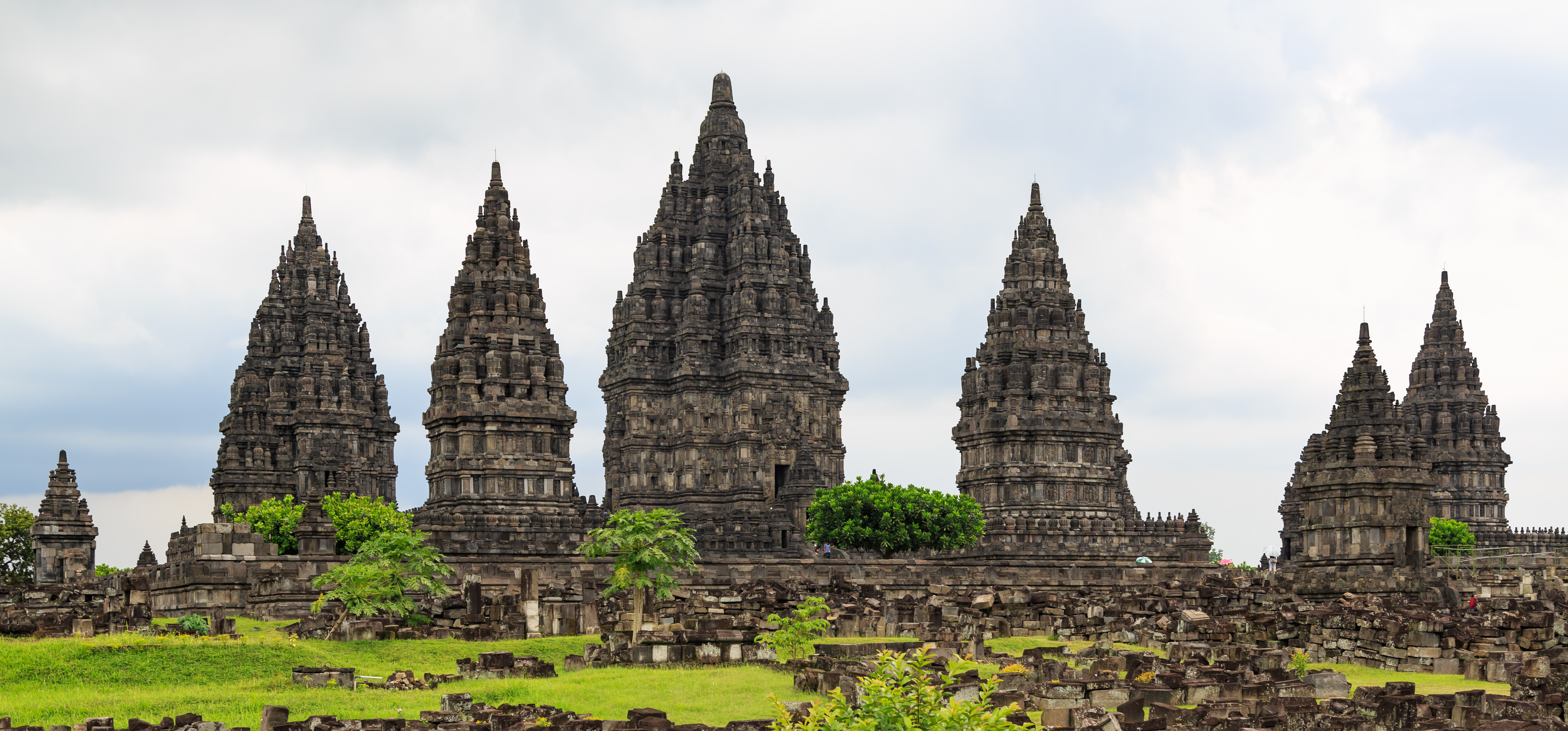
Prambanan
Prambanan is Indonesia's largest Hindu temple complex, built in the 9th century and dedicated to the Trimurti with the central shrine honoring Shiva. Now a UNESCO World Heritage…
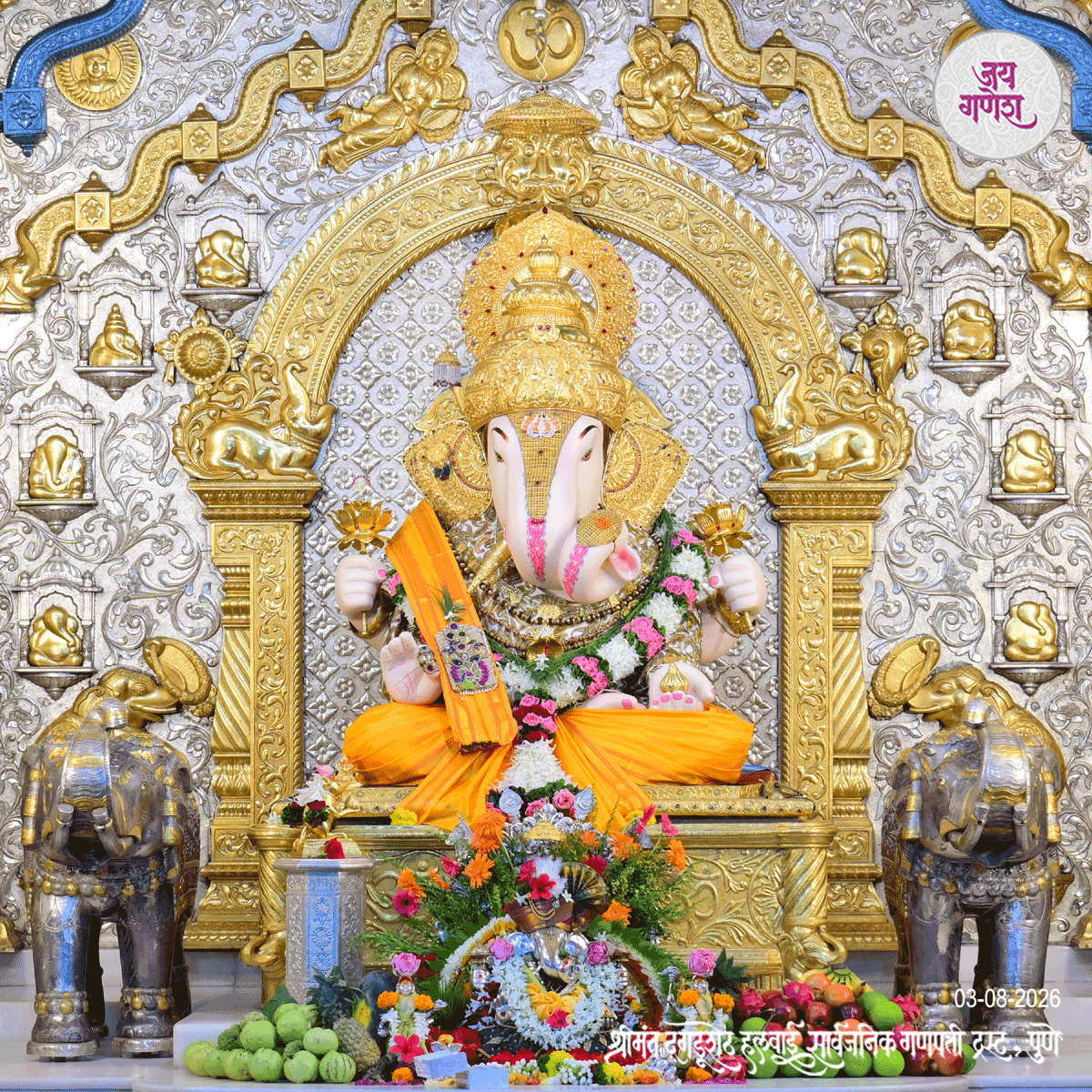
Pura Santiloka
Shrimant Dagdusheth Halwai Ganpati Temple in Pune is one of India's most revered shrines dedicated to Lord Ganesha, established by a devotee family and now an active center for…
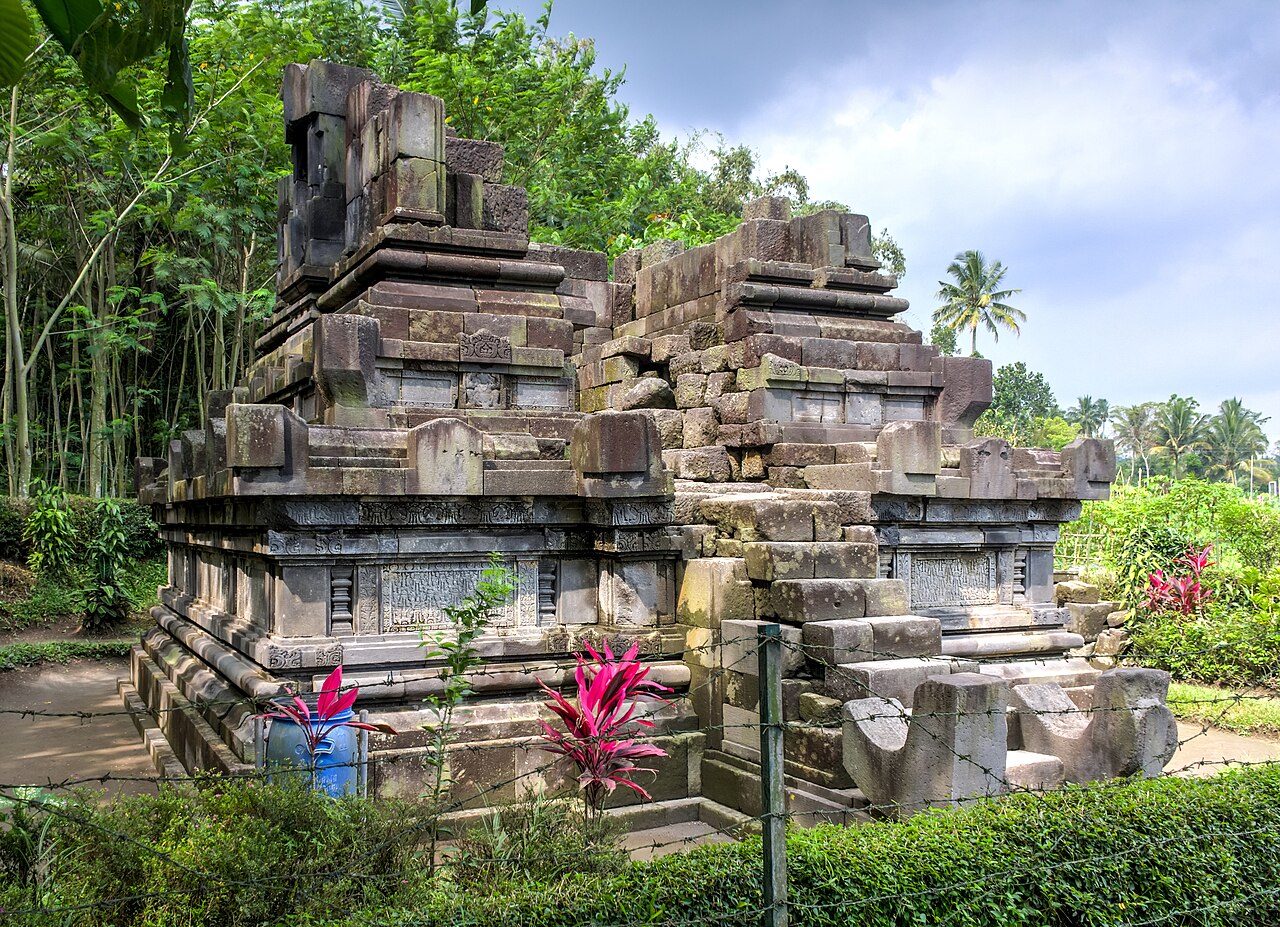
Candi Asu
Candi Asu is an 8th–9th century Hindu temple forming part of the Sengi complex in Magelang Regency, Central Java, nestled between Mount Merapi and Mount Merbabu volcanoes.
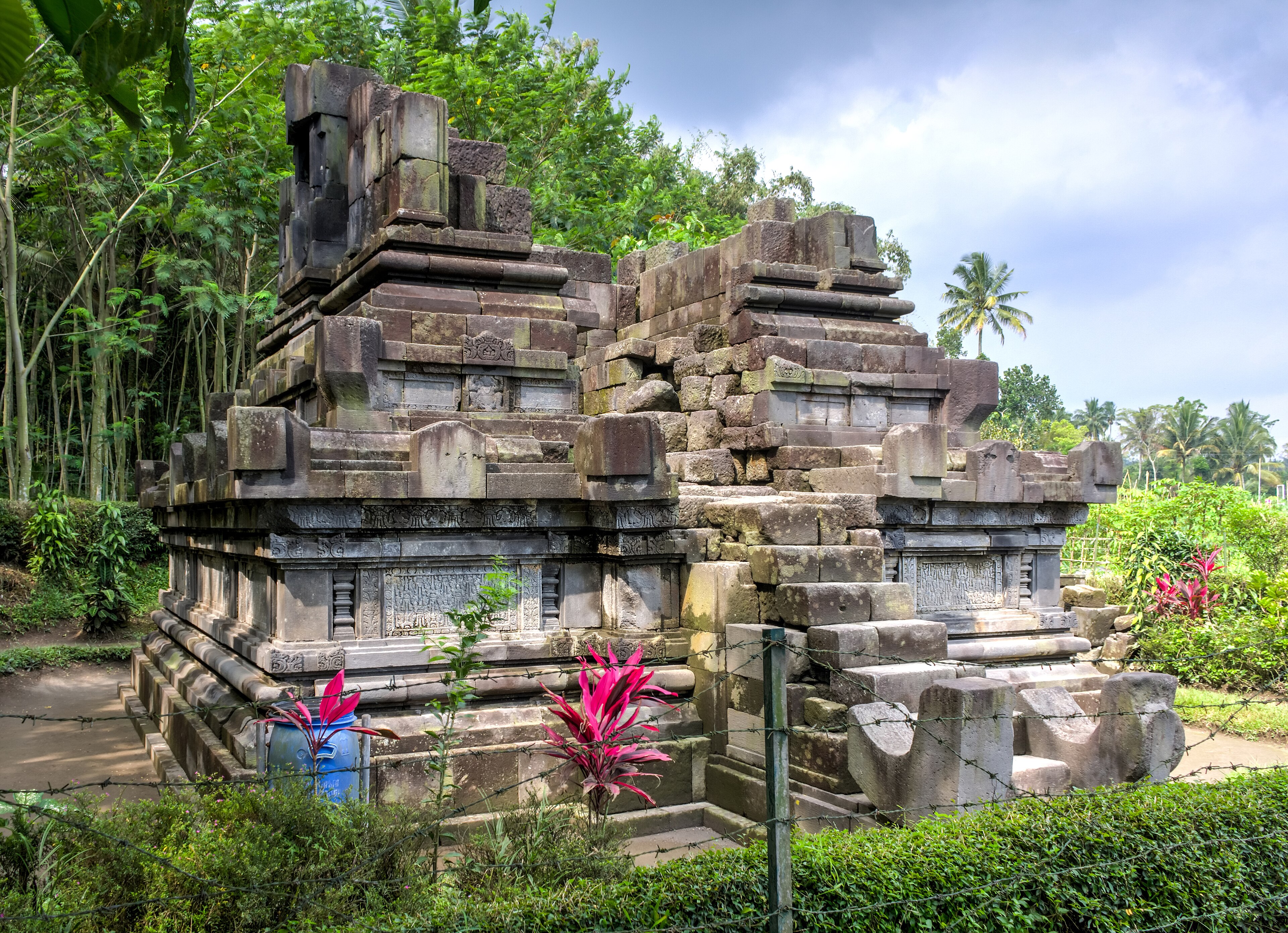
Asu Temple
Asu Temple is an 8th-9th century Hindu temple forming part of the Sengi complex in Magelang Regency, Central Java, nestled between Mount Merapi and Mount Merbabu volcanoes.