Nachna-Kuthara
About Nachna-Kuthara
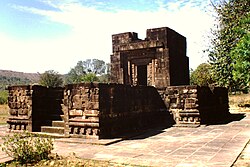
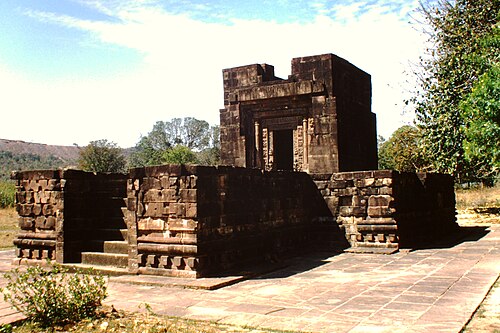
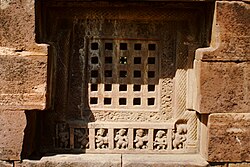
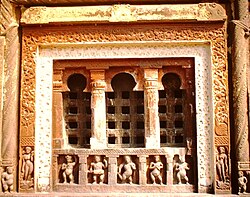
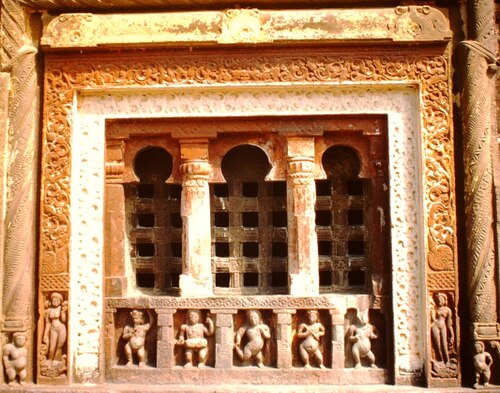
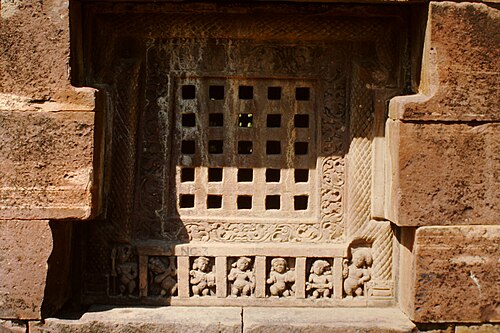
The Parvati Temple, the older of the two main structures, dates to the 5th or 6th century and exemplifies early Nagara architecture. The temple features a sanctum entrance with carved door reliefs that demonstrate the sculptural sophistication of its era. A notable architectural element is the perforated stone window, which allowed light to enter the inner sanctum while maintaining the sacred enclosure. These design features reflect both practical and spiritual considerations in temple planning.
The temple's construction in stone rather than wood marks a significant transition in Indian religious architecture, suggesting both the resources available to its patrons and the desire to create a permanent sacred structure.
The Chaumukhnath Temple
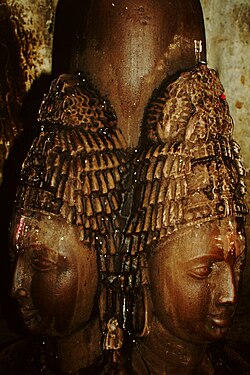
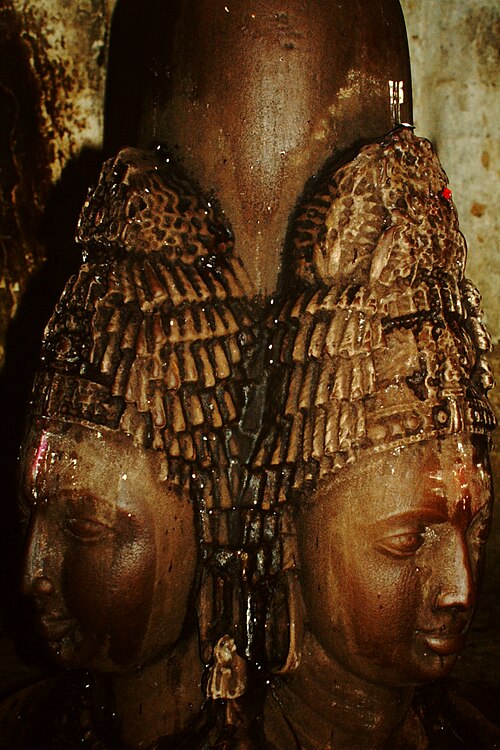
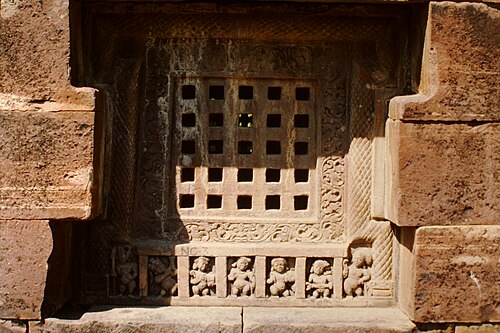
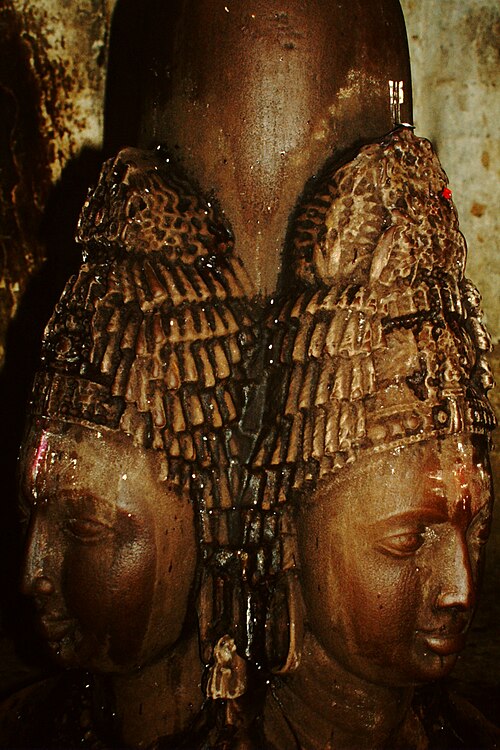
Dating to the 9th century, the Chaumukhnath Temple represents a later phase of construction at the site. The temple's name refers to its four-faced character, a design choice that shaped its architectural expression. A distinctive feature is the stone trellis window, which demonstrates the refined stoneworking techniques available to builders of this period. The temple also houses a lingam, the symbolic representation of Shiva worshipped in temples dedicated to this deity.
The Chaumukhnath Temple's construction several centuries after the Parvati Temple shows that Nachna-Kuthara remained an active religious site across multiple periods, with successive generations adding to its sacred landscape.
Deities and Worship
The temples at Nachna-Kuthara are associated with multiple deities including Shiva, Parvati, Durga, and Vishnu. This multiplicity reflects the inclusive nature of Hindu worship, where different aspects of the divine are honored within a single sacred precinct. The presence of a lingam in the Chaumukhnath Temple indicates Shiva worship, while the Parvati Temple's dedication reflects veneration of the goddess consort.
Temples of this tradition typically maintain regular worship practices, though specific details about current daily rituals at Nachna-Kuthara are not documented in available sources. Visitors should inquire locally about worship timings and any restrictions on entry to inner sanctums.
Visiting the Temple
Nachna-Kuthara is located in Panna District, Madhya Pradesh, in central India. The site sits at an elevation of 225 meters. Visitors should dress modestly when entering the temple premises, as is customary at Hindu sacred sites. Footwear is typically removed before entering inner temple spaces.
As these are ancient structures of archaeological significance, visitors should move carefully and respectfully through the site. The temples' age means that some areas may have uneven surfaces or require careful navigation. Information about current facilities, guided tours, or specific visiting hours should be confirmed locally before travel, as these details are not specified in available sources.
Getting There
The temples are situated in Panna District in Madhya Pradesh. Visitors traveling to the site should plan their journey to the Ganj area of Panna District. The nearest major city and transportation hub should be confirmed through current travel resources, as specific transit details are not provided in available sources. Local inquiry upon arrival in Panna District will help direct visitors to the temple site.
How to reach


Temples near Nachna-Kuthara
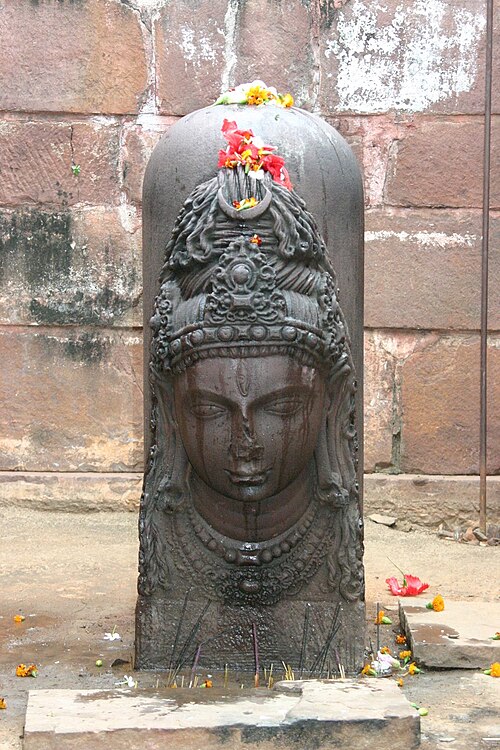
Bhumara Temple
Bhumara Temple is a 5th or 6th-century Gupta-era stone temple dedicated to Shiva near Satna, Madhya Pradesh, notable for its early enclosed pradakshina-patha and intricate sculp…
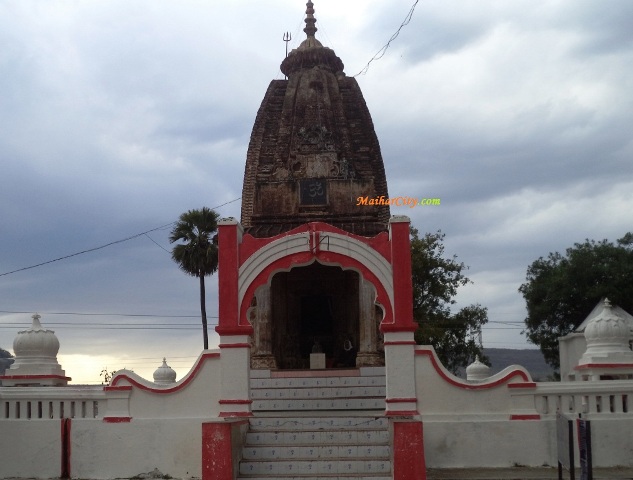
Maa Sharda Mandir, Maihar
Maa Sharda Mandir, perched atop Trikut Hill in Maihar, is a revered Shakti Peetha dedicated to Goddess Sharda, believed to be an incarnation of Saraswati and worshipped for wisd…
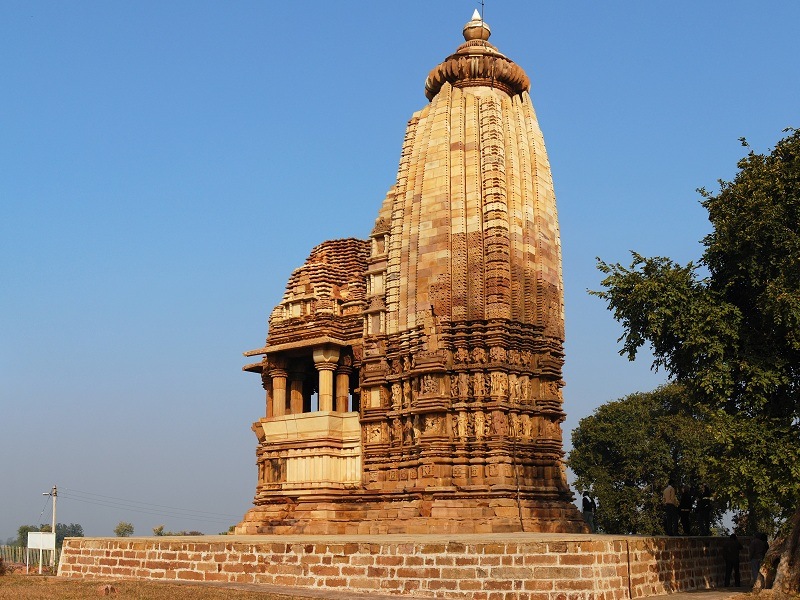
Chaturbhuj Temple, Khajuraho
Chaturbhuj Temple in Khajuraho is a 12th-century Vishnu shrine built by the Chandela dynasty, featuring a four-armed idol of Rama and distinctive multi-storied architecture blen…
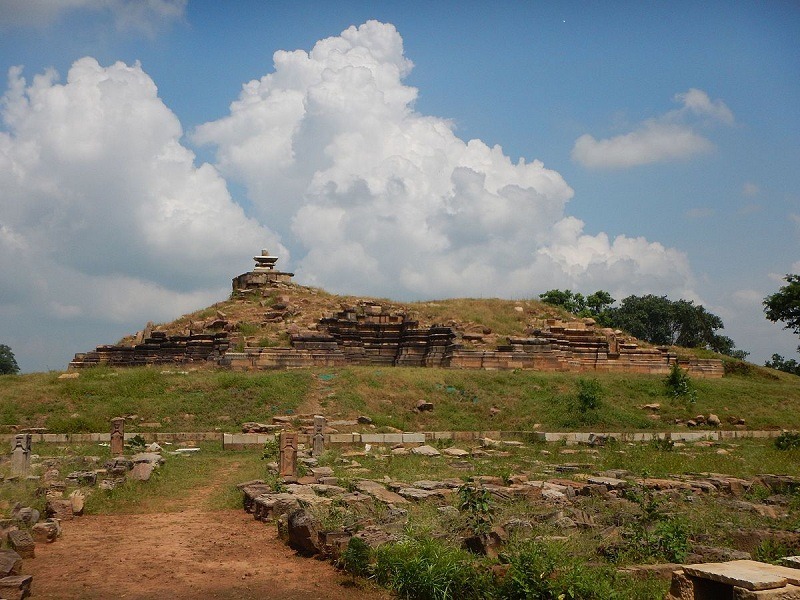
Beejamandal, Khajuraho
Beejamandal is a partially excavated ruined temple in Khajuraho's Southern Group, believed to potentially be the largest shrine in the complex once fully explored, dedicated to…
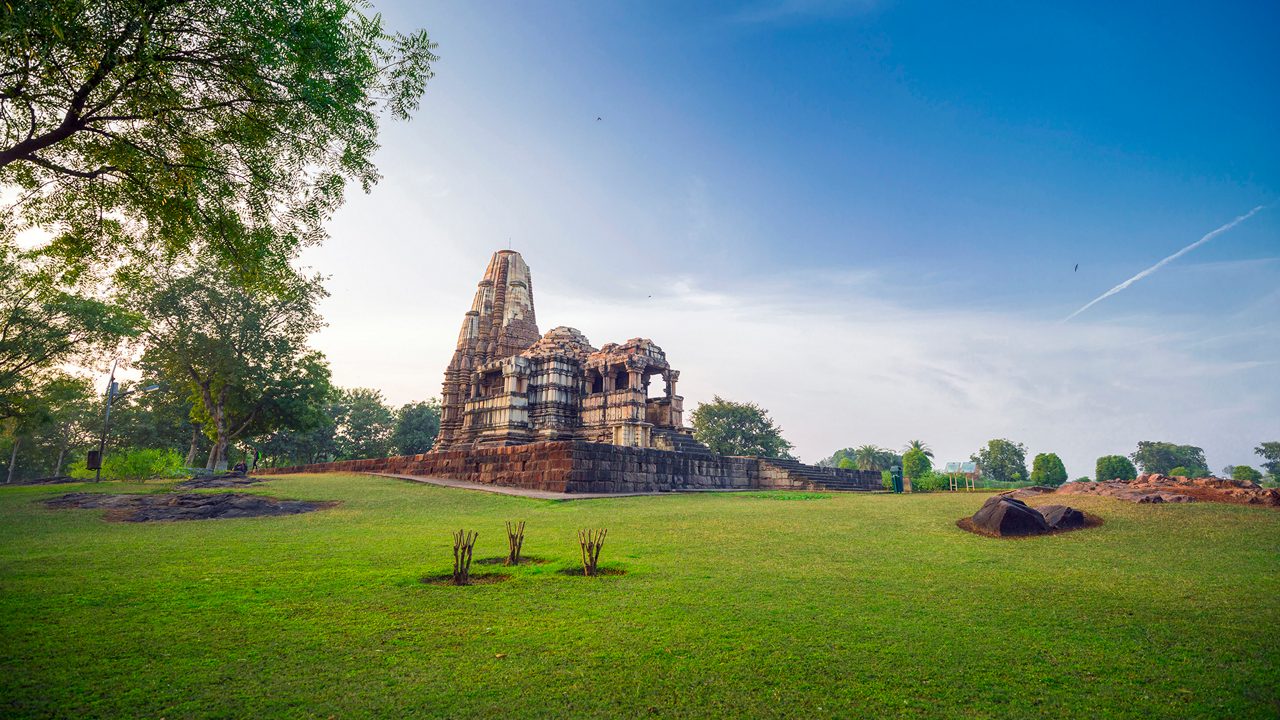
Duladeo Temple
Duladeo Temple in Khajuraho is a medieval Hindu shrine dedicated to Lord Shiva, renowned for its intricate stone carvings depicting celestial dancers and daily life from the Cha…
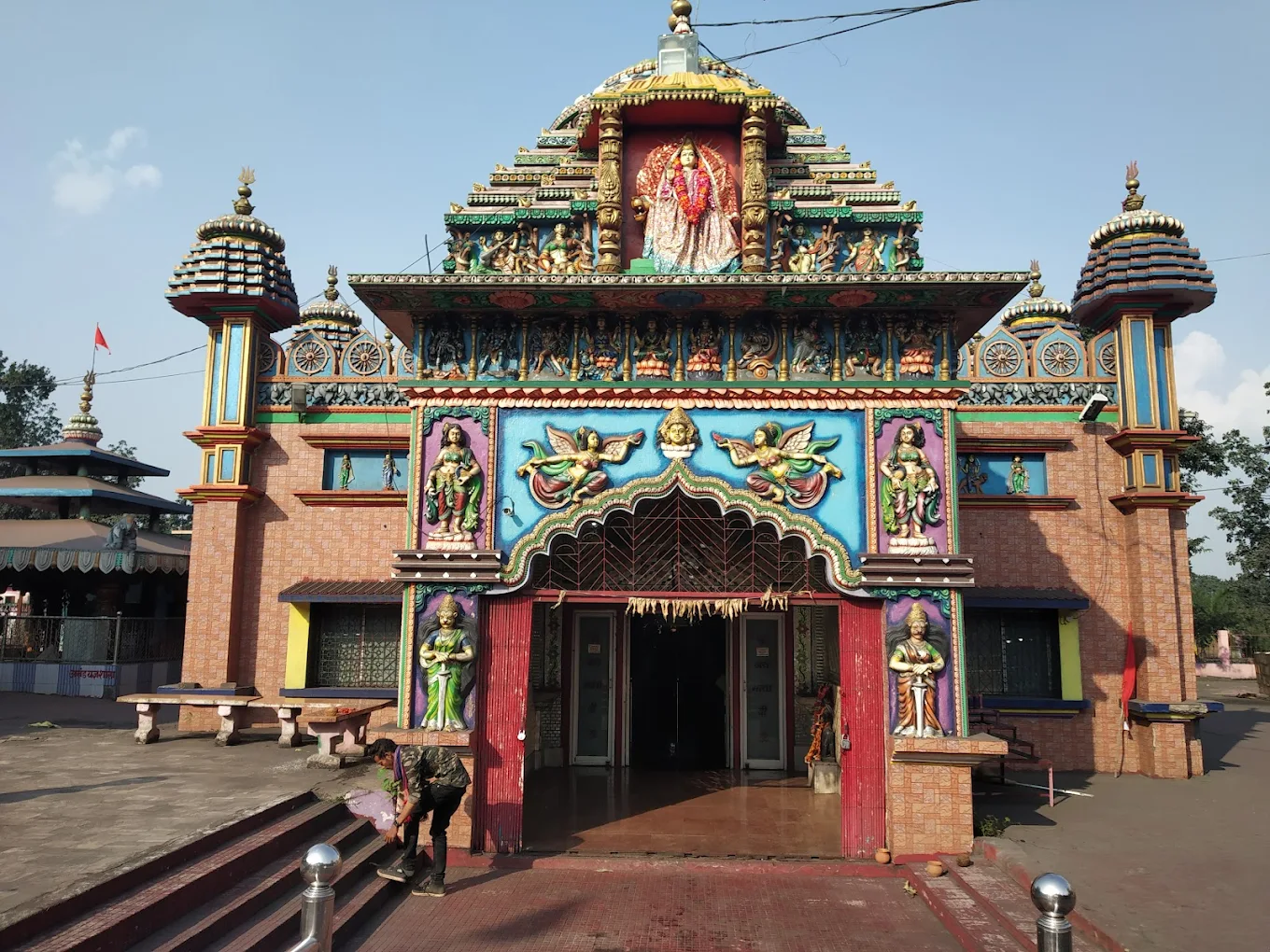
Sun temple, Banjari Tikari
Banjari Mata Mandir in Raipur, Chhattisgarh is a revered Hindu temple dedicated to Goddess Durga, serving as a spiritual center for devotees across the region.