Bhumara Temple
About Bhumara Temple
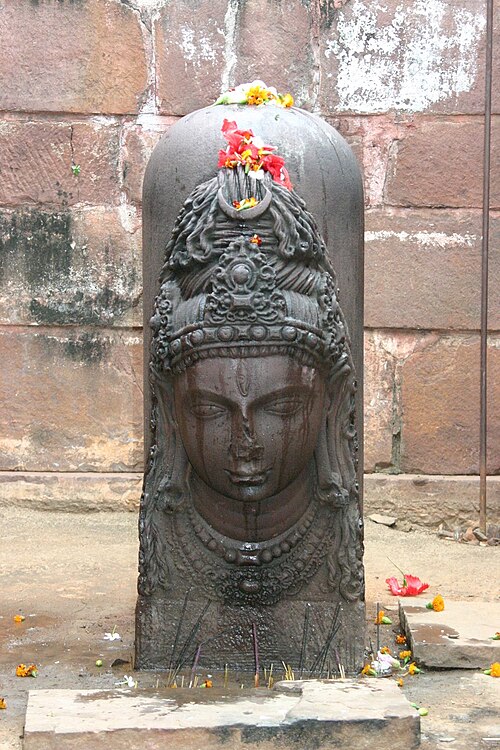
The temple follows a straightforward geometric plan, with a square sanctum at its core and a mandapa (pillared hall) providing a transitional space for worship. Much of the original structure has deteriorated over the centuries, yet sufficient stonework and carved elements have endured to allow visitors and scholars to understand the temple's original form and appreciate the quality of Gupta-era craftsmanship.
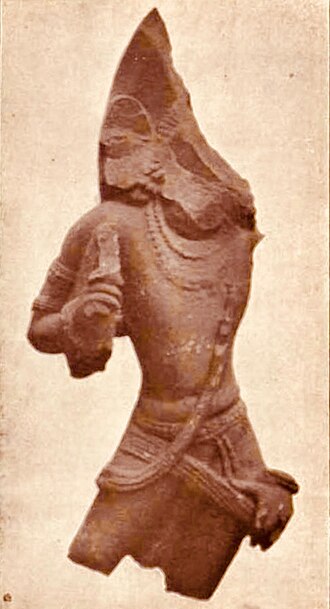
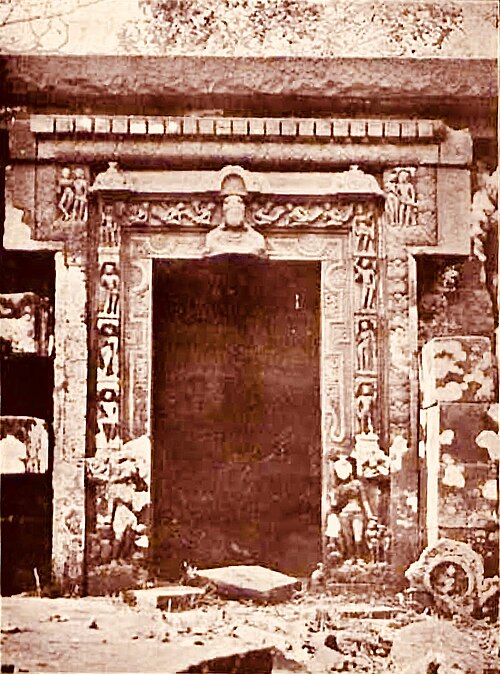
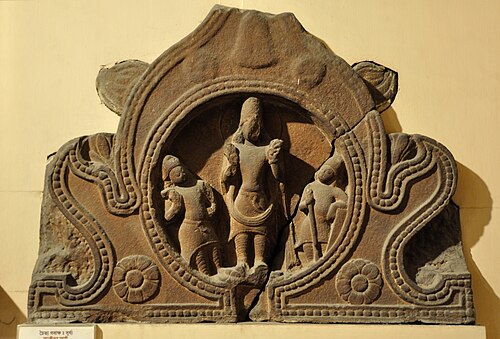
The entrance to the sanctum displays the decorative conventions typical of early Gupta temples, with carved figures of Ganga and Yamuna—the personified river goddesses—flanking the doorway. These sculptures, along with other intricately carved stone elements throughout the site, represent irreplaceable historical artifacts. The carved details reward careful observation, as they illustrate both the religious symbolism and the technical skill of artisans working in stone during this formative period of Indian temple architecture.
Visiting the Archaeological Site
Bhumara functions today as an open archaeological site rather than an active temple with regular rituals and priestly services. Visitors should approach the ruins with the understanding that substantial portions of the original structure have deteriorated, and that the site's primary value now lies in its historical and architectural significance.
The temple is located in Bhumra village near Satna, accessible by road from the town. The precise coordinates (24.4285, 80.64116) can assist with navigation. No formal visiting hours, entry fees, or on-site facilities such as rest areas or refreshment stands have been recorded. Before traveling to the site, it is advisable to make local inquiries in Satna to confirm current access conditions and any practical details about reaching the temple.
Respectful Conduct at the Site
Although Bhumara is primarily of archaeological interest, it remains a Hindu temple site and warrants respectful behavior. Modest dress that covers shoulders and knees is appropriate when visiting. Visitors should move carefully through the ruins, as the surviving carved stones are fragile and irreplaceable. Photography and close examination of the sculptural details are valuable ways to engage with the site, but should be undertaken with awareness of the temple's sacred character and historical fragility.
Visitors benefit from allowing adequate time to observe how the surviving architectural elements relate to one another. Understanding the temple's original design requires careful attention to the layout of the sanctum, mandapa, and the traces of the pradakshina-patha. Such observation transforms a visit from a brief stop into a meaningful encounter with Gupta-era craftsmanship and religious architecture.
Reaching Bhumara
The temple is situated near Satna, a town in Madhya Pradesh with road connections to surrounding regions. Satna itself serves as the practical base for reaching Bhumara Temple. Visitors traveling from other parts of India should plan their journey to Satna first, then make local arrangements to reach Bhumra village. Local inquiry in Satna will provide the most current information about road conditions, transportation options, and any seasonal factors that might affect access to the site.
How to reach
Temples near Bhumara Temple
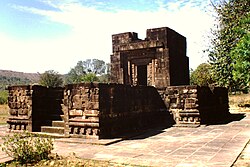
Nachna-Kuthara
Nachna-Kuthara comprises a complex of early stone Hindu temples in Panna district, Madhya Pradesh, representing some of central India's oldest surviving temple structures from t…
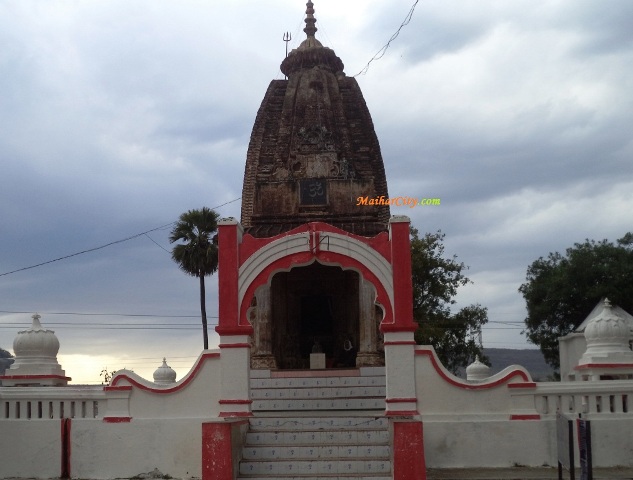
Maa Sharda Mandir, Maihar
Maa Sharda Mandir, perched atop Trikut Hill in Maihar, is a revered Shakti Peetha dedicated to Goddess Sharda, believed to be an incarnation of Saraswati and worshipped for wisd…
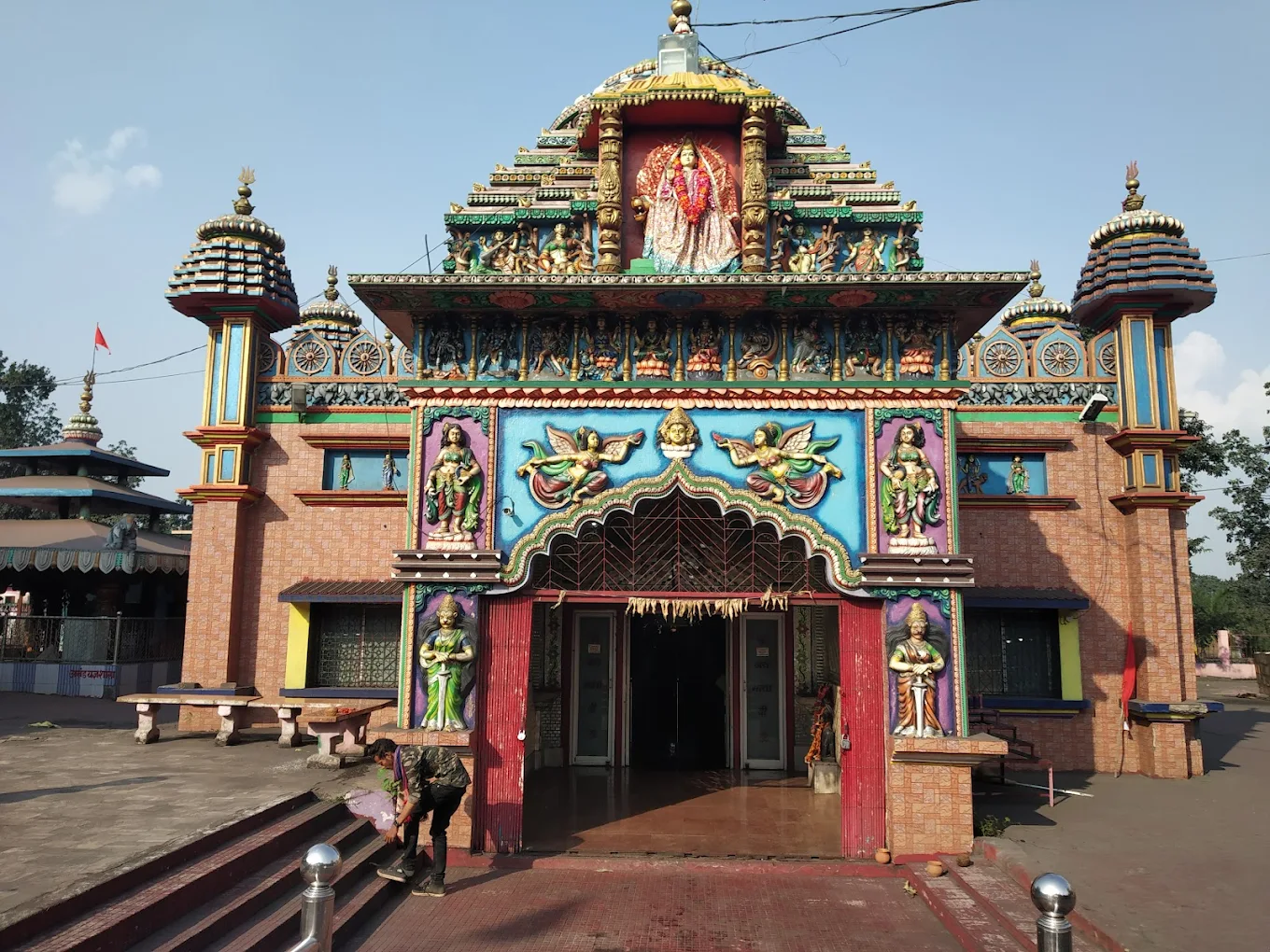
Sun temple, Banjari Tikari
Banjari Mata Mandir in Raipur, Chhattisgarh is a revered Hindu temple dedicated to Goddess Durga, serving as a spiritual center for devotees across the region.
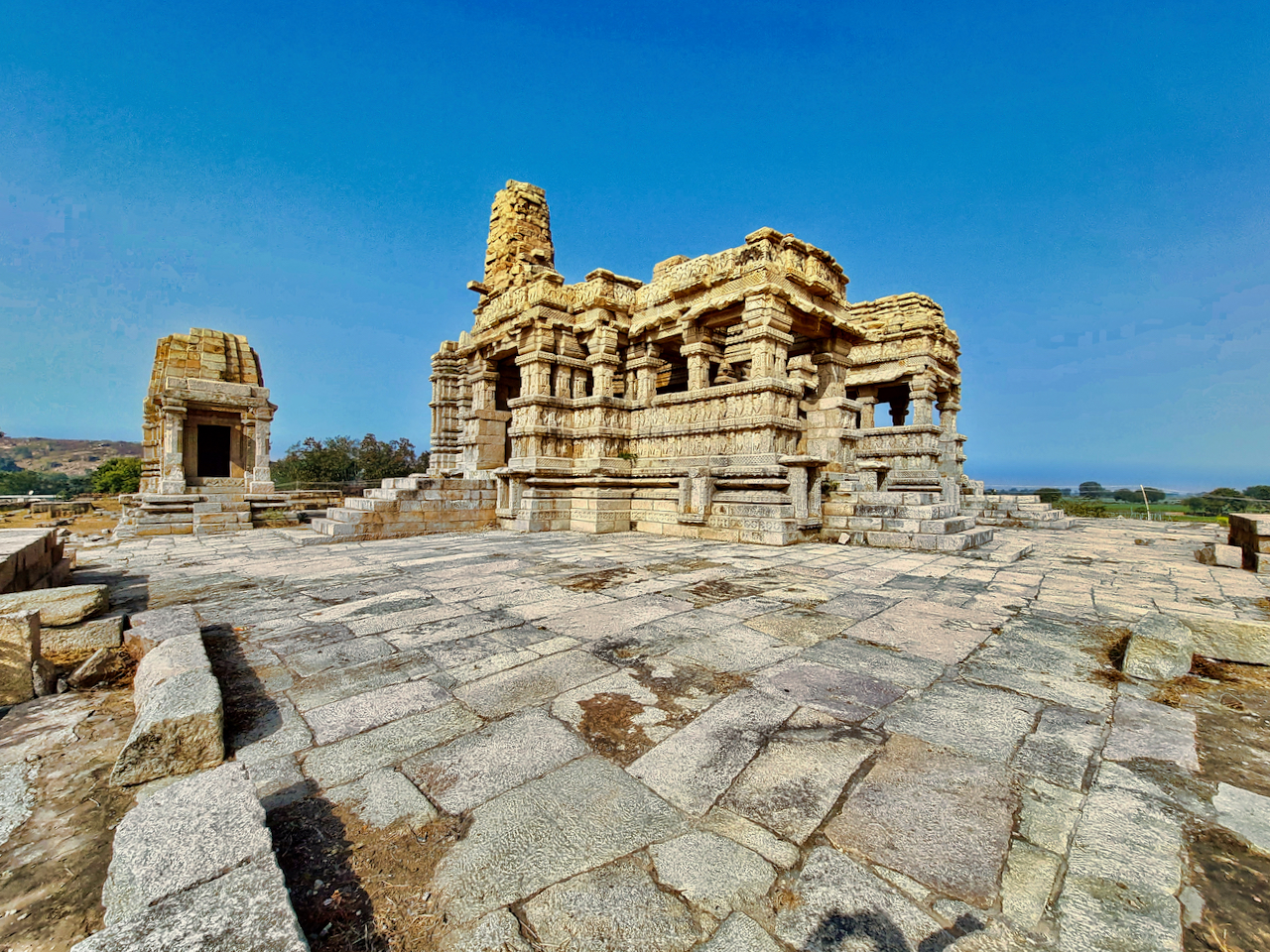
Group of Hindu temples, Vyas Bhadora
A group of Hindu temples located in Vyas Bhadora, Madhya Pradesh, representing traditional temple architecture of the region.
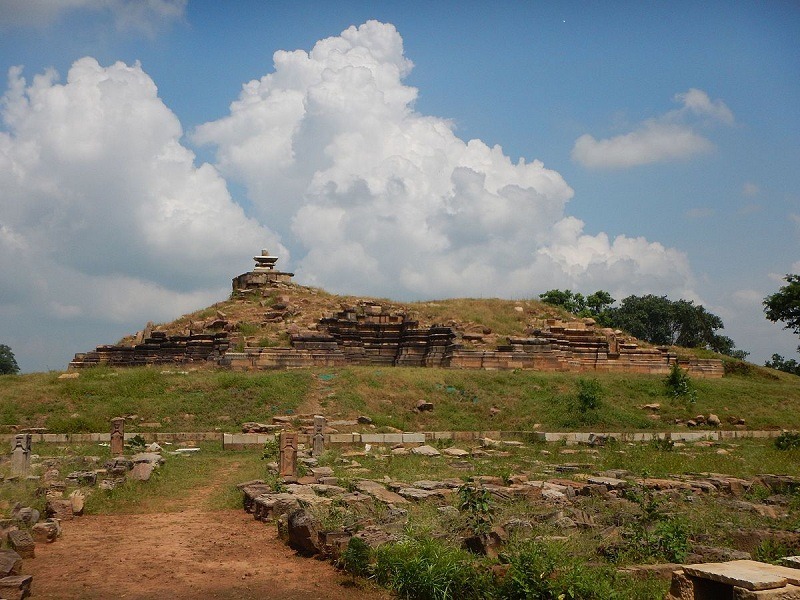
Beejamandal, Khajuraho
Beejamandal is a partially excavated ruined temple in Khajuraho's Southern Group, believed to potentially be the largest shrine in the complex once fully explored, dedicated to…
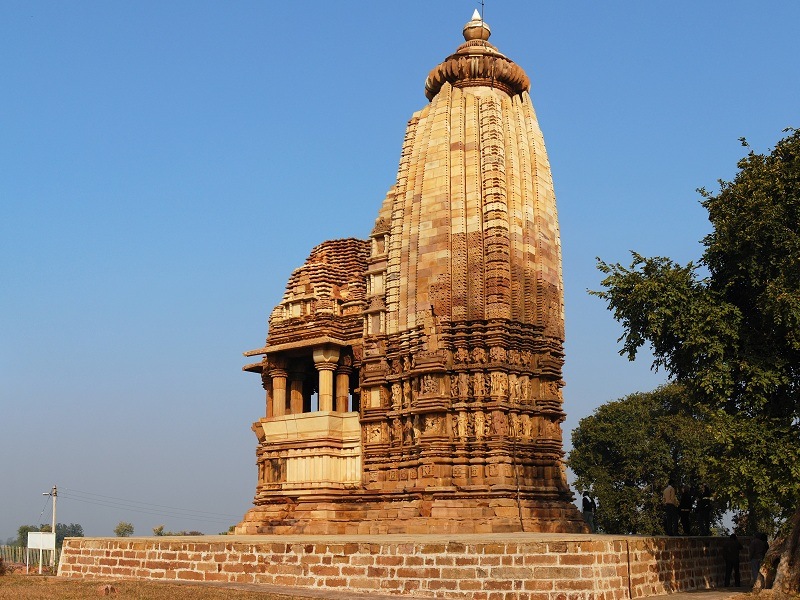
Chaturbhuj Temple, Khajuraho
Chaturbhuj Temple in Khajuraho is a 12th-century Vishnu shrine built by the Chandela dynasty, featuring a four-armed idol of Rama and distinctive multi-storied architecture blen…