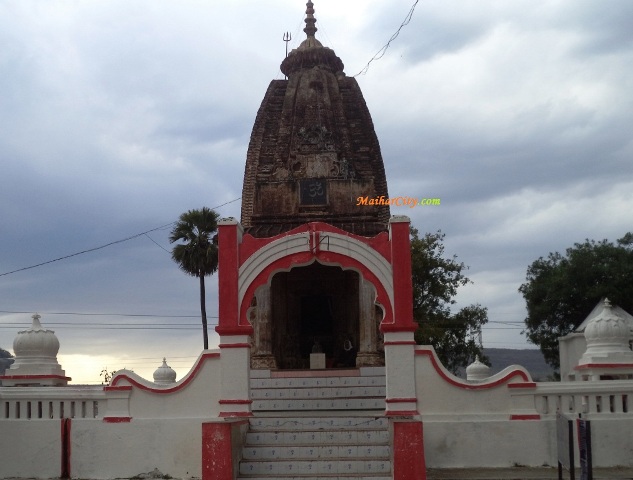
Maa Sharda Mandir, Maihar
About Maa Sharda Mandir, Maihar
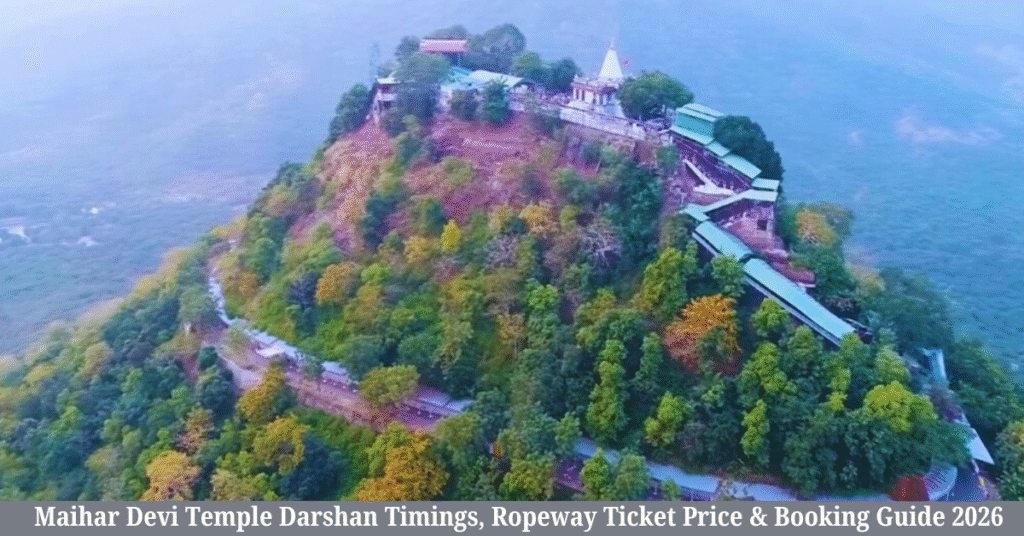
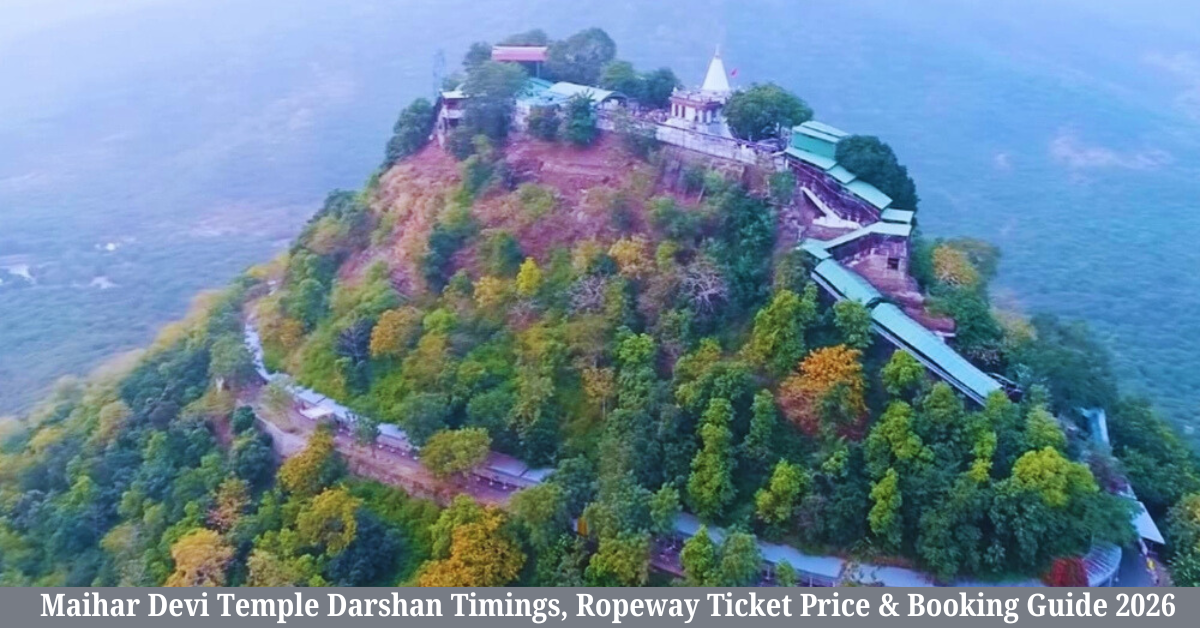
The temple sits approximately 1,063 steps up Trikut Hill from the base. A ropeway service, managed by Damodar Ropeways & Infra Ltd., provides an alternative to climbing the steps. This facility makes the shrine accessible to pilgrims of varying physical abilities and ages. The ropeway operates during temple hours, though specific timings for the cable car service should be confirmed locally before visiting.
The temple's address is Trikut Hill, Maihar, Satna District, Madhya Pradesh. Those traveling by road will find Maihar accessible from major towns in the region. Visitors should plan for the ascent—whether by foot or ropeway—as part of their pilgrimage experience.
Visiting Practicalities
Offline darshan booking is the standard practice; advance reservations through online systems are not available. Visitors should arrive with realistic expectations about crowd levels, particularly during peak hours and festival seasons. The early morning and evening darshan windows offer the most peaceful conditions for worship.
Navratri season draws significantly larger numbers of pilgrims to the temple. Those planning visits during this period should prepare for increased crowds and potentially longer wait times. Standard temple etiquette applies: removing footwear before entering the sanctum, maintaining respectful behavior, and following any instructions provided by temple staff. Modest dress is customary at Hindu temples; loose, covered clothing is appropriate.
Spiritual Significance for Devotees
The temple attracts students seeking academic success, professionals looking for guidance, and spiritual seekers pursuing inner clarity. The association of Goddess Sharda with wisdom and learning makes the shrine particularly meaningful for those engaged in educational pursuits or intellectual work. Within the Shakti Peetha tradition, the site holds importance for devotees following goddess-centered paths of worship.
Local tradition holds that the legendary figure Alha continues to visit the temple to worship Goddess Sharda, linking the shrine to regional folklore and cultural memory. This connection to local narratives adds a layer of cultural significance beyond the temple's primary religious functions.
Planning Your Visit
The best times to visit are early morning (5:00–8:00 AM) or evening (4:00–9:00 PM) for a less crowded darshan experience. The hilltop setting means weather conditions can vary; visitors should check local conditions and dress accordingly. The temple remains open year-round, making it accessible regardless of season, though Navratri brings heightened activity and spiritual observance.
Visitors should allow adequate time for the ascent and darshan, particularly if climbing the steps. Carrying water and wearing comfortable footwear are practical considerations. The combination of spiritual purpose, physical pilgrimage, and scenic location makes Maa Sharda Mandir a destination that engages multiple dimensions of the devotional experience.
How to reach
You may also visit
Kalyanji Temple
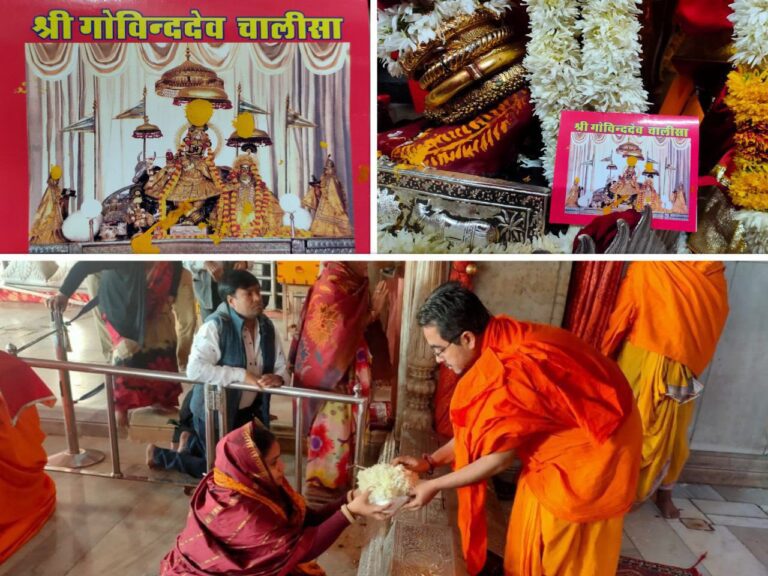
Kalyanji Temple in Jaipur's Chandpol Bazaar is approximately two centuries old and renowned for displaying the twenty-four avatars of Krishna, visible only twice yearly during Akha Teej and Patottsav festival.
Sastha (Ayyappan) Temple
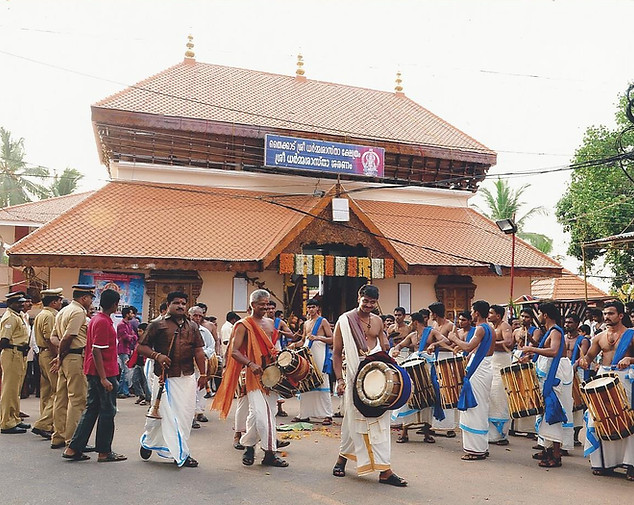
Sree Dharma Sastha Temple in Thycaud, Thiruvananthapuram, is a centuries-old shrine where the deity manifests as Dhanwanthari, the divine healer, holding the sacred blue lotus.

Govindarajaswamy Temple
Sri Govindarajaswamy Temple in Tirupati is an ancient Vaishnavaite shrine consecrated in 1130 AD by Saint Ramanuja, where the presiding deity rests in eternal Yoga Nidra on the serpent Adisesha.