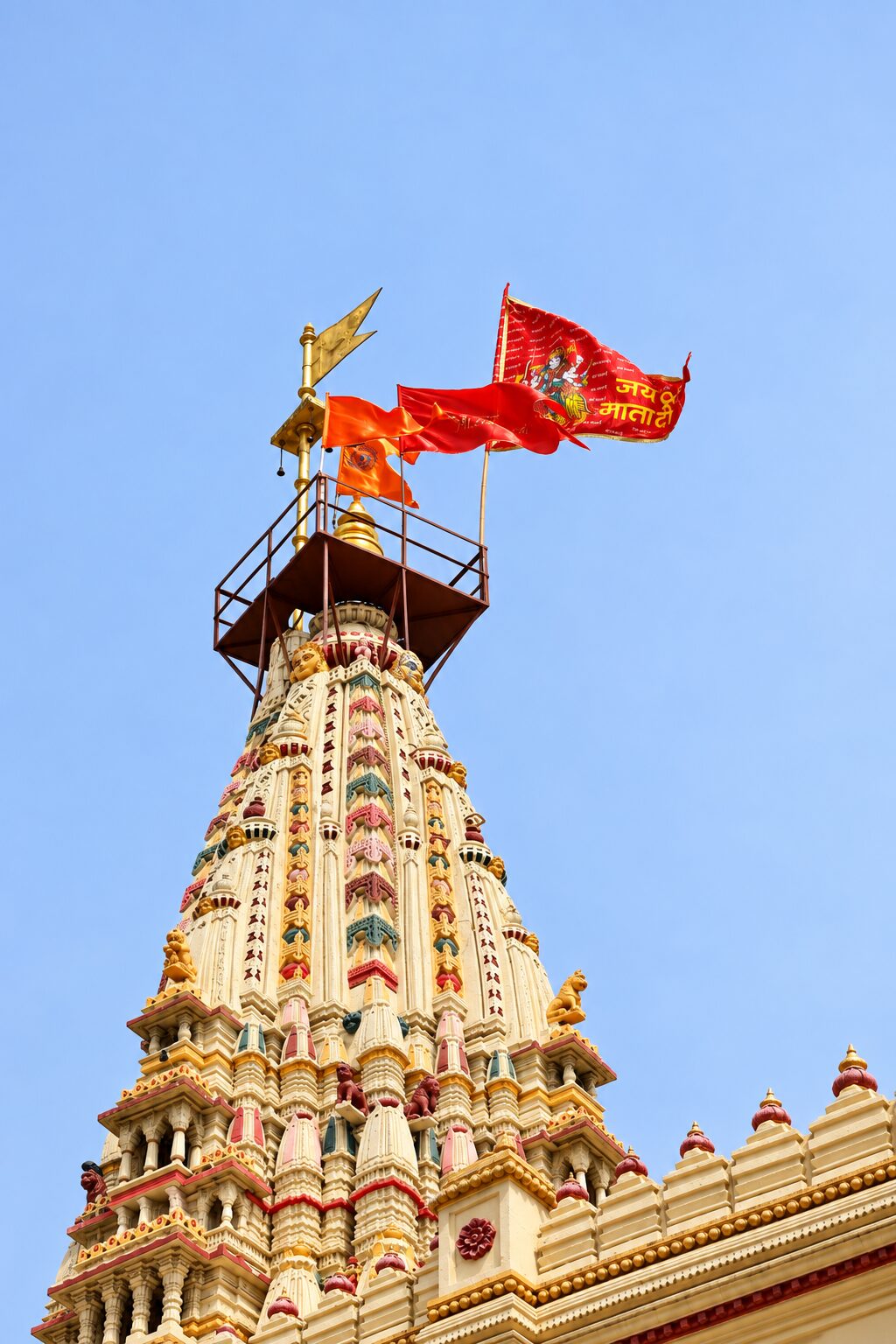
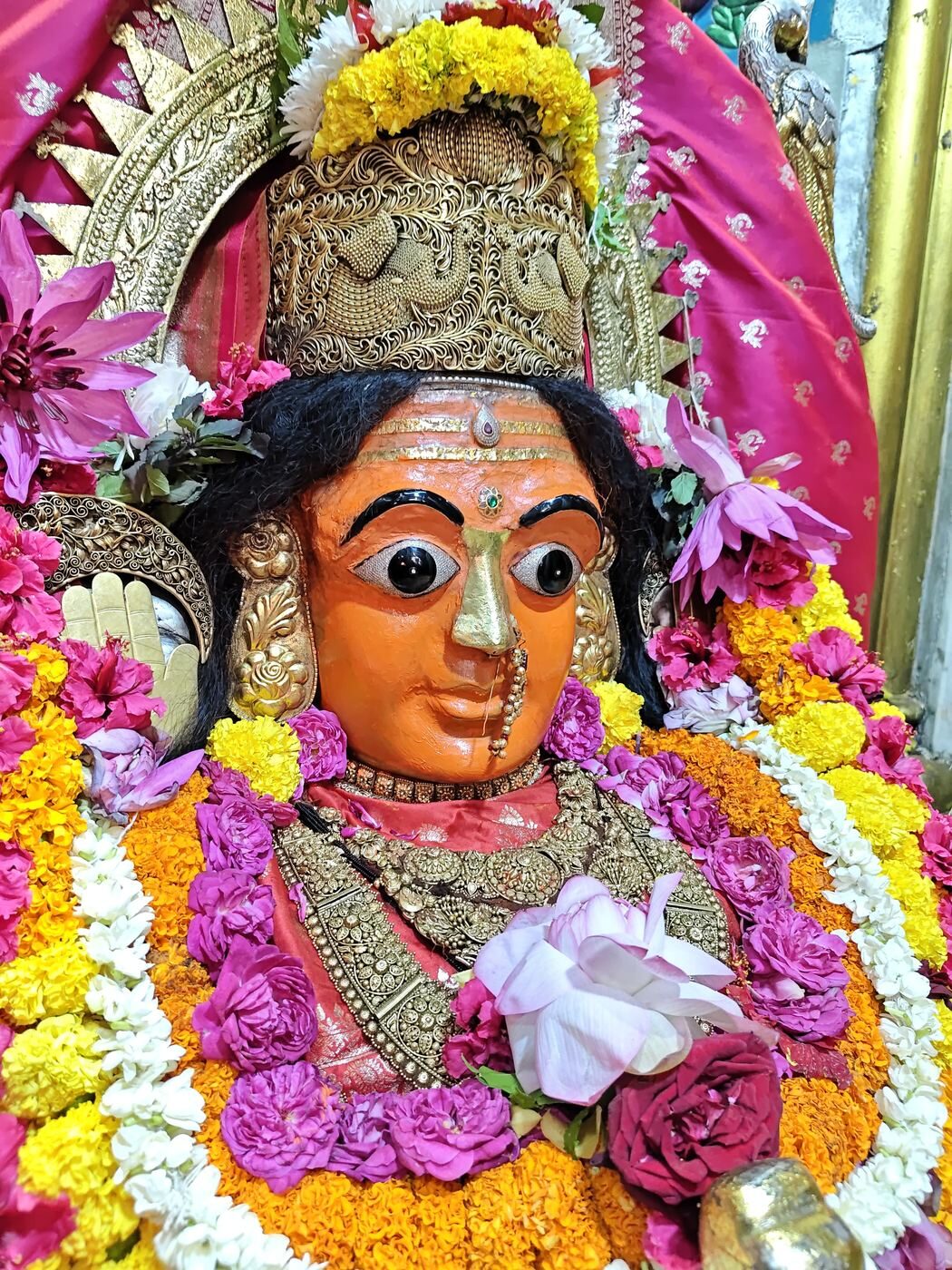
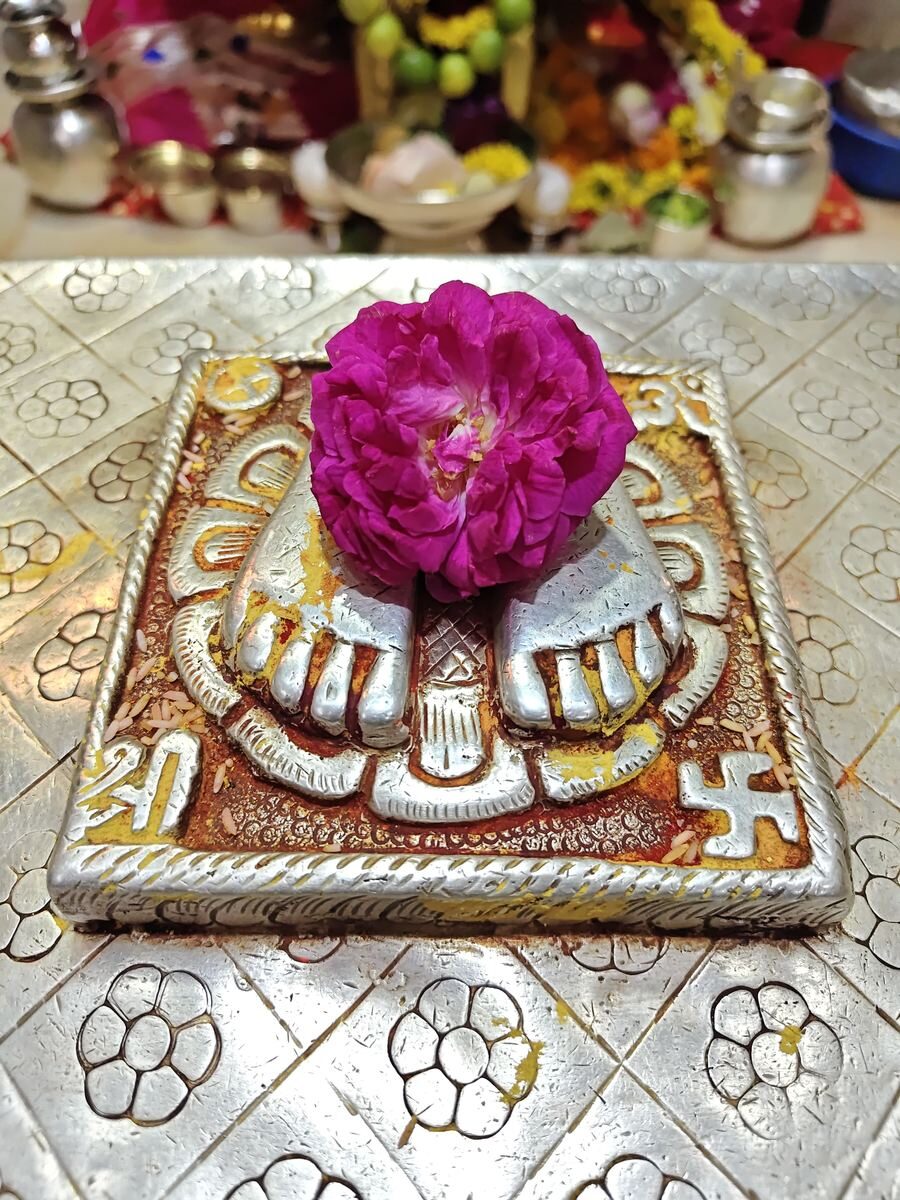
Mukundesvara temple with inscriptions
About Mukundesvara temple with inscriptions
The temple was established in the 18th century, making it an enduring landmark within Mumbai's religious landscape. Today it occupies a distinctive position in Bhuleshwar, situated amid the bustling commercial activity of steel, cloth, and jewelry markets. This juxtaposition of the sacred and the mercantile reflects the temple's deep integration into the fabric of city life rather than its isolation from it.
The temple's longevity through centuries of urban transformation speaks to its significance for successive generations of Mumbaikars. Its presence in one of the city's oldest commercial quarters anchors both spiritual practice and local memory.
Daily Worship and Darshan
The temple maintains a structured daily rhythm of worship, with darshan available from 06:30 to 20:50. Five aartis (ritual offerings) punctuate the day: Mangal Aarti at 06:30, Main Aarti at 09:30, Naivaidya Aarti at 12:15, Dhoop Aarti at 18:30, Main Aarti at 20:00, and Shayan Aarti at 20:50. Each aarti represents a distinct moment of devotional practice, with the morning and evening aartis typically drawing larger congregations.
Visitors may approach the temple during any of these hours, though those seeking a more meditative experience often arrive during early morning or late evening periods. The extended darshan hours accommodate the varied schedules of urban devotees and pilgrims.
Annual Festivals and Observances
The temple celebrates multiple festivals throughout the Hindu calendar year. Navratri is observed in three distinct periods: Magh Navratri (Gupt Navratri), Chaitra Navratri, and Ashvin Navratri, each spanning nine days. The Ashvin Navratri, falling in autumn, typically draws significant devotional participation. Beyond Navratri, the temple marks Mumbadevi Vardhapan Din (Patotsav) on Magh Ekadashi, Hanuman Jayanti on Chaitra Purnima, Krishna Jayanti on Shravan Ashtami, and the Shree Mumbadevi Annakut Mohotsav on Kartik Pratipada. Monthly Navchandi Yagnya ceremonies are performed on full moon days.
These festivals follow the lunar calendar, so specific dates vary annually. Devotees planning visits around major observances should consult the temple's official website or local sources for current-year dates.
Visiting the Temple
The temple's location in central Mumbai makes it accessible by local transportation, though the Bhuleshwar area experiences significant commercial traffic and crowding, particularly during business hours. Visitors should plan their visit during quieter periods if possible—early morning hours typically offer a more peaceful darshan experience.
As with most Hindu temples, modest dress is appropriate. Shoes are typically removed before entering the inner sanctum. The temple's official website provides live darshan streaming, allowing those unable to visit in person to participate remotely in worship. Donations support the temple's operations and charitable activities, and the website facilitates contributions for those wishing to participate in specific pujas or sevas (ritual services).
Practical Information
The temple's extended darshan hours—nearly 14.5 hours daily—accommodate diverse schedules. Those planning a visit should note that the surrounding Bhuleshwar market area remains active throughout the day, creating a vibrant but sometimes congested environment. The temple's integration into this commercial quarter means that visits often occur within the rhythm of urban life rather than in a sequestered setting.
For current information on specific pujas, seva opportunities, and festival dates, the temple's official website (mumbadevi.org.in) serves as the primary resource. Live darshan links are available through the website, enabling both local devotees and distant pilgrims to maintain connection with the temple's daily worship.
How to reach
Temples near Mukundesvara temple with inscriptions
Narasimha temple
Ahobilam is one of the 108 Divya Desams, revered as the sacred site where Lord Narasimha emerged from a pillar to protect his devotee Prahlada. The temple complex houses nine di…
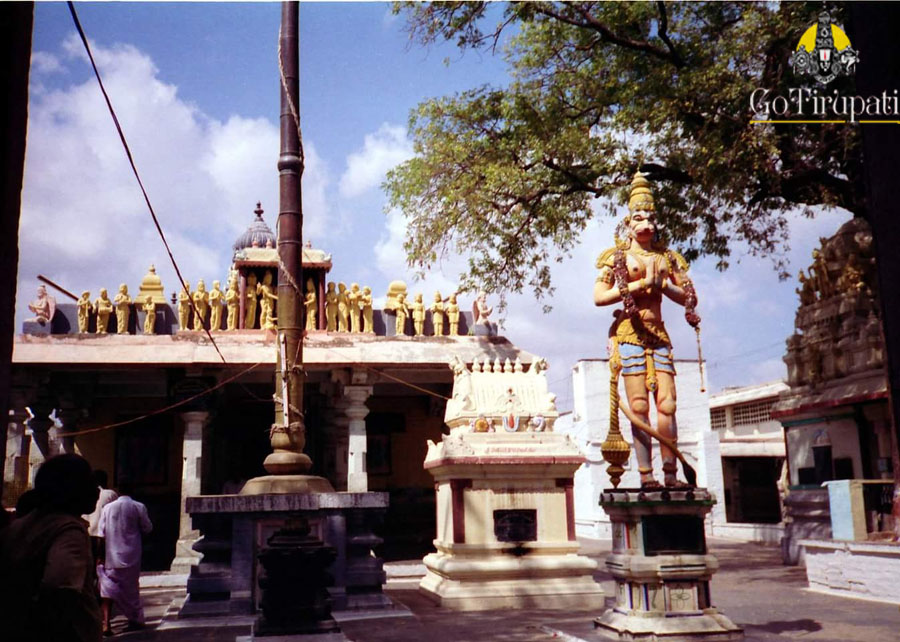
Narapura Venkateswara Temple, Jammalamadugu
Sri Narapura Venkateswara Temple in Jammalamadugu is an ancient shrine dedicated to Lord Venkateswara, a form of Vishnu, named after the devotee Narapuraiah who constructed it.…
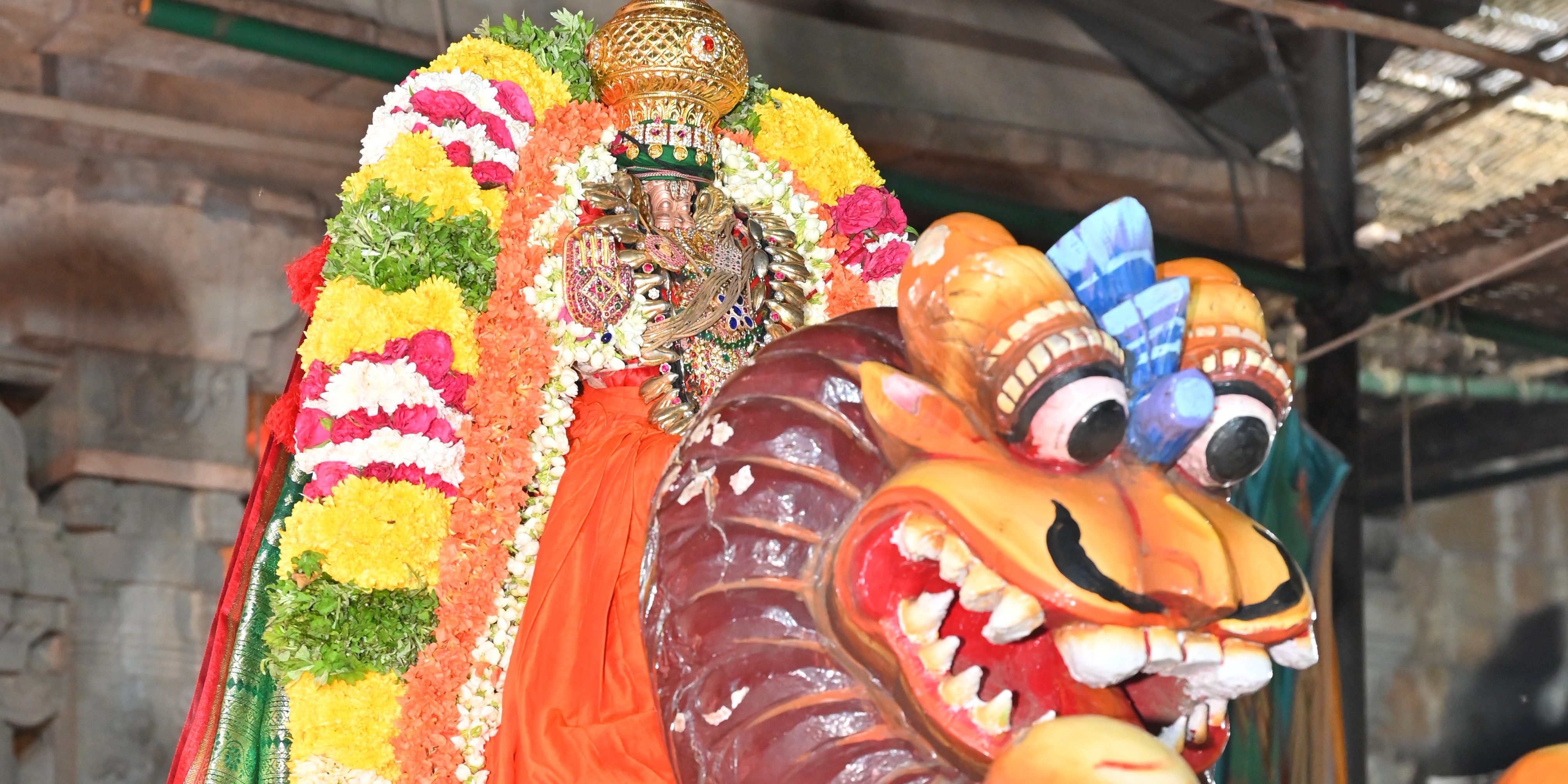
Sri Lakshmi Narasimha Swamy Temple, Ahobilam
Sri Lakshmi Narasimha Swamy Temple in Ahobilam is one of 108 Divya Desams, revered as the sacred site where Lord Narasimha emerged to protect his devotee Prahlada. The temple co…
Bugga Ramalingeswara temple
Bugga Ramalingeswara Swamy Temple is a 16th-century Shiva shrine on the Penna River's southern bank in Tadipatri, Andhra Pradesh, renowned for its perennial underground spring a…

Yaganti Temple
Sri Yaganti Uma Maheswara Temple is an ancient Shiva shrine nestled in the Erramala Hills of Nandyal district, Andhra Pradesh, renowned for its monolithic idol of Shiva and Parv…
Vaidhyanadha swamy temple
Unable to provide accurate information for Vaidhyanadha Swamy Temple. The search results reference Shri Vaijnath Temple in Parli, which appears to be a different temple.