
Bugga Ramalingeswara temple
About Bugga Ramalingeswara temple
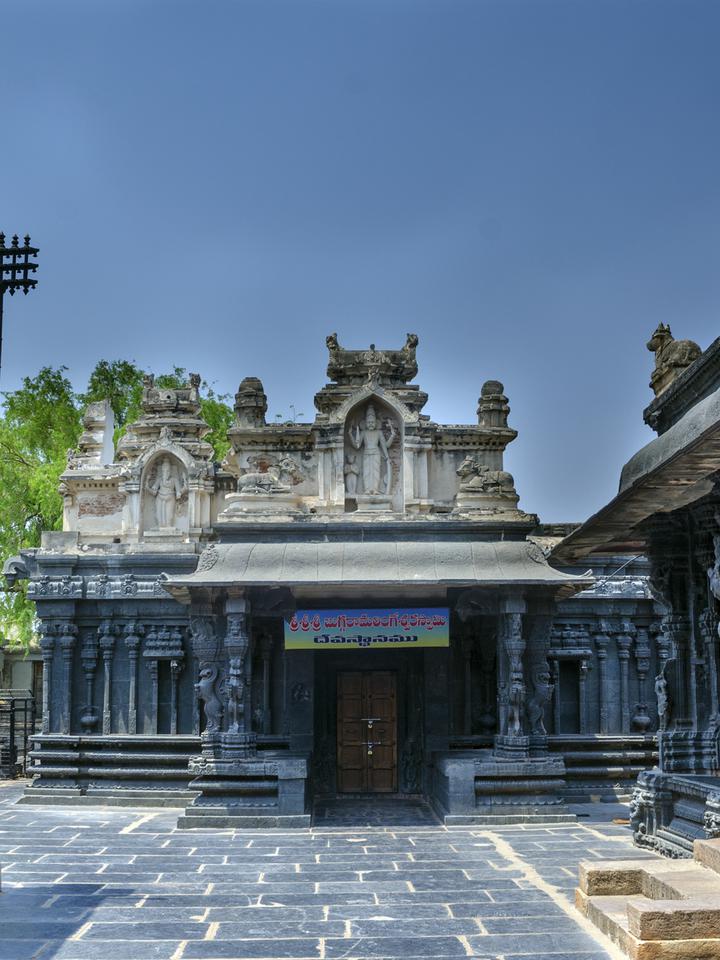
The temple was built between 1490 and 1509 during the reign of the Vijayanagara Empire. Pemmasani Ramalinga Nayudu I, a chieftain of the Gutti-Gandikota region, was instrumental in its construction and patronage, and the temple bears his name in recognition of this contribution. The structure represents a significant investment in religious architecture during a period when the Vijayanagara rulers were commissioning temples across southern India. The temple is now protected as a monument by the Archaeological Survey of India, reflecting its historical and cultural importance.
Architecture and Artistic Features
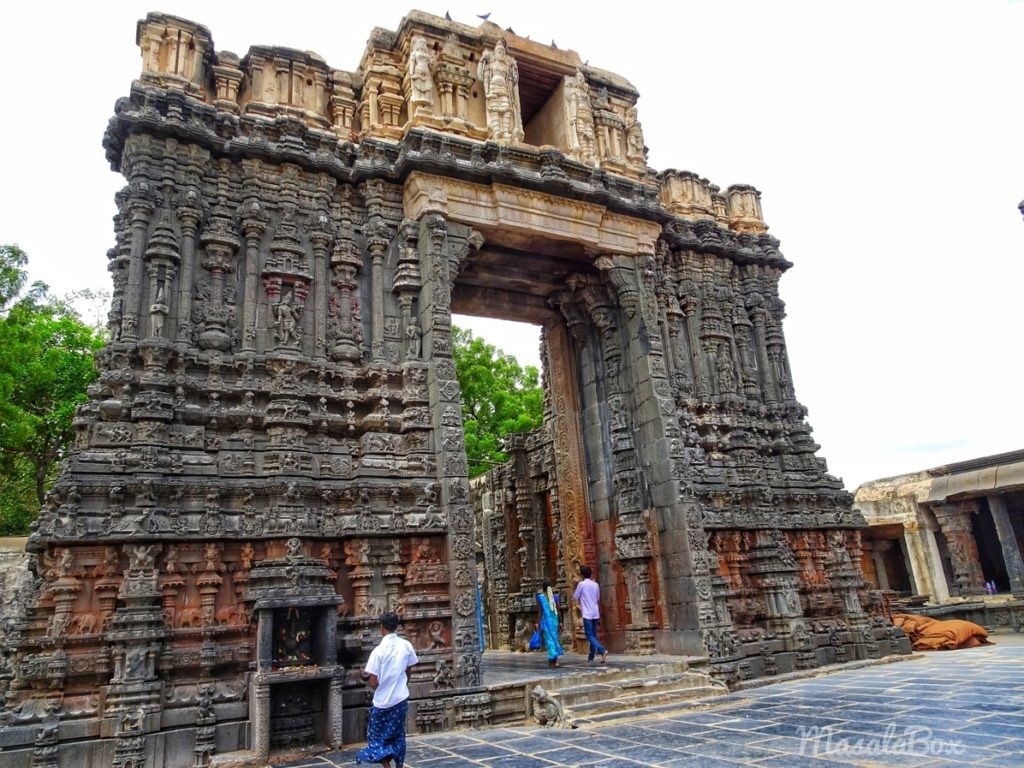
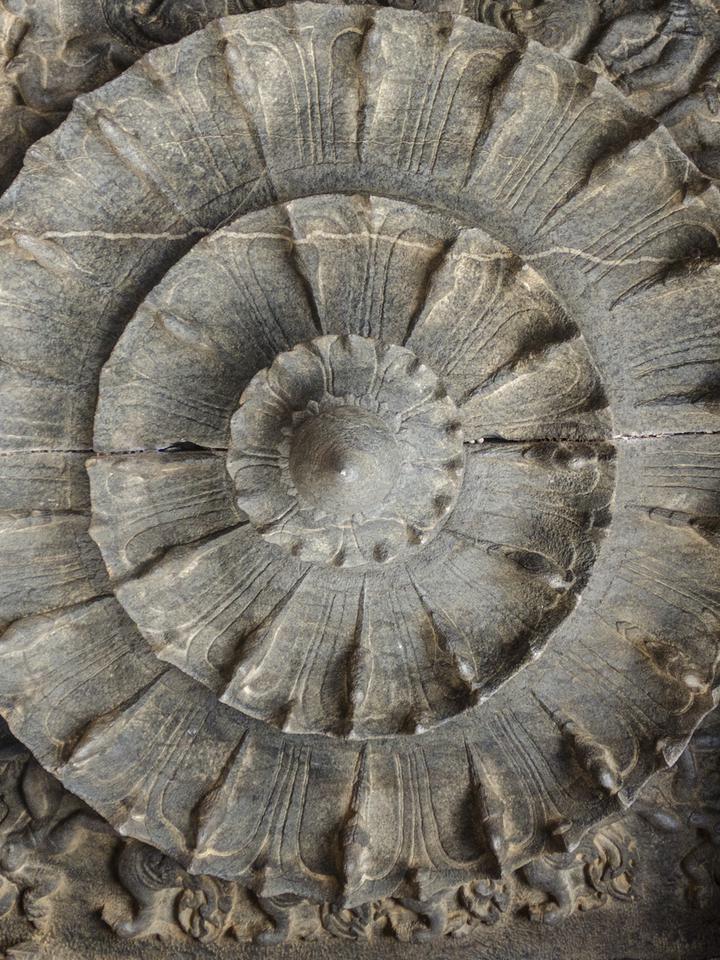
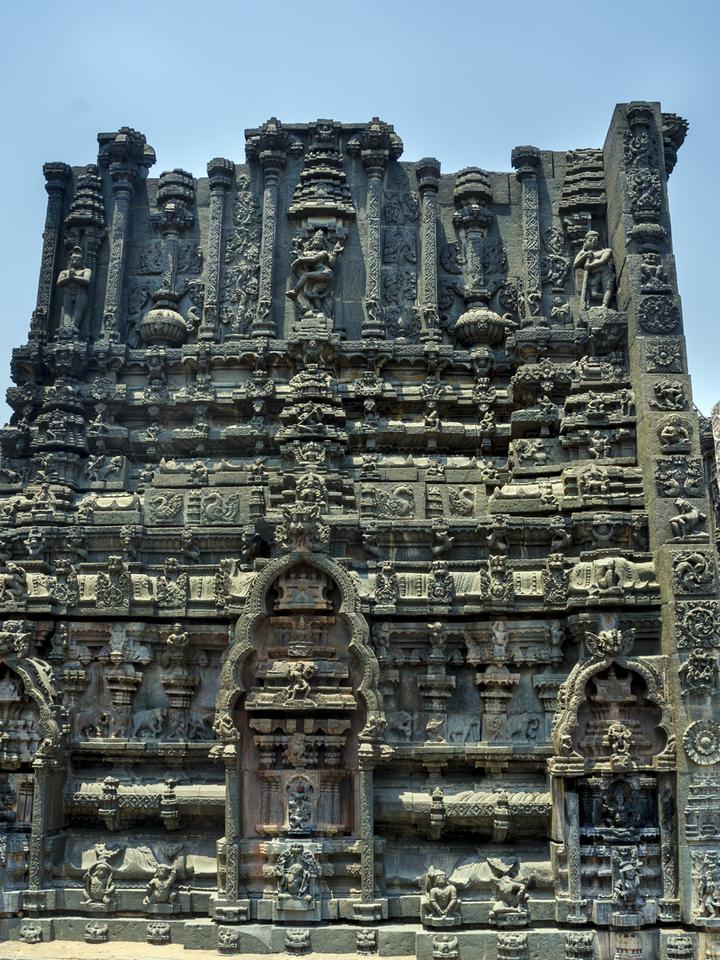
The temple exemplifies Dravidian architectural principles as practiced during the Vijayanagara period. The vimana—the tower that rises above the inner sanctum—is finely sculpted with representations of gods, goddesses, and scenes from Hindu mythology. The mandapa, or pillared hall, displays detailed stone carvings featuring various deities and symbolic motifs that demonstrate the technical skill of the craftsmen who worked on the structure.
The walls and pillars throughout the temple are adorned with exquisite sculptures that narrate episodes from the Ramayana and Mahabharata, two of Hinduism's foundational epics. These carvings transform the physical structure into a visual teaching tool, allowing devotees to encounter sacred narratives through stone. A distinctive feature of the temple is the presence of a perennial natural spring within the inner sanctum that continuously supplies water to the Shiva Linga. This spring is believed to hold divine significance and contributes to the temple's spiritual atmosphere.
Daily Darshan and Worship
The temple opens for darshan—the viewing of the deity—during two periods each day. Morning darshan runs from 06:00 to 12:00, while evening darshan is available from 16:00 to 20:00. These timings may vary on festival days, so visitors planning to attend during significant observances should confirm the schedule in advance with the temple authorities.
Temples dedicated to Shiva typically maintain regular ritual schedules throughout the day, though specific details of aarti timings and other ceremonies at this particular shrine are not documented in available sources. Visitors should be prepared to remove footwear before entering the sanctum, as is customary in Hindu temples.
Festivals and Observances
Major Hindu festivals associated with Lord Shiva are celebrated with considerable devotion at this temple. Maha Shivaratri, the night dedicated to Shiva, is observed with particular fervor and draws large numbers of pilgrims. Visitors planning to attend during this festival should expect significant crowds and should confirm darshan timings in advance, as the schedule may differ from regular days.
Visiting Information and Access
The temple is located 4 kilometres from Tadipatri railway station. Tadipatri town itself is situated 56 kilometres from Ananthapuramu, the district headquarters. The winter season offers the most pleasant weather for visiting the region. Visitors should dress modestly and be prepared to remove footwear before entering the inner sanctum. As the temple is an ASI-protected monument, visitors are expected to treat the site with appropriate respect and care.
How to reach
Temples near Bugga Ramalingeswara temple
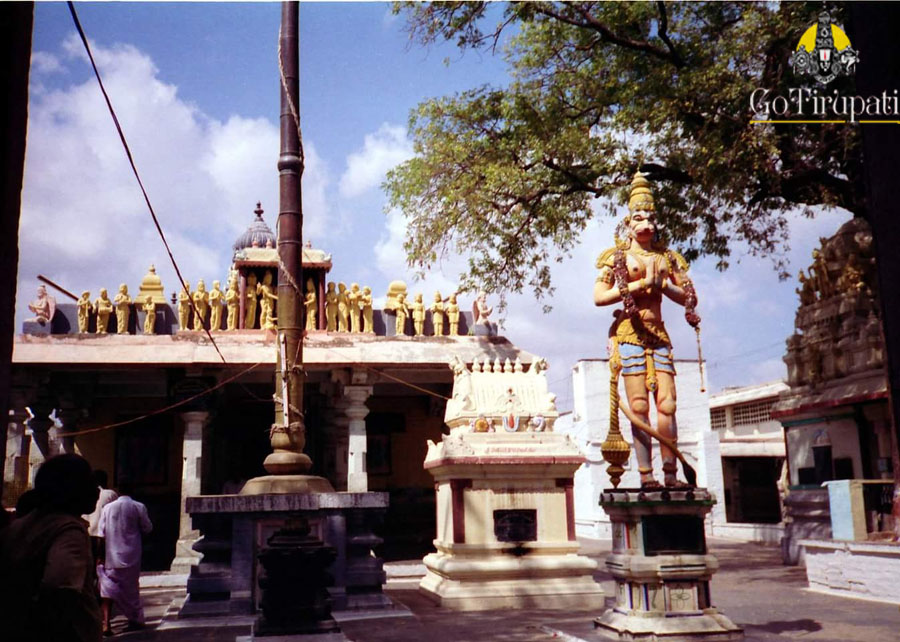
Narapura Venkateswara Temple, Jammalamadugu
Sri Narapura Venkateswara Temple in Jammalamadugu is an ancient shrine dedicated to Lord Venkateswara, a form of Vishnu, named after the devotee Narapuraiah who constructed it.…
Sri Sunama Jakini Matha
Sri Sunama Jakini Matha is a Hindu temple in Anantapuramu, Andhra Pradesh, dedicated to a legendary Indian woman who was deified. The shrine remains open throughout the day for…
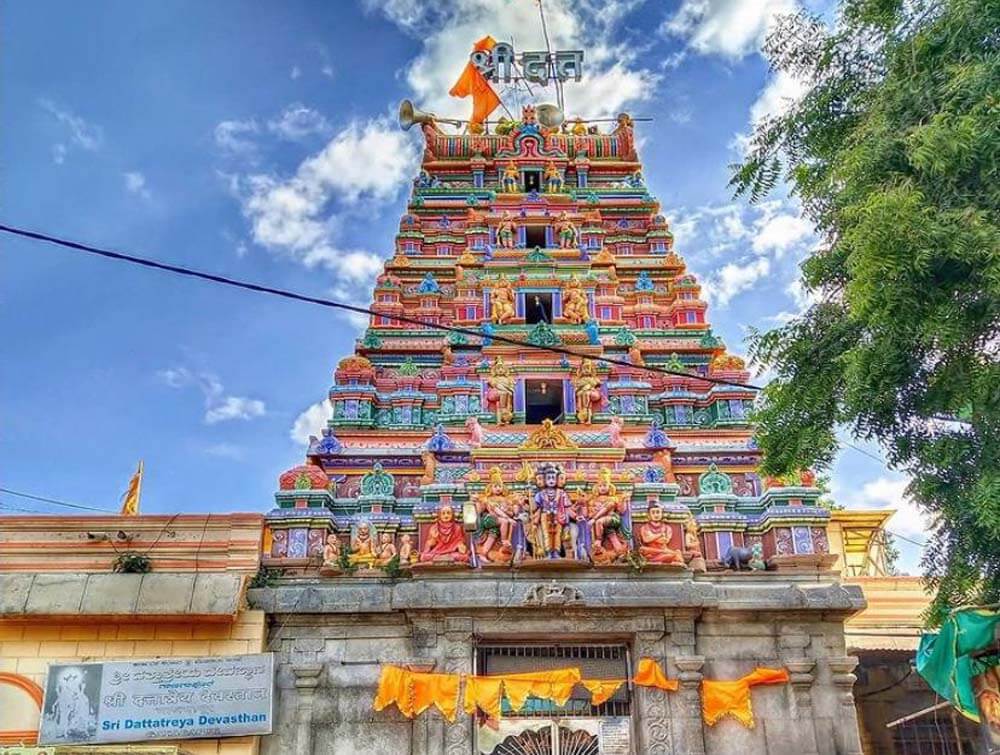
Narasimha temple
Ahobilam is one of the 108 Divya Desams, revered as the sacred site where Lord Narasimha emerged from a pillar to protect his devotee Prahlada. The temple complex houses nine di…
Mukundesvara temple with inscriptions
Mukundesvara temple with inscriptions is a Hindu shrine located in Peddamudiyam, YSR Kadapa district, Andhra Pradesh, recognized as a Monument of National Importance.

Yaganti Temple
Sri Yaganti Uma Maheswara Temple is an ancient Shiva shrine nestled in the Erramala Hills of Nandyal district, Andhra Pradesh, renowned for its monolithic idol of Shiva and Parv…
Sri Lakshmi Narasimha Swamy Temple, Ahobilam
Sri Lakshmi Narasimha Swamy Temple in Ahobilam is one of 108 Divya Desams, revered as the sacred site where Lord Narasimha emerged to protect his devotee Prahlada. The temple co…