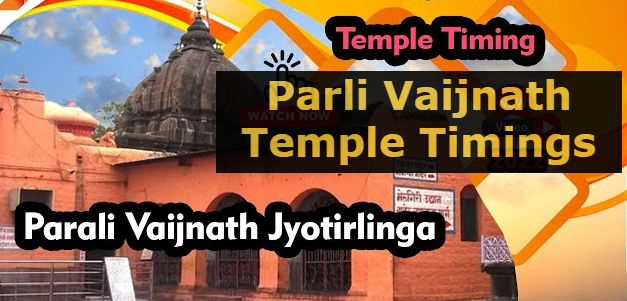

Vaidhyanadha swamy temple
About Vaidhyanadha swamy temple
The temple maintains an open schedule seven days a week, welcoming devotees from 5:00 AM until 9:30 PM. This extended day accommodates both early risers and evening visitors. Darshan—the sacred viewing of the deity—is available in two sessions: from 5:30 AM to 3:30 PM in the morning, and from 4:00 PM to 9:00 PM in the evening, with a brief break between sessions.
Four aartis (ritual worship ceremonies) structure the temple day. The Kakad Aarti begins at 5:00 AM, welcoming the dawn. The Madhyan Aarti takes place at midday (12:00 PM), followed by the Sandhya Aarti at 6:30 PM as evening approaches. The final Shej Aarti occurs at 9:00 PM. Visitors who time their visit to coincide with these ceremonies experience the temple's most vibrant moments of collective worship.
Festivals and Observances
The temple observes several major festivals throughout the year. Mahashivratri, the great night dedicated to Shiva, draws particularly large gatherings. Vijayadashami (also known as Dussehra) and Diwali mark significant points in the Hindu calendar and are celebrated here with special rituals. Makar Sankranti, occurring in January, and Kartik Purnima, the full moon in the month of Kartik, also bring increased devotional activity.
The month of Shravan holds special importance. During this monsoon season, devotees undertake intensified worship practices, and the temple experiences heightened pilgrimage traffic. Pradosh Vrat, an observance dedicated to Shiva that occurs twice monthly on the thirteenth lunar day, is also observed at the temple. These festivals and observances provide natural focal points for planning a visit aligned with particular spiritual intentions.
Visiting the Temple: Practical Information
Visitors should plan to arrive early if seeking a less crowded darshan experience, as the temple opens at 5:00 AM. The morning session extends until 3:30 PM, providing a substantial window for worship. Those unable to visit in the morning can access the evening darshan from 4:00 PM onward. The afternoon break (3:30 PM to 4:00 PM) allows time for the temple's maintenance and preparation for evening worship.
Modest dress is customary at Hindu temples; visitors should wear clothing that covers shoulders and knees respectfully. Shoes are typically removed before entering the inner sanctum. The temple's touchable linga invites direct physical contact during worship—a practice that distinguishes this shrine and allows for a particular form of tactile devotion. Visitors unfamiliar with temple etiquette should observe others and follow their example, or ask temple staff for guidance. Photography policies vary; it is wise to inquire before taking photographs inside the temple.
Location and Access
Parli Vaijnath is situated at coordinates 14.595719843°N, 78.756716433°E in Beed District. The town is accessible by road from major cities in Maharashtra. Visitors traveling by public transport should check current bus schedules and train connections to the nearest railway stations. Those driving should use the coordinates or the town name "Parli Vaijnath" with navigation applications. Accommodation options exist in the town itself and in nearby larger centers, though availability may be limited during major festivals when pilgrimage traffic peaks.
How to reach
Temples near Vaidhyanadha swamy temple
Pushpagiri Group of Temples
Pushpagiri is an ancient temple complex in Kadapa district, Andhra Pradesh, comprising multiple shrines dedicated to Lord Vishnu and Shiva along the Pinakini River. Revered sinc…
Visvanatha swamy temple
Viswanatha Swamy Temple in Palakkad, Kerala is an ancient shrine established in 1425, dedicated to Lord Shiva and featuring Dravidian architectural traditions with daily worship…
Narapura Venkateswara Temple, Jammalamadugu
Sri Narapura Venkateswara Temple in Jammalamadugu is an ancient shrine dedicated to Lord Venkateswara, a form of Vishnu, named after the devotee Narapuraiah who constructed it.…
Saumyanatha temple
Somnath Temple is the first of the twelve Aadi Jyotirlings dedicated to Lord Shiva, located on the Arabian Sea coast in Gujarat. The current temple was consecrated on 11 May 195…
Narasimha temple
Ahobilam is one of the 108 Divya Desams, revered as the sacred site where Lord Narasimha emerged from a pillar to protect his devotee Prahlada. The temple complex houses nine di…
Mukundesvara temple with inscriptions
Mukundesvara temple with inscriptions is a Hindu shrine located in Peddamudiyam, YSR Kadapa district, Andhra Pradesh, recognized as a Monument of National Importance.