
Yaganti Temple
About Yaganti Temple
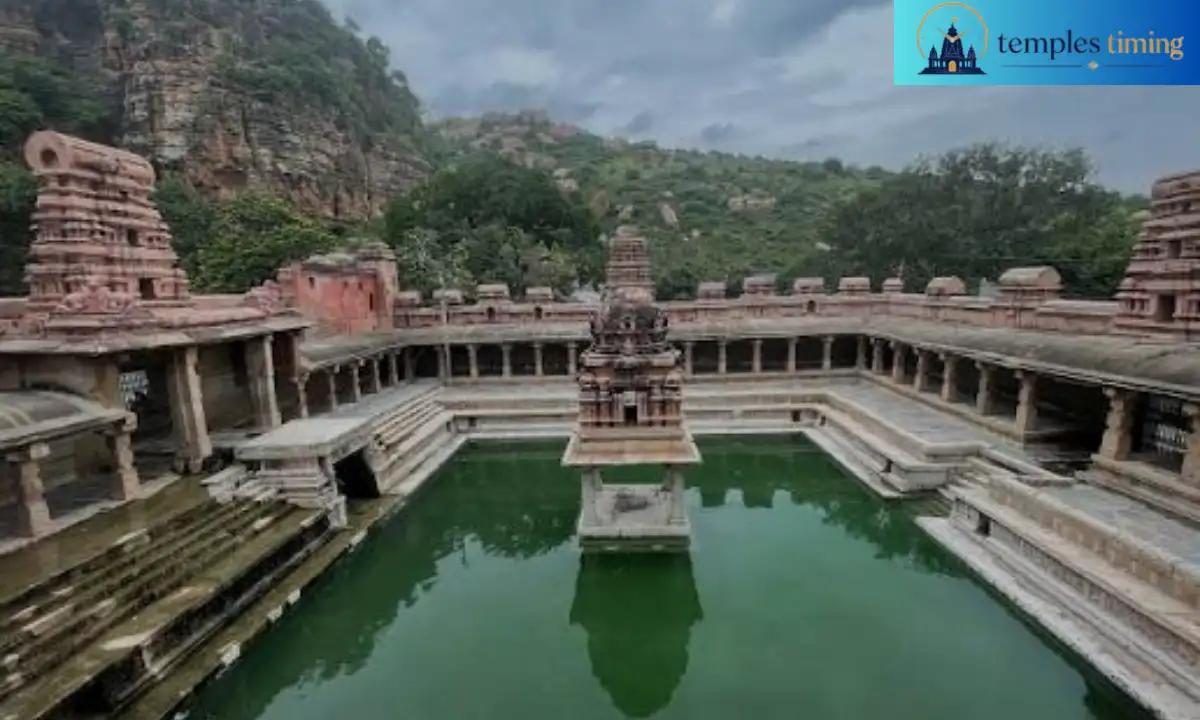
The temple's origins trace to the 5th or 6th century, placing it among the older religious structures in the region. Though built according to Vaishnavaite architectural traditions, it has long functioned as a Shaivite shrine. This layering of traditions reflects the complex religious history of South India, where different schools of Hindu practice have coexisted and influenced one another over centuries.
Daily Worship and Darshan
The temple maintains a structured schedule that accommodates both early risers and evening visitors. Morning darshan begins at 6:00 AM and continues until 1:00 PM, followed by an afternoon closure from 1:00 PM to 3:00 PM for temple rituals and maintenance. Evening darshan resumes at 3:00 PM and extends until 8:00 PM. The morning Aarti takes place at 8:30 AM, while the evening Aarti occurs at 7:00 PM.
Throughout the day, the temple performs several ceremonies honoring Lord Uma Maheswara according to traditional Shaivite customs. These rituals include morning ablutions, decoration of the deity, and formal worship at midday. Devotees who wish to experience the temple's spiritual atmosphere most fully are advised to arrive in the early morning hours, when crowds are lighter and the surroundings remain quieter. Participation in the morning or evening Aarti—marked by Vedic chanting and the fragrance of incense—offers a focused moment of worship.
Festivals and Pilgrimage Seasons
The temple draws particularly large numbers of pilgrims during major Hindu festivals. Maha Shivaratri, the night sacred to Lord Shiva, and Karthika Masam, a month dedicated to Shiva worship, are occasions when hundreds of devotees visit to seek divine blessings. During these festival periods, the temple typically extends its hours beyond the standard daily schedule to accommodate the increased flow of worshippers.
The cooler months from October through March represent the most favorable season for visiting, when the climate is comfortable for travel and outdoor exploration of the surrounding hills.
Practical Information for Visitors
Entry to the temple is free; no admission fee is charged for general darshan. Parking facilities are available for vehicles. The temple does not require any particular dress code beyond the modest attire customary at Hindu shrines—visitors should cover shoulders and knees as a sign of respect.
The village of Yaganti lies near Banaganapalle in Nandyal district, Andhra Pradesh, situated at coordinates 15.3508, 78.1394. Those planning to visit should check ahead during major festivals, as extended hours and larger crowds may affect the experience. Arriving early in the morning allows for a more peaceful darshan and helps visitors avoid extended waiting times.
The Ever-Growing Nandi
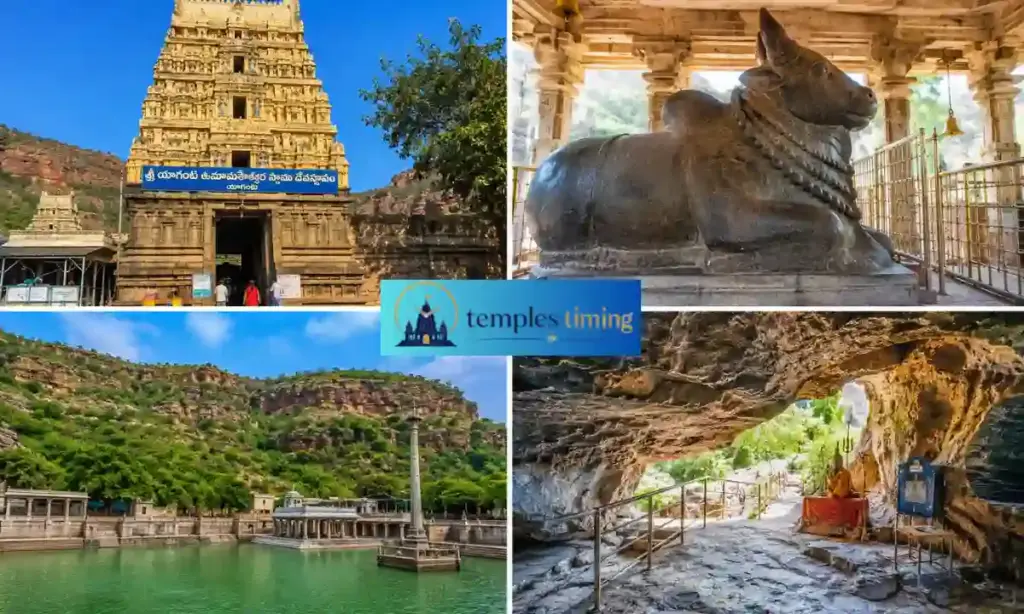
Among the temple's distinctive features is an idol of Nandi, the sacred bull associated with Lord Shiva, which is said to grow over time. This unusual characteristic adds to the temple's reputation as a site of ongoing spiritual significance and natural wonder, drawing those curious about the interplay between devotion and the physical world.
How to reach
Temples near Yaganti Temple
Swayambhu Sri Abhista Gnana Ganapathi Temple
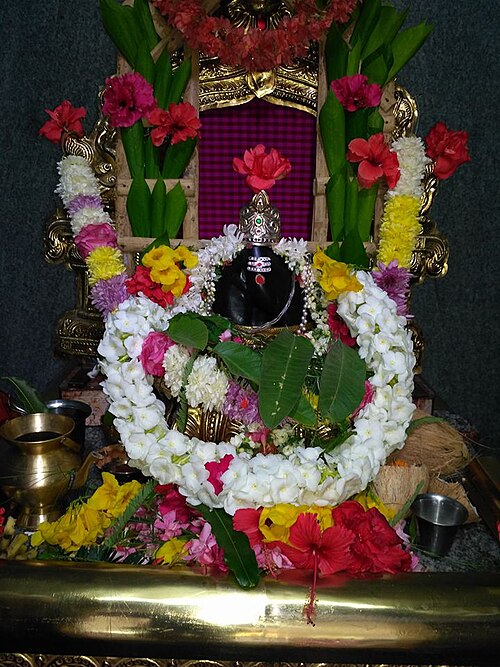
The Swayambhu Sri Abhista Gnana Ganapathi Temple is a Hindu shrine dedicated to Ganesha located in Kurnool district, Andhra Pradesh, India.

Balaji Temple, Nandyal
Nandyal Balaji Temple in Bilakalaguduru village, Andhra Pradesh, is a Vishnu temple dedicated to Venkateswara. The temple offers daily darshan with extended hours on weekends an…
Bugga Ramalingeswara temple
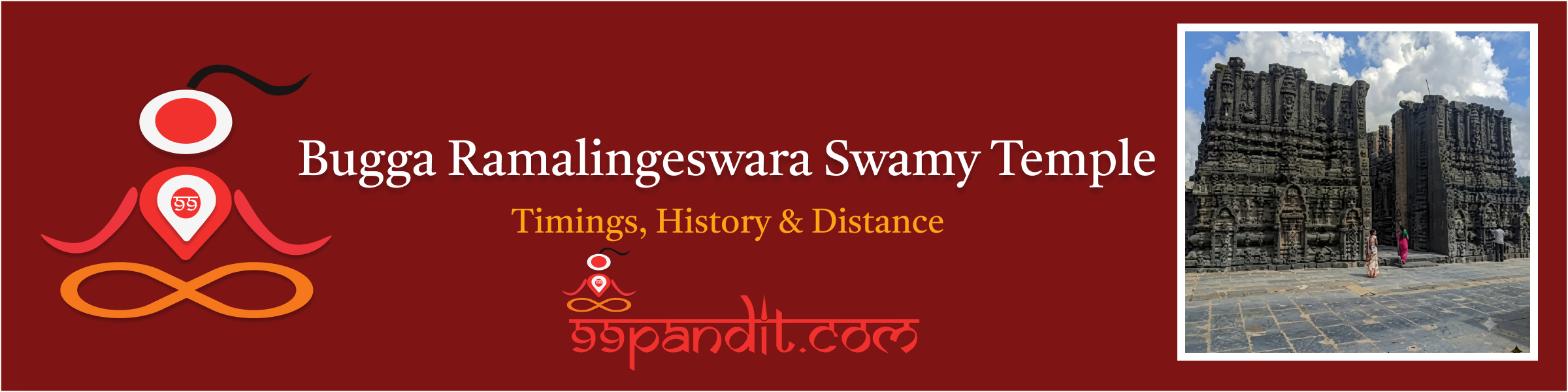
Bugga Ramalingeswara Swamy Temple is a 16th-century Shiva shrine on the Penna River's southern bank in Tadipatri, Andhra Pradesh, renowned for its perennial underground spring a…
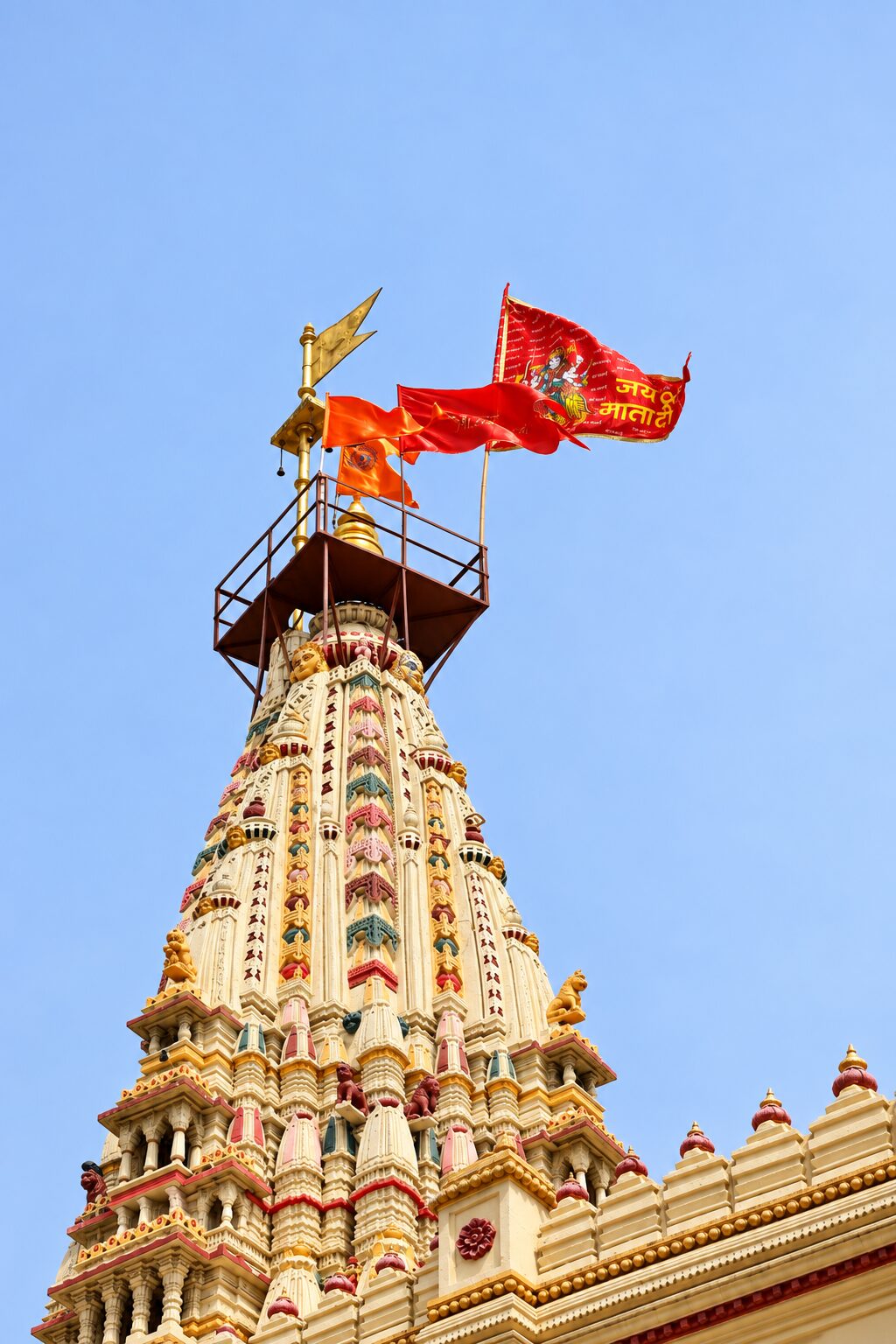
Mukundesvara temple with inscriptions
Mukundesvara temple with inscriptions is a Hindu shrine located in Peddamudiyam, YSR Kadapa district, Andhra Pradesh, recognized as a Monument of National Importance.
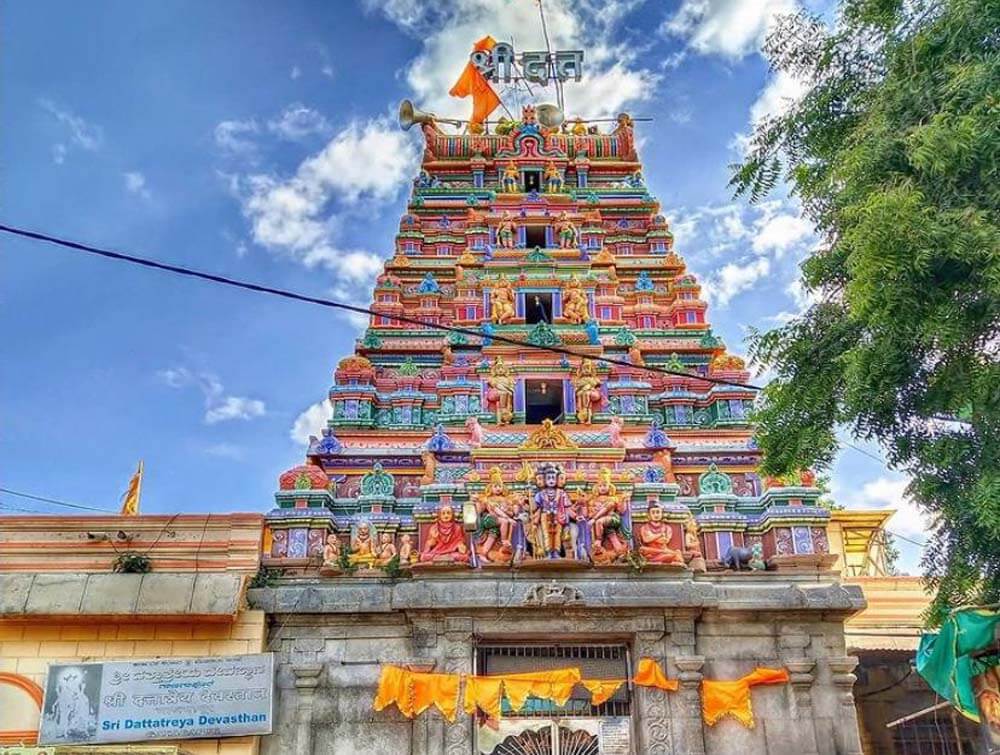
Narasimha temple
Ahobilam is one of the 108 Divya Desams, revered as the sacred site where Lord Narasimha emerged from a pillar to protect his devotee Prahlada. The temple complex houses nine di…
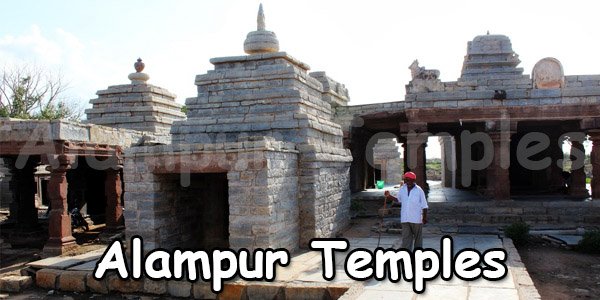
Alampur Papanasi Temples
A cluster of twenty-three Hindu temples dating from the 9th to 11th centuries, relocated to southwest of Alampuram village in Telangana, featuring Nagara architecture and dedica…