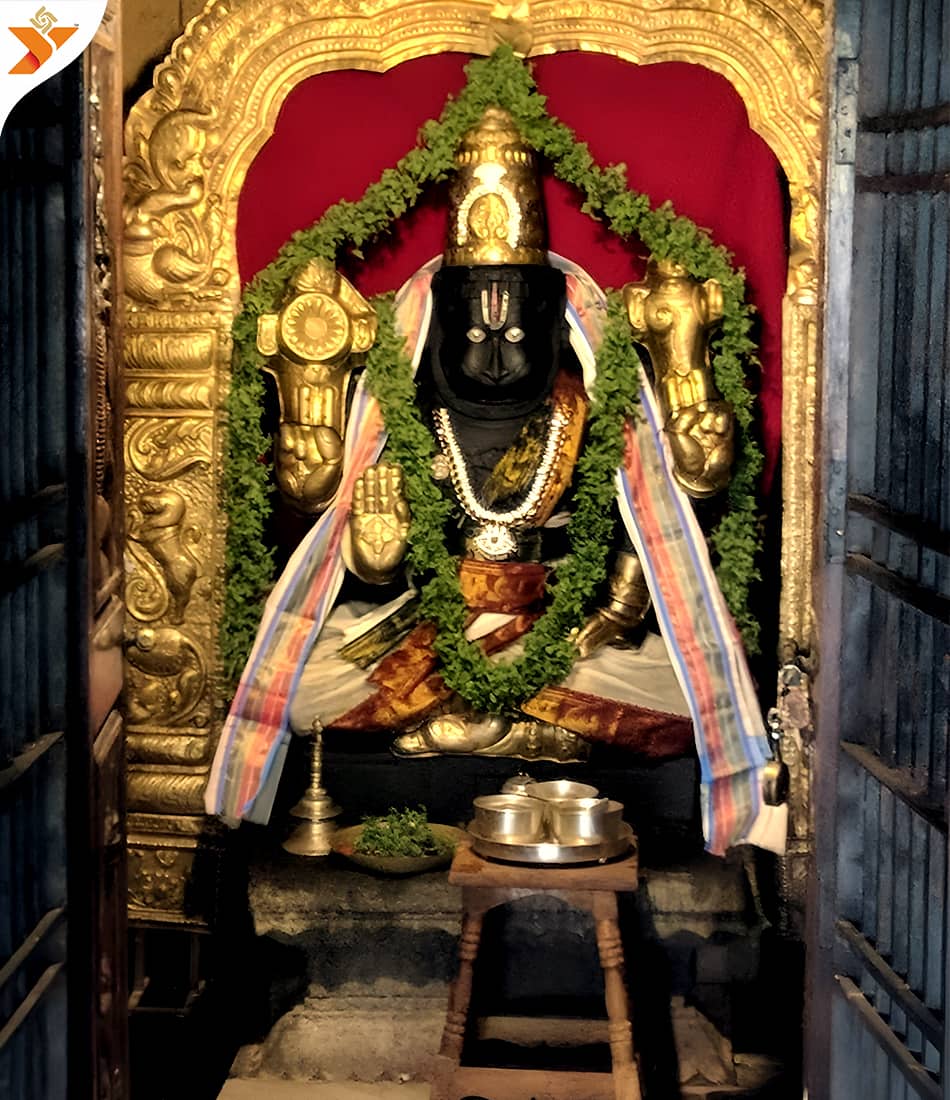
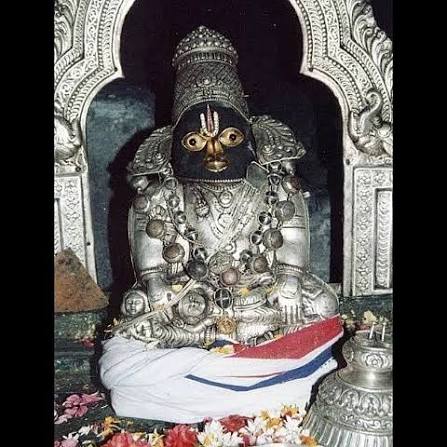
Sri Lakshmi Narasimha Swamy Temple, Ahobilam
About Sri Lakshmi Narasimha Swamy Temple, Ahobilam
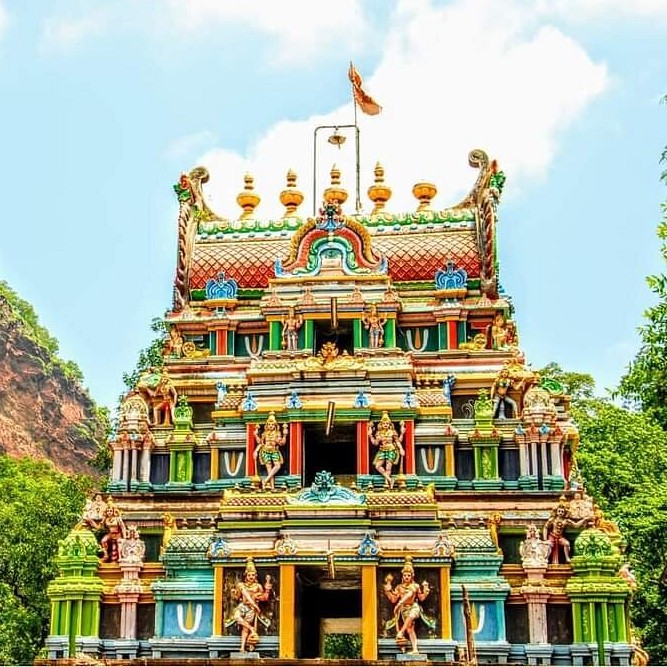
The temple's establishment reaches back more than a millennium, making it among the oldest continuously maintained sacred sites in the region. This longevity is preserved through an unbroken spiritual lineage: the temple has been guided by forty-six successive Jeeyar Swamys, a monastic order that has maintained the temple's rituals, traditions, and custodianship across centuries. This continuity of leadership represents a living connection between contemporary devotees and the generations of practitioners who have walked these forest paths before them.
The setting itself—deep within the Nallamala Forest, a protected wildlife sanctuary—shapes the temple's character. The forest environment is integral to the pilgrimage experience, with temple paths connecting the Upper and Lower Ahobilam shrine clusters through natural terrain. This landscape integration distinguishes Ahobilam from urban temple complexes and creates a pilgrimage that engages both spiritual and natural dimensions.
Daily Worship and Darshan
The temple maintains two daily darshan sessions: morning darshan from 6:00 AM to 12:00 PM and evening darshan from 3:00 PM to 8:30 PM, with an afternoon break from 12:00 PM to 3:00 PM. Morning and evening aartis (ritual worship ceremonies) are performed daily, marking the primary moments of congregational worship. The morning session typically draws larger numbers of devotees seeking blessings at the start of the day.
For those seeking more personalized worship experiences, the temple offers Sheegra Darshan (expedited darshan) available throughout the day, allowing devotees to bypass standard queues. Various sevas—ritual services including daily pujas and special ceremonies—can be booked in advance through the temple's online systems. The temple also conducts weekly vratams (ritual observances) and monthly panchanga sevas, allowing devotees to participate in spiritual practices aligned with the lunar calendar. These structured observances provide frameworks for regular engagement with the temple's traditions.
Brahmotsavam and Festival Observances
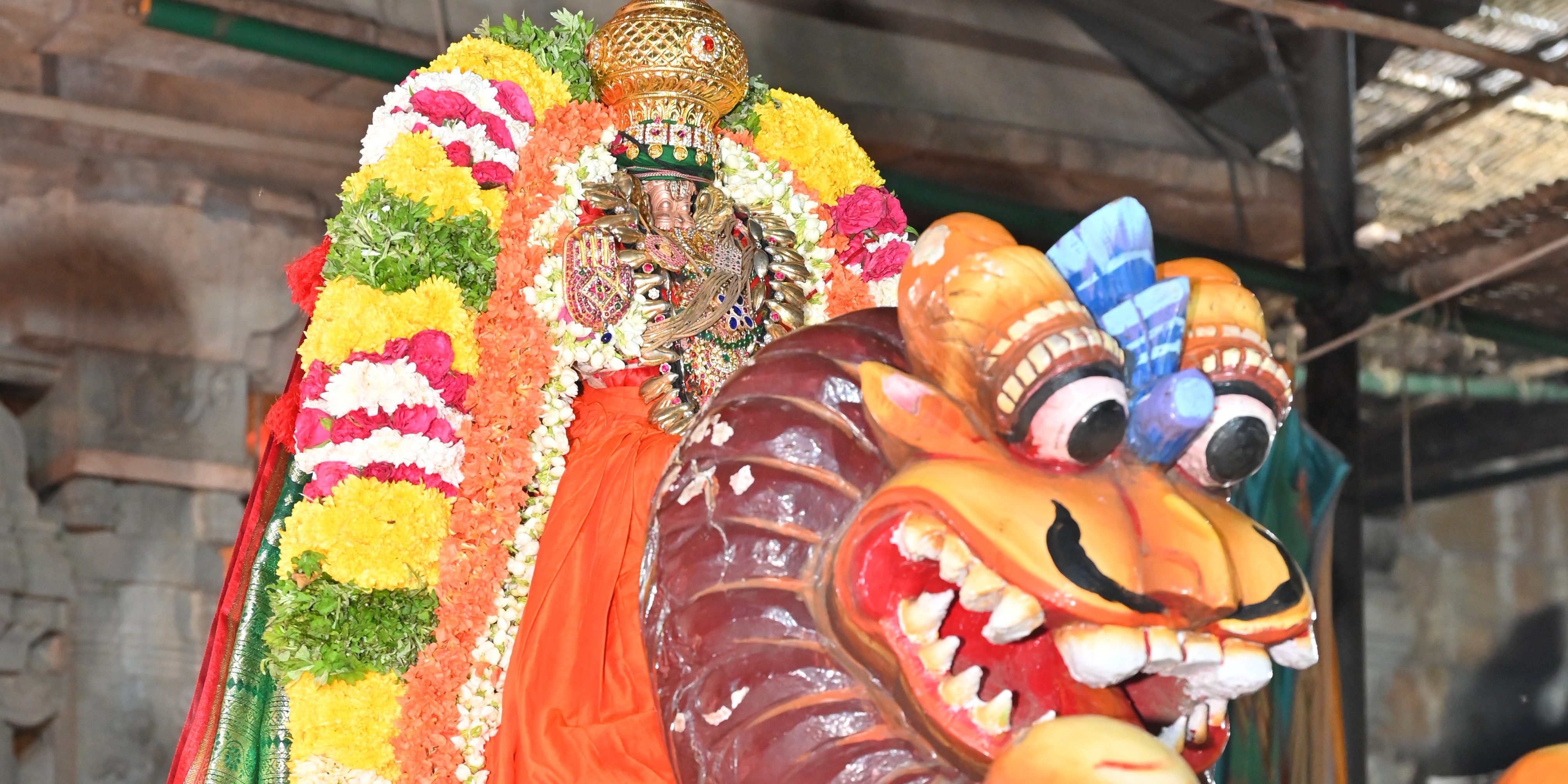
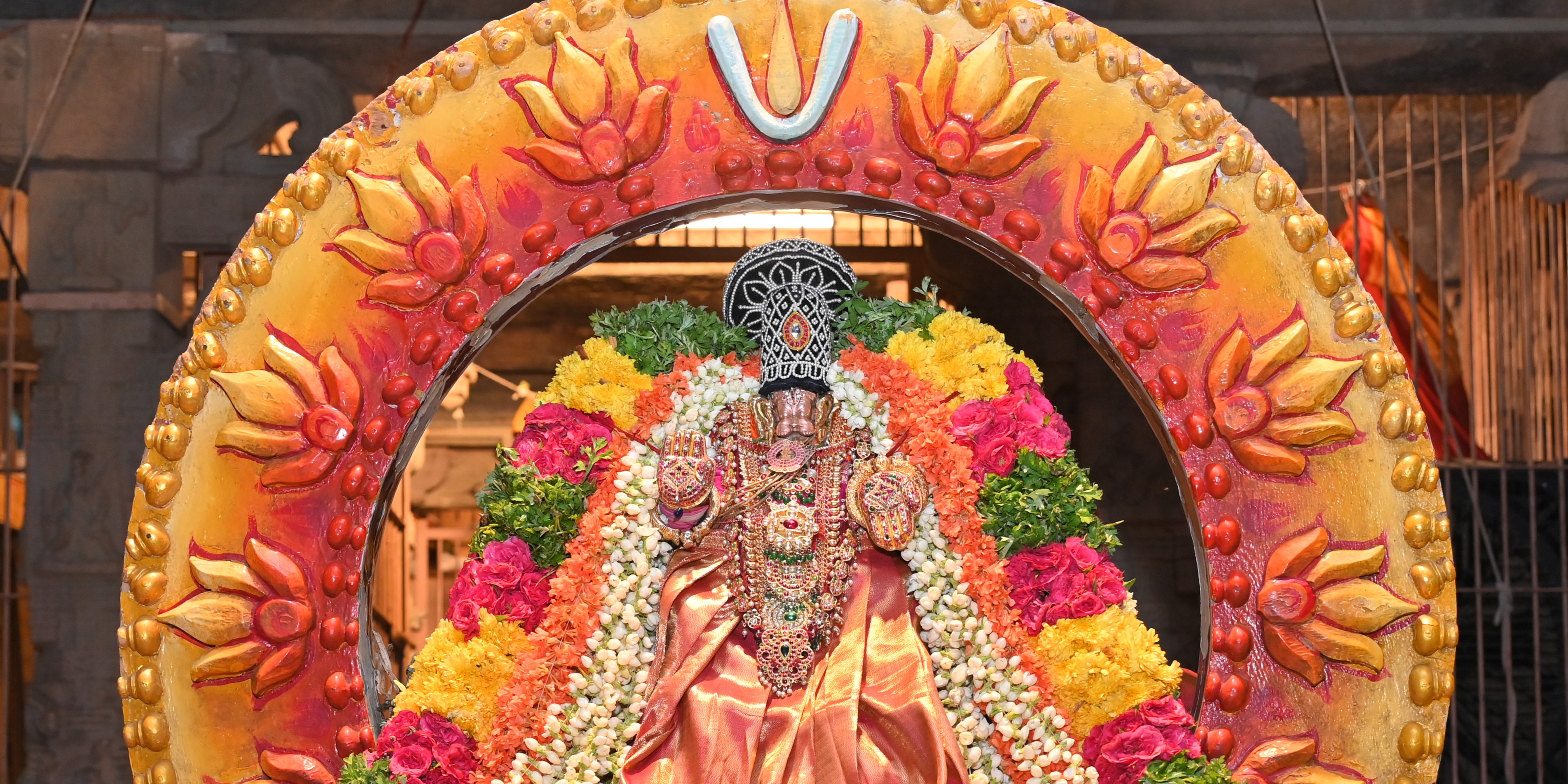
The most significant annual event at Ahobilam is the Brahmotsavam, a nine-day festival drawing thousands of devotees. The festival features processions, vahana sevas (deity processions on decorated vehicles), and special abhishekams (ritual anointments) conducted across both Upper and Lower Ahobilam complexes. Beyond this major celebration, the temple maintains a calendar of weekly and monthly observances tied to the Hindu lunar calendar, creating regular rhythms of ceremonial life throughout the year.
Planning Your Visit
The optimal time to visit is between October and March, when weather conditions in the forest region are most favorable for pilgrimage. The temple provides several support services for visitors: accommodation options including temple guest houses and nearby lodging, transport arrangements and trekking guidance between the Lower and Upper Ahobilam shrines, wheelchair assistance, first aid and medical support, and lost-and-found services. Pilgrims can book darshan slots and sevas in advance online, which is advisable during peak seasons.
Visitors should be prepared for a forest pilgrimage requiring appropriate footwear and clothing suitable for walking forest paths. As a Vaishnavite temple, modest dress is customary—covered shoulders and knees are respectful. The temple complex operates on a schedule that accommodates the afternoon break, so plan accordingly. The presence of the Nallamala Forest sanctuary means the environment is protected; visitors should respect wildlife and forest conservation efforts that the temple actively supports through waste management, water conservation, and plantation programs.
How to reach





You may also visit
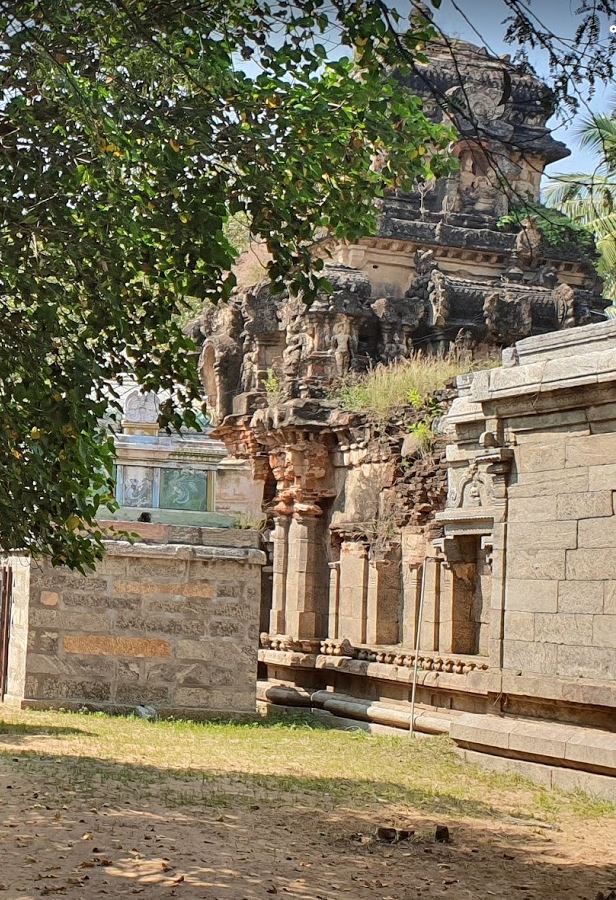
Agatheeswarar Temple, Karur
Agatheeswarar Temple in Thirumukkudalur, Karur district, is an ancient Hindu shrine dedicated to Shiva, situated at the sacred confluence of three rivers and believed to be over 1000 years old.
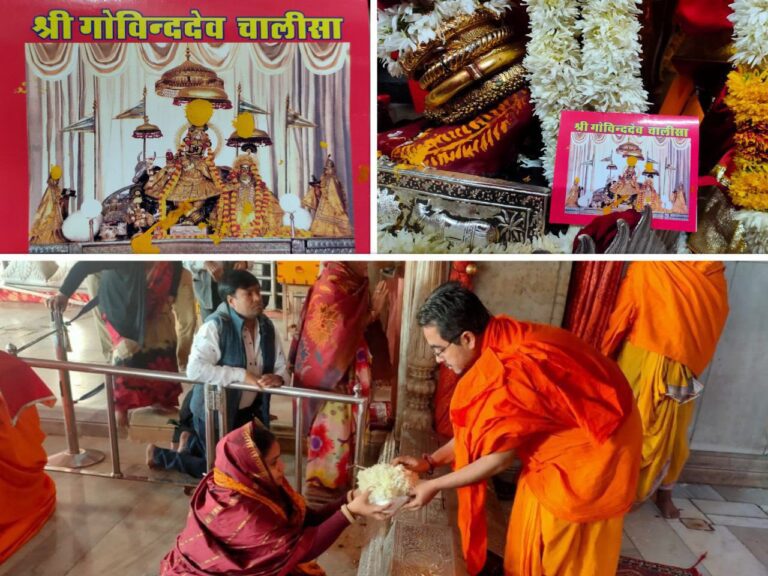
Kalyanji Temple
Kalyanji Temple in Jaipur's Chandpol Bazaar is an ancient Krishna shrine established in the 1820s, renowned for its seven daily aartis and special avatar darshan ceremonies during Akha Teej and Patottsav festivals.
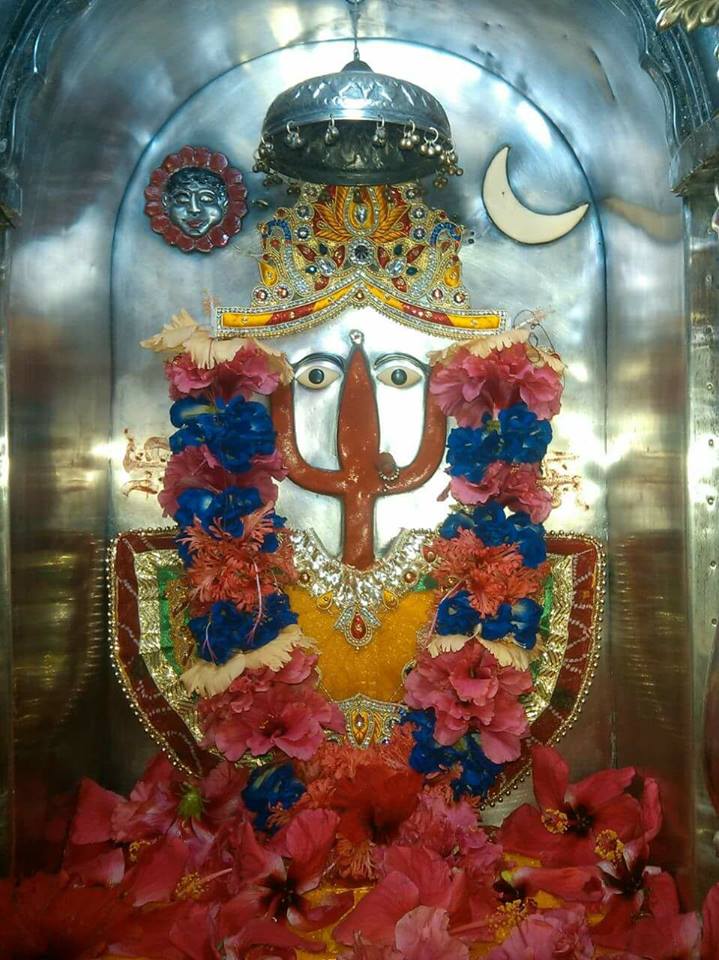
Rani Sati Mandir Mahuda
Rani Sati Mandir in Mahuda, Dhanbad District, is a Hindu temple established in 1992 that serves as a spiritual center for the local community and attracts devotees seeking blessings.