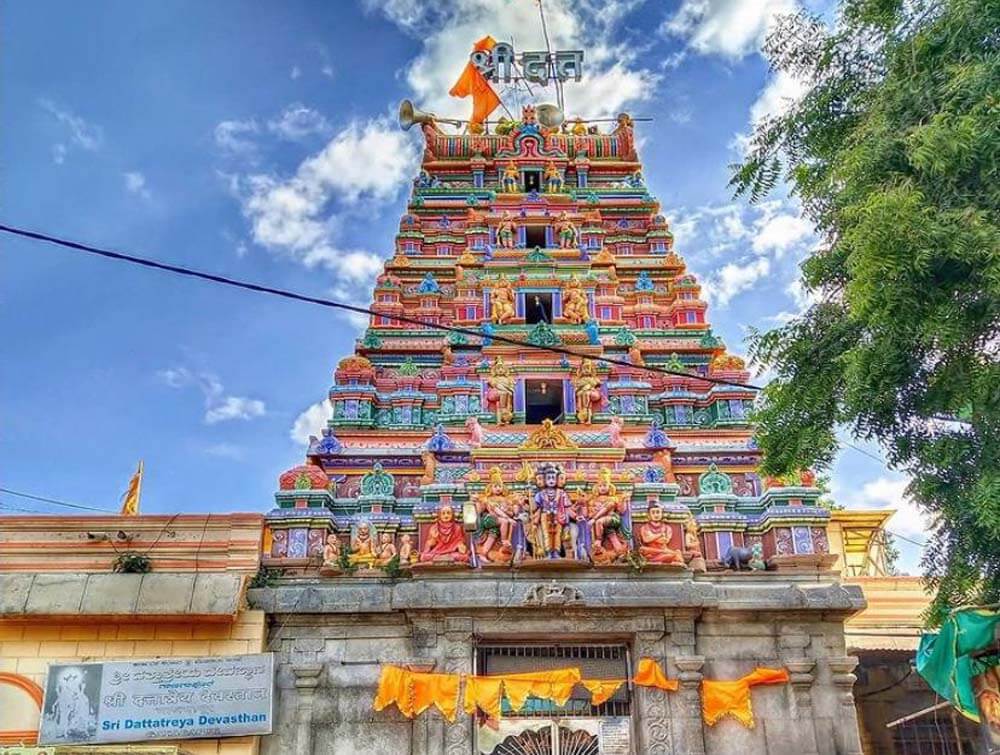

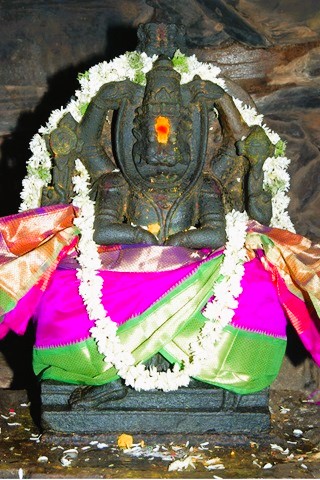
Narasimha temple
About Narasimha temple
The temple traces its origins back over a thousand years, making it among the older continuously active shrines in the region. A defining feature of Ahobilam's spiritual heritage is the unbroken lineage of forty-six Jeeyar Swamys—spiritual leaders who have maintained and guided the temple's traditions since its founding. This succession of teachers represents a living connection to the temple's ancient past and reflects the importance of guru-disciple transmission within Hindu monastic traditions.
The Ugra Stambham, the sacred pillar site within the complex, marks the location where devotees believe Lord Narasimha appeared. This pillar holds particular significance in the Narasimha mythology and remains a focal point of worship and reverence for visitors.
The Nine Forms of Narasimha
Ahobilam's defining characteristic is its housing of the Nava Narasimhas—nine distinct manifestations of the deity. These forms are: Jwala Narasimha, Ahobila Narasimha, Malola Narasimha, Kroda Narasimha, Karanja Narasimha, Bhargava Narasimha, Yogananda Narasimha, Chatravata Narasimha, and Pavana Narasimha. Each form carries its own theological significance and attracts devotees seeking specific blessings or spiritual experiences. The distribution of these nine forms across Upper and Lower Ahobilam creates a pilgrimage circuit that encourages visitors to move through the landscape in contemplation and worship.
Darshan Timings and Visiting Hours
The temple maintains two daily darshan periods. Morning darshan runs from 6:00 AM to 12:00 PM, followed by an afternoon break from 12:00 PM to 3:00 PM. Evening darshan resumes from 3:00 PM to 8:30 PM. These timings allow flexibility for pilgrims with varying schedules, though the early morning hours typically offer a quieter atmosphere for worship. Sheegra Darshan (expedited darshan) is available throughout the day for those seeking priority access.
Visitors should plan their visit with the forest location in mind. The journey between Upper and Lower Ahobilam involves trekking through forest paths; the temple provides shuttle services and trekking guidance to assist pilgrims. Accommodation options include temple guest houses and nearby lodging, allowing visitors to structure multi-day visits if desired.
Sevas, Rituals, and Spiritual Programs
The temple offers opportunities for devotees to participate in or sponsor specific sevas (ritual services). Daily pujas, weekly vratams (vows), and special abhishekams (ritual anointments) can be booked in advance through the temple's online system. The annual Brahmotsavam—a nine-day festival featuring processions and vahana sevas—draws large numbers of devotees, though specific dates should be confirmed with the temple directly.
Beyond ritual worship, the temple hosts spiritual discourses, yoga and meditation sessions, and bhajan singing. These programs reflect the temple's role as a center for both devotional practice and spiritual learning. Visitors interested in these activities should inquire about schedules upon arrival or through the temple's official channels.
Practical Information for Pilgrims
The temple complex provides several facilities for visitors' comfort and safety. Wheelchair assistance is available for those with mobility needs, and first aid and medical help are on-site. A lost and found service operates for misplaced items. The temple maintains pilgrim services including QR-based darshan booking and special entry passes for those seeking alternative access arrangements.
As a sacred site within a forest sanctuary, Ahobilam operates with environmental consciousness. The temple implements waste management, water conservation, and plantation programs as part of its operations. Visitors should respect these eco-friendly practices and the protected forest environment. Standard temple etiquette applies: remove footwear before entering sanctums, maintain respectful silence during worship, and dress modestly. Donations support temple maintenance and community welfare programs.
How to reach


You may also visit
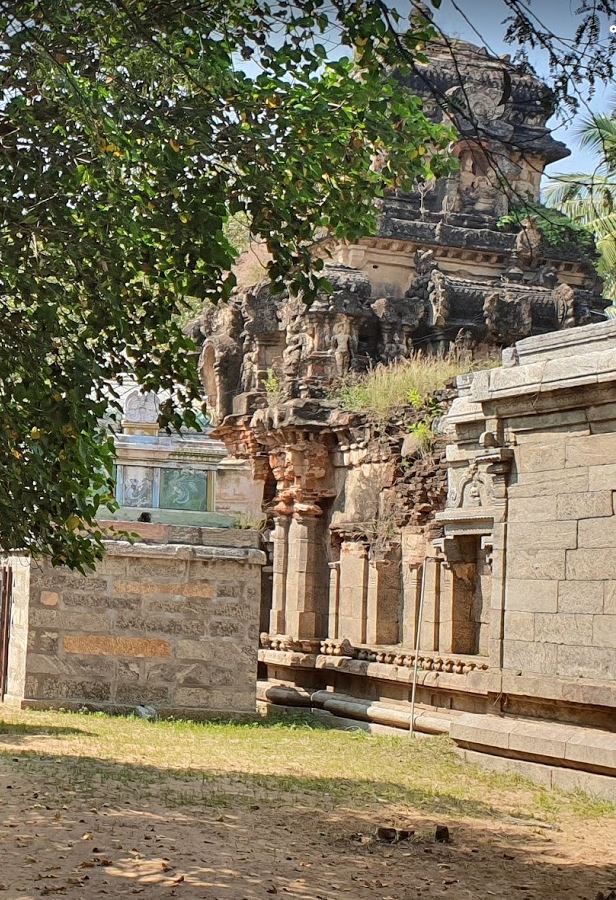
Agatheeswarar Temple, Karur
Agatheeswarar Temple in Thirumukkudalur, Karur district, is an ancient Hindu shrine dedicated to Shiva, situated at the sacred confluence of three rivers and believed to be over 1000 years old.
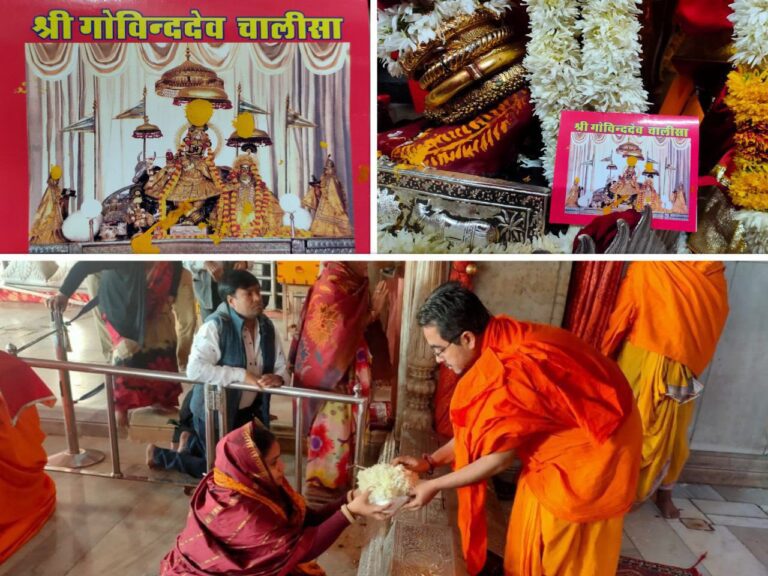
Kalyanji Temple
Kalyanji Temple in Jaipur's Chandpol Bazaar is an ancient Krishna shrine established in the 1820s, renowned for its seven daily aartis and special avatar darshan ceremonies during Akha Teej and Patottsav festivals.
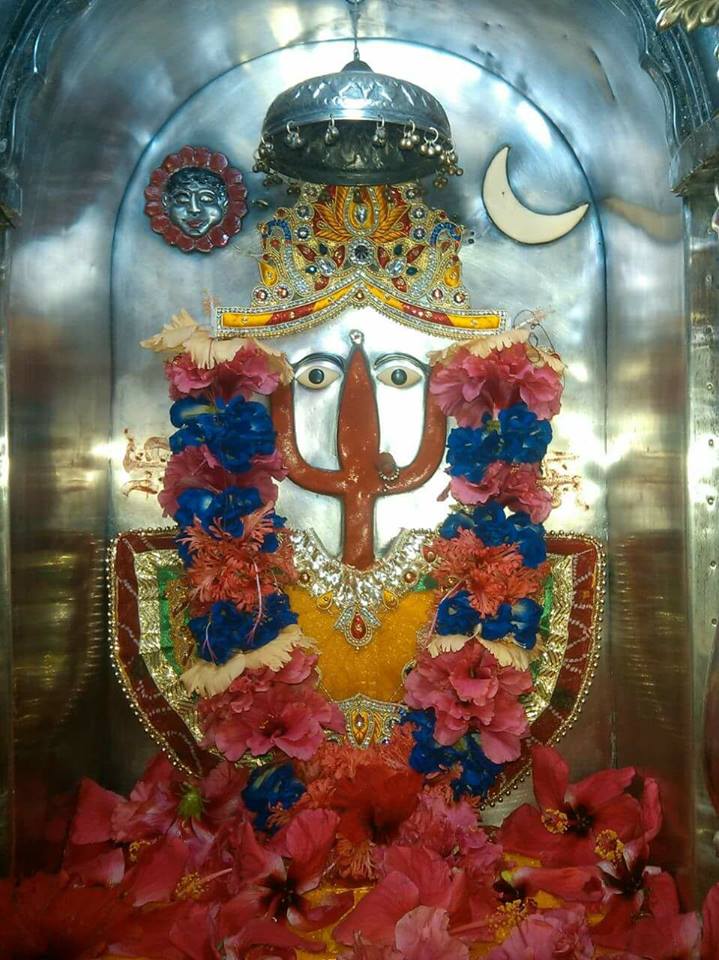
Rani Sati Mandir Mahuda
Rani Sati Mandir in Mahuda, Dhanbad District, is a Hindu temple established in 1992 that serves as a spiritual center for the local community and attracts devotees seeking blessings.