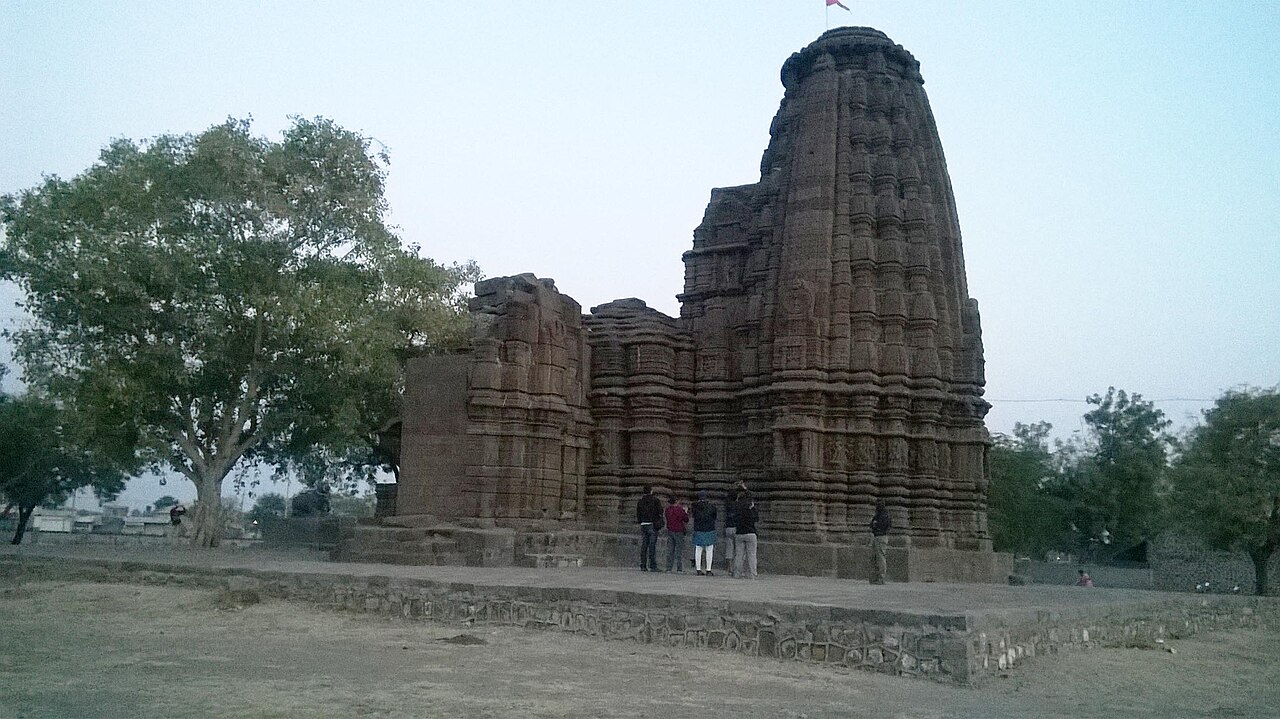
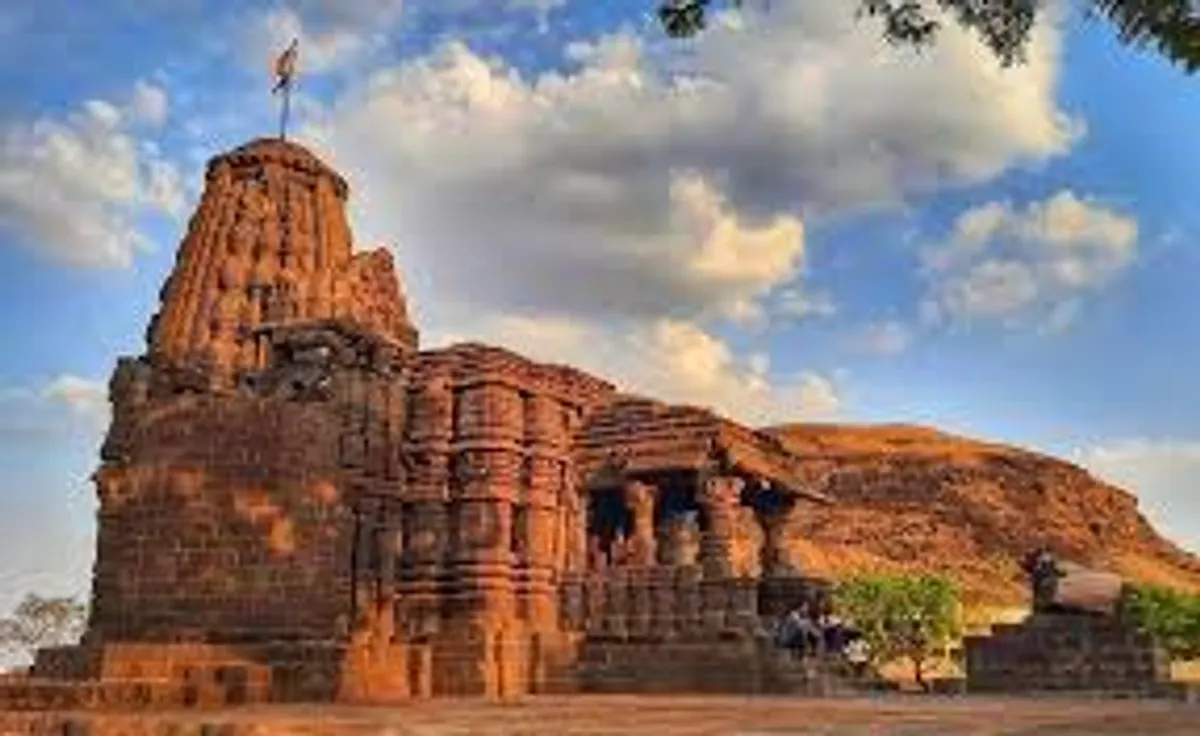
Mankeshwar temple, Zodage
About Mankeshwar temple, Zodage
The temple opens daily from 06:00 to 19:00, allowing devotees to approach the shrine throughout the day. An evening aarti (ritual of light) is performed, a common practice in Shiva temples where the deity is honoured through the ceremonial offering of flame. Darshan—the act of viewing and being in the presence of the deity—typically involves a wait of thirty minutes to one hour, depending on the time of visit and the number of devotees present.
The early morning and late evening hours offer the most comfortable visiting experience, as these times avoid the intense midday heat and tend to draw fewer crowds. Those planning to visit should dress modestly, as is customary when entering Hindu temples. Visitors typically remove their footwear before entering the inner sanctum and maintain respectful behaviour throughout the shrine.
Mahashivaratri and Magha Fair
The temple observes Mahashivaratri, the festival honouring Shiva that falls in the Hindu calendar month of Phalguna (February-March). This occasion draws both local and regional devotees to the shrine for special celebrations and intensified worship. Additionally, the month of Magha (January-February) brings a fair to Zodage, during which the temple becomes a focal point for pilgrimage and community gathering. These periods see increased activity and larger congregations of worshippers.
Reaching the Temple
Mankeshwar Temple is accessible via the Mumbai-Agra National Highway, which passes adjacent to the village of Zodage. The temple's coordinates are 20.657631, 74.673651, which can be used with navigation applications to plan travel routes. Parking facilities are available at the site. Those travelling from Nashik should allow for approximately two to three hours of journey time to reach Zodage, depending on traffic conditions and the specific starting point within the city.
Practical Information for Visitors
Before visiting, it is advisable to confirm current darshan timings with the temple, as festival days and special occasions may alter regular hours. The temple's location in the Western Ghats means that weather conditions can vary seasonally; visitors should plan accordingly and bring water, particularly if visiting during warmer months. The uneven terrain and steps require sturdy footwear for the journey to and from the shrine, though shoes should be removed before entering the inner sanctum.
Devotees typically bring offerings such as flowers, incense, or coconut to present at the shrine. The temple staff can provide guidance on appropriate rituals and practices for those unfamiliar with the customs of Shiva worship. As the site remains under archaeological protection, visitors should treat the structure and its surroundings with care, avoiding any actions that might damage the carved stonework or architectural elements.
How to reach
You may also visit
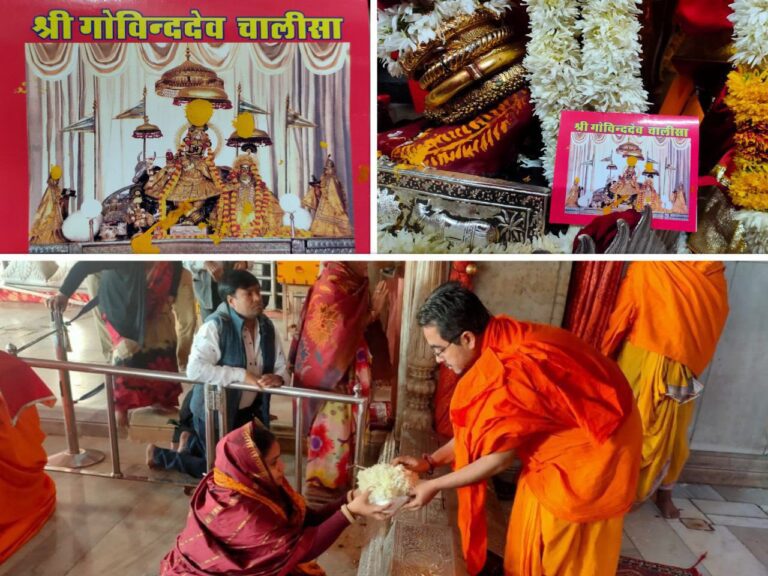
Kalyanji Temple
Kalyanji Temple in Jaipur's Chandpol Bazaar is approximately two centuries old and renowned for displaying the twenty-four avatars of Krishna, visible only twice yearly during Akha Teej and Patottsav festival.
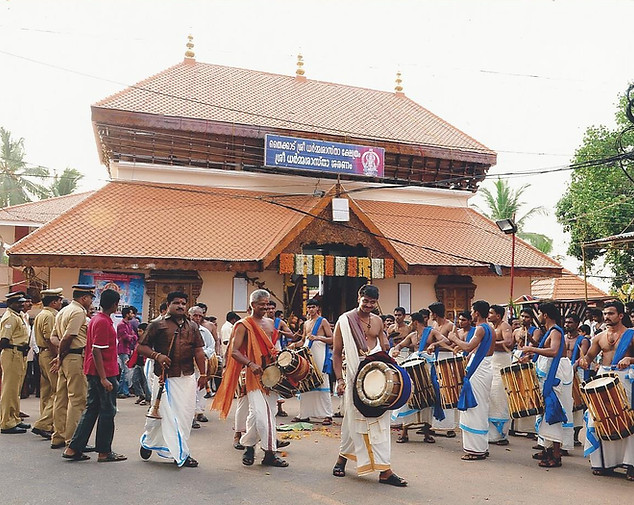
Sastha (Ayyappan) Temple
Sree Dharma Sastha Temple in Thycaud, Thiruvananthapuram, is a centuries-old shrine where the deity manifests as Dhanwanthari, the divine healer, holding the sacred blue lotus.
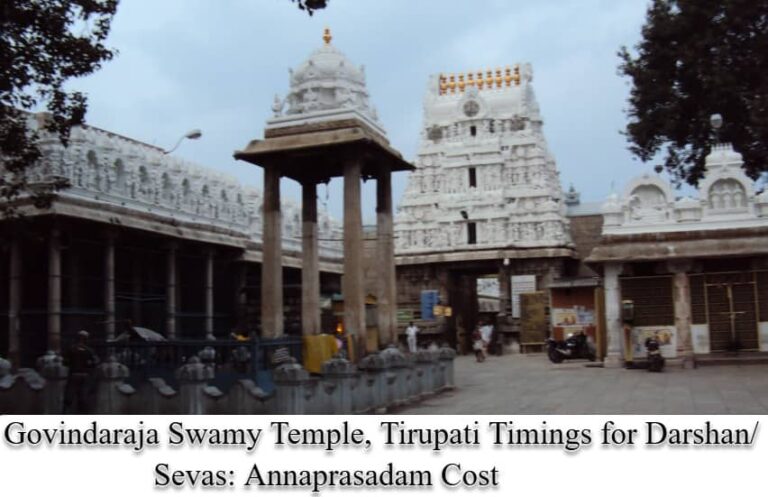
Govindarajaswamy Temple
Sri Govindarajaswamy Temple in Tirupati is an ancient Vaishnavaite shrine consecrated in 1130 AD by Saint Ramanuja, where the presiding deity rests in eternal Yoga Nidra on the serpent Adisesha.